


A reef tank clean up crew controls algae, leftover food, and detritus. The best crew combines snails, crabs, shrimp, and other grazers that match your tank size, sand bed, and livestock.
Many reef keepers buy a huge clean up crew too early. That often ends badly. Animals starve once the first algae bloom fades. A better approach is to build your crew slowly. Match each species to a real job in the aquarium. In this guide, you will learn which clean up crew members work best, how many to add, what they actually eat, and how to avoid common mistakes. You will also learn how to support them with stable reef parameters, smart feeding, and good aquascaping.
Clean Up Crew Quick Reference
| Clean up crew member | Best job | Reef safe | Beginner friendly | Notes |
|---|---|---|---|---|
| Trochus snails | Glass and rock algae | Yes | Yes | Can often right themselves if flipped |
| Cerith snails | Film algae and detritus | Yes | Yes | Good for rock and sand |
| Nassarius snails | Leftover meaty foods | Yes | Yes | Not algae eaters |
| Astrea snails | Hard algae on rock | Yes | Moderate | Need help if flipped |
| Turbo snails | Heavy algae grazing | Usually | Yes | Large and strong. Can knock frags over |
| Blue leg hermits | Detritus and some algae | Mostly | Moderate | May attack snails for shells |
| Scarlet hermits | Light algae and detritus | Mostly | Yes | Often more peaceful than blue legs |
| Cleaner shrimp | Leftover food and fish interaction | Yes | Yes | Not a primary algae cleaner |
| Fighting conch | Sand bed cleaning | Yes | Yes | Needs open sand and mature tank |
| Tuxedo urchin | Algae on rock | Usually | Moderate | Can move loose frags and decorations |
Use this table as a starting point. No single animal cleans everything. The best reef tank clean up crew mixes specialists. That creates better coverage and reduces pressure on any one species.
What Is a Clean Up Crew?
A clean up crew is a group of invertebrates and grazers. They help process waste inside a reef aquarium. They eat film algae, hair algae, diatoms, uneaten food, and settled detritus. Some species sift the sand. Others clean rockwork or glass. A few only eat meaty leftovers.
They are helpful, but they are not magic. A clean up crew cannot fix poor husbandry. It will not solve overfeeding, weak flow, bad source water, or unstable nutrients. Think of them as support animals. They make maintenance easier. They also help your tank look cleaner between water changes.
The strongest results come from balance. Good export, stable parameters, and proper stocking matter most. Your crew then handles the leftovers. If you want a solid foundation first, read our guides on reef tank cycling, protein skimmer setup, and reef tank water parameters.
Why Every Reef Tank Needs the Right Crew
New reef tanks often go through ugly phases. Brown diatoms appear first. Then green film algae grows on the glass. Hair algae may follow. This is normal. A smart clean up crew helps manage these stages without harsh chemical fixes.
Different animals target different messes. Trochus snails scrape algae from hard surfaces. Cerith snails work tight spaces and the sand line. Nassarius snails smell food and emerge from the sand during feeding. Hermits pick through crevices. Conchs patrol open substrate.
The key word is right. Too few animals leave waste behind. Too many animals compete for limited food. That leads to starvation. It also creates die-off, which can add nutrients back into the tank. Start small. Observe what grows in your tank. Then add species that solve that exact problem.
Best Clean Up Crew Members for Reef Tanks
Snails
Snails are the backbone of most reef clean up crews. Trochus snails are among the best all-around choices. They eat film algae well. They handle glass and rock. They also tolerate reef tanks nicely. Cerith snails are excellent for mixed duty. They graze algae and consume detritus. Nassarius snails are useful scavengers, but they do not eat nuisance algae.
Astrea snails are strong grazers, but they struggle if flipped. Turbo snails can demolish heavy algae fast. They are great in tanks with visible growth. Still, they are bulldozers. Secure your frags well before adding them.
Hermit Crabs
Hermits are popular, but they are not always peaceful. Scarlet hermits are often safer than blue legs. Both may eat detritus, leftover food, and some algae. They can still attack snails for shells. Always provide extra empty shells if you keep hermits.
Shrimp, Conchs, and Urchins
Cleaner shrimp add activity and pick at leftover food. They are not major algae workers. Fighting conchs are excellent sand bed janitors in larger tanks. Tuxedo urchins are powerful algae grazers for established systems. They work best in tanks with secure rock and firmly mounted corals.
How to Choose the Right Clean Up Crew
Choose your crew based on your tank, not a generic package. Start with tank age. Very new tanks have limited food. A massive crew will run out of algae quickly. Next, look at your substrate. Bare bottom tanks need fewer sand sifters. Tanks with broad sand beds benefit from ceriths, nassarius snails, or a conch.
Then assess your algae type. Film algae calls for trochus and cerith snails. Hair algae may need turbo snails or manual removal first. Detritus buildup points to flow issues, but scavengers can help. Also consider your livestock. Some wrasses, puffers, triggers, and hawkfish may harass invertebrates.
Finally, buy in stages. Add a small group. Watch what happens for two weeks. If algae remains, add more targeted grazers. This saves money. It also prevents unnecessary losses.
Step-by-Step Guide to Building a Clean Up Crew
Step 1: Wait until the tank is cycled. Ammonia and nitrite must be zero. Clean up crew animals are sensitive to unstable systems.
Step 2: Identify the real problem. Do you have film algae, hair algae, cyanobacteria, or leftover food? Different pests need different solutions.
Step 3: Start with snails first. For many tanks, trochus and cerith snails are the safest opening move.
Step 4: Add scavengers only if needed. Nassarius snails help if food reaches the sand bed often.
Step 5: Add hermits carefully. Keep numbers low. Provide extra shells to reduce aggression.
Step 6: Acclimate slowly. Invertebrates dislike fast salinity shifts. Drip acclimation is usually safest.
Step 7: Feed when necessary. If the tank becomes too clean, offer algae sheets or small meaty foods for scavengers.
Step 8: Reassess monthly. Your tank changes as it matures. Your crew should change too.
Natural Habitat and Behavior
Most clean up crew animals come from shallow tropical reefs, lagoons, and rubble zones. In nature, they spend all day grazing or scavenging. Snails scrape algae from rock and dead coral skeletons. Hermits search cracks for food. Shrimp work around reef ledges. Conchs move across sandy flats.
This matters in captivity. Grazers need surfaces with biofilm and algae. Sand sifters need open substrate. Nocturnal species may hide during the day. New hobbyists sometimes think they died. Many simply emerge after lights out. Behavior also changes with food supply. A hungry crew becomes more active and easier to spot.
When you understand natural behavior, choices become easier. You stop expecting one animal to do every job. You also build a crew that fits the micro-habitats inside your reef tank.
Aquarium Setup for a Successful Clean Up Crew
Stable conditions matter more than large numbers. Keep salinity steady. Avoid sudden swings during top off. Maintain good oxygen levels and random flow. Dead spots trap waste and overload your crew. Secure loose frags and small rocks. Large snails and urchins can move them.
Aquascaping should include both open areas and shaded crevices. Grazers need room to move. Sand cleaners need enough exposed substrate. Very sterile tanks can be a problem. A tiny amount of natural biofilm supports grazing animals. Completely stripped surfaces leave them hungry.
If you run a lid, check for escape risks around corners and plumbing. Some snails and crabs climb well. Also inspect overflow boxes. They often trap curious clean up crew members. A simple guard can prevent losses.
Lighting, Water Flow, and Feeding
Clean up crew animals do not need special reef lighting. Their needs are indirect. Light drives algae growth, which creates food. Strong lighting can increase film algae and green dust algae. That supports grazers, but only if nutrients are balanced. Excess light with poor export often fuels nuisance outbreaks beyond what any crew can handle.
Water flow should be moderate to strong in most reef tanks. Good flow keeps detritus suspended so filtration can remove it. It also prevents heavy buildup in corners. Still, some sand sifters prefer calmer zones. Aim for varied movement across the tank.
Feeding is often overlooked. A starving clean up crew declines slowly. Offer dried seaweed to herbivores if algae becomes scarce. Feed tiny amounts of meaty food for nassarius snails or shrimp when needed. Do not overfeed just to feed the crew. That defeats the purpose.
Compatibility With Fish, Corals, and Invertebrates
Most snails are reef safe with corals. They may crawl over polyps, but they rarely cause damage. Hermits are less predictable. Some steal food from corals. A few may irritate fleshy LPS while climbing. Urchins can dislodge frags and carry small items on their bodies.
Fish compatibility matters more. Many wrasses eat snails, crabs, and shrimp. Triggerfish and puffers are poor matches. Some dottybacks and hawkfish may harass shrimp. Always research fish before blaming the crew for disappearing.
Mixing invertebrates also requires care. Hermits may kill snails for shells. Larger shrimp may bully smaller ornamental species during feeding. Keep stocking simple in smaller tanks. In larger systems, diversity works better because each species has more space and food access.
Common Problems
Why is my clean up crew dying?
The most common causes are salinity swings, starvation, and poor acclimation. Copper exposure is another major risk. Test salinity with a calibrated refractometer. Review your acclimation process. Check if the tank simply lacks enough food.
Why are my snails not eating algae?
They may be the wrong species for that algae. Nassarius snails do not eat film algae. Hair algae may be too long and tough. Manually remove heavy growth first. Then let grazers handle regrowth.
Why do my hermit crabs kill snails?
They often want shells, food, or both. Add several empty shells of different sizes. Feed the tank appropriately. If aggression continues, reduce hermit numbers.
Why is algae still growing with a big clean up crew?
The root cause is usually nutrient imbalance, weak maintenance, or excess light. A clean up crew manages symptoms. It does not replace water changes, export, or source water control.
Why do snails keep falling over?
Some species, especially astreas, struggle to right themselves. Check them daily. Help any upside-down snail quickly. Also inspect for predation and unstable rock surfaces.
Frequently Asked Questions
How many clean up crew members do I need?
Less than most online packages suggest. Start small. Add based on visible algae and waste. A lightly stocked 20-gallon tank may only need a handful of snails at first.
What is the best clean up crew for a beginner reef tank?
Trochus snails and cerith snails are excellent starter choices. They are useful, hardy, and broadly reef safe.
Are hermit crabs necessary in a reef tank?
No. Many successful reef tanks use mostly snails. Hermits are optional. They add utility, but they also add risk.
Can a clean up crew eliminate algae completely?
No. Some algae is normal in reef tanks. The goal is control, not total elimination. Stable nutrients and maintenance do the heavy lifting.
Should I add a clean up crew before fish?
You can add a small crew after the cycle completes and algae appears. Avoid adding too many before the tank can support them.
Final Tips for Long-Term Success
The best clean up crew is balanced, not oversized. Build it around your tank’s real needs. Favor useful snails first. Add specialty animals later. Watch for starvation, aggression, and salinity stress. Support the crew with strong basics. Use good source water. Keep nutrients stable. Maintain flow. Remove excess algae by hand when needed. Your clean up crew will then become one of the most helpful parts of your reef, rather than a short-lived purchase.
Was this helpful?
Related Posts
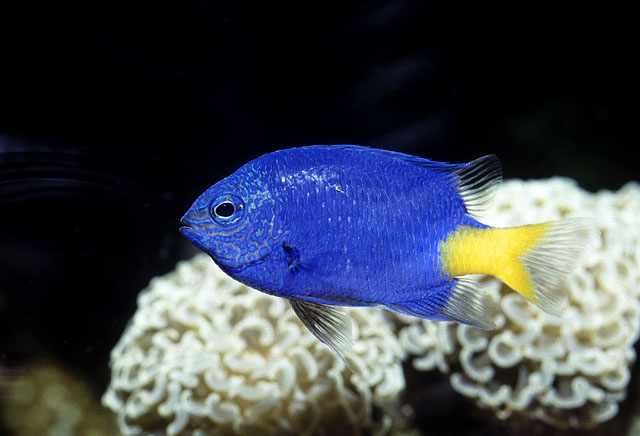
Yellowtail Damselfish (Chrysiptera Parasema)
Yellowtail Damselfish are hardy, colorful, and reef safe, but they can be territorial. Learn their care, feeding, tank…
 By
By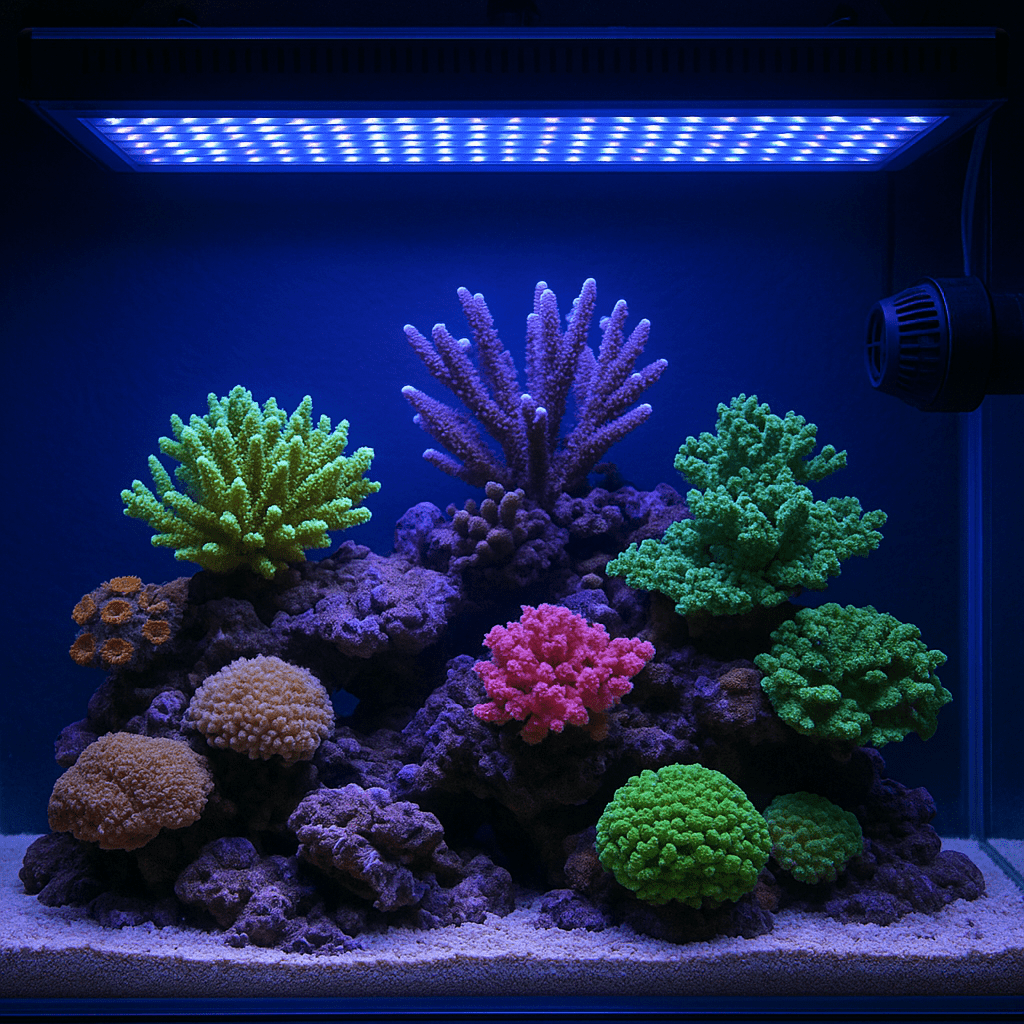
Water Chemistry Basics
Water chemistry basics are the foundation of reef success. Learn the key parameters, target ranges, and simple ways…
[favorite_button]
My Bookmarks:
To see full list click here
[user_favorites user_id="" include_links="true" site_id="" post_types="" include_thumbnails="true" thumbnail_size="thumbnail" include_excerpt="false"]