Blonde Naso Tang: Care Guide, Facts & Reef Tank Tips
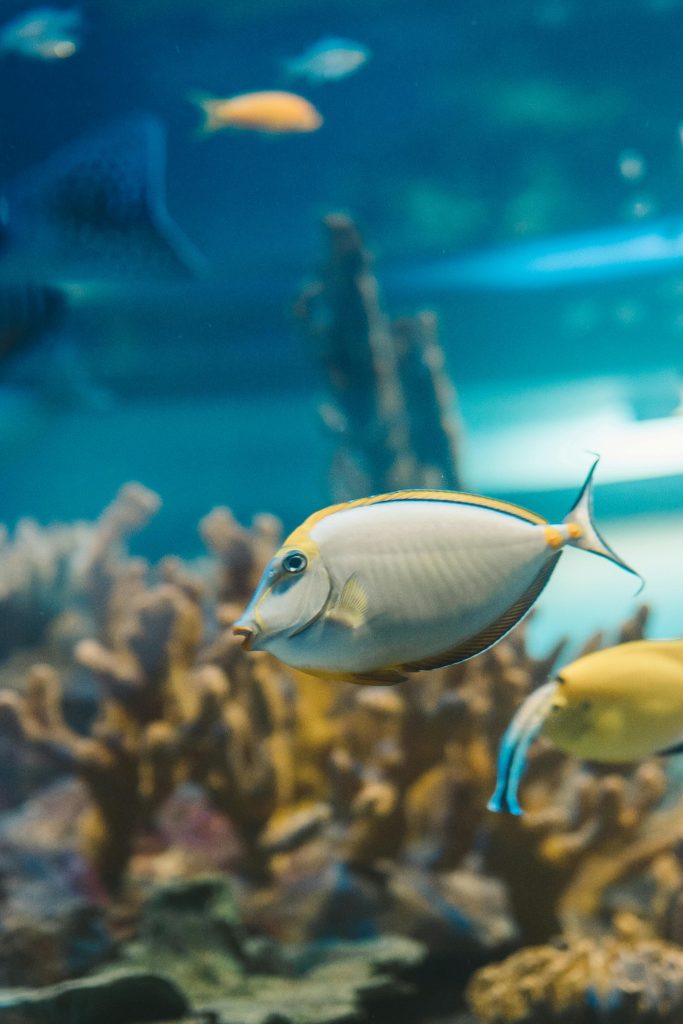
The Blonde Naso Tang (Naso elegans) is a striking, active, and intelligent surgeonfish prized in the marine aquarium hobby. With its golden face, long streamers, and constant cruising behavior, it becomes an instant centerpiece in large reef tanks. This guide covers identification, care requirements, diet, compatibility, and practical tips for long‑term success.
Species Overview
- Common Name: Blonde Naso Tang, Elegant Tang
- Scientific Name: Naso elegans
- Family: Acanthuridae (Surgeonfish & Tangs)
- Origin: Indian Ocean & Red Sea
- Reef Safe: Generally yes (with caution around some fleshy corals)
- Temperament: Semi‑aggressive, especially with other tangs
- Diet: Primarily herbivorous (algae & seaweed), will eat some meaty foods
- Care Level: Intermediate to advanced (due to size and space needs)
- Lifespan: 10+ years in captivity with proper care
Identification: Blonde Naso vs. Naso Tang
The Blonde Naso Tang is closely related to the standard Naso Tang (Naso lituratus), and they are often confused. Both share a similar body shape and facial markings, but there are some clear differences:
Key Visual Features
- Head & Face: Warm golden to orange “blonde” coloration on the face and dorsal region.
- Dorsal Fin: Yellow to golden dorsal fin margin (the regular Naso Tang usually has a darker, sometimes grayish dorsal margin).
- Tail Streamers: Mature males develop long, elegant filaments (streamers) from the tail lobes.
- Body Color: Grey to dark brown body with a lighter belly and subtle blue edging on fins.
- Peduncle Spines: Like all surgeonfish, there are sharp “scalpels” at the base of the tail used for defense and dominance.
In the aquarium trade, the term “Blonde Naso” is typically reserved for Naso elegans from the Indian Ocean and Red Sea, while the Pacific species Naso lituratus is usually just called the Naso Tang or Lipstick Tang.
Natural Habitat & Behavior
In the wild, Blonde Naso Tangs inhabit outer reef slopes and open water areas, often swimming in loose groups. They graze on filamentous algae and sometimes zooplankton, constantly on the move along the reef face.
- Depth Range: Typically found from shallow reef slopes down to deeper outer reef zones.
- Swimming Style: Active cruisers that use the entire water column, not just the rockwork.
- Social Behavior: Can be found in small groups or mixed-species aggregations of tangs and other planktivores.
Understanding this open‑water, high‑activity lifestyle is crucial: it explains why they need large, long tanks with strong flow and plenty of swimming space.
Minimum Tank Size & Aquascape
Tank Size Recommendations
- Absolute Minimum: 180 gallons (680 L) with a long footprint (6 ft / 180 cm or more).
- Preferred: 220–300+ gallons for adult specimens, especially males with streamers.
- Juveniles: Can be started in ~150 gallons, but they grow quickly and will need an upgrade.
While smaller tanks may keep a juvenile alive short‑term, long‑term health, behavior, and immune strength depend on adequate space. Cramped conditions lead to stress, aggression, and disease outbreaks.
Aquascape & Swimming Space
- Open Areas: Leave large, unobstructed swimming lanes along the front and top of the tank.
- Rockwork: Create arches, caves, and ledges, but avoid stacking rock all the way to the glass.
- Grazing Surfaces: Rough, porous live rock helps support natural algae growth for grazing.
- Flow: Moderate to strong, turbulent flow mimics their natural environment and keeps them engaged.
Water Parameters & Filtration
Blonde Naso Tangs are sensitive to poor water quality, especially elevated nitrate and unstable salinity. Stable, clean water is mandatory.
Recommended Water Parameters
- Temperature: 24–26°C (75–79°F)
- Salinity: 1.024–1.026 SG
- pH: 8.1–8.4
- Alkalinity: 8–10 dKH
- Ammonia & Nitrite: 0 ppm
- Nitrate: < 10–20 ppm (lower is better for reefs)
- Phosphate: < 0.1 ppm
Filtration & Oxygenation
- Protein Skimmer: Highly recommended; Blonde Nasos are big eaters and produce a lot of waste.
- Mechanical Filtration: Filter socks or rollers help remove particulates and keep water clear.
- Biological Filtration: Mature live rock and/or bio‑media for stable bacterial populations.
- Oxygenation: Strong surface agitation and adequate gas exchange are essential for these high‑activity fish.
Diet & Feeding
As primarily herbivorous grazers, Blonde Naso Tangs need a diet rich in marine algae and plant material. A poor or overly meaty diet can lead to nutritional deficiencies and head and lateral line erosion (HLLE).
Core Foods
- Dried Seaweed (Nori): Green, red, and brown nori sheets offered on a clip 1–2 times daily.
- Algae‑Based Pellets/Flakes: High‑quality herbivore formulas with spirulina and marine algae.
- Frozen Herbivore Blends: Formulas containing algae, sponges, and small bits of seafood.
Supplemental Foods
- Meaty Foods (in moderation): Mysis shrimp, brine shrimp, finely chopped seafood.
- Fresh Greens: Occasional blanched leafy greens (e.g., romaine or nori alternatives) can be used, but marine‑based algae is preferred.
- Vitamin & Iodine Soaks: Soak foods periodically in vitamins or HUFA supplements to support immune health and coloration.
Feeding Frequency
- Juveniles: 3–4 small feedings per day.
- Adults: 2–3 feedings per day, with at least one algae‑heavy feeding.
They are constant grazers; providing a nori clip they can pick at throughout the day helps keep them satisfied and reduces aggression toward tankmates.
Temperament & Tankmates
Blonde Naso Tangs are generally peaceful toward non‑tang species but can be assertive or aggressive toward other tangs, especially those with similar body shapes or coloration.
Good Tankmate Options
- Reef‑Safe Fish: Clownfish, anthias, wrasses (reef‑safe species), gobies, blennies, chromis.
- Angelfish: Dwarf angels and some larger angels (with reef caution) can coexist in large systems.
- Other Tangs: Different genera and body shapes (e.g., Zebrasoma, Ctenochaetus) may work in large tanks with careful introductions.
Tankmates to Avoid or Add With Caution
- Other Naso Species: Generally avoid mixing multiple Naso Tangs unless in a very large system.
- Similar‑Shaped Tangs: Acanthurus tangs or other large tangs can trigger territorial disputes.
- Very Aggressive Fish: Large triggers or overly aggressive damsels may stress or harass new or smaller Blonde Nasos.
Managing Aggression
- Introduce Last: Add the Blonde Naso Tang after more peaceful tankmates are established.
- Use an Acclimation Box: Temporarily confine the new tang in a clear box to let existing fish adjust visually.
- Multiple Feeding Stations: Reduces competition and stress at feeding time.
Reef Compatibility
Blonde Naso Tangs are considered reef‑safe in most setups, but there are a few caveats:
- Corals: Generally safe with SPS, LPS, and soft corals. Very hungry or underfed individuals may nip at fleshy LPS or clam mantles, though this is not typical.
- Invertebrates: Safe with most snails, hermits, shrimp, and other clean‑up crew members.
- Algae Control: They help control filamentous algae but should not be relied on as the sole solution for nuisance algae problems.
As long as they are well fed with a varied algae‑rich diet, the risk of coral nipping is low.
Health, Disease & Quarantine
Like many tangs, Blonde Naso Tangs are prone to external parasites and stress‑related illnesses. Prevention and early intervention are key.
Common Health Issues
- Marine Ich (Cryptocaryon) & Velvet: Tangs are frequent first victims due to thin slime coats and stress sensitivity.
- HLLE (Head and Lateral Line Erosion): Linked to poor diet, chronic stress, stray voltage, and sub‑par water quality.
- Bacterial Infections: Secondary infections can occur after injuries or parasite damage.
Prevention Tips
- Quarantine New Fish: 2–4 weeks in a separate, cycled tank allows observation and treatment if needed.
- Stable Water Parameters: Avoid rapid swings in salinity, temperature, or pH.
- Nutritious Diet: Algae‑rich, vitamin‑supplemented foods reduce stress and improve immune function.
- Low Stress: Provide hiding spots, minimize bullying, and avoid constant rearranging of the aquascape.
At the first sign of spots, rapid breathing, or scratching behavior, consider consulting a marine‑experienced vet or reputable reefing resources for appropriate treatment methods (copper, chloroquine, or tank transfer method in a separate hospital tank).
Choosing a Healthy Blonde Naso Tang
Selecting a robust specimen from the start greatly increases your chances of success.
What to Look For
- Body Condition: Full, rounded body without pinched belly or sunken head areas.
- Fins & Skin: No tears, fraying, white spots, or cloudy patches.
- Eyes: Clear and bright, not cloudy or bulging.
- Behavior: Active swimmer, responsive to movement, and interested in food.
- Feeding Response: Ask the store to feed; only purchase if the fish eats readily.
Size Considerations
- Juveniles: Easier to adapt to captivity and tankmates but will require a large final tank.
- Large Adults: Stunning but more demanding in space and may be more stressed by transport and acclimation.
Blonde Naso Tang vs. Other Popular Tangs
When planning your stocking list, it helps to compare the Blonde Naso Tang with other common tang species:
- Yellow Tang (Zebrasoma flavescens): Smaller, more territorial in smaller tanks, but easier to house than a Blonde Naso due to size.
- Kole Tang (Ctenochaetus strigosus): Excellent film algae grazer, generally more peaceful and smaller.
- Blue Hippo Tang (Paracanthurus hepatus): Colorful and popular, but also active and disease‑prone; still smaller and less demanding than a full‑grown Blonde Naso.
- Blonde Naso Tang (Naso elegans): Among the largest and most open‑water‑oriented tangs, requiring the biggest systems and the most swimming space.
If your tank is under 180 gallons, a smaller tang species is usually a better long‑term choice.
Breeding & Sexual Dimorphism
Blonde Naso Tangs have not been reliably bred in home aquariums due to their pelagic spawning behavior and large larval requirements. Most specimens in the trade are wild‑collected.
Male vs. Female
- Males: Typically develop longer tail streamers and may show slightly more intense coloration as they mature.
- Females: Shorter tail lobes without pronounced streamers.
Sexing juveniles is very difficult, and most are sold unsexed.
Is the Blonde Naso Tang Right for Your Tank?
The Blonde Naso Tang is a spectacular show fish, but it is not suitable for every aquarium. Consider the following before buying:
- You have (or plan to have) a large, long tank (ideally 180+ gallons).
- You are prepared for frequent feeding with algae‑rich foods.
- You maintain excellent water quality with strong filtration and regular maintenance.
- You are comfortable with quarantine and disease prevention practices.
If you can meet these requirements, a Blonde Naso Tang can become the centerpiece of your reef, displaying natural grazing behavior, engaging personality, and impressive size for many years.
Quick Reference Summary
- Size: Up to ~18 inches (45 cm)
- Minimum Tank: 180 gallons, 6 ft length or more
- Diet: Primarily algae and seaweed; supplement with quality pellets and frozen foods
- Temperament: Semi‑aggressive, especially with other tangs
- Reef Safe: Yes, with adequate feeding and space
- Care Level: Intermediate–advanced due to size, diet, and disease sensitivity
When given the right environment, the Blonde Naso Tang rewards the dedicated aquarist with constant motion, bold coloration, and a truly majestic presence in the reef tank.
Was this helpful?
Related Posts
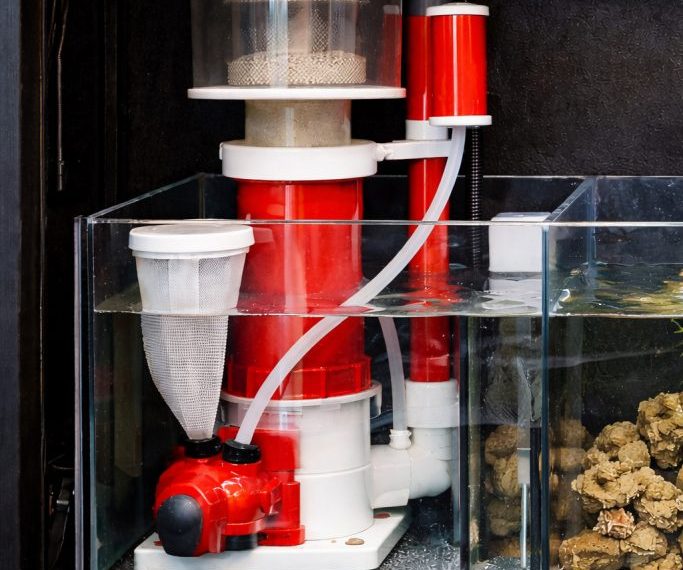
Protein Skimmer Reef Tank Guide
Learn how a protein skimmer works, how to size one, and how to tune it for a cleaner,…
 By
By
Reef Aquarium Water Parameters
Learn the ideal reef aquarium water parameters, safe ranges, and how to keep salinity, alkalinity, nutrients, and pH…