

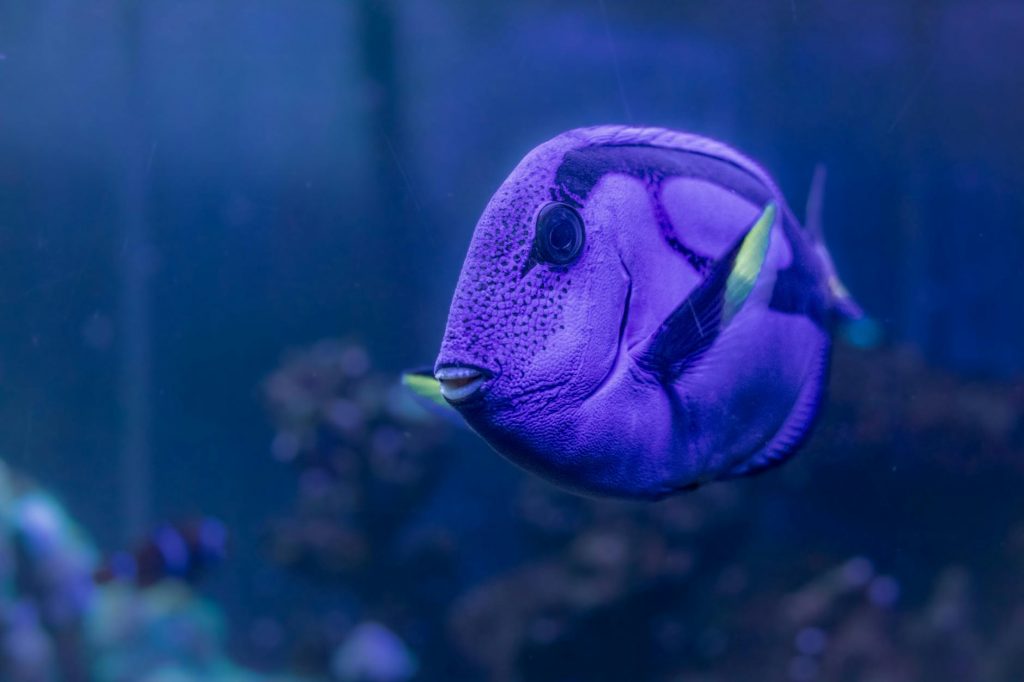
The blue hippo tang is a stunning reef fish, but it is not a beginner impulse buy. It needs a large tank, stable water quality, strong flow, and a careful feeding routine. When those needs are met, Paracanthurus hepatus becomes an active, colorful, and rewarding long-term show fish.
Many hobbyists know this species as the blue tang, hippo tang, regal tang, or palette surgeonfish. It is one of the most recognized marine fish in the hobby. That popularity creates problems. Small juveniles often look easy to keep, but they grow fast and need much more space than many new reef keepers expect. In this guide, you will learn tank size, diet, temperament, reef compatibility, common health issues, and practical care tips that help blue hippo tangs thrive in captivity.
Blue Hippo Tang Quick Care Table
| Care Factor | Recommendation |
|---|---|
| Scientific name | Paracanthurus hepatus |
| Common names | Blue hippo tang, blue tang, regal tang, palette surgeonfish |
| Difficulty | Moderate |
| Minimum tank size | 180 gallons for long-term care |
| Adult size | Up to 10 to 12 inches |
| Temperament | Generally peaceful, but can be territorial with tangs |
| Diet | Omnivore with strong need for algae and varied meaty foods |
| Reef safe | Yes, with caution around very small ornamental invertebrates |
| Ideal temperature | 76 to 80°F |
| Salinity | 1.025 to 1.026 |
| pH | 8.1 to 8.4 |
| Flow | Moderate to strong |
| Lighting | No special need beyond reef tank standards |
This table gives you the short version. The details below matter most. Blue tangs can live for many years. Their success depends on space, diet variety, and stress reduction. Those three factors shape almost every care decision.
Natural Habitat
Paracanthurus hepatus comes from the Indo-Pacific. It occurs across a wide range, including reefs around East Africa, Micronesia, Japan, the Great Barrier Reef, and parts of Oceania. In nature, juveniles often stay close to branching corals and sheltered reef zones. Adults move across outer reef slopes and lagoons where they can graze and swim in open water.
This habitat explains their aquarium behavior. Young fish want hiding places. Larger fish want long swimming lanes. They also benefit from a reef structure that offers both security and open space. In the wild, they feed on plankton and algae and spend much of the day in motion. A cramped aquarium prevents this natural behavior. That stress can lead to poor feeding, aggression, and disease. If you understand where the fish comes from, its care needs make much more sense.
Aquarium Setup
A juvenile blue hippo tang may arrive at only 1.5 to 2 inches. That size is misleading. This fish grows quickly with proper feeding. For long-term care, a 180-gallon tank is the realistic minimum. Larger is always better. A 6-foot tank length should be considered essential. An 8-foot tank is even better for adults.
Build the aquascape with caves, arches, and open corridors. Avoid filling the entire tank with rock. Your tang needs room to cruise. Leave clear front-to-back and side-to-side paths. Secure all rockwork well. Blue tangs dart into crevices when startled. Loose rock can collapse during these fast movements.
Stable water quality matters more than chasing perfect numbers. Keep ammonia and nitrite at zero. Keep nitrate controlled, ideally under 20 ppm in most mixed reefs. Strong filtration helps. A quality protein skimmer, regular water changes, and nutrient export all support long-term health. If you are still planning your reef, see our guides on reef tank setup and marine aquarium water parameters.
Lighting Requirements
Blue hippo tangs do not have specialized lighting needs like corals do. They adapt well to standard reef lighting. The real goal is to match the fish to the tank, not the light to the fish. If your aquarium houses SPS, LPS, or soft corals, the tang usually tolerates that lighting range well.
What matters more is a predictable day and night cycle. Sudden light changes can startle tangs badly. They often wedge themselves into rock at night and may look pale or blotchy while sleeping. That color shift is normal. Use ramping lights when possible. This reduces panic at lights-on and lights-off. If your fish slams into the glass at dawn, the transition may be too abrupt.
Many hobbyists also notice better grazing behavior under a stable photoperiod. Algae growth on rocks and clips becomes part of the fish’s daily routine. If you want a healthier reef environment overall, our article on reef aquarium lighting guide can help you balance coral needs with fish comfort.
Water Flow
Blue tangs do best in moderate to strong water movement. In nature, they live around active reef zones with constant circulation. Good flow supports oxygenation and keeps waste from settling. It also encourages natural swimming behavior.
Aim for varied flow, not a single harsh blast. The fish should be able to swim through stronger current and then retreat to calmer areas. Random flow patterns work well in larger reefs. Gyres and alternating pumps can create long lanes that active fish enjoy. Avoid dead spots behind rock piles. Those areas trap detritus and hurt water quality over time.
If your tang hides constantly, watch how current hits the rockwork. Sometimes the fish lacks a comfortable resting zone. If it breathes heavily only in one area, flow may be too weak there. Proper circulation supports fish health and coral health together. This species is active and oxygen-hungry, especially in warm water.
Feeding
Feeding is one of the biggest keys to success with Paracanthurus hepatus. This fish is an omnivore, but it leans heavily on plant matter in captivity. Offer dried nori daily. Attach it to a clip in an area with gentle flow. Replace uneaten sheets before they foul the water.
Supplement algae with a varied menu. Good options include spirulina brine shrimp, mysis shrimp, finely chopped seafood blends, high-quality pellets, and frozen herbivore formulas. Feed small portions two to three times daily when possible. Frequent feeding helps reduce stress and aggression. It also supports immune function.
Do not rely on meaty foods alone. Fish kept on a poor diet often lose body mass behind the head and become more disease-prone. Soak foods in vitamins occasionally, especially during quarantine or recovery. If your tang ignores algae at first, keep offering it. Many captive fish need time to recognize nori as food. For more diet planning, read best food for reef fish.
Compatibility
Blue hippo tangs are usually reef safe with corals. They do not normally nip SPS, LPS, or soft corals. That makes them popular in mixed reefs. They also coexist well with many peaceful community fish, including clownfish, wrasses, gobies, blennies, and reef-safe angelfish in larger systems.
The main compatibility issue is with other tangs and similarly shaped fish. Surgeonfish often compete for territory and grazing space. In tanks that are too small, chasing and tail-slashing can become serious. Introduce tangs carefully. Add them at similar sizes when possible. Use an acclimation box if needed. In very large aquariums, a blue hippo tang can coexist with zebrasoma and ctenochaetus tangs more successfully than in smaller tanks.
They are generally safe with cleaner shrimp, snails, and reef invertebrates. Very tiny ornamental shrimp may be at slight risk in some setups, but this is uncommon. Always monitor new combinations. Every fish has its own personality.
Step-by-Step Acclimation Guide
- Prepare a quarantine tank before purchase. This species often carries ich.
- Dim the lights before opening the shipping bag.
- Float the bag for temperature matching for 15 to 20 minutes.
- Transfer the fish and shipping water into a clean bucket.
- Use slow drip acclimation for 30 to 45 minutes.
- Do not add store water into your aquarium.
- Move the fish gently into quarantine with a specimen container.
- Offer hiding places like PVC elbows or inert rock structures.
- Wait several hours before the first feeding attempt.
- Offer nori and a small frozen food portion the same day.
- Observe breathing, swimming, and visible spots daily.
- Only move the fish to the display after quarantine is complete.
This process reduces stress and lowers disease risk. Blue tangs are hardy once established, but they are often delicate during shipping and early acclimation. Quarantine is strongly recommended, not optional.
Common Problems
Why does my blue hippo tang have white spots?
This species is infamous for marine ich. Stress is a major trigger. New arrivals, poor diet, bullying, and unstable water quality all increase risk. White spots that appear like grains of salt should be treated seriously. Quarantine and proven treatment methods are the safest path. Do not assume the problem will pass on its own.
Why is my blue tang hiding all the time?
Hiding can be normal during the first days. Persistent hiding usually points to stress. Common causes include aggressive tank mates, poor aquascape, sudden lighting changes, or weak nutrition. Check for bullying first. Then review flow, shelter, and feeding frequency.
Why is my blue tang getting skinny?
Weight loss usually comes from underfeeding, internal parasites, or food competition. Watch the fish during meals. Make sure it actually eats enough algae and prepared foods. A pinched belly or sunken area behind the head needs quick action. Increase feeding frequency and evaluate quarantine history.
Why is my blue tang aggressive?
Aggression often starts when space is limited. It can also happen when too few feeding stations exist. Add more algae clips. Rearrange rock if needed. In severe cases, one fish may need removal. Tangs rarely settle disputes in cramped tanks.
Propagation and Breeding
Can hobbyists breed blue hippo tangs at home?
Home breeding is extremely rare. This species has a pelagic larval stage and complex reproductive behavior. Spawning may occur in large public systems or specialized facilities, but raising larvae is the real challenge. Most fish in the hobby have historically been wild collected, though aquaculture progress continues.
What this means for hobbyists
Focus on responsible sourcing. Buy from reputable vendors that handle fish well. Choose alert specimens with full bellies and clear eyes. Avoid fish with frayed fins, rapid breathing, or obvious white spots. Supporting better collection and holding practices improves survival across the hobby.
Frequently Asked Questions
How big does a blue hippo tang get?
Most adults reach around 10 to 12 inches. Growth depends on diet, tank size, and overall care.
Is a blue hippo tang reef safe?
Yes. It is generally considered reef safe and usually ignores corals.
What size tank does a blue tang need?
A 180-gallon tank is the best minimum for long-term success. Smaller tanks are not suitable for adults.
How often should I feed a blue hippo tang?
Feed at least twice daily. Offer algae every day and rotate other foods for variety.
Are blue hippo tangs hard to keep?
They are moderate in difficulty. They are not ideal for small or unstable tanks. Once established in a large reef, they are much easier to maintain.
Final Thoughts
The blue hippo tang is a beautiful fish with very real care demands. Space is the biggest issue. Disease prevention is the second. A large tank, strong nutrition, and proper quarantine make all the difference. If you can meet those needs, this species can become one of the most active and eye-catching fish in your reef. If not, it is better to choose a smaller tang or another algae grazer that fits your system more responsibly.
Was this helpful?
Related Posts
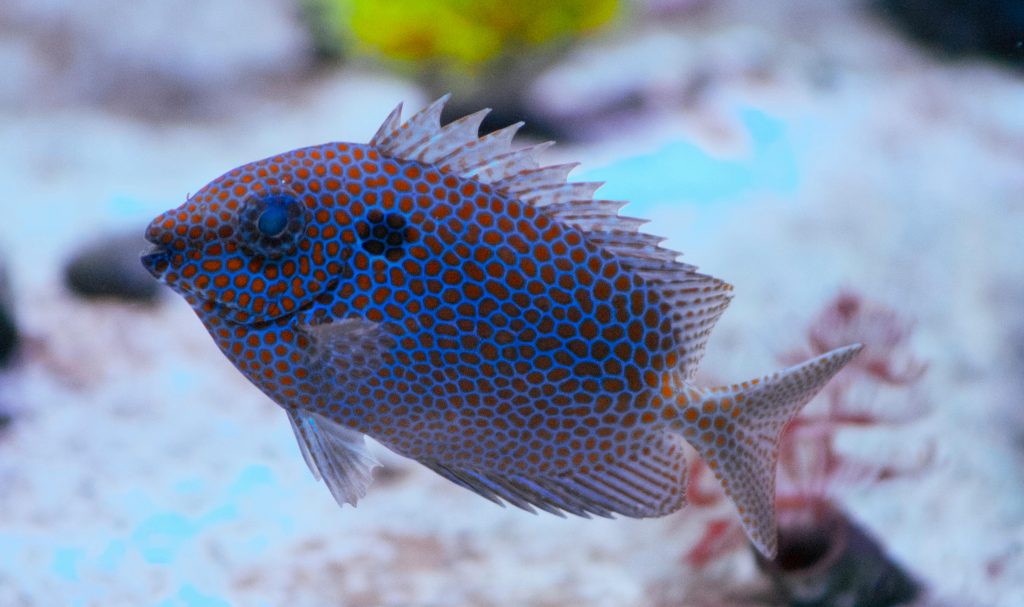
Gold Spotted Rabbitfish (Siganus Punctatus)
Gold Spotted Rabbitfish care includes large tanks, heavy algae feeding, and caution with corals. Learn tank size, diet,…
 By
By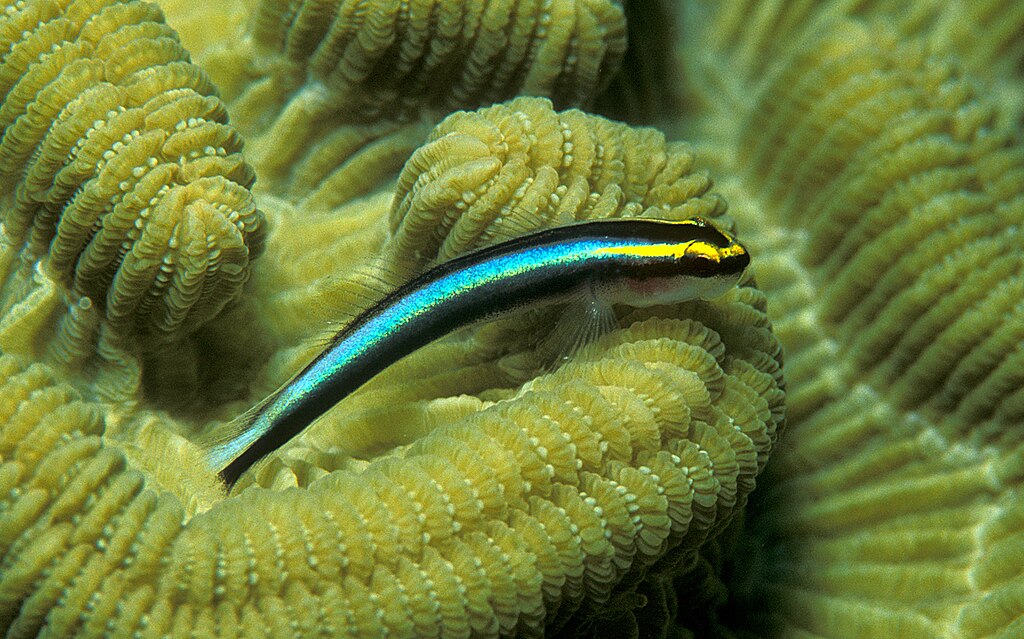
Sharknose Goby (Elacatinus evelynae)
Sharknose Goby care is simple in stable reef tanks. Learn feeding, tank setup, compatibility, and common problems for…
[favorite_button]
My Bookmarks:
To see full list click here
[user_favorites user_id="" include_links="true" site_id="" post_types="" include_thumbnails="true" thumbnail_size="thumbnail" include_excerpt="false"]