Blue Ribbon Eel (Rhinomuraena Quaesita): Stunning But Challenging
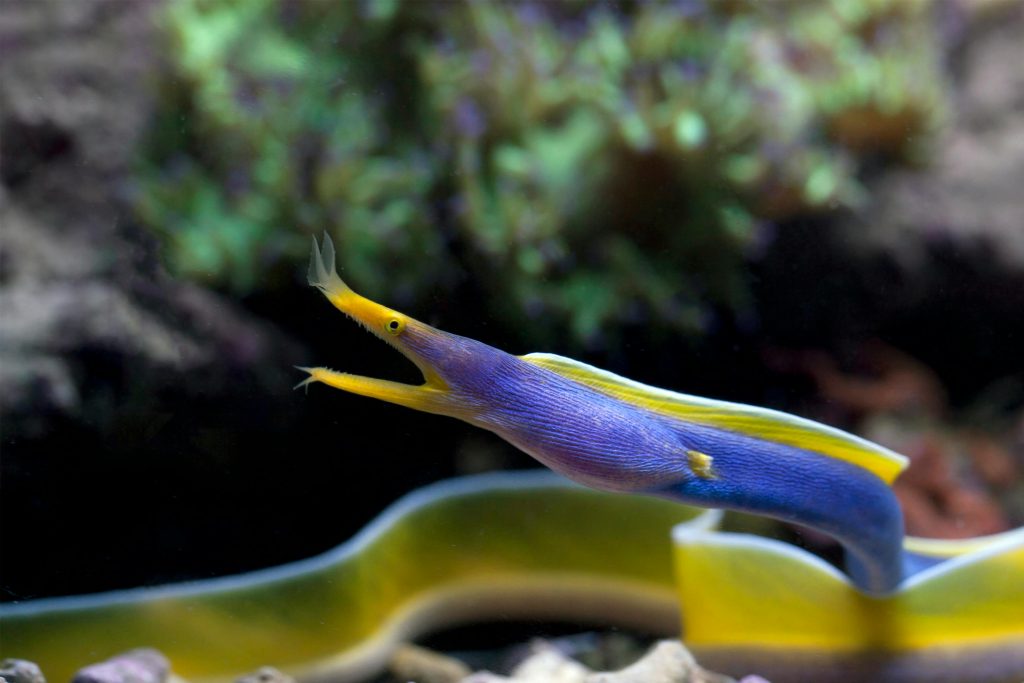
The Blue Ribbon Eel, Rhinomuraena quaesita, is one of the most striking fish you’ll ever see in a saltwater aquarium. With its electric-blue body, bright yellow mouth, and ribbon-like movement, it’s a showstopper. However, this beauty comes with serious care challenges, and it’s not recommended for beginners. Understanding its needs before purchase is essential for the eel’s survival and your long-term success.
Natural Behavior, Size, and Tank Requirements
In the wild, Blue Ribbon Eels inhabit sandy rubble zones and reef slopes, where they hide in burrows with only their heads protruding. They are ambush predators, waiting patiently for small fish and crustaceans to pass by.
Key facts about size and habitat:
- Adult size: 30–40 inches (75–100 cm), long and slender.
- Minimum tank size: 75 gallons, with more space preferred.
- Substrate: Fine sand with rockwork to support burrow-like caves.
- Cover: A tight-fitting lid is mandatory—these eels are expert escape artists.
Provide multiple hiding spots using PVC tubes or rock caves partially buried in the sand. This mimics the eel’s natural burrow and helps it feel secure. For more ideas on rockwork layout and secure aquascapes, see our guide on aquascaping for reef fish.
Feeding the Blue Ribbon Eel: The Biggest Challenge
Feeding is where most hobbyists struggle. Newly imported Blue Ribbon Eels often refuse food for weeks, and many arrive already emaciated. They are carnivores that prefer live, moving prey.
Getting a New Eel to Eat
- Start with live ghost shrimp or small live fish (if ethically sourced and quarantined).
- Use a long feeding stick to wiggle food near the eel’s burrow entrance.
- Gradually transition to frozen silversides, shrimp, or small pieces of marine fish once it accepts live prey.
- Feed small amounts 3–4 times per week rather than large, infrequent meals.
Tip: Choose a specimen that is already eating at the store. Watch it take food before you buy—this dramatically improves your odds of success.
Because of their feeding difficulty and poor survival record in captivity, many advanced aquarists opt for hardier eel species instead. If you’re still learning the basics of marine fish nutrition, review our saltwater fish feeding guide before attempting this species.
Tankmates, Water Quality, and Ethical Considerations
Blue Ribbon Eels are generally shy rather than aggressive, but they are still predators. Avoid housing them with very small fish or ornamental shrimp that can fit in their mouths.
Suitable tankmates include:
- Peaceful to semi-aggressive fish too large to be eaten (tangs, larger wrasses, some angelfish).
- Robust, non-aggressive tankmates that won’t outcompete them for food.
Water quality should be excellent, as stressed or weakened eels are even less likely to feed:
- Temperature: 76–80°F (24–27°C)
- Salinity: 1.024–1.026 specific gravity
- Ammonia & nitrite: 0 ppm; nitrate: as low as possible, ideally < 20 ppm
From an ethical standpoint, the Blue Ribbon Eel is considered a high-risk species for home aquariums due to its poor survival rate. If you decide to keep one, do so only after you have strong experience with other eels and delicate marine fish. You may want to explore our overview of difficult marine fish species to better understand the commitment involved.
Is the Blue Ribbon Eel Right for Your Tank?
The Blue Ribbon Eel is undeniably captivating, but it is also one of the more demanding species in the hobby. It requires a secure, well-designed habitat, pristine water, and a patient, dedicated approach to feeding. For most hobbyists, there are easier and more sustainable choices that offer similar visual impact with far fewer risks.
If you’re an advanced aquarist prepared for the challenge—and you can confirm the eel is already eating at the store—the Blue Ribbon Eel can become a fascinating, long-term resident. For many others, admiring this species in public aquariums or in photos may be the most responsible choice.
Sources
- Michael, S. W. (2001). Marine Fishes: 500+ Essential-to-Know Aquarium Species. Microcosm.
- Fenner, R. (2008). The Conscientious Marine Aquarist. TFH Publications.
- FishBase: Rhinomuraena quaesita species summary (accessed 2024).
Was this helpful?
Related Posts
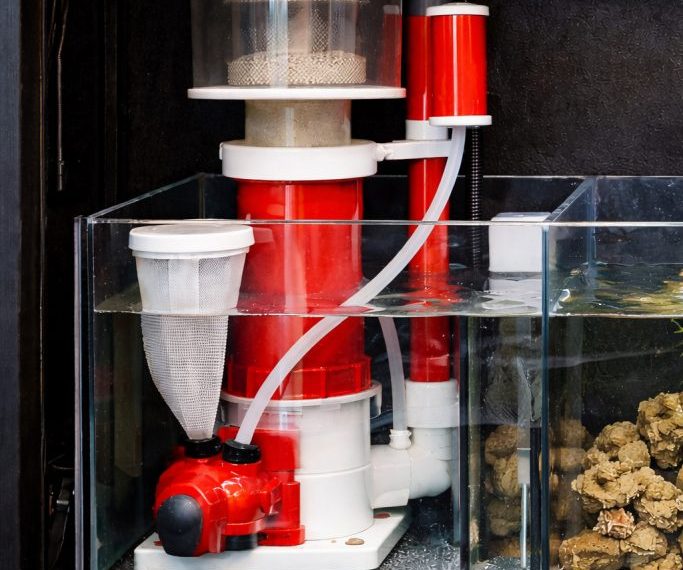
Protein Skimmer Reef Tank Guide
Learn how a protein skimmer works, how to size one, and how to tune it for a cleaner,…
 By
By
Reef Aquarium Water Parameters
Learn the ideal reef aquarium water parameters, safe ranges, and how to keep salinity, alkalinity, nutrients, and pH…