Why Some Marine Fish Are Considered “Difficult”
In the saltwater aquarium hobby, not all fish are created equal. Some species are hardy and forgiving, while others demand near-perfect water quality, specialized diets, and very specific tank mates. Understanding why certain marine fish are considered difficult can save you money, frustration, and—most importantly—the lives of the animals in your care.
Before adding any challenging species, make sure you’ve mastered the basics covered in our beginner saltwater fish and saltwater tank setup guide. A solid foundation dramatically increases your chances of success with advanced species.
Commonly Difficult Marine Fish (and Why)
1. Moorish Idol (Zanclus cornutus)
The Moorish Idol is one of the most iconic reef fish, but it’s also one of the least suitable for home aquariums.
- Feeding challenges: Many refuse prepared foods and slowly starve. They naturally graze on sponges, tunicates, and encrusting organisms that are hard to replicate.
- Space requirements: They are active swimmers and need a large, mature tank (180+ gallons) with extensive rockwork.
- Stress sensitivity: They ship poorly and are prone to disease when stressed.
Hobbyist tip: Most aquarists are better off choosing a hardier “look-alike” such as the Heniochus butterflyfish species instead.
2. Mandarins & Dragonets (Synchiropus spp.)
Mandarin dragonets are small, colorful, and peaceful—but notoriously difficult if their needs aren’t met.
- Diet: Wild mandarins eat copepods and other tiny crustaceans almost constantly. Many ignore flakes and pellets completely.
- Mature tank needed: They should only be added to established systems (ideally 1 year+ old) with a thriving pod population.
- Competition: Tank mates that also eat pods (like wrasses) can quickly outcompete them.
Hobbyist tips:
- Seed your tank and refugium with copepods months before adding a mandarin.
- Look for captive-bred mandarins that accept frozen or prepared foods when possible.
3. Copperband Butterflyfish (Chelmon rostratus)
Often purchased to control aiptasia, the Copperband Butterflyfish is delicate and easily stressed.
- Feeding: Many arrive emaciated and may only pick at live rock. Getting them onto frozen mysis or clams can be difficult.
- Tank maturity: Like mandarins, they benefit from mature, live-rock-heavy systems with natural food sources.
- Reef compatibility: They may nip at feather dusters, tube worms, and sometimes corals.
Hobbyist tip: Always observe a Copperband eating at the store if possible, and quarantine to monitor feeding and health before adding to your display tank.
How to Improve Your Chances with Difficult Species
Success with challenging marine fish is less about luck and more about preparation and patience.
- Research deeply: Use multiple sources and compare notes. Our reef fish compatibility guide is a good starting point for planning tank mates.
- Prioritize captive-bred: Captive-bred fish typically adapt better to aquarium life and prepared foods.
- Quarantine: A dedicated quarantine tank allows you to deworm, treat for parasites, and train fish to eat without competition.
- Stable parameters: Keep salinity, temperature, and nutrients consistent; difficult fish are less tolerant of swings.
- Feed variety: Offer frozen, live, and high-quality prepared foods to encourage reluctant eaters.
When in doubt, wait. If your system isn’t mature, or you’re still gaining experience, choose hardier alternatives and save the difficult species for later in your reefkeeping journey.
In summary, difficult marine fish species are usually demanding because of their specialized diets, sensitivity to stress, and need for large, stable, mature systems. With careful planning, honest self-assessment of your skill level, and a willingness to walk away from unsuitable specimens, you can enjoy a thriving aquarium and avoid many of the heartbreaks that come with these advanced species.
Sources
- Fenner, R. M. The Conscientious Marine Aquarist. Microcosm, 2001.
- Michael, S. Reef Fishes: A Guide to Their Identification, Behavior and Captive Care. Microcosm, 2001.
- Humane treatment and husbandry insights summarized from major online reef forums and public aquarium husbandry notes.
Was this helpful?
Related Posts
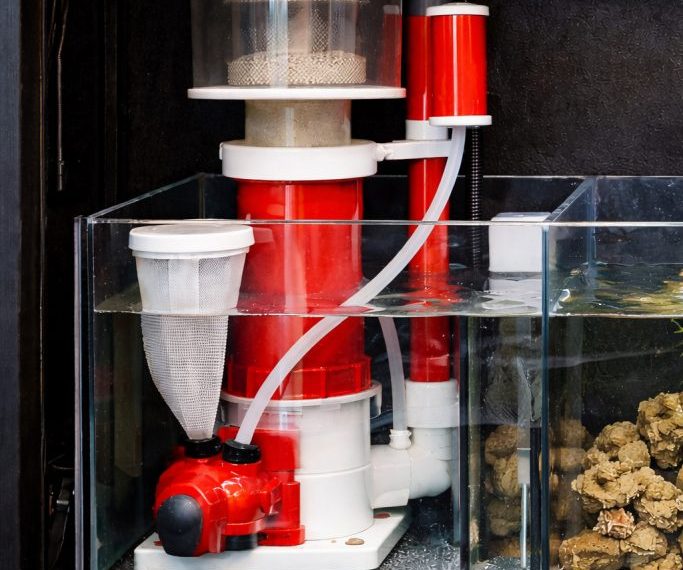
Protein Skimmer Reef Tank Guide
Learn how a protein skimmer works, how to size one, and how to tune it for a cleaner,…
 By
By
Reef Aquarium Water Parameters
Learn the ideal reef aquarium water parameters, safe ranges, and how to keep salinity, alkalinity, nutrients, and pH…