Blue Throat Triggerfish are hardy, striking reef fish with calmer manners. They still need planning. Good tank size, diet, and tankmates make or break success.
Natural behavior and what it means in your tank
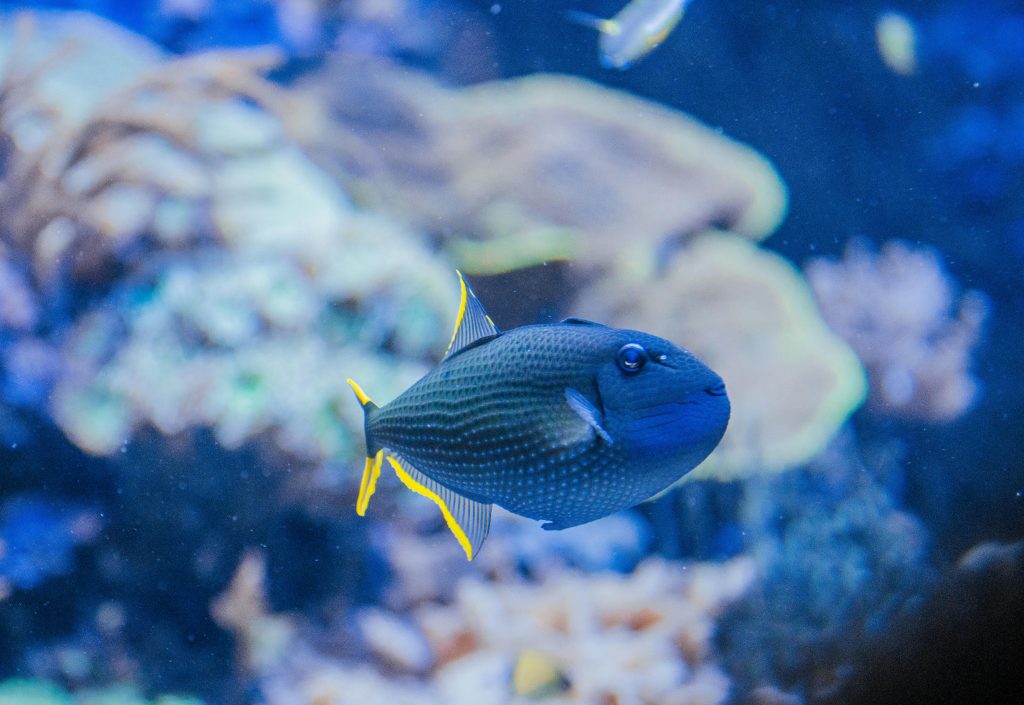
Xanthichthys auromarginatus is a plankton-feeding triggerfish. It spends time in open water. It also retreats to rockwork when stressed. This mix shapes your aquascape.
These triggers are often called “reef safer” than many triggers. They rarely pick at coral polyps. They can still eat small shrimp. They may also harass tiny crabs. Plan your clean-up crew around this risk.
Males show the blue throat and stronger yellow fin margins. Females look more subtle. Both can reach about 9 inches. Many settle closer to 7–8 inches in home tanks. Give them long swimming lanes.
They can jump when spooked. They also wedge into caves at night. Use stable rockwork on the glass bottom or on supports. Avoid loose piles that can shift.
- Build at least two caves, plus open water in front.
- Use a tight lid or mesh top with sealed gaps.
- Expect curiosity during feeding. Keep hands clear.
Tank size, parameters, and filtration targets
A 125-gallon tank is a strong minimum for one adult. A 180-gallon tank is better for long-term comfort. Choose a 6-foot tank when possible. It reduces pacing and aggression.
Keep salinity at 1.025–1.026 specific gravity. Hold temperature at 76–79°F. Aim for pH 8.1–8.4 and alkalinity 8–9 dKH. Keep nitrate under 20 ppm and phosphate under 0.10 ppm. Stability matters more than chasing perfect numbers.
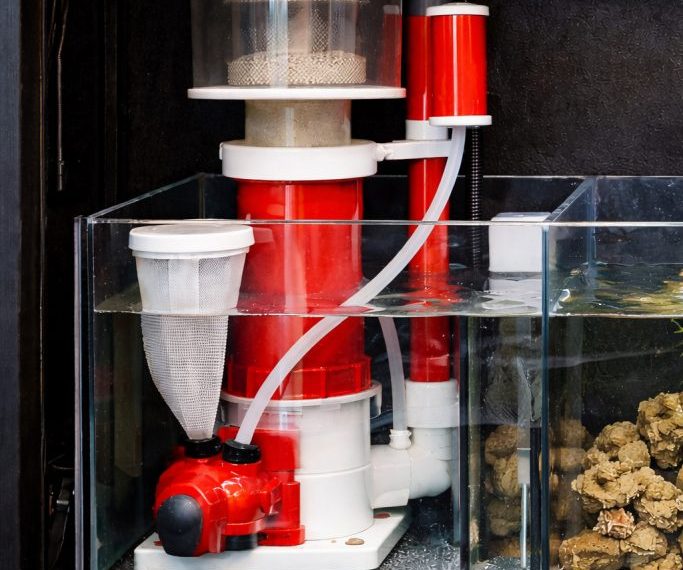
These fish eat heavily and produce heavy waste. Use an oversized skimmer. Target 1.5–2.0x your system volume rating. Add strong surface agitation for oxygen. Triggers can breathe hard when oxygen drops.
Quarantine is worth the time. Use a 20–40 gallon bare tank with PVC. Observe for 14–21 days. Watch for ich spots and rapid breathing. Reference your quarantine protocol for marine fish and keep notes daily.
- Run 10–20x turnover with mixed flow, not a sandstorm.
- Do 10% weekly water changes, or 20% every two weeks.
- Use a feeding ring to reduce food drifting into overflows.
Feeding, tankmates, and common problems
Blue Throats are planktivores, so feed like a midwater predator. Offer small portions 2–3 times daily. Use frozen mysis, brine with enrichment, and finely chopped shrimp. Add quality pellets as a staple. Soak foods in vitamins once or twice weekly.
Good tankmates include tangs, rabbitfish, larger wrasses, and peaceful angels. Avoid tiny gobies if you see hunting behavior. Skip aggressive triggers and large dottybacks in smaller systems. Add the trigger after shy fish settle. This reduces territory claims.
Most issues come from underfeeding or cramped space. Underfed triggers may nip at shrimp or new fish. In small tanks they may chase tankmates. Increase feeding frequency first. Then reassess aquascape and line-of-sight breaks.
Another common problem is bloat from gulping air during fast feeding. Use smaller pieces and slower delivery. Try a turkey baster and spread food across the tank. For more on steady nutrition, see feeding marine fish: frozen vs pellets. For compatibility planning, review reef tank mate compatibility guide.
- Feed 2–3 times daily, with portions eaten in 30–60 seconds.
- Remove uneaten food after 5 minutes to protect nitrate.
- Watch for frayed fins, hiding, or heavy breathing after lights out.
Blue Throat Triggerfish can be a standout centerpiece in a reef-friendly fish list. Give them space, oxygen, and frequent small meals. Pair them with confident tankmates and stable parameters. You will get bold color and calm behavior for years.
Sources: FishBase (Xanthichthys auromarginatus species profile); Scott W. Michael, “Marine Fishes”; Julian Sprung, “The Reef Aquarium” (husbandry and water quality guidance)
Was this helpful?
Related Posts
Protein Skimmer Reef Tank Guide
Learn how a protein skimmer works, how to size one, and how to tune it for a cleaner,…
 By
By
Reef Aquarium Water Parameters
Learn the ideal reef aquarium water parameters, safe ranges, and how to keep salinity, alkalinity, nutrients, and pH…