

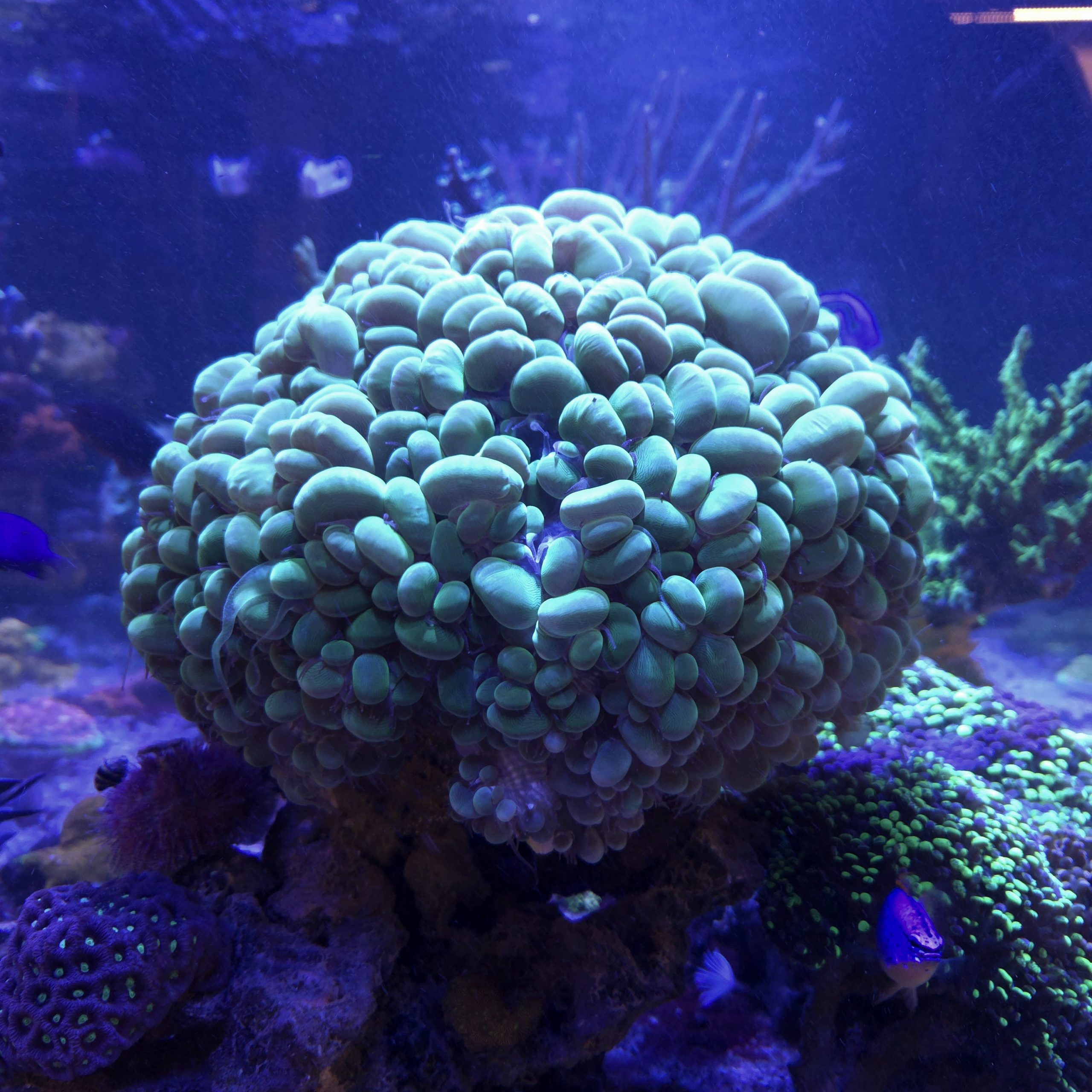
Bubble coral care is simple when you give this LPS coral stable water, moderate light, and gentle flow. Plerogyra can thrive in mixed reefs, but it needs space from neighbors and careful placement to prevent tissue damage and stings.
Bubble corals are famous for their inflated vesicles and soft, flowing look. They often become a centerpiece in beginner and intermediate reef tanks. They are also misunderstood. Many losses happen from too much light, too much flow, or aggressive coral placement. In this guide, you will learn how to keep bubble coral healthy, where to place it, how to feed it, and how to solve common problems before they become serious.
Quick Reference Table
| Common name | Bubble Coral |
| Scientific genus | Plerogyra |
| Care level | Moderate |
| Temperament | Aggressive toward nearby corals |
| Lighting | Low to moderate |
| Water flow | Low to moderate, indirect |
| Placement | Lower to middle rockwork or sand-adjacent ledge |
| Feeding | Photosynthetic, benefits from meaty foods |
| Temperature | 76–79°F |
| Salinity | 1.025–1.026 specific gravity |
| Alkalinity | 8–9.5 dKH |
| Calcium | 420–460 ppm |
| Magnesium | 1280–1400 ppm |
| Nitrate | 2–15 ppm |
| Phosphate | 0.03–0.10 ppm |
These numbers are targets, not rigid rules. Stability matters more than chasing perfect values. Bubble corals usually respond badly to fast swings in alkalinity, salinity, and temperature.
What Is a Bubble Coral?
Bubble coral refers to large polyp stony corals in the genus Plerogyra. The most common species in aquariums is Plerogyra sinuosa. During the day, it inflates bubble-like vesicles. These help shade the coral and increase surface area for light capture. At night, the bubbles usually retract, and feeding tentacles extend.
This coral has a hard skeleton under soft tissue. That skeleton is sharp and fragile. If the tissue rubs against rock, sand, or another coral, injury can happen quickly. That is why placement is so important. Bubble corals can grow into large colonies over time. A small frag can become a broad, fleshy display coral when conditions stay stable.
If you enjoy fleshy LPS corals, you may also like Acan coral care, Hammer coral care, and Torch coral care.
Natural Habitat
Bubble corals occur across the Indo-Pacific. They are found on reef slopes, protected reef areas, and lagoons. Many colonies live in places with moderate light and gentle to moderate water movement. They are not usually exposed to the strongest surge zones.
In nature, their inflated tissue helps protect the skeleton and manage light exposure. They often expand fully during the day in calmer conditions. At night, they send out feeding tentacles to catch plankton and suspended food. This behavior explains why many aquarium specimens accept target feeding after lights dim.
Knowing the natural habitat helps with placement. Bubble corals do not want blasting flow. They also do not need intense SPS-level lighting. Think of them as a coral that likes stable, nutrient-balanced water and a calm spot to expand safely.
Aquarium Setup
A mature reef tank is best for bubble coral. New tanks often swing too much. A tank of 20 gallons can hold a small specimen, but 40 gallons or more is better. Larger systems are more stable. They also give this coral the space it needs.
Place bubble coral where its tissue cannot touch rock edges when inflated. Many hobbyists use a lower ledge with open space around the colony. Some keepers place it near the sand, but not directly where sand can blow into the tissue. The skeleton should sit securely. Wobbling causes damage over time.
Leave several inches between bubble coral and other corals. More space is safer. At night, sweepers can extend and sting nearby neighbors. Avoid packing it into a crowded mixed reef. If you are planning a peaceful LPS layout, read reef tank aquascaping tips for spacing ideas.
Lighting Requirements
Bubble coral prefers low to moderate light. In many tanks, a PAR range of about 50 to 150 works well. Some established colonies adapt to more light, but sudden exposure often causes stress. Bleaching, poor inflation, and tissue recession can follow.
Start new specimens low in the tank. Then watch the coral for two weeks. Healthy bubble coral usually inflates during the day. If the bubbles stay tiny or the tissue looks tight, light may be too strong. If the coral stretches upward or loses color slowly, light may be too weak.
Use light acclimation whenever you add a new coral or upgrade fixtures. Reduce intensity first. Then increase slowly over one to three weeks. This simple step prevents many losses. Bubble corals can adapt, but they do not like abrupt changes.
Water Flow
Gentle, indirect flow is ideal. The tissue should sway slightly, not whip around. Strong direct flow can tear the bubbles against the skeleton. It can also prevent full inflation. Weak flow, however, can allow detritus to settle and irritate the coral.
A good test is visual. If the vesicles look smooth and full, flow is often right. If they collapse on one side, flutter hard, or stay withdrawn, adjust the powerhead. Random flow patterns usually work better than a constant stream aimed at the coral.
Keep an eye on nearby pumps after maintenance. A bumped nozzle can change flow overnight. Many coral problems begin with simple equipment shifts. Bubble coral often shows that stress quickly through reduced expansion.
Water Chemistry and Stability
Bubble coral grows a calcium carbonate skeleton, so stable alkalinity, calcium, and magnesium are important. Aim for alkalinity between 8 and 9.5 dKH. Keep calcium around 420 to 460 ppm. Magnesium should stay near 1280 to 1400 ppm.
Nutrients should not be zero. Very clean water can starve fleshy LPS corals. Nitrate between 2 and 15 ppm is usually fine. Phosphate between 0.03 and 0.10 ppm supports healthy color and metabolism. Sudden drops from aggressive filtration can cause stress.
Test regularly and avoid big corrections. If alkalinity swings daily, solve the dosing issue first. If salinity creeps up from evaporation, fix top-off consistency. Stable parameters grow corals faster than constant chasing. For a deeper look, see reef tank water parameters.
Feeding
Bubble coral is photosynthetic, but feeding helps growth and recovery. Offer small meaty foods once or twice each week. Mysis shrimp, finely chopped seafood, enriched brine, and quality coral foods all work. Feed after lights dim if possible. That is when feeding tentacles often extend.
Use a turkey baster or feeding tool. Gently place food on the tentacles or oral area. Do not blast the coral. Turn off strong flow for a few minutes so the food stays in place. If fish or shrimp steal food, try feeding the tank first. Then target feed the coral.
Do not overfeed. Large chunks can rot on the tissue. That causes irritation and nutrient spikes. Small portions are safer. A healthy bubble coral can live without target feeding, but regular feeding often improves inflation, color, and skeletal growth.
Compatibility
Bubble coral is not a passive neighbor. It can sting nearby corals, especially at night. Keep it away from Euphyllia, acans, zoanthids, chalices, and SPS colonies. Even if daytime spacing looks fine, nighttime sweepers can reach farther than expected.
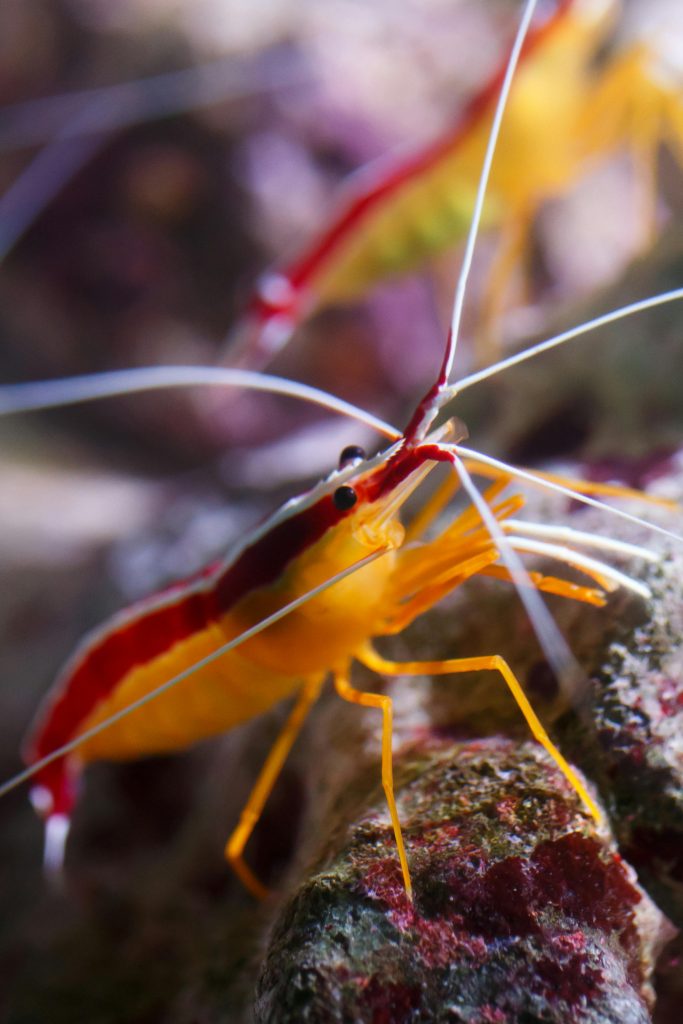
Most reef-safe fish ignore bubble coral. Still, some angels and butterflyfish may nip the tissue. Large hermit crabs can irritate it while climbing. Peppermint shrimp and cleaner shrimp may steal food, but they rarely cause lasting damage unless the coral is already weak.
Be careful with clownfish. Some clowns try to host fleshy LPS corals. Constant rubbing can keep the coral closed and injured. If a clown chooses your bubble coral, watch closely. In small tanks, the coral may need to be moved or protected.
Propagation and Fragging
Can Bubble Coral Be Fragged?
Yes, but it is not a beginner fragging coral. The skeleton can be cut between heads if the colony has clear separation points. Tissue damage is the main risk. Many hobbyists prefer to buy naturally divided pieces rather than cut large healthy colonies.
How Hobbyists Frag It
Fragging is usually done with a band saw or rotary tool. The coral should be fully retracted first. Never cut through inflated tissue. Identify the skeletal branches or valleys between heads. Make the cleanest cut possible. Then rinse the frag in clean saltwater and place it in low flow to recover.
Recovery After Fragging
Fresh cuts are vulnerable to infection and recession. Keep water quality stable and avoid aggressive dipping unless needed. Many hobbyists use iodine-based coral dips only when damage or infection appears. During recovery, use lower light and gentle flow. Feeding can resume once the tissue looks settled.
Common Problems
Bubble Coral Not Inflating
This is one of the most common concerns. The usual causes are too much light, too much flow, unstable alkalinity, or recent stress from transport. Check for tissue rubbing on rock. Test salinity and alkalinity first. Then reduce direct flow and give the coral several days to adjust.
Tissue Recession or Exposed Skeleton
Recession often points to physical damage, bacterial stress, poor water quality, or coral warfare. Inspect the colony at night for stings from neighbors. Look for hidden crabs or nipping fish. Improve stability and move the coral if needed. If recession continues, a dip may help, but correcting the cause matters most.
Bleaching or Fading Color
Bleaching usually follows excess light or sudden parameter changes. Move the coral lower and reduce intensity. Keep nutrients from bottoming out. A pale bubble coral in ultra-low nutrient water often needs both gentler light and a more balanced feeding plan.
Brown Jelly or Rapid Tissue Loss
Brown jelly disease can affect LPS corals quickly. Remove the coral from strong flow and inspect the damaged area. Siphon away loose material. Many keepers use an iodine dip and isolate the colony from others. Improve export and avoid spreading infected water around the tank.
Step-by-Step Placement Guide
First, inspect the coral before adding it. Look for full tissue coverage and no sharp tears. Second, acclimate temperature and salinity carefully. Third, place the coral in a low to moderate light area with indirect flow. Fourth, leave open space around it for expansion. Fifth, observe it daily for the first two weeks.
If the coral inflates well, keep it in place. If it stays tight, reduce flow or light before moving it repeatedly. Constant relocation creates more stress. Once settled, maintain stable chemistry and feed lightly once or twice each week. This simple approach works better than constant tinkering.
Frequently Asked Questions
Is bubble coral good for beginners?
It can be, if the tank is stable. It is easier than many SPS corals. It is less forgiving than some soft corals. Beginners succeed when they avoid strong light, strong flow, and crowded placement.
How fast does bubble coral grow?
Growth is usually moderate. Stable alkalinity, regular feeding, and proper placement improve growth. In poor conditions, it may survive for months without adding much skeleton.
Can bubble coral touch other corals?
No. It should have its own space. Nighttime sweeper tentacles can sting nearby corals and cause tissue loss on both sides.
Does bubble coral need feeding?
It does not require target feeding to survive in many tanks. Still, feeding small meaty foods often improves growth, recovery, and fullness.
Why does my bubble coral shrink at night?
That is normal. Many bubble corals retract their vesicles after dark. They often extend feeding tentacles instead. Nighttime shrinking alone is not a problem.
Final Tips for Long-Term Success
Bubble coral rewards patience. Give it stable water, room to expand, and calm flow. Avoid chasing numbers and avoid touching the tissue. Most problems start from stress, not mystery. If your coral looks unhappy, check the basics first. Light, flow, spacing, and stability solve most issues. Once established, bubble coral becomes one of the most striking LPS corals in a reef tank.
Was this helpful?
Related Posts
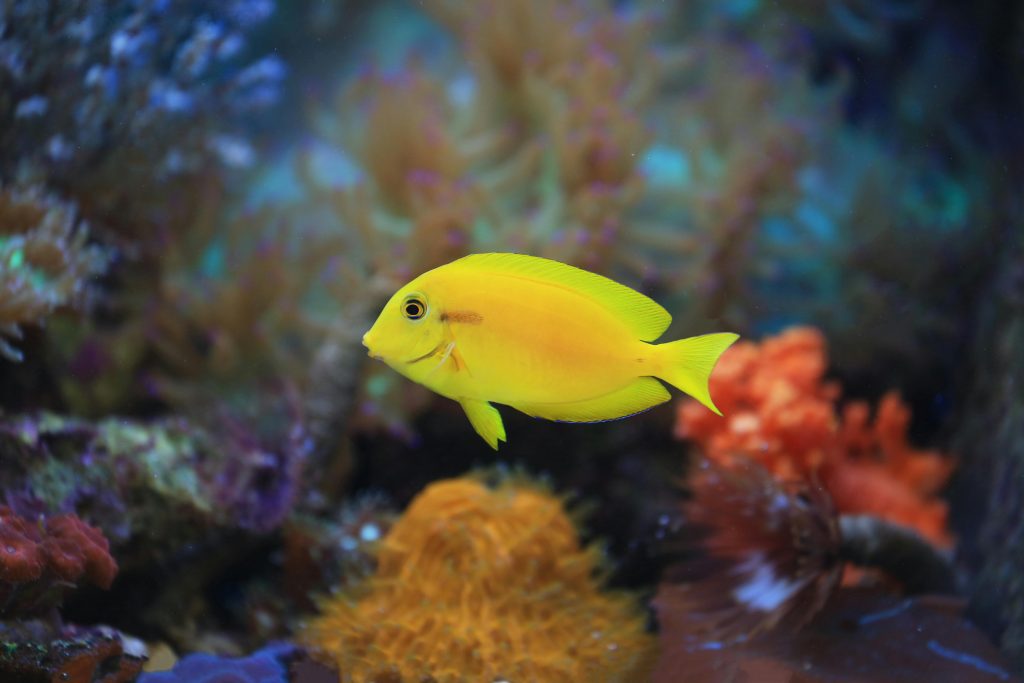
Juvenile Orange Shoulder (acanthurus Olivaceus)
Juvenile orange shoulder tangs are bright, hardy, and reef safe, but they grow large and need a spacious…
 By
By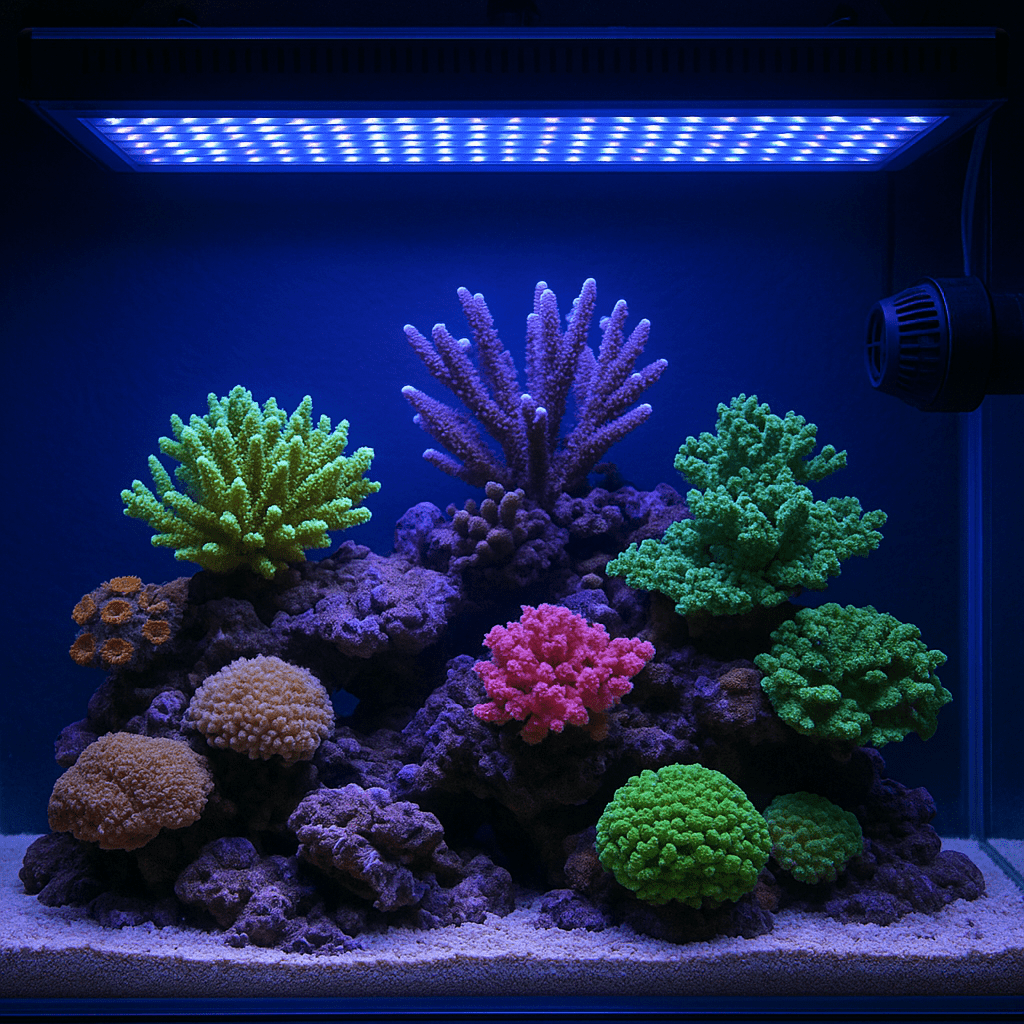
Best Filtration Systems
Best Filtration Systems for a Healthy Saltwater Aquarium Choosing the best filtration system for your saltwater aquarium is…
[favorite_button]
My Bookmarks:
To see full list click here
[user_favorites user_id="" include_links="true" site_id="" post_types="" include_thumbnails="true" thumbnail_size="thumbnail" include_excerpt="false"]