Building A Stable Reef Tank
Stability is the secret ingredient behind every thriving reef aquarium. You can buy the best lights, rare corals, and fancy equipment, but if your tank parameters swing wildly, you’ll fight algae, coral loss, and constant frustration. Building a stable reef tank means creating a system that changes slowly and predictably, so fish and corals can adapt and flourish.
Start With a Solid Foundation
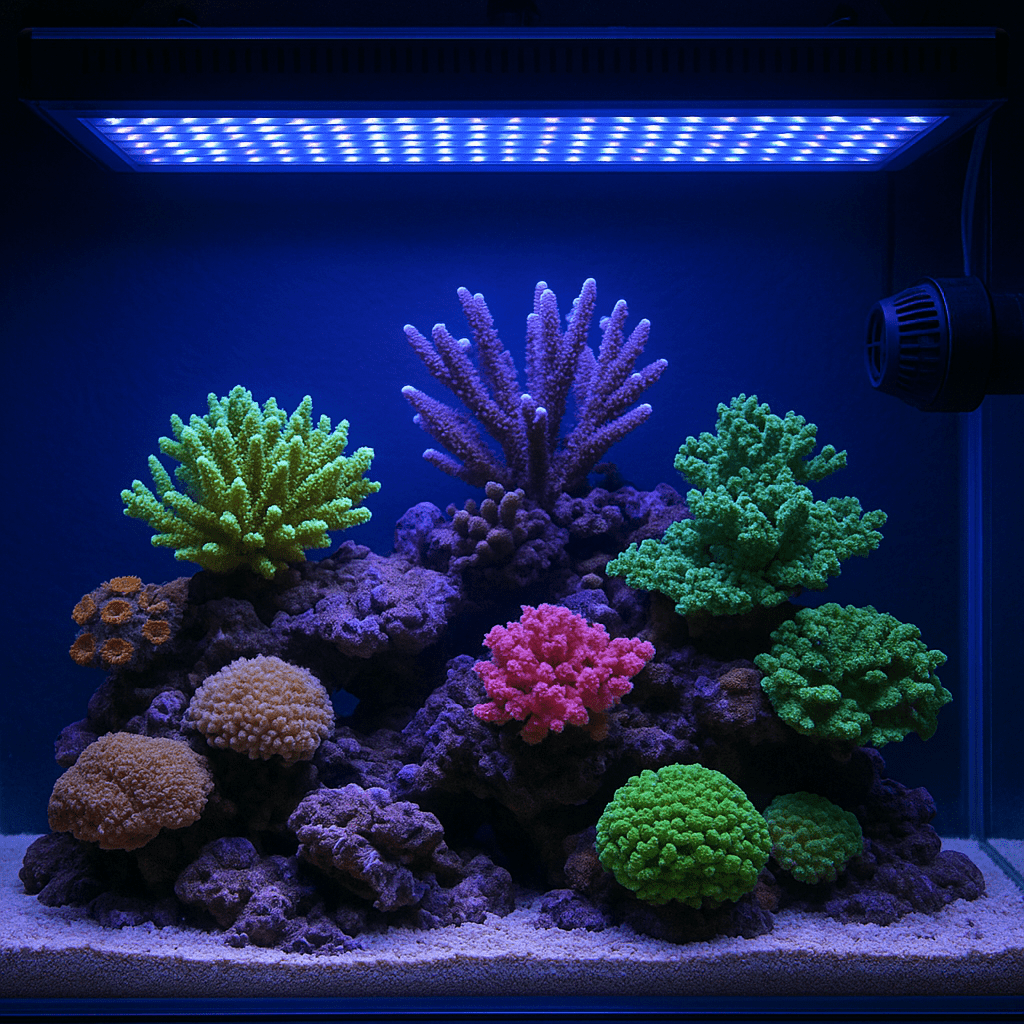
Before you add a single fish or coral, plan your system around stability. A thoughtful setup makes long-term success much easier.
Tank Size and Equipment
- Choose adequate volume: Larger tanks are more forgiving. A 40–75 gallon reef offers a good balance of stability and manageable maintenance.
- Use a sump if possible: Extra water volume, room for filtration, and a place to hide gear all support a steadier system.
- Invest in a reliable heater and controller: Temperature swings are reef killers. Aim for 77–79°F with minimal daily fluctuation.
- Pick proven lighting: Stable, consistent light intensity and spectrum matter more than chasing the newest gadget.
If you’re still planning your build, our guide on choosing your first reef tank walks through tank sizes, layouts, and essential gear in more detail.
Rock, Sand, and Filtration
- Use quality live rock or dry rock: This becomes your biological filter, converting toxic ammonia and nitrite into less harmful nitrate.
- Go slow with sand: A shallow sand bed (1–2 inches) is easier to keep clean and stable for most beginners.
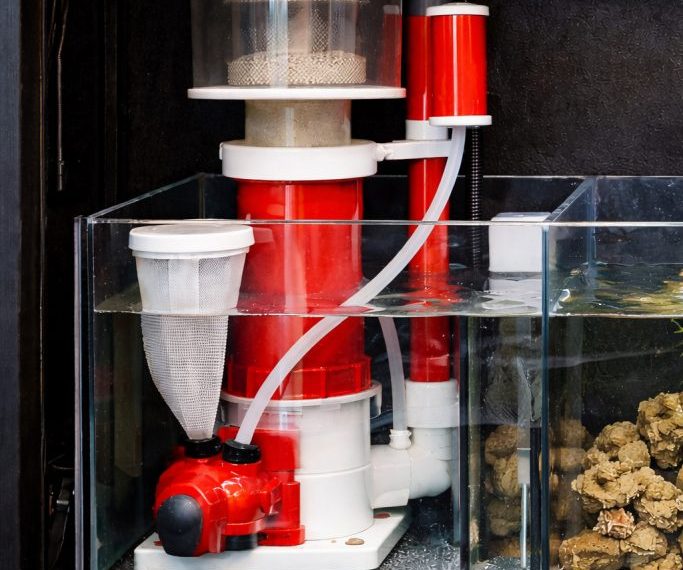
- Match your filtration to your goals: A protein skimmer, filter socks, and a refugium or media reactor can all help keep nutrients predictable.
Mastering Water Parameters and Routine
Stable reef tanks are built on consistent parameters, not perfect numbers. Pick reasonable targets and keep them as steady as you can.
Key Parameters to Keep Steady
- Salinity: 1.025–1.026 specific gravity, checked with a calibrated refractometer.
- Temperature: 77–79°F with less than 1°F swing daily.
- Alkalinity: 8–9.5 dKH is a great range for most mixed reefs.
- Calcium: 400–450 ppm; Magnesium: 1250–1400 ppm.
- Nitrate and phosphate: Keep them low but not zero; many healthy reefs run 5–15 ppm nitrate and 0.03–0.1 ppm phosphate.
Simple Habits That Build Stability
- Top off with fresh RO/DI water daily: This prevents salinity creep as water evaporates.
- Perform small, regular water changes: 10–15% weekly or biweekly is more stable than big, infrequent changes.
- Test consistently: Test the same day and time each week so you can spot trends, not just random snapshots.
- Automate where it helps: Auto top-off systems and dosing pumps can greatly reduce parameter swings.
When you’re ready to start adding livestock, check our beginner reef fish stocking list so you can add hardy, compatible species slowly and safely.
Patience, Observation, and Long-Term Success
Reef tanks don’t become stable overnight. The first 6–12 months are often the “ugly phase,” with algae blooms and shifting nutrient levels as the system matures.
Tip: Make one change at a time, then wait and observe. Rapid, stacked changes almost always lead to instability.
- Quarantine new fish and corals to avoid introducing pests and diseases that can stress your system.
- Feed consistently rather than heavily; overfeeding is a common cause of nutrient swings.
- Keep a simple log of test results, livestock additions, and equipment changes to help you understand cause and effect.
Over time, you’ll notice your reef responding predictably: corals extend polyps daily, algae growth stabilizes, and fish behave calmly. That’s the hallmark of a truly stable reef tank. By planning a solid foundation, keeping parameters steady, and making slow, thoughtful adjustments, you’ll build a system that not only looks beautiful but remains healthy and resilient for years.
Sources
- Sprung, J. & Delbeek, J. C. The Reef Aquarium, Volumes 1–3.
- Fenner, R. The Conscientious Marine Aquarist.
- Randy Holmes-Farley, articles on reef chemistry and stability.
For more foundational help, see our overview on saltwater aquarium basics to connect all the pieces of your reef system.
Was this helpful?
Related Posts
Protein Skimmer Reef Tank Guide
Learn how a protein skimmer works, how to size one, and how to tune it for a cleaner,…
 By
By
Reef Aquarium Water Parameters
Learn the ideal reef aquarium water parameters, safe ranges, and how to keep salinity, alkalinity, nutrients, and pH…