

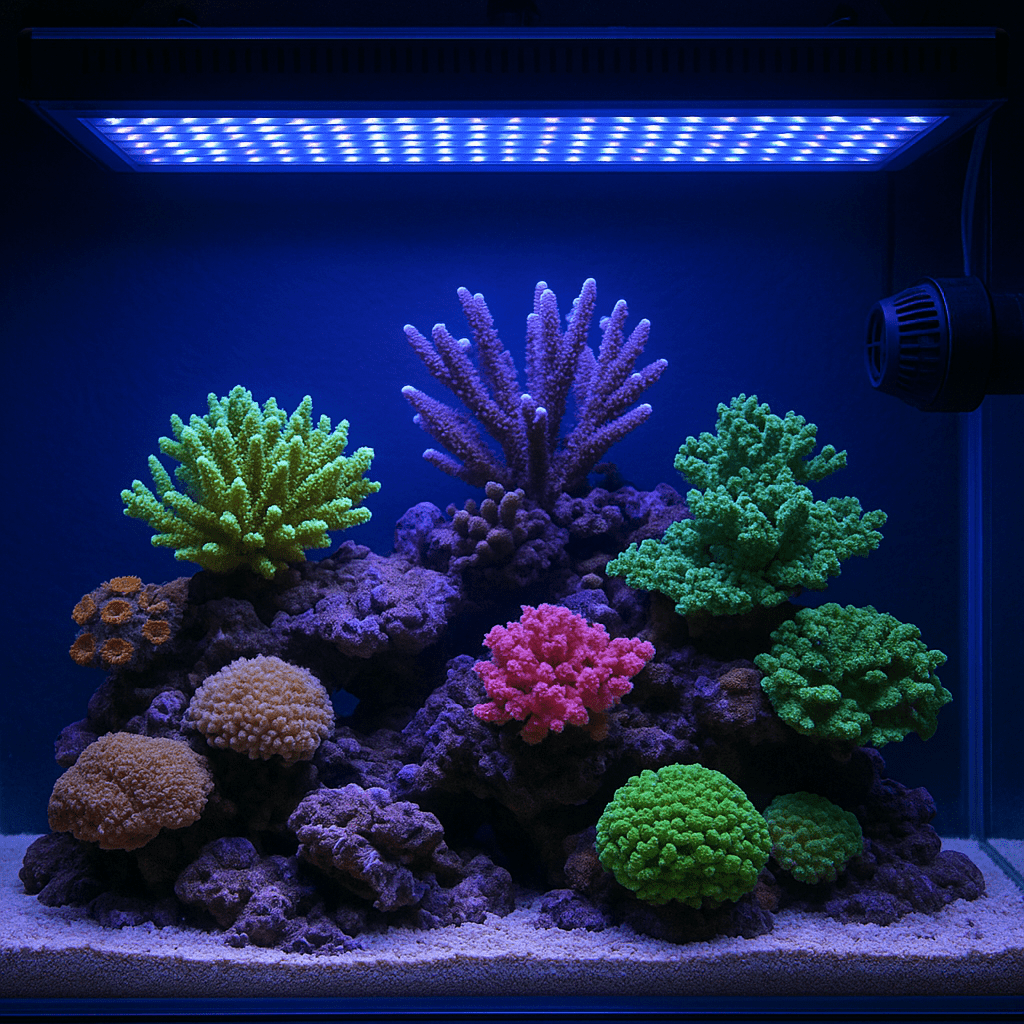
Choosing your first saltwater aquarium is easier when you match the tank to your budget, space, and experience. Most beginners do best with a medium-sized reef-ready tank, simple equipment, and a realistic stocking plan. That approach gives you better stability, fewer mistakes, and a much smoother start.
Many new hobbyists focus on fish first. That is understandable. The display is the exciting part. Yet the best first saltwater aquarium is not always the smallest or cheapest option. Saltwater systems reward stability. Stability usually comes from good equipment, enough water volume, and a plan that fits your maintenance routine. In this guide, you will learn how to choose the right tank size, shape, filtration, and livestock style for your first marine setup. You will also see common beginner mistakes and how to avoid them before you spend money.
Quick Reference Table
| Decision | Best Beginner Choice | Why It Works |
|---|---|---|
| Tank size | 40 to 75 gallons | More stable than nano tanks |
| Tank type | Reef-ready with overflow | Cleaner look and better filtration options |
| Shape | Standard rectangle | Easier aquascaping and better flow |
| Filtration | Sump plus protein skimmer | Improves export and equipment access |
| Lighting | Moderate LED reef light | Flexible for fish-only or beginner corals |
| Flow | Two controllable wave pumps | Better circulation and fewer dead spots |
| Livestock style | Fish-only or soft coral reef | Lower demand and easier care |
| Rock choice | Dry rock with some seeded media | Lower pest risk and easier planning |
| Substrate | Shallow sand bed | Easy to clean and beginner friendly |
| Maintenance goal | Weekly water changes | Keeps nutrients and trace elements balanced |
Use this table as your starting point. It will not replace research. It will help you narrow your options fast. Most successful first tanks follow this pattern because it balances cost, simplicity, and room for growth.
Why Tank Choice Matters So Much
Your first tank sets the tone for the hobby. A good setup feels manageable. A poor setup feels like a constant problem. Many beginners buy very small tanks because they seem less expensive. That often backfires. Small tanks change fast. Salinity swings faster. Temperature shifts faster. Nutrient spikes happen faster. Fish also have less room to avoid stress.
A larger beginner tank gives you more margin for error. It also gives you more stocking flexibility later. You can keep peaceful fish, add cleanup crew members, and try beginner corals without feeling cramped. Tank choice also affects equipment cost. Some all-in-one tanks look simple, but replacement parts can be expensive. Standard tanks often give you more freedom. You can upgrade pumps, skimmers, and lighting over time. If you want a strong foundation, choose a system that is stable, serviceable, and easy to maintain.
Best Tank Size for a First Saltwater Aquarium
For most beginners, 40 to 75 gallons is the sweet spot. That range offers better stability than nano tanks. It still fits in many homes. It also keeps equipment costs within reason. A 20-gallon marine tank can work, but it demands tighter control. Evaporation matters more. Missed maintenance has a bigger impact. Fish options are also limited.
A 40 breeder is a favorite beginner size for good reason. It has strong front-to-back depth. That helps with aquascaping. It also provides room for rock islands and open sand. A 55-gallon tank holds more water, but it is narrow. That shape can make rockwork awkward. A 75-gallon tank is excellent if your budget allows it. It offers good swimming space and broad livestock choices. If you are unsure, avoid going too small. The easiest first saltwater aquarium is usually medium-sized, not tiny.
All-in-One vs Reef-Ready vs Standard Tank
You have three common paths. Each one has pros and cons. An all-in-one tank has rear filtration chambers built in. It looks clean and compact. It is easy to set up. It works well for small fish-only tanks or simple coral systems. The downside is limited equipment space. Rear chambers can also be harder to clean.
A reef-ready tank has a drilled overflow. Water drains to a sump below. This is often the best long-term option. You gain more water volume, better gas exchange, and room for a skimmer, heater, and filter media. Maintenance is easier because equipment stays out of sight. A standard undrilled tank can still work. Many beginners use hang-on-back filters and skimmers successfully. That route is usually cheaper at the start. It is less flexible later. If your budget supports it, a reef-ready tank with sump is the strongest first choice.
Aquarium Setup
Tank size is only part of the decision. The setup around it matters just as much. Place the aquarium on a level stand rated for the full weight. Keep it away from direct sunlight and HVAC vents. Saltwater tanks dislike heat swings and bright sun. Both can fuel algae and stress livestock.
Choose a standard rectangular shape if possible. It gives you better flow patterns and easier aquascaping. Add enough open space around the tank for maintenance. You will need room for buckets, test kits, and cleaning tools. For aquascaping, keep rockwork stable and open. Do not build one solid wall. Leave channels for flow and fish movement. A shallow sand bed is usually easiest for beginners. It looks natural and traps less waste than deep beds. If you want more setup help, see our guides on reef tank setup checklist and live rock for reef tanks.
Essential Equipment for a Beginner Saltwater Tank
Good equipment reduces frustration. It does not need to be the most expensive gear. It needs to be reliable. Start with a quality heater and a separate thermometer. Heater failures are common. Always verify temperature independently. Use an auto top-off system if possible. Evaporation changes salinity. An auto top-off keeps it stable.
For filtration, a protein skimmer helps a lot on most systems. It removes waste before it breaks down. You also need strong water movement. Two small wave pumps are usually better than one large pump. They create more varied flow and reduce dead spots. For lighting, buy based on your plan. Fish-only tanks need simple lighting. Reef tanks need a capable LED fixture. Even if you start fish-only, many hobbyists add corals later. Buying a moderate reef-capable light can save money long term. Use RO/DI water from day one. It prevents many nuisance algae and water chemistry problems.
Lighting Requirements
Lighting needs depend on your goals. If you want a fish-only tank, lighting is mostly for viewing. You do not need high PAR or advanced programming. A simple marine LED is enough. If you want corals later, choose a reef light now. That avoids a second purchase. Most beginners do well with soft corals and some LPS. Those corals usually prefer moderate light.
Avoid blasting a new tank with intense light. Strong light plus immature biology often leads to algae. Start with a shorter photoperiod. Eight hours is reasonable for many new systems. Increase slowly as the tank matures and coral demand rises. Keep the light schedule consistent. Sudden changes can stress corals and fuel nuisance growth. If you need help selecting beginner-friendly corals, read best beginner corals. Matching your light to your livestock plan is one of the smartest choices you can make early.
Water Flow
Flow is often overlooked by beginners. It should not be. Good flow keeps oxygen high and waste suspended. It also helps corals shed mucus and receive nutrients. Poor flow creates dead spots behind rockwork. Detritus settles there. That can drive algae and cyanobacteria.
For a first tank, use two controllable pumps on opposite sides. Aim for broad, indirect movement. You want the water moving, not blasting one area. Fish should swim comfortably. Sand should stay mostly in place. Corals, if present, should sway rather than fold over. Flow needs change with coral type. Soft corals enjoy moderate, changing flow. Many LPS prefer moderate flow with no direct jet. SPS corals need stronger, more chaotic movement. Start with a flexible pump setup. That gives you room to adjust as your reef grows.
Choosing Fish, Corals, and Invertebrates
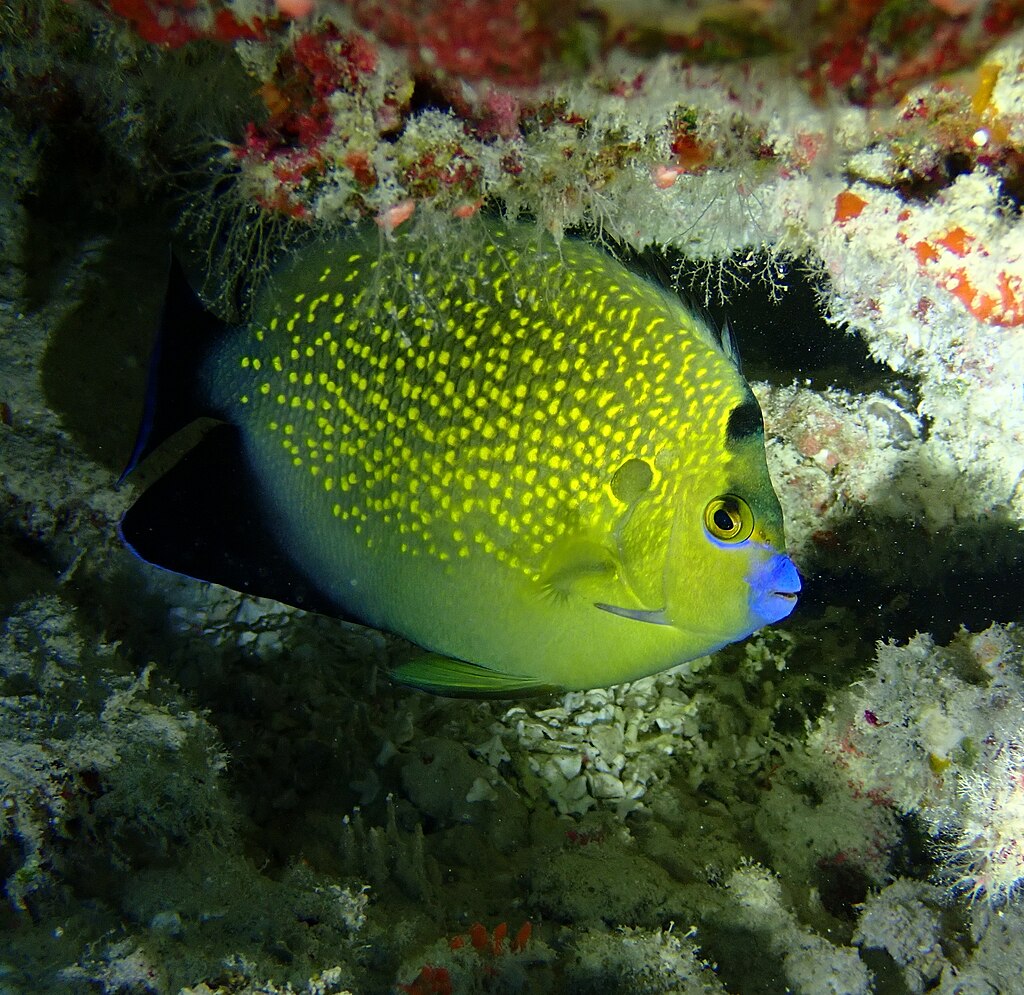
Your first livestock should match your tank size and skill level. Resist the urge to buy fast. Start with hardy, peaceful fish. Good beginner choices include clownfish, royal grammas, firefish, and watchman gobies. Avoid fish that outgrow the tank. Also avoid species with specialized diets or strong aggression. That includes many tangs, mandarins, and large angelfish.
If you want a reef, begin with soft corals. Zoanthids, mushrooms, and many leather corals are forgiving. Some LPS, like candy cane coral, can also work well. Add a cleanup crew slowly. Snails, small hermits, and shrimp can help, but they are not a substitute for maintenance. Every animal adds bioload. Stock in stages and test often. Quarantine is strongly recommended. It protects your display from ich, velvet, and bacterial issues. For fish planning, our reef-safe fish guide can help you build a compatible stocking list.
Step-by-Step: How to Choose the Right First Saltwater Aquarium
Step one is defining your goal. Decide if you want fish-only, a soft coral reef, or a mixed reef later. Step two is setting a full budget. Include the tank, stand, rock, salt, test kits, and maintenance gear. Step three is choosing the largest practical tank for your space. Medium systems are usually easiest.
Step four is picking the filtration style. A reef-ready tank with sump is ideal. Step five is planning equipment around your livestock goals. Buy for the tank you want in six months, not only day one. Step six is choosing hardy livestock with compatible behavior and care needs. Step seven is planning maintenance before setup. Know how you will make water, top off evaporation, and perform water changes. This step matters more than most beginners realize. The best tank is the one you can maintain consistently every week.
Common Problems
Why do small saltwater tanks seem harder?
Small tanks change fast. A little evaporation can shift salinity. A missed water change can raise nutrients quickly. Temperature swings are also sharper. If your first tank feels unstable, size may be part of the issue. Use an auto top-off, test often, and avoid overstocking.
Why is my new tank covered in algae?
New tanks go through ugly stages. Diatoms, green film, and other blooms are common. Strong light, excess nutrients, and poor source water make them worse. Use RO/DI water, feed lightly, and keep up with maintenance. Give the tank time to mature. Do not chase every bloom with chemicals.
Why are my fish stressed after setup?
Stress often comes from poor acclimation, aggression, or unstable parameters. Test salinity and temperature first. Check ammonia if the tank is newly cycled. Add hiding spots and reduce sudden lighting changes. Stock peaceful fish first. Aggressive species should come later, if at all.
Why does my budget keep growing?
Saltwater aquariums have hidden startup costs. Test kits, mixing containers, and RO/DI water add up. Many hobbyists also upgrade cheap gear twice. Buy reliable essentials first. Skip gimmicks. A simple, stable system usually outperforms a flashy one with poor equipment choices.
Frequently Asked Questions
What is the best first saltwater aquarium size?
For most people, 40 to 75 gallons is best. It offers stability without becoming unmanageable.
Is a nano reef good for beginners?
It can work, but it is less forgiving. Beginners usually have an easier time with a medium-sized tank.
Should I choose fish-only or reef for my first tank?
A fish-only tank is simpler. A soft coral reef is also realistic if you buy proper lighting and keep parameters stable.
Do I need a sump on my first saltwater aquarium?
No, but it helps a lot. A sump adds water volume, hides equipment, and improves filtration flexibility.
How long should I wait before adding fish?
Wait until the tank is fully cycled and stable. That often takes several weeks, depending on your method.
Final Thoughts
The best first saltwater aquarium is not the smallest tank or the fanciest brand. It is the setup that gives you stability, room to learn, and a maintenance routine you can sustain. For most hobbyists, that means a 40 to 75 gallon rectangular tank, reliable equipment, simple livestock, and patience. Start with a clear plan. Build slowly. Make each choice support long-term success. If you do that, your first marine tank can become a healthy reef instead of a short-lived experiment.
Was this helpful?
Related Posts
Best Filtration Systems
Best Filtration Systems for a Healthy Saltwater Aquarium Choosing the best filtration system for your saltwater aquarium is…
 By
By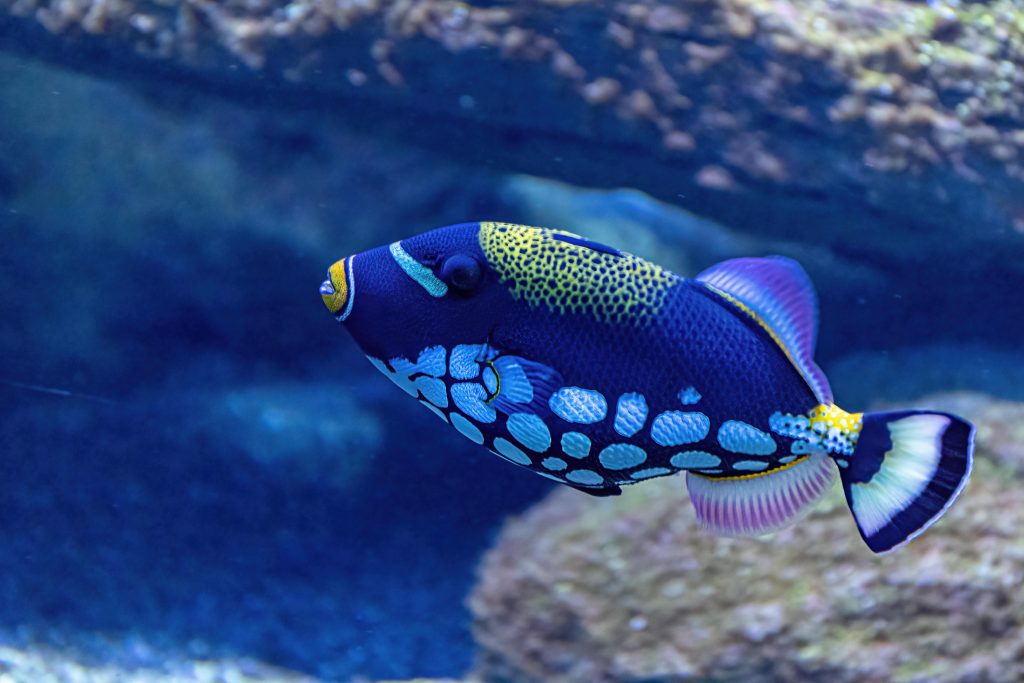
Clown Triggerfish (Balistoides Conspicillum)
Clown triggerfish are stunning but aggressive marine fish that need very large tanks, strong filtration, and careful tankmate…
[favorite_button]
My Bookmarks:
To see full list click here
[user_favorites user_id="" include_links="true" site_id="" post_types="" include_thumbnails="true" thumbnail_size="thumbnail" include_excerpt="false"]