


Building your first reef tank feels complicated at first. It gets much easier with a clear plan. Start simple, choose stable equipment, and focus on consistency. That approach gives new reef keepers the best chance of long-term success.
A reef aquarium combines biology, chemistry, and patience. That can sound intimidating to beginners. The good news is that modern reef keeping is more accessible than ever. Good lights, reliable test kits, and quality salt mixes have improved beginner results. In this guide, you will learn how to choose a tank, pick essential equipment, cycle the system, and stock it safely. You will also learn common mistakes to avoid. The goal is not just to start a reef tank. The goal is to build one that stays healthy and enjoyable for years.
Quick Reference Table
| Category | Beginner Recommendation |
|---|---|
| Tank size | 40 to 75 gallons |
| Best tank style | All-in-one or drilled tank with sump |
| Lighting | Quality reef LED sized to tank |
| Flow | Moderate, random flow with powerheads |
| Filtration | Live rock, protein skimmer, filter floss, biological media |
| Heater | Reliable heater with controller |
| Salinity | 1.025 specific gravity |
| Temperature | 77 to 79°F |
| Cycle time | Usually 3 to 6 weeks |
| First livestock | Clean-up crew, hardy fish, easy corals |
| Beginner corals | Mushrooms, zoanthids, green star polyps, leather corals |
| Water changes | 10 to 15% weekly or every two weeks |
Why Your First Reef Tank Should Stay Simple
Many beginners fail by chasing complexity too early. They buy demanding corals, oversized gear, or too many additives. A simple reef tank is easier to understand. It is also easier to stabilize. Stability matters more than expensive equipment.
Choose a system you can maintain every week. That includes water changes, testing, glass cleaning, and feeding. If the routine feels realistic, you are more likely to stay consistent. Consistency drives reef success.
Simple also means stocking slowly. Add only a few fish at first. Start with hardy corals later. Let the tank mature. Reef tanks reward patience. They punish rushed decisions. If you remember that, you will avoid many common beginner problems.
For a deeper look at early planning, see: reef tank planning guide.
Choosing the Right Tank Size
Most beginners assume smaller tanks are easier. In reef keeping, that is often false. Small tanks change quickly. Salinity can swing fast. Temperature can spike faster too. Nutrients can rise in a day.
A 40 to 75 gallon tank is usually the best starting range. It gives enough water volume for stability. It still fits many homes. A 20-gallon reef can work. It just demands more attention and discipline.
All-in-one tanks are excellent for beginners. They hide filtration in a rear chamber. They reduce plumbing complexity. A drilled tank with a sump offers more flexibility. It also adds cost and setup time. Both can work well.
If you want easier stocking choices, lean toward the larger end. More space gives fish room to swim. It also creates more aquascaping options. That makes coral placement easier later.
Essential Equipment for a Beginner Reef Tank
You do not need every gadget on day one. You do need reliable basics. Start with a tank, stand, heater, thermometer, return pump if needed, and one or two powerheads. Add a quality reef light sized for your tank.
A protein skimmer is helpful, especially on medium tanks. It removes waste before it breaks down. It also improves gas exchange. Many successful beginner systems use one. Some small reefs run fine without one. That depends on stocking and maintenance.
You also need an RO/DI unit or access to purified water. Tap water often contains nitrate, phosphate, silicate, and metals. Those fuel algae and stress corals. Clean source water prevents many headaches.
Buy a refractometer or a calibrated salinity meter. Get reliable test kits for ammonia, nitrite, nitrate, alkalinity, calcium, and phosphate. A heater controller is also smart. It adds protection against heater failure.
For equipment basics, read: reef aquarium equipment checklist.
Aquascaping and Rock Choices
Live rock or dry rock forms the biological backbone of your reef. It houses beneficial bacteria. It also creates caves, shelves, and coral mounting areas. Dry rock is popular today. It avoids pests and lowers cost. Live rock can speed biodiversity.
Build an open aquascape. Leave room around the rock for flow and cleaning. Avoid stacking rock against the glass. Create stable structures that cannot shift. Falling rock can crack glass or crush coral.
Think ahead about coral growth. Corals expand over time. Fish also need swim paths and hiding spots. A reef should look spacious, not packed. Negative space improves both appearance and function.
Sand is optional, but many beginners prefer it. It gives a natural look and supports some invertebrates. Keep the sand bed shallow at first. Deep beds can trap waste if poorly maintained.
Step-by-Step: How to Build Your First Reef Tank
Step 1: Choose the tank location. Keep it away from direct sun, vents, and unstable floors. Make sure outlets are nearby.
Step 2: Install the tank and equipment. Test all pumps, plumbing, and overflow parts before adding saltwater.
Step 3: Add rock and sand. Secure the aquascape first. Then fill the tank with mixed saltwater.
Step 4: Set salinity to 1.025. Adjust temperature to 77 to 79°F. Start flow and filtration.
Step 5: Begin the nitrogen cycle. Add a bottled bacteria product and an ammonia source. Test regularly.
Step 6: Wait for ammonia and nitrite to reach zero. Confirm nitrate is present. That shows the cycle has progressed.
Step 7: Add the first clean-up crew carefully. Then add one hardy fish after quarantine. Do not rush.
Step 8: Add beginner corals only after the tank is stable. Start with easy soft corals and observe their response.
Understanding the Nitrogen Cycle
The nitrogen cycle is the first major test for a new reef tank. Fish waste and uneaten food produce ammonia. Ammonia is toxic. Beneficial bacteria convert it into nitrite. Other bacteria convert nitrite into nitrate.
Ammonia and nitrite should read zero before adding fish. Nitrate is less toxic at low levels. Still, it must be managed with water changes, filtration, and careful feeding. This process takes time. Most tanks need three to six weeks.
Do not trust guesswork. Test your water. Record results. Watch trends, not just single numbers. If ammonia remains present, the tank is not ready. If nitrite lingers, wait longer. Patience here prevents livestock loss later.
Helpful reading: reef tank cycling guide.
Lighting Requirements for a New Reef
Lighting affects coral growth, color, and algae control. Beginners often make two mistakes. They buy weak lights. Or they run strong lights too intensely. Both create problems.
Choose a reef-specific LED from a trusted brand. Match the fixture to tank depth and dimensions. For a first reef, easy soft corals and many LPS corals do well under moderate light. You do not need extreme PAR unless you plan for demanding SPS corals.
Start with a conservative schedule. Eight to ten hours of full lighting is enough. Ramp intensity slowly over weeks. Corals need time to adapt. Excess light can bleach them. Too little light can cause browning or poor growth.
Use a timer or app-based schedule. That keeps the photoperiod stable. Stable lighting helps corals settle in and reduces stress.
Water Flow and Filtration Basics
Reef tanks need strong, varied water movement. Flow delivers oxygen and nutrients. It also keeps waste suspended so filtration can remove it. Dead spots allow detritus to collect. That fuels nuisance algae and poor water quality.
Use powerheads to create random movement. Avoid blasting one coral with direct flow all day. Soft corals usually like moderate, indirect flow. Many SPS corals prefer stronger, turbulent flow. Since this is a first reef, aim for moderate flow overall.
Mechanical filtration like filter floss traps particles. Replace it often. Biological filtration comes from rock and media. Chemical filtration, such as activated carbon, helps polish the water and remove toxins. A protein skimmer adds another layer of nutrient export.
Good flow and filtration reduce maintenance problems. They also help fish and corals stay healthier.
Stocking Your First Fish and Corals
Start with hardy, peaceful fish. Good beginner choices include clownfish, firefish, royal grammas, and some gobies. Avoid aggressive species early. Avoid fish with specialized diets. Quarantine every fish if possible. That reduces disease risk.
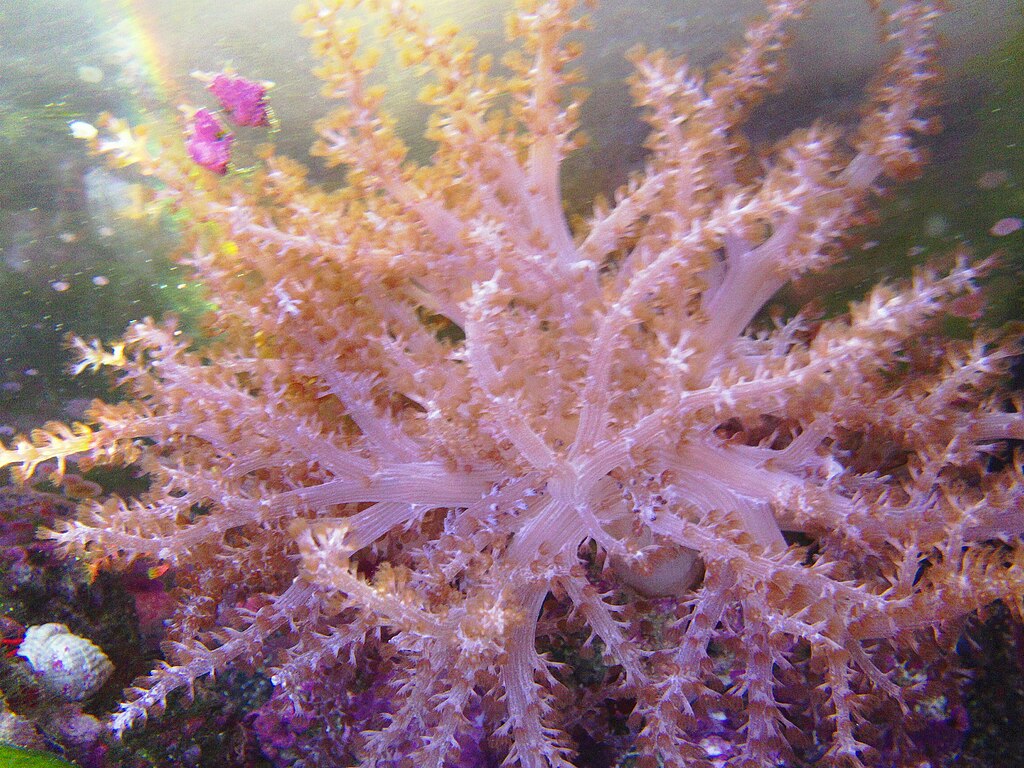
For corals, begin with forgiving species. Mushrooms, zoanthids, green star polyps, toadstool leathers, and many candy cane corals are good starting points. These corals tolerate minor beginner mistakes better than acropora or other sensitive SPS.
Add livestock slowly. Wait at least a couple of weeks between additions when possible. That gives the biofilter time to adjust. It also helps you spot problems before they spread.
Learn more here: best beginner reef fish and easy corals for beginners.
Water Chemistry Targets for Stability
Stable parameters matter more than chasing perfect numbers. For most beginner reefs, keep salinity around 1.025. Keep temperature between 77 and 79°F. Maintain alkalinity around 8 to 9 dKH. Calcium near 400 to 450 ppm works well. Magnesium around 1250 to 1350 ppm is a solid target.
Nitrate and phosphate should not be zero for many mixed reefs. Corals need some nutrients. A common beginner target is low but measurable nitrate and phosphate. Extreme nutrient swings stress corals and encourage algae blooms.
Test regularly, but do not overreact. If a value drifts slightly, correct it slowly. Fast changes can be worse than imperfect numbers. This is especially true for alkalinity and salinity.
Common Problems
Why is my new reef tank growing brown algae?
Brown algae in new tanks is often diatoms. This is very common. It usually appears during the early months. Silicates and new-tank instability feed it. Use RO/DI water, keep up with maintenance, and stay patient. Diatoms often fade as the tank matures.
Why are my corals not opening?
Corals close for many reasons. Common causes include unstable salinity, poor flow, too much light, pests, or recent placement stress. Check parameters first. Then review lighting intensity and water movement. Avoid moving corals constantly. Give them time to adapt.
Why is my nitrate rising?
High nitrate usually comes from overfeeding, too many fish, trapped detritus, or weak export. Feed less. Clean filter media often. Improve flow. Increase water changes. Consider a skimmer if the tank is heavily stocked.
Why did my salinity change so fast?
Evaporation removes freshwater, not salt. That makes salinity climb. Small tanks swing fastest. Top off daily with fresh RO/DI water. An auto top-off system helps a lot. It is one of the best upgrades for beginners.
Maintenance Routine for Long-Term Success
A simple routine prevents most beginner issues. Check temperature and equipment daily. Feed carefully. Top off evaporated water with fresh RO/DI water. Clean the glass as needed.
Each week, test key parameters, empty the skimmer cup, replace filter floss, and inspect pumps. Perform a water change on schedule. Siphon detritus from easy-to-reach areas. Every month, clean powerheads and remove salt creep.
Do not change everything at once. Make one adjustment at a time. Then observe the tank. Reef keeping is easier when you can connect cause and effect. Good notes help with that.
Frequently Asked Questions
How much does it cost to build a first reef tank?
Costs vary a lot. A modest beginner setup often starts around several hundred dollars. Larger systems with premium gear cost much more. Spend on reliable basics first. Cheap equipment often costs more later.
What is the best first coral for a beginner?
Mushrooms and many leather corals are excellent first choices. They are hardy and adaptable. They also show clear signs if flow or lighting needs adjustment.
Can I use tap water in a reef tank?
It is not recommended. Tap water often causes algae and water quality problems. RO/DI water is much safer and more predictable.
How long should I wait before adding coral?
Wait until the tank is fully cycled and stable. Many beginners do best by waiting a few extra weeks after the first fish. That gives the system time to settle.
Is a sump necessary for a first reef tank?
No. A sump is helpful, but not required. Many all-in-one reef tanks do very well. The best system is one you can maintain consistently.
Your first reef tank does not need to be perfect. It needs to be stable, manageable, and built around patience. Choose a practical tank size. Buy dependable equipment. Cycle the system fully. Add livestock slowly. If you keep those basics in focus, your first reef can become a thriving mixed reef instead of a frustrating restart.
Was this helpful?
Related Posts
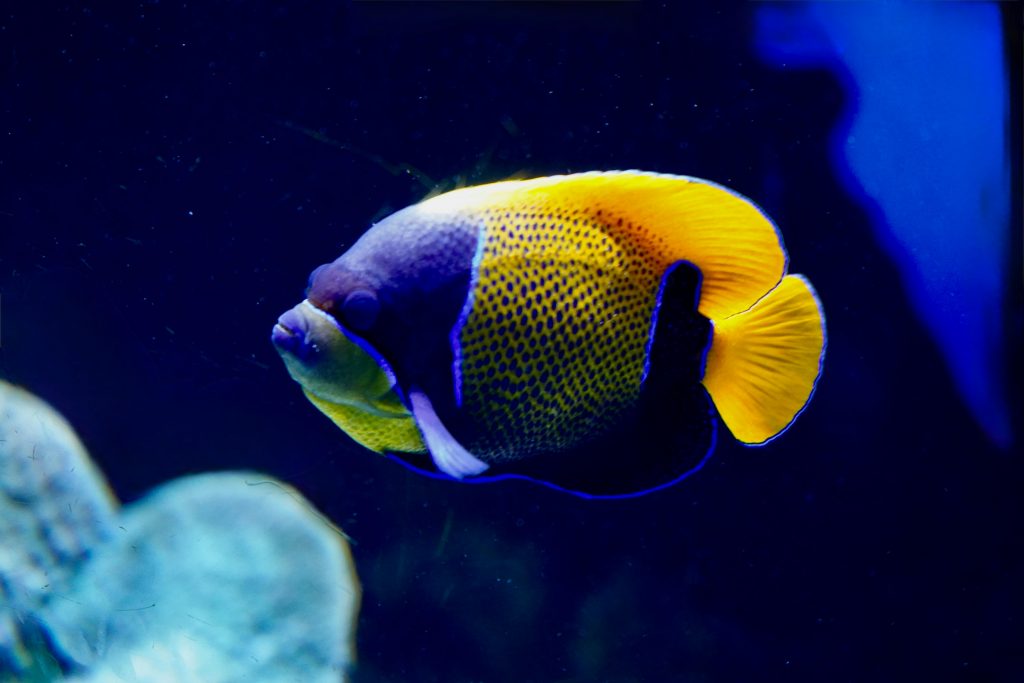
Majestic Blue Girdled Angelfish (Pomacanthus Navarchus)
Majestic Angelfish care requires a large stable tank, varied sponge-based foods, and caution in reefs due to coral…
 By
By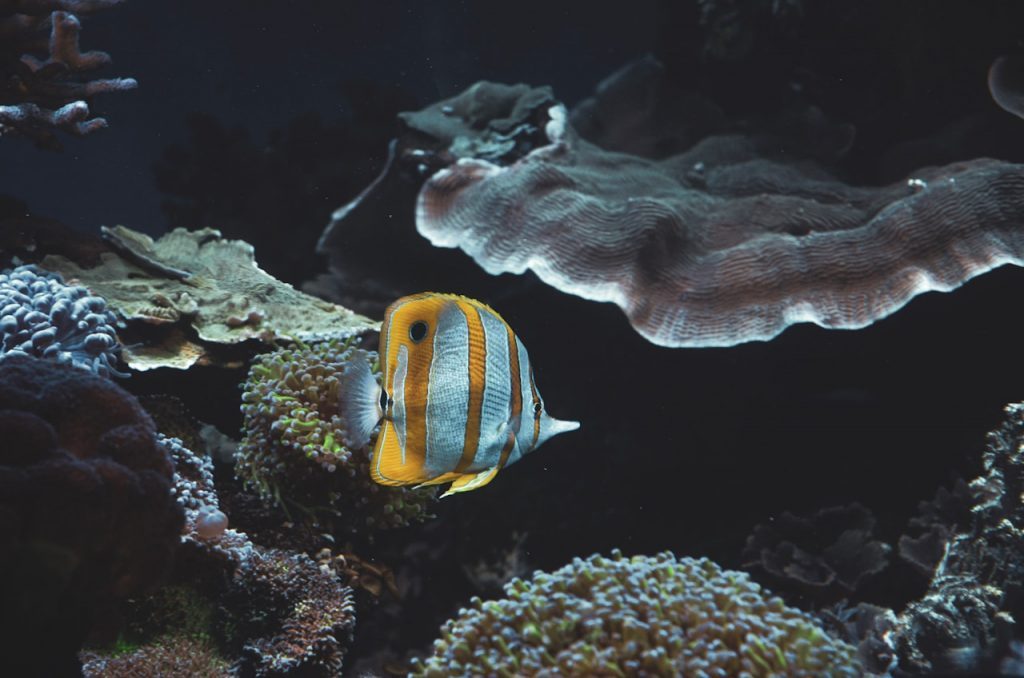
Butterflyfish Care in Marine Aquariums
Practical butterflyfish care for marine aquariums, including tank size, feeding steps, and quarantine tips for healthy long-term success.
[favorite_button]
My Bookmarks:
To see full list click here
[user_favorites user_id="" include_links="true" site_id="" post_types="" include_thumbnails="true" thumbnail_size="thumbnail" include_excerpt="false"]