Choosing Corals For Small Reef Tanks
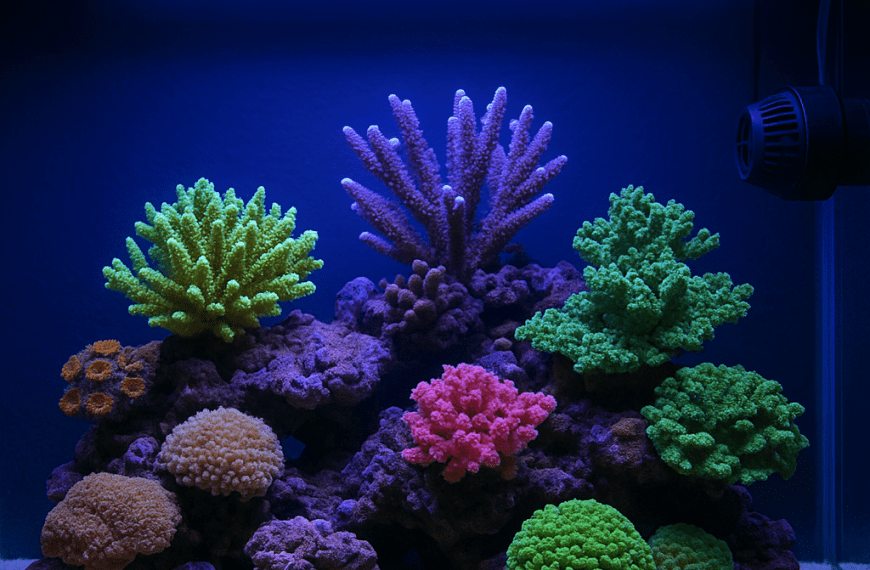
Small reef tanks can be stunning, but limited water volume means you must be picky about which corals you add. The right choices will grow well, stay manageable in size, and forgive the occasional beginner mistake. In this guide, we’ll look at the best types of corals for nano and small reef aquariums, how to match them to your lighting and flow, and how to plan a stocking list that stays stable long term.
Best Beginner-Friendly Corals For Small Tanks
In smaller systems, stability is everything. Corals that tolerate small swings in parameters and don’t grow out of control are ideal. If you haven’t already, check out our Beginner Saltwater Corals guide for a broader overview; below are standouts that work especially well in nano tanks.
Soft Corals
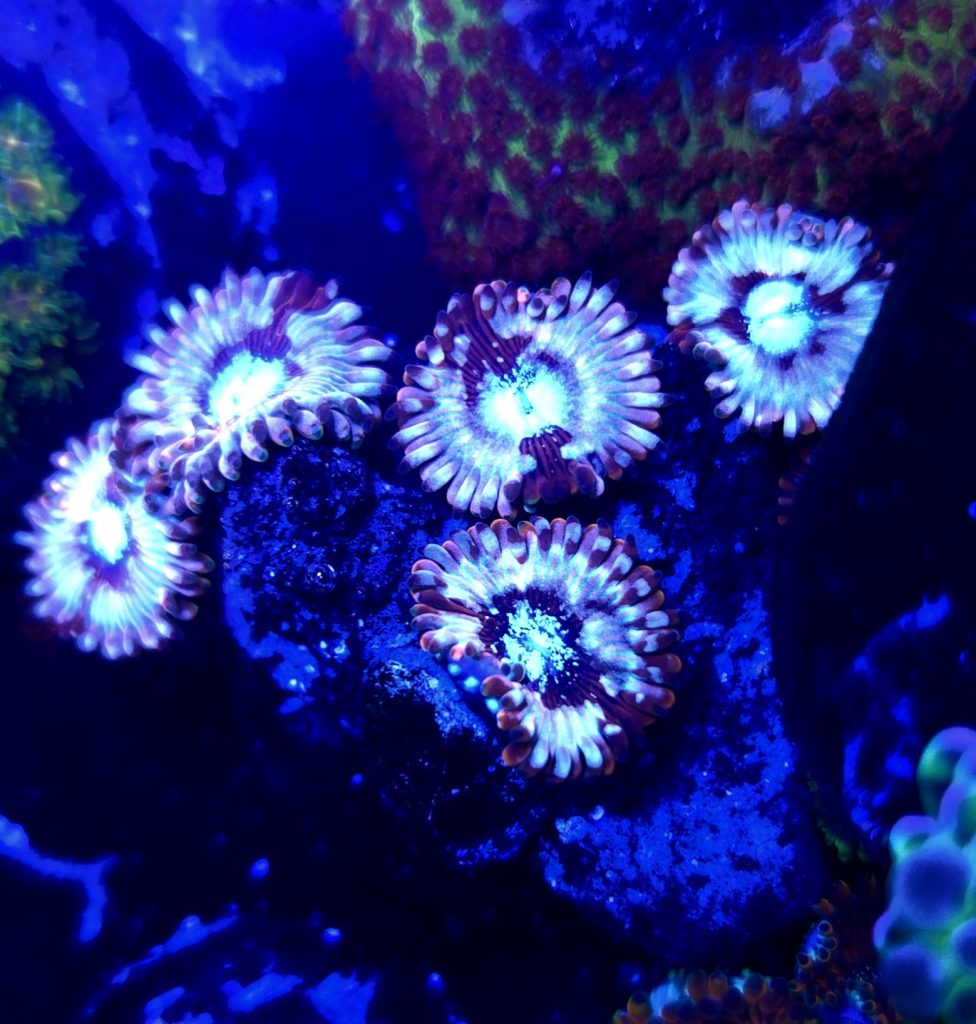
- Zoanthids & Palythoas – Colorful, low profile, and happy under moderate light. Great for rock islands and the lower half of the tank.
- Green Star Polyps (GSP) – Hardy and fast-growing. In small tanks, keep it isolated on its own rock to avoid it taking over.
- Leather corals (Toadstool, Kenya Tree) – Forgiving and active, but Kenya Trees can spread; plan room or limit to a single colony.
LPS Corals
- Duncan corals – Meaty polyps, moderate light and flow, and easy feeding. Perfect centerpiece for small reefs.
- Favia & Favites (Brain corals) – Compact growth and intense color. Place with space around them; they can extend sweeper tentacles at night.
- Micromussa (Acan) – Stay relatively small, do well in lower light areas, and love occasional meaty foods.
Tip: In small tanks, a single well-placed LPS colony often looks better than a crowded rock full of tiny frags. Plan for how big each coral can get in 1–2 years.
Matching Corals To Light, Flow, And Space
Before buying corals, match their needs to your setup. If you’re still planning hardware, our Nano Reef Tank Setup guide can help you dial in lighting and filtration.
Lighting Considerations
- Softies generally thrive under moderate LED lighting and tolerate lower PAR at the bottom or edges.
- LPS often prefer moderate PAR; too much light can bleach them, especially in shallow tanks.
- Use your rockwork to create zones: high light near the top, moderate in the middle, and shaded caves or overhangs for low-light species.
Flow And Aggression
- Place soft corals in areas with gentle to moderate, swaying flow.
- Give LPS with long tentacles (like hammers or torches) plenty of room so they don’t sting neighbors.
- Leave at least 5–8 cm (2–3 inches) between corals to allow for growth and nighttime sweeper tentacles.
Planning A Balanced Coral Stocking List
Overstocking is one of the fastest ways to run into problems in a small reef. A simple, balanced plan usually works best.
- Start with 3–5 hardy soft corals to test stability and your maintenance routine.
- Add 1–3 LPS showpieces once parameters are steady (especially alkalinity and nutrients).
- Avoid fast-spreading species on your main rockwork; keep them on isolated “islands.”
- Quarantine or at least dip all new corals to reduce pests and algae.
For a step-by-step approach to building your first reef, see our Saltwater Aquarium Beginner’s Guide, then use this coral list to choose species that fit your tank size and equipment.
With thoughtful coral choices, even a small reef tank can look mature and vibrant without turning into an overgrown jungle. Focus on hardy species, respect their eventual size and aggression, and add new pieces slowly. Over time, your nano reef will grow into a colorful, stable slice of the ocean that’s easy to enjoy and maintain.
Sources
- Borneman, E. H. (2001). Aquarium Corals: Selection, Husbandry, and Natural History. TFH Publications.
- Sprung, J. (2005). Corals: A Quick Reference Guide. Ricordea Publishing.
- Fenner, B. (2008). The Conscientious Marine Aquarist (2nd ed.). TFH Publications.
Was this helpful?
Related Posts
Protein Skimmer Reef Tank Guide
Learn how a protein skimmer works, how to size one, and how to tune it for a cleaner,…
 By
By
Reef Aquarium Water Parameters
Learn the ideal reef aquarium water parameters, safe ranges, and how to keep salinity, alkalinity, nutrients, and pH…