
Easy beginner corals are hardy, forgiving, and well suited to new reef tanks. The best choices tolerate small mistakes, accept moderate light and flow, and grow well in stable saltwater conditions. Starting with the right corals makes reef keeping less stressful and far more rewarding.
Many new reef keepers want color and movement without the risk of delicate SPS corals. That is a smart goal. Beginner corals can teach you placement, feeding, and water chemistry before you try harder species. In this guide, you will learn which corals are easiest to keep, how to set them up for success, and how to avoid the most common mistakes. You will also get simple care tips for lighting, flow, feeding, compatibility, and fragging. If you want a reef tank that looks lively and grows steadily, these corals are the best place to begin.
Quick Reference Table
| Coral | Care Level | Light | Flow | Feeding | Notes |
|---|---|---|---|---|---|
| Mushroom Coral | Easy | Low to moderate | Low | Optional | Great for lower rockwork |
| Zoanthids | Easy | Moderate | Low to moderate | Optional | Fast color and variety |
| Green Star Polyps | Easy | Moderate | Moderate to high | Not needed | Can spread quickly |
| Leather Corals | Easy | Moderate | Moderate | Not needed | Very forgiving soft coral |
| Xenia | Easy to moderate | Moderate | Low to moderate | Not needed | Likes stable nutrients |
| Duncan Coral | Easy | Low to moderate | Low to moderate | Helpful | Good first LPS coral |
| Trumpet Coral | Easy | Low to moderate | Low to moderate | Helpful | Hardy and fleshy polyps |
Use this table as a starting point, not a strict rule. Every tank is different. Coral placement often needs small adjustments based on your rockwork, light intensity, and pump layout.
What Makes a Coral Beginner Friendly?
Beginner corals share a few important traits. They handle small swings better than delicate species. They also adapt to common reef lighting and moderate flow. Most easy corals do not need heavy feeding. Many grow from photosynthesis alone when water quality is stable.
Hardy soft corals are often the best first choice. They recover well from handling. They also show visible signs when placement is wrong. Polyps stay closed when unhappy. Tissue stretches when light is weak. This helps you learn quickly. Some LPS corals are also beginner friendly. Duncan and trumpet corals are good examples. They are fleshy, attractive, and usually forgiving.
The best beginner coral is not always the cheapest coral. It is the coral that matches your tank. A low light nano reef may suit mushrooms best. A mixed reef with stronger flow may favor green star polyps or leather corals. Start with easy species. Let them teach you your system.
Best Easy Beginner Corals
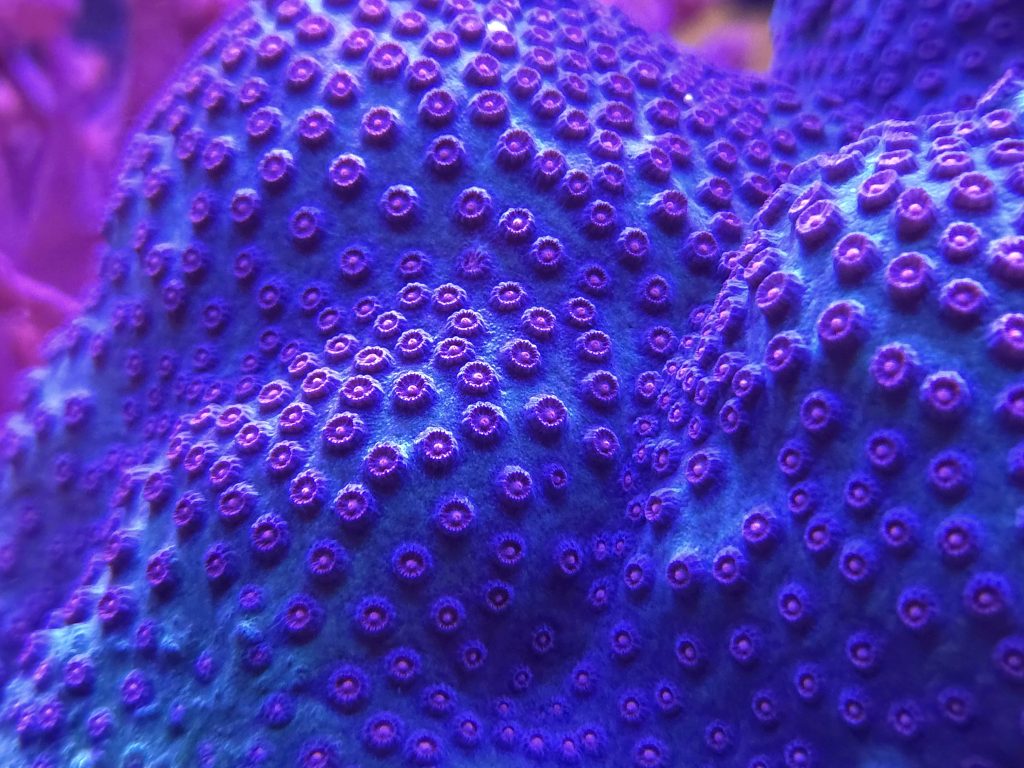
Mushroom corals are among the easiest corals in the hobby. They like lower light and gentle flow. They come in many colors and textures. They also tolerate beginner mistakes better than most corals. Place them on isolated rocks if possible. Some types spread fast over time.
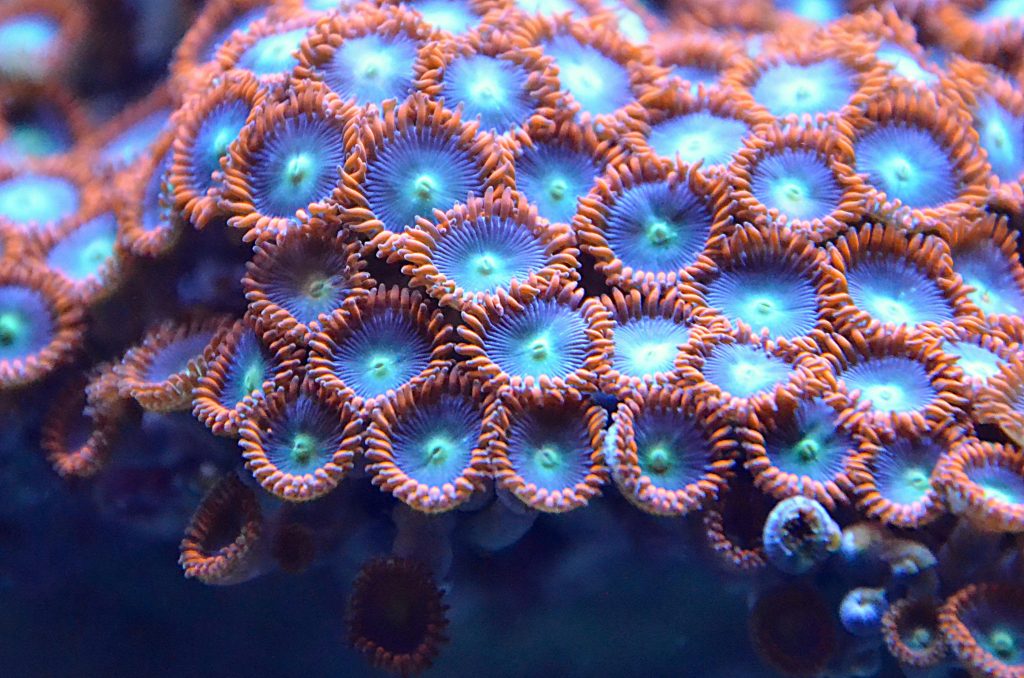
Zoanthids are another top beginner choice. They offer huge color variety and create a bright garden look. Most prefer moderate light and low to moderate flow. Keep them away from aggressive neighbors. Wear gloves when handling them. Some zoanthids can contain palytoxin, which is dangerous.
Green star polyps are famous for movement. Their waving mat adds life to a tank. They are hardy and fast growing. That is both good and bad. They can cover rock quickly. Keep them on an isolated island rock to control spread.
Leather corals, including toadstools, are excellent for new hobbyists. They are durable and adapt well. They may close and shed a waxy film at times. That is normal. Moderate flow helps them clean off this layer. Duncan and trumpet corals are great first LPS corals. They have larger polyps and clear feeding responses. They often grow steadily in stable tanks.
Natural Habitat
Most beginner corals come from shallow tropical reefs in the Indo-Pacific. These reefs receive stable salinity, warm water, and regular water movement. Soft corals often grow in areas with moderate nutrients and shifting flow. Many mushrooms live in lower light zones, under ledges, or on reef slopes. Zoanthids and green star polyps often colonize hard surfaces where current brings oxygen and suspended food.
Understanding habitat helps with placement. Corals from sheltered areas usually want lower flow. Corals from brighter reef flats often handle more light. In the aquarium, we try to copy these patterns. We do not need perfect replication. We only need stable, reasonable conditions. That means consistent temperature, salinity, alkalinity, and nutrient levels. Corals can adapt well when changes are slow. Sudden shifts cause more trouble than values that are slightly imperfect.
Aquarium Setup
Beginner corals can thrive in tanks from 20 gallons and up. Larger tanks are easier to manage. They dilute mistakes and stay more stable. If you keep a nano reef, test often and top off evaporated water daily. Stability matters more than chasing perfect numbers.
Use porous live rock or quality dry rock for mounting space. Build open aquascape with shelves and islands. This gives you more placement options. It also improves flow around corals. Leave room between fast growers. Green star polyps, xenia, and some mushrooms can spread aggressively. Isolated rocks help contain them.
Good beginner targets are simple. Keep salinity near 1.025, temperature near 77 to 79 degrees, and alkalinity stable. Calcium and magnesium should also remain in range. You do not need ultra low nutrients. In fact, many easy corals dislike sterile water. A little nitrate and phosphate usually help soft corals look fuller and healthier.
Lighting Requirements
Most easy beginner corals prefer low to moderate light. That usually means a PAR range of about 50 to 150, depending on species. Mushrooms often prefer the lower end. Zoanthids, leathers, and green star polyps usually enjoy moderate light. Duncan and trumpet corals also do well in moderate light, though many adapt to lower levels.
The biggest lighting mistake is too much, too fast. New reef keepers often buy powerful LEDs and place corals too high. This can bleach tissue and keep polyps closed. Start lower in the tank. Increase light slowly over one to two weeks. Acclimation mode helps if your fixture offers it.
Watch coral behavior. Mushrooms shrinking tightly can signal excess light. Zoanthids stretching upward may need more light. Leather corals may close during adjustment, then reopen larger after a few days. Make one change at a time. That makes troubleshooting much easier.
Water Flow
Flow keeps oxygen high and waste from settling. It also helps corals shed mucus and receive nutrients. Easy corals usually prefer gentle to moderate, indirect flow. Direct blasts are a common mistake. Strong linear flow can keep polyps closed and damage tissue.
Mushrooms like the calmest spots. Too much flow can make them detach. Zoanthids enjoy light, random movement that keeps detritus off the colony. Green star polyps and many leather corals handle stronger flow. Their movement is often a good visual guide. You want swaying, not whipping.
Use random flow if possible. Aim pumps across the tank, not straight at the coral. Dead spots lead to debris buildup and algae issues. If a coral stays closed for days, check both light and flow before changing water chemistry.
Feeding
Most beginner soft corals do not need target feeding. They get much of their energy from light. They also absorb dissolved nutrients and tiny particles from the water. Overfeeding the tank to feed corals often causes more problems than benefits.
Some beginner LPS corals respond well to occasional feeding. Duncan and trumpet corals can accept mysis shrimp, finely chopped seafood, or quality coral foods. Feed once or twice weekly at most. Turn off pumps briefly if needed. Do not force large food into small mouths. That can cause tissue damage.
Fish feeding often provides enough indirect nutrition for easy corals. A balanced reef with fish waste, stable nutrients, and regular water changes usually supports strong growth. If nitrate and phosphate are always zero, soft corals may look pale or stay small. In many tanks, feeding fish a bit more is better than dosing mystery products.
Compatibility
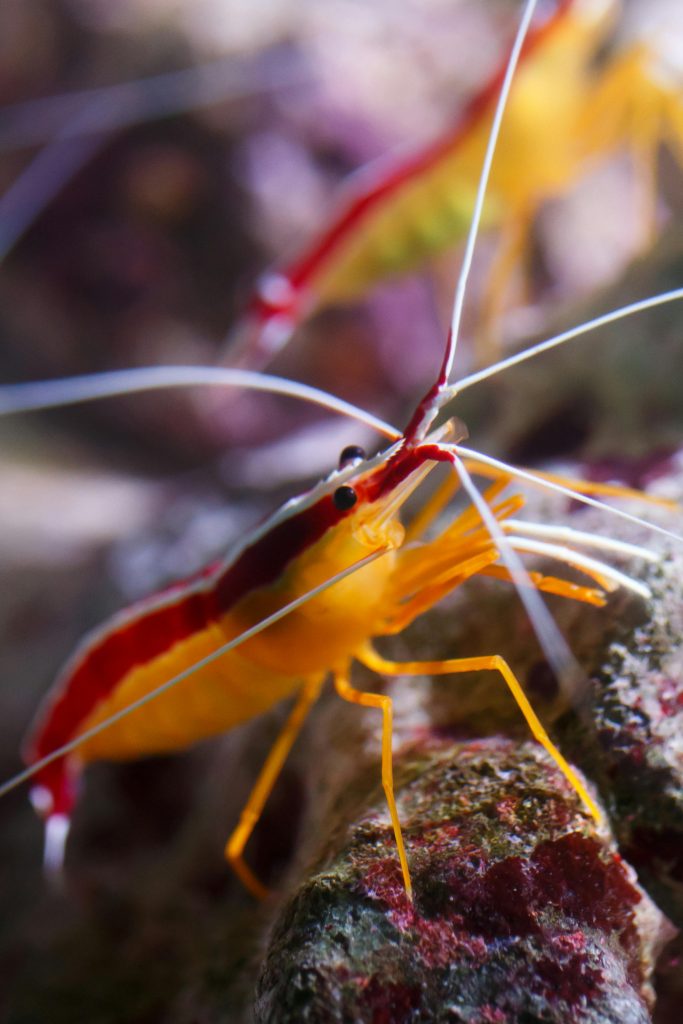
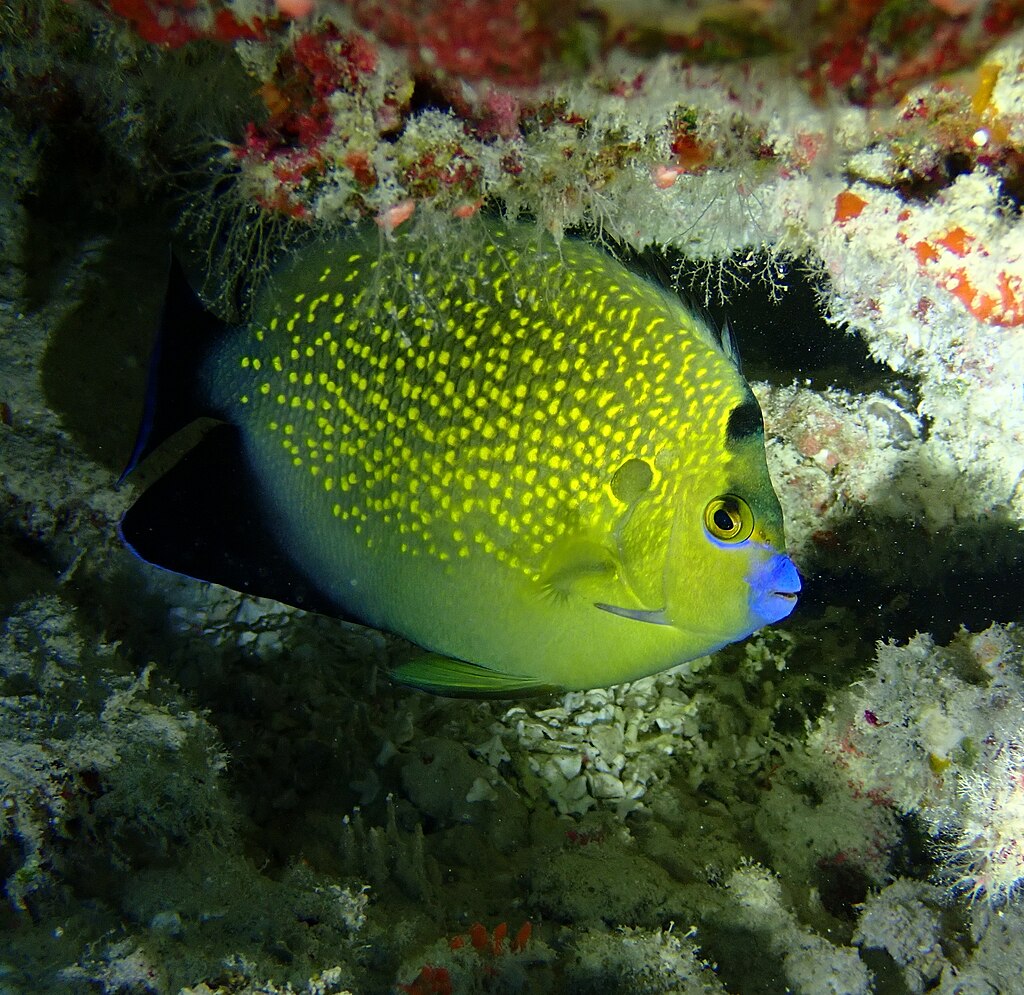
Most beginner corals are reef safe with common community fish. Clownfish, gobies, blennies, and many wrasses coexist well with them. Be cautious with angelfish and butterflyfish. Many nip coral tissue or polyps. Some crabs and shrimp may irritate corals if they steal food or climb repeatedly over fleshy heads.
Coral to coral compatibility matters too. Soft corals can use chemical warfare. Leather corals are known for this. Running activated carbon helps in mixed reefs. Leave space between colonies. LPS corals may extend sweeper tentacles at night. Keep Duncan and trumpet corals away from aggressive neighbors like euphyllia or galaxea.
Fast spreading species need planning. Green star polyps, xenia, and some mushrooms can overtake rockwork. Isolate them early. This is easier than removing them later. If you want a clean mixed reef, think about future growth on day one.
Step-by-Step Guide to Adding Beginner Corals
First, make sure the tank is mature enough. A new reef should be fully cycled. Basic parameters should be stable for at least a few weeks. Next, choose one or two hardy corals only. Do not fill the tank at once. Slow stocking helps you learn.
Dip new corals before they enter the display. This reduces pests like nudibranchs, flatworms, and algae hitchhikers. Follow the dip instructions exactly. Then inspect the frag plug and base. Remove obvious pests or nuisance algae.
Place the coral low to mid tank at first. Give it several days to adjust. Watch polyp extension and tissue inflation. If it looks healthy, leave it alone. Constant moving creates stress. Test salinity, alkalinity, nitrate, and phosphate regularly. Corals like consistency. Once the first corals settle in, add more slowly and keep notes about placement and response.
Propagation and Fragging
Soft Coral Fragging
Many beginner soft corals are easy to propagate. Mushrooms can split naturally or be cut carefully with a clean blade. Zoanthids can be fragged by cutting the mat between polyps. Leather corals are often cut into sections and secured with rubber bands, mesh, or toothpicks until attached.
LPS Fragging
Duncan and trumpet corals are usually fragged by cutting the skeleton between heads. Use bone cutters or a coral saw. Avoid crushing the flesh. Dip the new frag after cutting if needed. Then place it in moderate flow to heal.
Safety Tips
Always wear gloves and eye protection. This is especially important with zoanthids. Clean tools before and after use. Frag in a ventilated area. Never boil rocks or coral covered surfaces. Safe handling matters as much as coral health.
Common Problems
Why are my corals staying closed?
Closed polyps usually point to stress. Check salinity first. Then check alkalinity and temperature. Look for direct flow, recent lighting changes, or pests. New corals may stay closed for a day or two. If closure lasts longer, inspect closely and avoid making many changes at once.
Why is a beginner coral melting or shrinking?
Melting often follows unstable parameters, poor acclimation, or bacterial decline after damage. Mushrooms may shrink under strong light. Xenia often crashes in unstable tanks. Remove dying tissue if it fouls the area. Improve stability and review recent changes.
Why are soft corals not growing?
Slow growth can come from low nutrients, weak light, or low iodine assumptions that are often overstated. Start with basics. Verify nitrate and phosphate are not bottomed out. Confirm the coral gets enough light and indirect flow. Growth usually follows stability.
How do I stop invasive corals from spreading?
Use island rocks from the start. Trim back edges before they reach main rockwork. Remove loose fragments quickly. For green star polyps and xenia, prevention is much easier than removal.
Frequently Asked Questions
What is the easiest coral for a first reef tank?
Mushroom corals are often the easiest first choice. They handle lower light and gentle flow very well.
Can beginner corals live in a nano reef?
Yes, many can. Stability is the challenge. Small tanks need careful top off, testing, and slow stocking.
Do easy corals need dosing?
Not always. Many beginner tanks do fine with regular water changes at first. As coral growth increases, dosing may become necessary.
Are zoanthids safe to handle?
Handle them carefully. Some can contain palytoxin. Wear gloves and eye protection, and avoid cutting them indoors without ventilation.
Should I start with soft corals or LPS?
Soft corals are usually the easiest start. After that, try hardy LPS like Duncan or trumpet corals.
Final Tips for Success
Start simple. Buy healthy frags from a trusted source. Quarantine or dip every coral. Keep your hands out of the tank when possible. Test regularly, but do not chase every small number swing. Corals reward consistency more than perfection.
If you want to keep learning, read our guides on reef tank parameters, reef tank lighting guide, best clean up crew for reef tank, and how to dip coral. These topics will help you build a stronger reef from the start.
Was this helpful?
Related Posts
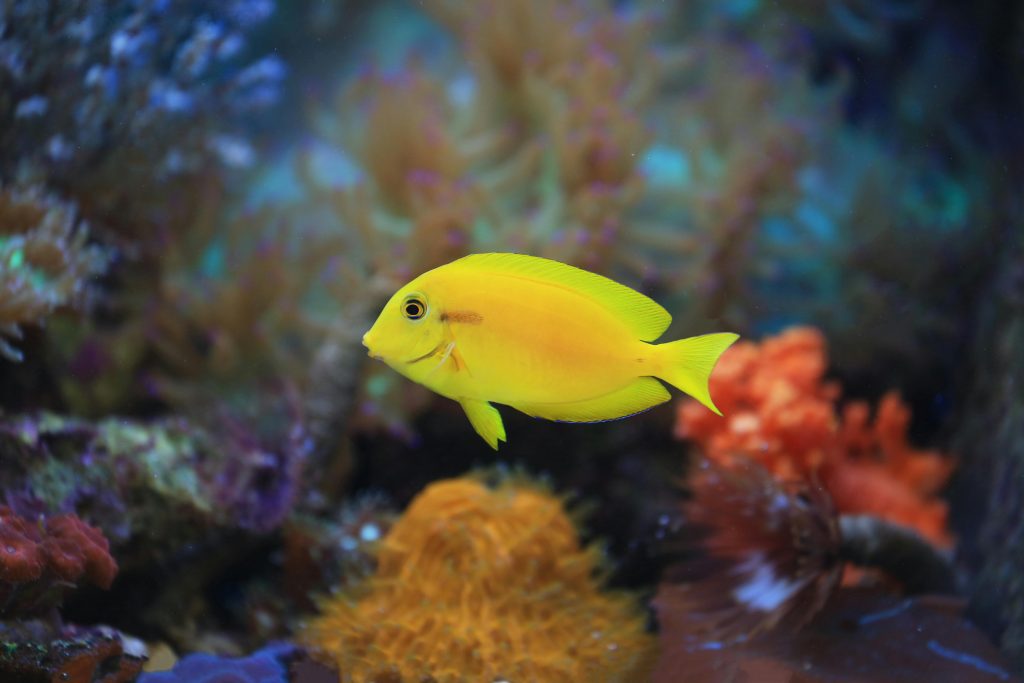
Juvenile Orange Shoulder (acanthurus Olivaceus)
Juvenile orange shoulder tangs are bright, hardy, and reef safe, but they grow large and need a spacious…
 By
By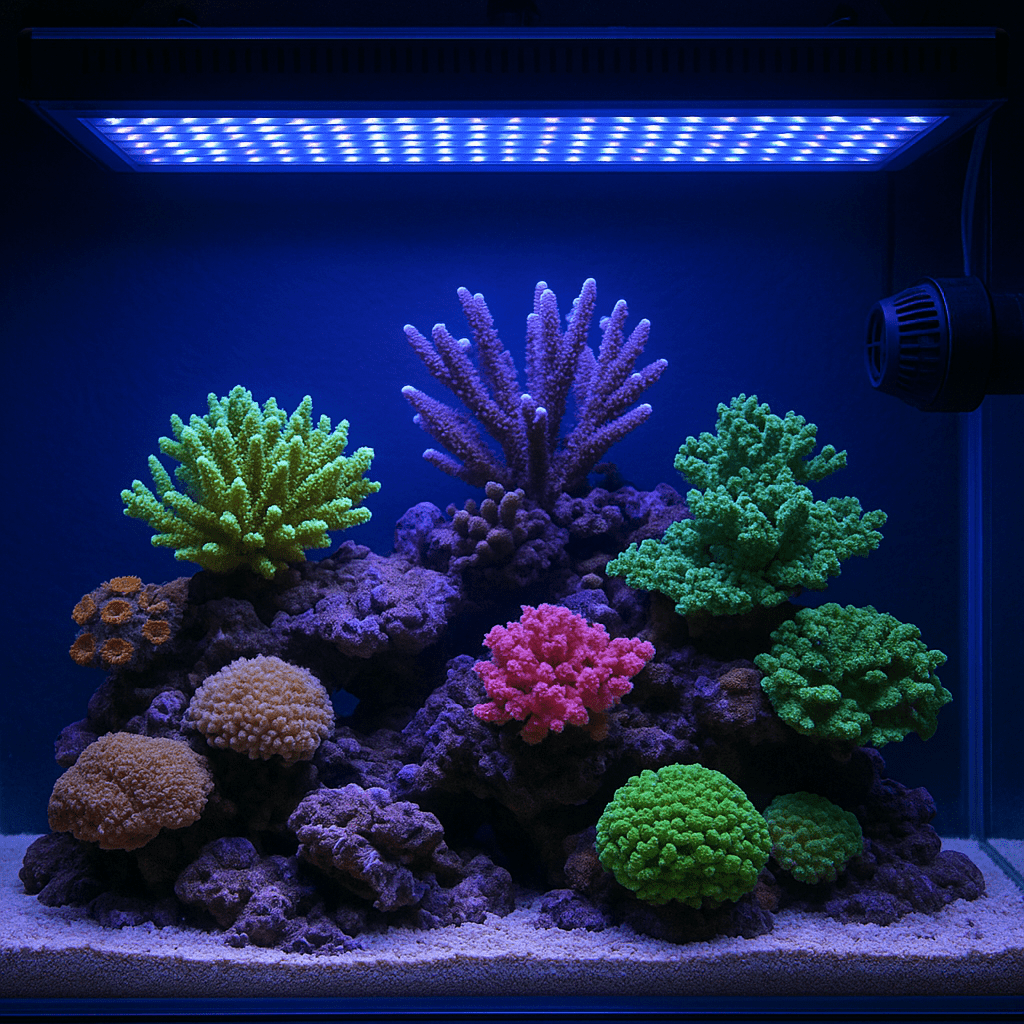
Best Filtration Systems
Best Filtration Systems for a Healthy Saltwater Aquarium Choosing the best filtration system for your saltwater aquarium is…
[favorite_button]
My Bookmarks:
To see full list click here
[user_favorites user_id="" include_links="true" site_id="" post_types="" include_thumbnails="true" thumbnail_size="thumbnail" include_excerpt="false"]