Setting up a nano reef tank is one of the most rewarding ways to enjoy a slice of the ocean at home, even if you’re short on space. With the right planning, equipment, and stocking choices, a small saltwater aquarium can be just as vibrant and stable as a larger system.
Planning Your Nano Reef Tank
Before buying coral or fish, start with a clear plan. Nano reef tanks typically range from 5–20 gallons. Smaller volumes are more sensitive to change, so stability is your top priority.
Key decisions to make up front:
- Tank size: For beginners, 10–20 gallons is a sweet spot. It’s still compact but offers more water volume for stability.
- Location: Place the tank away from direct sunlight, drafts, and high-traffic areas to reduce temperature swings and stress.
- Budget: Quality gear matters more in small tanks. Plan for good lighting, filtration, and test kits.
If you’re still weighing your options between a nano and a larger system, read our guide on beginner saltwater tank setup for a broader overview of equipment and planning.
Essential Equipment and Aquascape
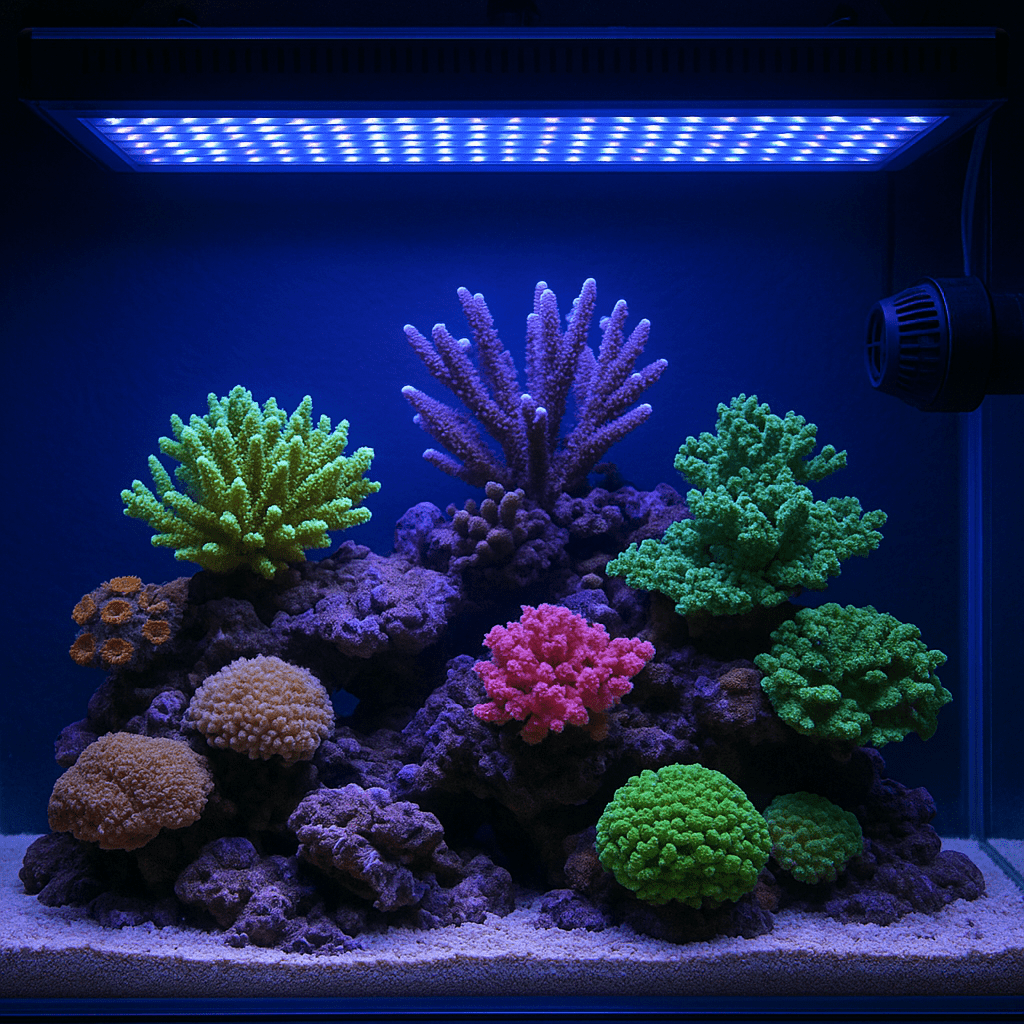
Think of your nano reef as a life-support system for corals and fish. Each piece of equipment plays a role in keeping parameters stable.
Core Equipment Checklist
- All-in-one (AIO) tank or standard glass tank: AIOs hide filtration in the rear chamber and are great for clean, compact builds.
- Heater and thermometer: Aim for 77–79°F (25–26°C). Always use a reliable thermometer to verify.
- Return pump or powerhead: Moderate, random flow helps corals thrive and prevents dead spots.
- Reef-capable LED light: Look for fixtures specifically rated for coral growth, with adjustable intensity.
- Filtration: Filter media basket with sponge, carbon, and optional biological media; a nano protein skimmer is helpful but not mandatory for light stocking.
Rock, Sand, and Cycle
Live rock or high-quality dry rock provides biological filtration. Use roughly 1 pound of rock per gallon, arranged to allow good flow and multiple coral placement spots. A thin sand bed (1–2 inches) is usually ideal for a nano reef.
Tip: Pre-mix your saltwater with RO/DI water and let it circulate 24 hours before use. This ensures stable salinity and fully dissolved salt.
Once filled, add rock and sand, start your equipment, and begin the nitrogen cycle. This typically takes 3–5 weeks. During this time, test for ammonia, nitrite, and nitrate. Only add livestock after ammonia and nitrite read zero for several days. For a deeper dive into this step, see our article on cycling a saltwater aquarium.
Stocking and Ongoing Care
Stocking lightly is the secret to a successful nano reef tank setup. Less bioload means more stability and fewer algae issues.
Beginner-Friendly Livestock Choices
- Fish: Clownfish, neon gobies, and tailspot blennies are popular nano-safe options.
- Corals: Soft corals (zoanthids, mushrooms, leathers) and hardy LPS (hammer, frogspawn) do well under moderate light and flow.
- Clean-up crew: A mix of snails and small hermit crabs helps control algae and detritus.
Introduce livestock slowly, one or two additions at a time, allowing the bacteria population to adjust.
Maintenance Routine
- Perform 15–25% water changes weekly to export nutrients and replenish trace elements.
- Test salinity, temperature, and nitrate regularly; in small tanks, issues escalate quickly.
- Top off evaporated water daily with fresh RO/DI water to keep salinity stable.
- Clean filter media and glass as needed to maintain water clarity and flow.
As your reef matures, you can fine-tune lighting and flow for coral growth. When you’re ready to expand beyond the nano, check out our guide to reef tank lighting basics to plan your next system.
With careful planning, the right gear, and a light, thoughtful stocking plan, a nano reef tank setup can deliver big beauty in a small package. Focus on stability, be patient during the cycle, and keep up with simple weekly maintenance. In return, you’ll enjoy a thriving miniature reef right on your desk or countertop.
Sources
- Sprung, J. & Delbeek, J. C. The Reef Aquarium, Vol. 1–3.
- Paletta, M. The New Marine Aquarium.
- Fenner, R. The Conscientious Marine Aquarist.
Was this helpful?
Related Posts
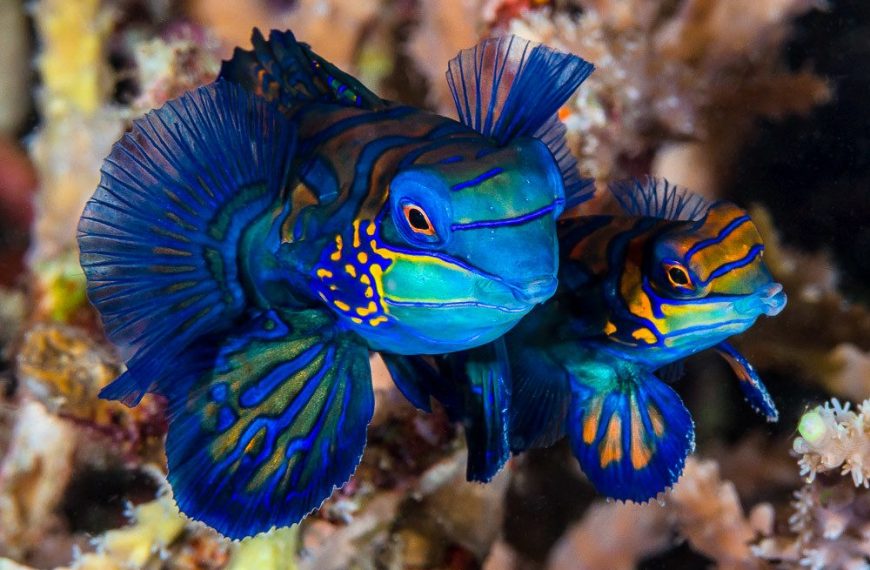
Dragonets Fish Care
Dragonets are beautiful reef fish, but they need mature tanks and steady food sources. Learn how to keep…
 By
By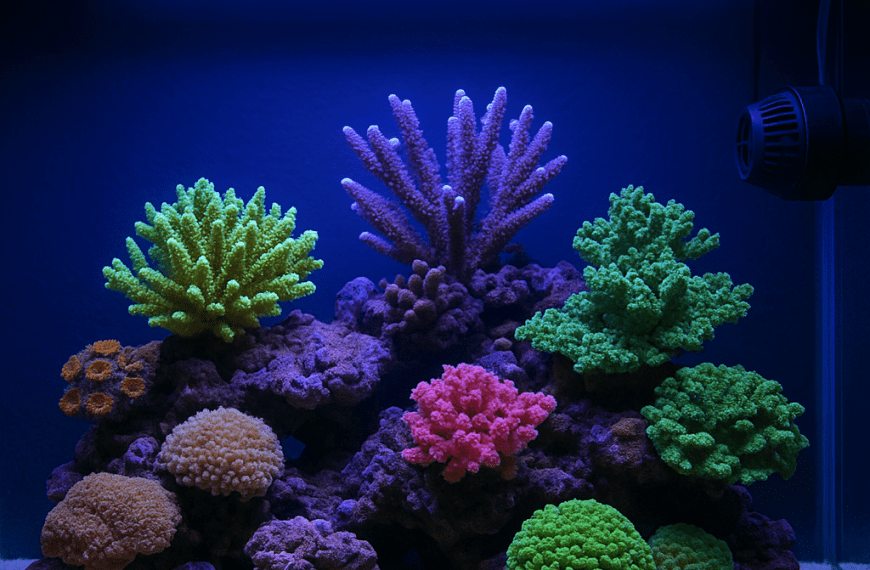
Lighting For Aquarium
Lighting for Aquarium: Getting Saltwater Illumination Right Lighting for a saltwater aquarium is about much more than simply…