
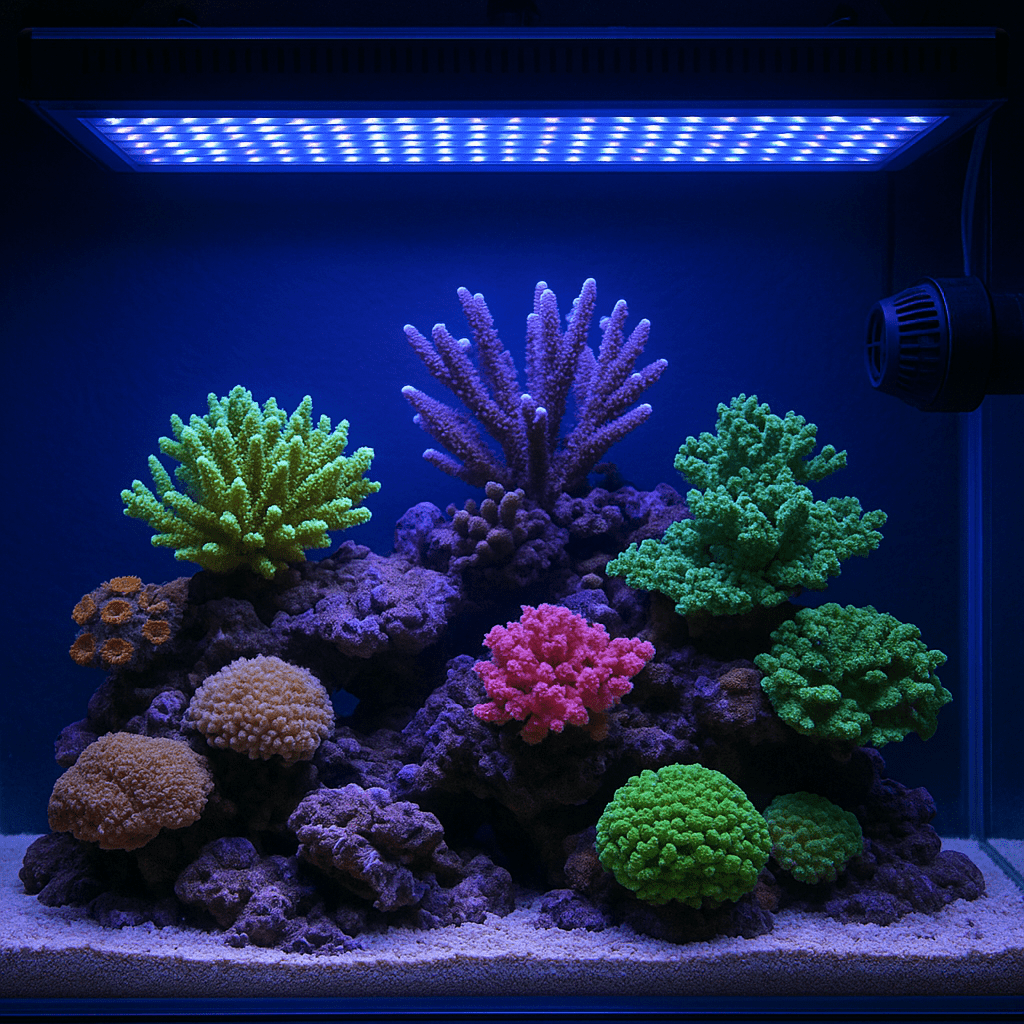
Choosing the right corals starts with matching each species to your tank, lighting, flow, and experience level. Beginners usually do best with hardy soft corals and a few forgiving LPS corals. Careful choices lead to better growth, fewer losses, and a more stable reef.
Many reef keepers buy corals based on color alone. That often leads to frustration. Some corals need intense light. Others need gentle flow. Some grow fast and sting nearby neighbors. Others stay small and peaceful. In this guide, you will learn how to choose corals for your tank size, equipment, and skill level. You will also learn which beginner corals are safest, how to avoid common mistakes, and how to build a mixed reef that looks great long term.
Quick Reference Table
| Coral Type | Best For | Light | Flow | Difficulty | Notes |
|---|---|---|---|---|---|
| Zoanthids | Beginners | Low to moderate | Low to moderate | Easy | Colorful and fast growing |
| Mushrooms | Low light tanks | Low | Low | Easy | Very forgiving |
| Leather corals | New reef tanks | Moderate | Moderate | Easy | Hardy and adaptable |
| Hammer coral | Beginner LPS | Moderate | Low to moderate | Easy to moderate | Needs space from neighbors |
| Candy cane coral | Stable tanks | Low to moderate | Low to moderate | Easy | Great first LPS |
| Acropora | Advanced hobbyists | High | High | Hard | Needs very stable parameters |
This table gives a fast overview. It should not replace research on each coral. Even hardy corals have limits. A mushroom coral may thrive in one tank and shrink in another. The difference is often stability, placement, and nutrient balance.
Why Coral Selection Matters
Corals are not all alike. They come from different reef zones and different conditions. That matters in your aquarium. A coral from a bright, turbulent reef crest will struggle in a dim corner with weak flow. A coral from a sheltered lagoon may bleach under intense lighting. Good coral selection prevents these problems early.
Smart choices also protect your budget. Coral losses add up quickly. Many new hobbyists buy difficult SPS frags too soon. The corals fade, recede, or die. Then the hobby feels harder than it should. Starting with forgiving species helps you learn placement, feeding, and water stability without constant setbacks.
Coral selection also shapes your tank’s future. Some corals spread across rock quickly. Some send out long sweeper tentacles at night. Some release chemicals that irritate neighbors. If you plan ahead, your reef grows in a balanced way. If you do not, one coral can dominate the whole aquascape.
Know the Three Main Coral Groups
Most reef hobbyists group corals into soft corals, LPS corals, and SPS corals. This simple system helps you choose corals by care level.
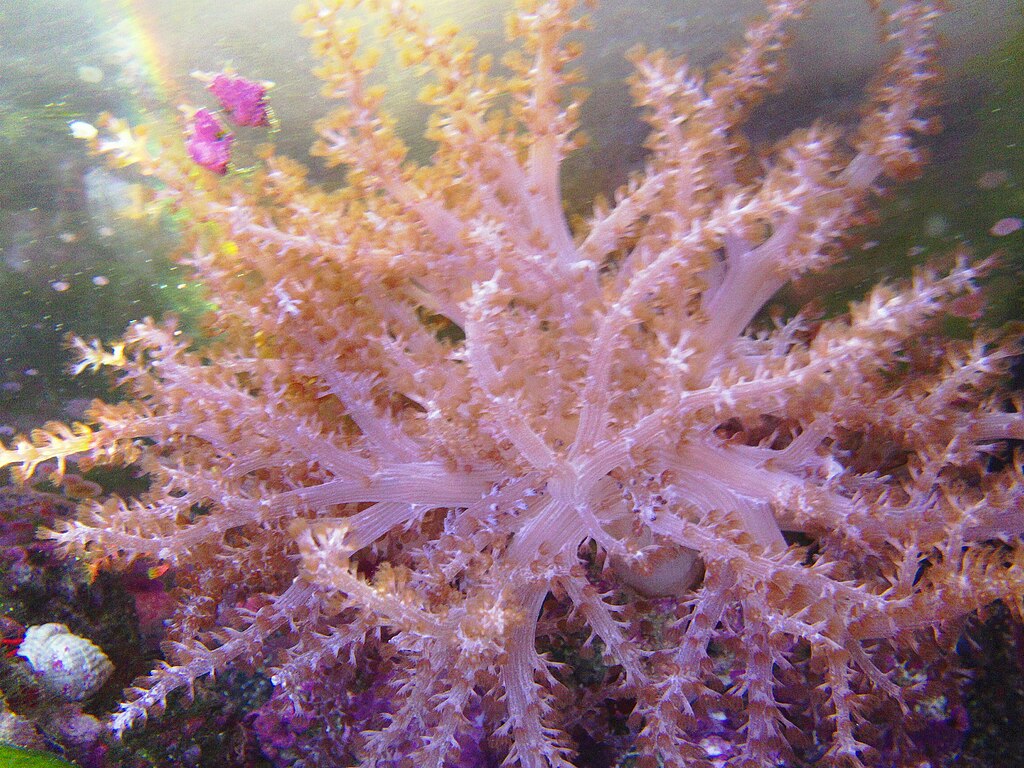
Soft corals are usually the easiest. They include mushrooms, zoanthids, green star polyps, xenia, and leather corals. Many tolerate lower light and varied nutrients. They are ideal for beginners. Some can spread aggressively, so placement matters.
LPS corals have large fleshy polyps and stony skeletons. Common examples include hammers, frogspawn, acans, candy canes, blastomussa, and scolymia. Many prefer moderate light and gentle to moderate flow. They often need more spacing because of stinging tentacles.
SPS corals include acropora, montipora, birdsnest, and stylophora. They usually need strong light, strong flow, and very stable parameters. They can be stunning, but they expose weaknesses in tank stability fast. For most new reef keepers, SPS should come later.
Natural Habitat and What It Means in Your Tank
Corals come from different parts of tropical reefs. Some live in shallow water with intense sunlight and crashing waves. Others grow in sheltered lagoons, deeper slopes, or shaded crevices. These natural habitats tell you a lot about coral care.
For example, acropora often come from high-energy reef zones. They evolved for bright light and heavy water movement. That is why they do poorly in weak flow. Mushrooms often come from lower light areas with calmer conditions. They are happier in spots where SPS would fail.
When choosing corals, think like a reef planner. Match high-light corals to upper rockwork. Place lower-light corals near the bottom or edges. Put fleshy LPS where flow is indirect. This habitat-based approach makes placement easier. It also reduces stress and improves long-term growth.
How to Choose Corals for Your Experience Level
Your skill level matters as much as your equipment. A beginner should focus on durable corals that tolerate minor mistakes. Good starter choices include mushrooms, zoanthids, toadstool leathers, kenya tree, and candy cane coral. These corals usually handle small nutrient swings better than SPS.
Intermediate hobbyists can branch into euphyllia, acans, favia, chalices, and montipora. These corals still need care, but they are manageable in a stable tank. At this stage, placement becomes more important. So does testing alkalinity, calcium, and magnesium regularly.
Advanced reef keepers can pursue acropora, tenuis, deepwater SPS, and other demanding species. These corals reward precision. They also punish instability. If your tank is younger than six months, avoid difficult corals. Maturity helps. Stable bacteria populations, consistent nutrients, and predictable chemistry support coral success.
Aquarium Setup: Tank Size, Rockwork, and Placement
Tank size changes your coral options. Small tanks can keep many beautiful corals, but they swing faster. Temperature, salinity, and alkalinity shift more quickly in nano reefs. That makes hardy corals the safer choice. Larger tanks offer more stability and more room for spacing aggressive species.
Rockwork should create zones. Build high-light shelves near the top. Leave lower caves and shaded ledges below. This gives you placement flexibility. It also lets corals grow without immediate crowding. Avoid stacking rock too tightly. Corals need room for flow around their tissues.
Think about future size, not frag size. A one-inch hammer coral can become a large colony. A tiny zoanthid frag can cover a rock. Place spreading corals on isolated islands when possible. Leave space between LPS colonies. Good aquascaping prevents chemical warfare and nighttime stings.
Lighting Requirements
Lighting is one of the biggest factors in coral choice. Corals contain symbiotic algae called zooxanthellae. These algae use light to produce energy. If light is too weak, some corals lose color or stop growing. If light is too strong, they can bleach.
Soft corals and many LPS corals do well in low to moderate light. This makes them practical for beginner LED setups. SPS corals usually need stronger, more consistent lighting. They also need proper acclimation. Sudden jumps in intensity can cause stress fast.
Do not guess if you can avoid it. A PAR meter gives useful data. In general, mushrooms and some soft corals prefer lower PAR. Zoanthids and many LPS often like moderate PAR. Acropora usually need high PAR. Start corals lower, then move them slowly if needed. Light acclimation prevents bleaching and tissue damage.
Water Flow
Flow removes waste, delivers oxygen, and brings food to corals. But more flow is not always better. Different corals prefer different movement patterns. Choosing the wrong coral for your flow style often causes poor extension or tissue recession.
Soft corals usually enjoy low to moderate, indirect flow. Leather corals especially benefit from enough movement to help them shed their waxy film. LPS corals like hammers and frogspawn prefer gentle, swaying flow. Direct blasts can tear their tissue. SPS corals need stronger, random flow to keep their surfaces clean.
Watch the coral, not just the pump setting. If tissue whips hard, flow is too strong. If detritus settles on the coral, flow may be too weak. Random, alternating flow patterns usually work best in mixed reefs.
Feeding and Nutrients
Many corals get much of their energy from light. Still, feeding matters. LPS corals often benefit from occasional target feeding. Foods like mysis, reef roids, or fine frozen blends can support growth. Soft corals usually rely more on dissolved nutrients and suspended particles.
Avoid the ultra-clean trap. Many beginner tanks run nutrients too low. Corals then look pale and stop growing. Nitrate and phosphate should not be zero. Stable, measurable nutrients usually support healthier coral color. The exact range depends on your tank style, but stability matters most.
Do not overfeed to compensate. Excess food raises nutrients too fast. That can fuel algae and irritate corals. Feed lightly. Observe the response. Then adjust slowly. Balanced export through skimming, water changes, and filtration keeps nutrients in a workable range.
Compatibility in a Mixed Reef
Corals compete for space. Some sting. Some shade others. Some release chemicals into the water. This is why compatibility matters. A mixed reef can work well, but you must plan spacing and placement carefully.
Euphyllia corals can send out sweeper tentacles and damage nearby colonies. Green star polyps and xenia can overrun rockwork. Leather corals may release compounds that bother SPS corals in smaller systems. Activated carbon helps reduce some chemical irritation.
Fish also affect coral choice. Some angelfish nip fleshy LPS and zoanthids. Certain butterflyfish are unsafe in reefs. Crabs and shrimp can irritate corals if underfed. Before buying a coral, ask two questions. Will it hurt my existing corals? Will my livestock bother it? Good compatibility planning saves many headaches.
Step-by-Step: How to Choose the Right Corals
- Check tank age first. New tanks should start with hardy species.
- Measure your lighting strength or review your fixture’s PAR range.
- Assess flow zones across the tank. Identify calm, moderate, and high-flow areas.
- Review your water stability. Test salinity, alkalinity, calcium, magnesium, nitrate, and phosphate.
- Pick corals that match your current setup, not your dream setup.
- Start with one or two easy species. Watch them for several weeks.
- Place new corals with room to grow and room to sting.
- Quarantine or inspect for pests before adding any coral.
- Acclimate to light slowly. Use lower placement first if needed.
- Add more demanding corals only after easy corals show steady growth.
This step-by-step approach keeps your reef manageable. It also helps you build confidence. Success with easy corals creates the foundation for future upgrades.
Propagation and Fragging
Which Corals Are Easy to Frag
Many beginner corals are easy to propagate. Zoanthids, mushrooms, kenya tree, and some leather corals can be fragged with simple tools. Candy cane corals also frag well once heads are clearly separated. These corals are ideal for learning.
Basic Fragging Tips
Use clean tools and wear gloves. Some corals, especially zoanthids, can be hazardous if handled carelessly. Cut only healthy tissue. Mount frags securely. Then place them in lower-stress areas while they heal. Stable water helps recovery more than any additive.
Common Problems
Why Are My New Corals Closing Up?
New corals often close from transport stress, light shock, or flow changes. Give them time. Check salinity and temperature first. Then review placement. If the coral was under dim light before purchase, intense LEDs may be the problem.
Why Is My Coral Losing Color?
Color loss usually points to poor lighting balance, unstable nutrients, or chemistry swings. Bleaching often means too much light or sudden changes. Browning can mean excess nutrients or weak light. Test parameters and make slow corrections.
Why Is One Coral Killing Another?
This usually happens from stinging, shading, or chemical warfare. Increase spacing. Run fresh carbon. Trim back aggressive growers. Move fleshy LPS if sweepers reach nearby colonies at night.
Frequently Asked Questions
What are the best beginner corals?
Mushrooms, zoanthids, leather corals, and candy cane corals are great starter choices. They are hardy and widely available.
How many corals should I add at once?
Add a few at a time. This makes it easier to monitor pests, placement, and water stability.
Can I mix soft corals, LPS, and SPS?
Yes, but spacing and filtration matter. Mixed reefs need careful planning for flow, lighting, and aggression.
Should I buy frags or colonies?
Frags are usually better for beginners. They cost less and adapt well if the tank is stable.
When should I try SPS corals?
Try SPS after your tank is mature and stable. Success with easy corals is a good sign you are ready.
Final Tips for Building a Successful Coral Collection
The best coral is not always the rarest coral. It is the coral that fits your tank today. Choose species that match your lighting, flow, nutrient level, and experience. Start simple. Learn each coral’s behavior. Then expand slowly.
If you want a reef that lasts, focus on stability over speed. A small collection of healthy corals looks better than a tank full of struggling frags. Research every coral before buying. Ask how large it gets, how aggressive it is, and what conditions it needs. Those questions lead to better choices and a stronger reef.
For more help, see our guides on beginner reef tank setup, reef tank lighting guide, water flow in a reef tank, and best beginner corals.
Was this helpful?
Related Posts
Best Filtration Systems
Best Filtration Systems for a Healthy Saltwater Aquarium Choosing the best filtration system for your saltwater aquarium is…
 By
By
Clown Triggerfish (Balistoides Conspicillum)
Clown triggerfish are stunning but aggressive marine fish that need very large tanks, strong filtration, and careful tankmate…
[favorite_button]
My Bookmarks:
To see full list click here
[user_favorites user_id="" include_links="true" site_id="" post_types="" include_thumbnails="true" thumbnail_size="thumbnail" include_excerpt="false"]