Choosing Your First Saltwater Aquarium
Starting your first saltwater aquarium is exciting, but the number of options can feel overwhelming. Tank sizes, equipment, and livestock choices all play a role in your long-term success. With a bit of planning, you can avoid common beginner mistakes and build a stable, beautiful reef or fish-only system you’ll enjoy for years.
Picking the Right Tank Size and Style
One of the biggest decisions is how large your first saltwater aquarium should be. Many beginners assume smaller is easier, but in saltwater, volume is your friend. Larger tanks are more stable and forgiving when it comes to temperature and water chemistry swings.
Best beginner tank sizes
- 20–40 gallons: A great starting range if you have limited space but still want reasonable stability.
- 40–75 gallons: Ideal for most beginners; more room for fish and rock, easier to maintain stable parameters.
- 10–15 gallon “nano” tanks: Attractive, but best for hobbyists who already understand saltwater basics.
Make sure your floor and furniture can safely support the weight of a full tank.
All-in-one vs. custom setups
For a first saltwater aquarium, an all-in-one (AIO) tank is often the easiest choice. These systems include built-in filtration compartments, making plumbing simple and reducing setup time. A custom display tank with a separate sump offers more flexibility, but also adds complexity and cost.
Tip: Choose the largest tank you can reasonably afford, maintain, and fit in your home. Stability beats squeezing a reef into the smallest possible footprint.
Essential Equipment and Setup Decisions
Once you’ve chosen a tank, focus on the core life-support equipment that keeps your saltwater aquarium healthy and stable.
Filtration and water movement
- Live rock or dry rock: This is your primary biological filter. Plan for roughly 1 pound of rock per gallon as a starting point.
- Mechanical and chemical filtration: Filter socks, sponges, and media like carbon help polish the water.
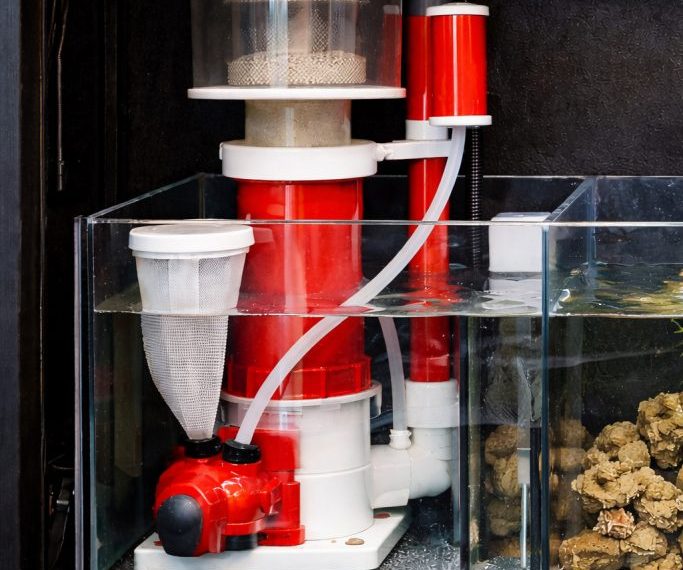
- Protein skimmer: Very helpful for tanks over ~30 gallons or heavier bioloads, removing dissolved organics before they break down.
- Powerheads: Aim for total flow of 20–40 times your tank volume per hour, especially if you plan to keep corals.
Lighting and livestock goals
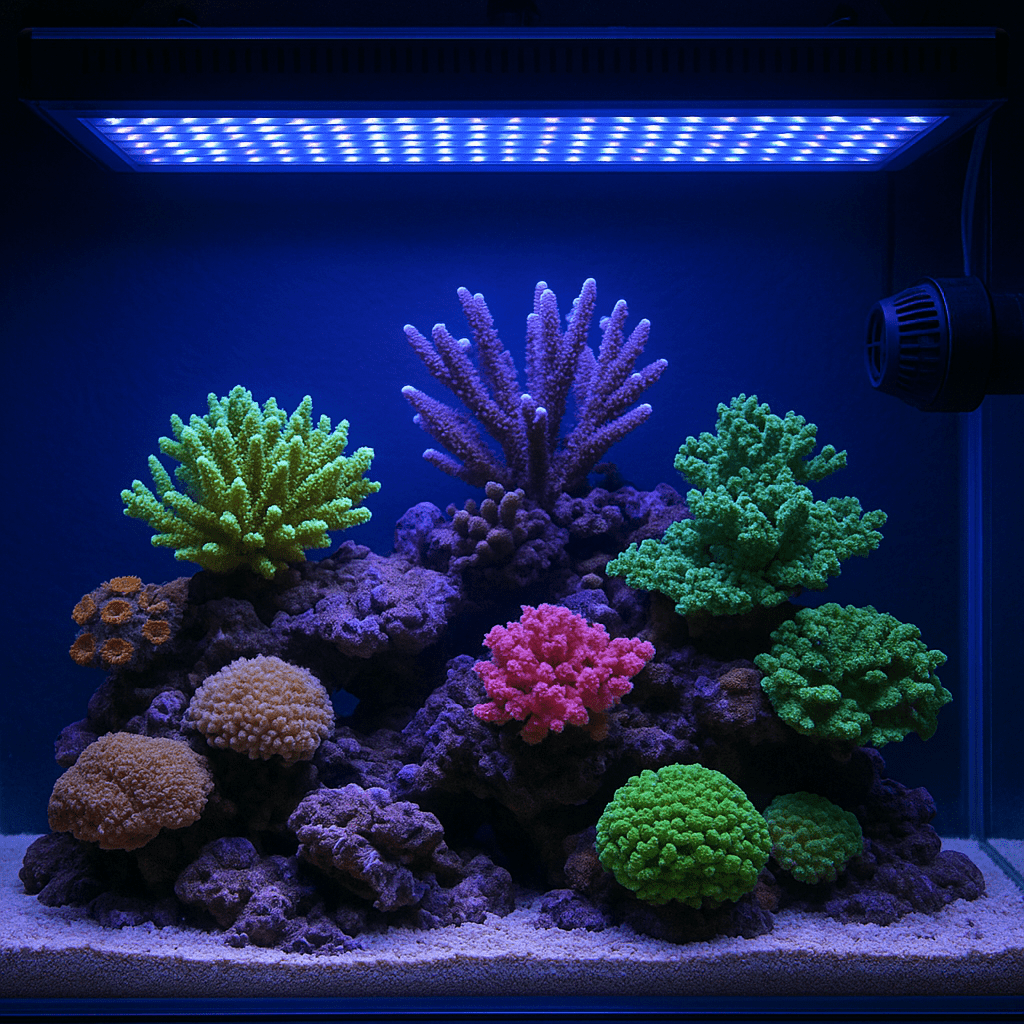
Your livestock plan should drive your lighting choice. If you want a fish-only system with some hardy invertebrates, moderate LED lighting is enough. If your goal is a reef tank with corals, you’ll need reef-capable LEDs that provide adequate PAR and spectrum.
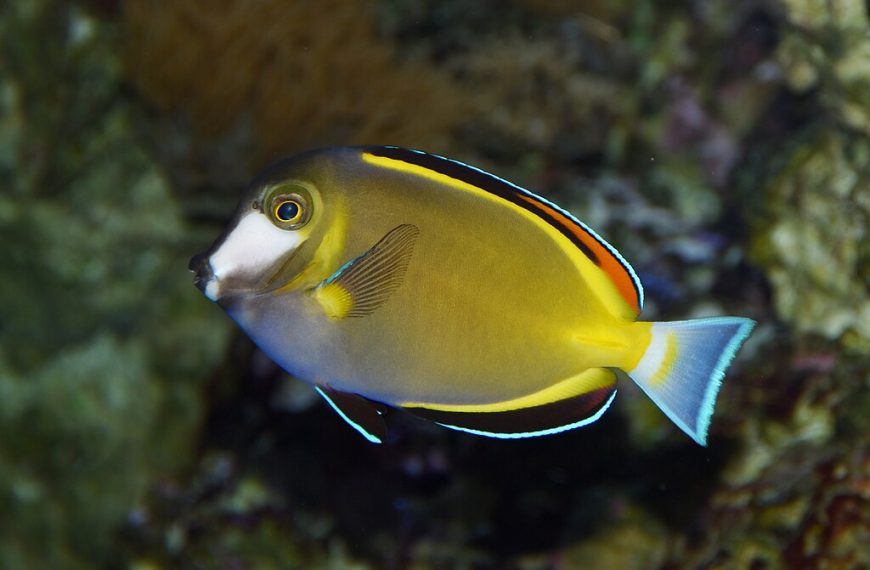
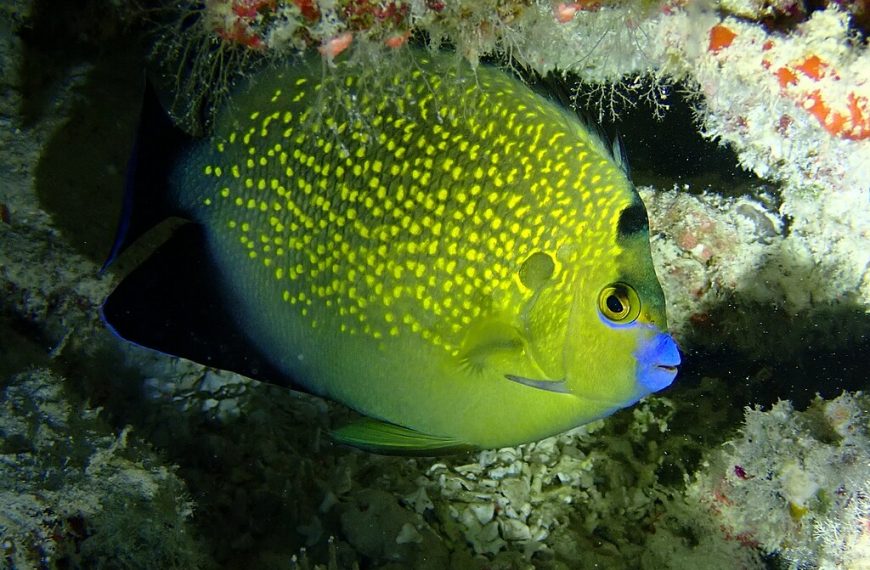
Before buying fish or corals, read through our beginner saltwater fish list to avoid species that are too aggressive, delicate, or large for a first tank.
Water source and mixing salt
- Use RO/DI water whenever possible to avoid nuisance algae and contaminants.
- Mix a reputable reef salt in a separate container with a heater and powerhead.
- Match temperature and salinity (1.024–1.026 specific gravity) before adding new water to the tank.
For a deeper dive on stability and routine care, see our article on creating a saltwater aquarium maintenance schedule.
Setting Yourself Up for Long-Term Success
Choosing your first saltwater aquarium is about more than just the glass box. A well-planned tank size, appropriate equipment, and realistic stocking goals will make the hobby far more enjoyable. Take your time, research before you buy, and resist the urge to rush fish into an uncycled system.
With patience, consistent maintenance, and a solid starting setup, your first saltwater aquarium can grow into a thriving, colorful centerpiece that rewards you every time you walk by.
Sources
- Sprung, J. & Delbeek, J. C. The Reef Aquarium, Vol. 1–3.
- Paletta, M. The New Marine Aquarium.
- Fenner, R. The Conscientious Marine Aquarist.
Was this helpful?
Related Posts
Protein Skimmer Reef Tank Guide
Learn how a protein skimmer works, how to size one, and how to tune it for a cleaner,…
 By
By
Reef Aquarium Water Parameters
Learn the ideal reef aquarium water parameters, safe ranges, and how to keep salinity, alkalinity, nutrients, and pH…