

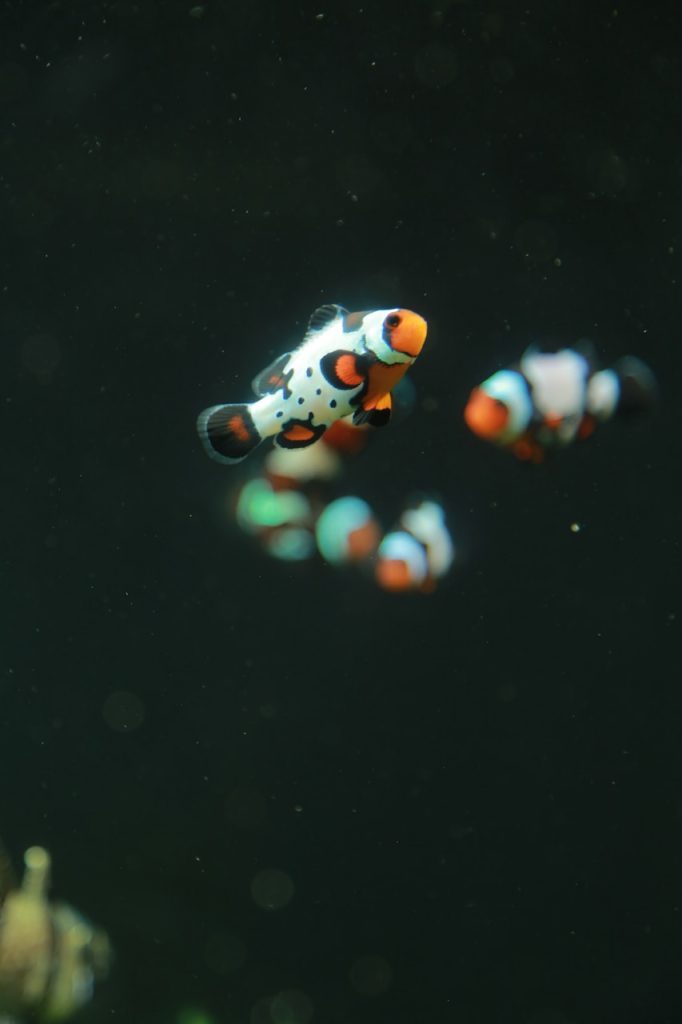
Breeding clownfish is one of the most rewarding reef projects. It is also very achievable at home. Success depends on stable pairs, clean water, proper feeding, and a simple larval setup. This guide explains each stage clearly, from pair formation to raising juveniles.
Many reef keepers want to breed clownfish because they are hardy, colorful, and often spawn in captivity. Yet many first attempts fail during the larval stage. Adults usually spawn without much trouble. The real challenge starts after the eggs hatch. Tiny larvae need the right food at the right time. They also need calm conditions and excellent water quality. In this guide, you will learn how clownfish breed, how to condition a pair, how to collect eggs or larvae, what to feed them, and how to solve common problems. You will also learn which tank setups work best for beginners.
Quick Reference Table
| Common species | Ocellaris, Percula, Tomato, Clarkii |
| Breeding difficulty | Moderate |
| Best beginner species | Ocellaris clownfish |
| Adult breeding tank | 20–30 gallons minimum |
| Spawning surface | Tile, pot, flat rock, or tank wall |
| Egg hatch time | Usually 6–10 days, often 7–8 |
| Larval tank size | 5–10 gallons |
| First food | Rotifers with phytoplankton |
| Second food | Baby brine shrimp and fine dry foods |
| Temperature | 78–82°F |
| Salinity | 1.024–1.026 specific gravity |
| pH | 8.1–8.4 |
| Key success factor | Food density and larval stability |
Why Clownfish Are Popular Breeding Fish
Clownfish are among the best marine fish for captive breeding. They adapt well to aquarium life. Many species spawn regularly once bonded. They also do not need a giant system. A dedicated pair can breed in a modest tank with simple equipment. This makes them ideal for beginners who want to try marine fish breeding.
Another advantage is predictability. Clownfish usually lay eggs on a fixed surface near their host area. The male tends the nest. He fans the eggs and removes bad ones. This behavior makes it easier to monitor progress. You can often predict hatch night with good accuracy. That helps you prepare the larval tank and live foods in advance.
Captive breeding also reduces pressure on wild populations. It supports more sustainable reef keeping. If you enjoy species-focused projects, clownfish breeding is a great next step after learning reef tank setup basics and stable saltwater parameters.
Natural Habitat and Breeding Behavior
Clownfish live in warm Indo-Pacific reefs. They are closely tied to host anemones in nature. Not every aquarium breeding pair needs an anemone, though. In captivity, they often adopt a corner, powerhead, tile, or clay pot as their nesting area. Ocellaris and Percula clownfish are the most common home-bred species.
Clownfish live in social groups with a strict hierarchy. The largest fish becomes female. The next largest becomes the breeding male. Smaller fish remain immature. This matters when forming a pair. Two large established females will usually fight. A larger fish paired with a much smaller juvenile is safer.
Spawning usually happens in the morning or early day. The pair cleans a hard surface first. The female lays adhesive eggs in neat rows. The male follows and fertilizes them. He then guards the nest until hatch night. Egg color changes with development. Fresh eggs are often bright orange. Near hatch, they darken and show silver eyes.
Choosing the Best Pair for Breeding
Start with healthy captive-bred fish if possible. They adapt better to aquarium foods and conditions. Ocellaris clownfish are the easiest choice for most hobbyists. They are hardy, peaceful, and widely available. Perculas also breed well, but they can be slightly more delicate.
The simplest method is to buy two juveniles of different sizes. The larger fish usually becomes female. The smaller fish becomes male. Watch for normal pairing behavior. Mild chasing is common at first. Constant biting and torn fins are not. A bonded pair will stay close, sleep together, and defend the same area.
Avoid mixing aggressive clown species unless you have experience. Tomato and maroon clownfish can be far more territorial. For most breeders, simple is better. Quarantine new fish first. This prevents disease from disrupting the breeding process. Good quarantine also supports long-term success, just like in reef fish quarantine routines.
Aquarium Setup for Breeding Adults
A 20 to 30 gallon tank works well for a breeding pair. Bare-bottom tanks are easy to clean. They also make eggs easier to inspect. Use a sponge filter or gentle biological filtration. Avoid strong suction near the nest. Add a heater, simple light, and a spawning surface such as a ceramic tile or small clay pot.
Keep the layout simple. Clownfish do not need complex rockwork to spawn. In fact, too much structure can make egg collection harder. Place the spawning tile near the pair’s chosen territory. Many breeders lean a tile against the tank wall at a slight angle. The pair often adopts it quickly.
Stability matters more than fancy equipment. Keep temperature around 79 to 81°F. Maintain salinity near 1.025. Keep ammonia and nitrite at zero. Nitrate should stay low. Perform regular water changes. Feed heavily, but export waste consistently. If you need help dialing in conditions, review how to cycle a saltwater tank and maintain biofiltration properly.
Lighting and Water Flow
Breeding clownfish do not need intense reef lighting. Moderate lighting is enough. A basic day and night schedule works well. Aim for 10 to 12 hours of light daily. Consistent photoperiod helps maintain routine and spawning rhythm.
Water flow should be gentle to moderate. Adults like enough movement to keep oxygen levels high. Eggs also benefit from water movement. However, direct blast on the nest can damage eggs or stress the pair. Position pumps carefully. Let the male do most of the fanning work.
Larval tanks need even gentler flow. Strong current exhausts larvae quickly. Most breeders use only an air-driven sponge filter after the first days. During the earliest stage, many larval tanks run with very little flow at all. Calm water helps larvae hunt rotifers and conserve energy.
Feeding and Conditioning the Pair
Good nutrition drives spawning. Feed the pair at least two to three times daily. Offer a varied diet. Use high-quality pellets, frozen mysis, enriched brine shrimp, finely chopped seafood, and roe when available. Variety improves egg quality and supports regular spawns.
Do not rely on one food alone. Dry foods are convenient, but frozen foods often boost conditioning. Enrich foods with vitamins or omega-rich supplements if needed. Healthy females become fuller in the belly before spawning. Males become more attentive to the nest site.
Feed enough to build condition, but avoid dirty water. Siphon leftovers. Test water weekly. Stable nutrition plus stable water usually triggers breeding faster than chasing special additives. If your fish are healthy and bonded, patience often matters more than gadgets.
Step-by-Step Clownfish Breeding Process
Step 1: Form a bonded pair. Start with two healthy fish of different sizes. Let them establish roles. Watch for reduced aggression and shared territory.
Step 2: Condition with heavy feeding. Feed multiple times daily. Keep water clean. Add a tile or pot for spawning.
Step 3: Observe courtship and nest cleaning. The pair will nip and clean a hard surface. The female’s belly often looks swollen with eggs.
Step 4: Monitor the eggs. The male fans them constantly. Remove only clearly dead eggs if needed. Healthy eggs darken over time.
Step 5: Prepare the larval tank before hatch night. Use a 5 to 10 gallon blacked-out or dim tank. Match temperature and salinity to the parent tank. Have rotifers ready.
Step 6: Transfer eggs or collect larvae. Many breeders move the tile on hatch day. Others let eggs hatch in the parent tank and scoop larvae gently.
Step 7: Feed rotifers immediately after hatch. Keep rotifer density high. Add phytoplankton to maintain nutrition and green the water.
Step 8: Transition to larger foods. After several days, begin enriched baby brine shrimp and fine dry feeds. Wean gradually.
Step 9: Grow out juveniles. Once metamorphosis occurs, move them to a grow-out tank with filtration and frequent water changes.
Larval Tank Setup and First Foods
The larval stage is where most losses happen. Keep the setup simple and controlled. A 5 to 10 gallon tank is enough for a small batch. Black sides help larvae focus on food. Use water from the broodstock system to match conditions. Keep lighting dim at first, but bright enough for feeding.
Rotifers are the standard first food. They must be available before hatch night. Newly hatched clownfish are too small for most other foods. Rotifers should be enriched and abundant. Greenwater from phytoplankton helps keep rotifers nutritious and easier for larvae to hunt against the background.
After about five to seven days, depending on species and growth, begin enriched baby brine shrimp. Introduce fine powdered or very small pellet foods later. Watch bellies closely. Full larvae show a visible gut line. Empty larvae drift and weaken fast. Food timing is everything during this stage.
Propagation and Grow-Out
Once larvae complete metamorphosis, they begin to look like tiny clownfish. This usually happens around 8 to 12 days, though timing varies. At this point, they become much hardier. Their feeding response improves. They can handle stronger filtration and more frequent maintenance.
Move juveniles to a grow-out tank once they are stable and feeding well. Use a sponge filter or other gentle biofiltration. Keep stocking density reasonable. Overcrowding slows growth and increases aggression. Perform small, frequent water changes to keep ammonia under control.
Sort fish by size if needed. Larger juveniles may outcompete smaller ones. Continue varied feeding several times daily. As they grow, introduce standard marine pellets and frozen foods. Healthy juveniles should show strong color, straight spines, full fins, and active feeding behavior.
Compatibility in a Breeding Setup
A dedicated breeding tank works best. Community tanks create problems. Other fish may eat eggs or disturb the pair. Even peaceful tank mates can stress breeding clownfish. Stress often leads to missed spawns or poor egg care.
Corals and invertebrates are less of a direct issue, but they complicate maintenance. A simple species tank is easier to clean and observe. It also makes larval collection much easier. If you must keep the pair in a reef tank, expect lower survival for eggs and larvae.
Anemones are optional. They can encourage natural behavior, but they are not required for spawning. Many pairs breed for years without one. For practical breeding, a tile is usually more useful than an anemone.
Common Problems
Why are my clownfish not spawning?
The pair may not be fully bonded yet. They may also be underfed or stressed. Check temperature, salinity, and nitrate. Increase feeding frequency and variety. Add a better spawning surface. Give them time. Some pairs need months before the first spawn.
Why do the eggs disappear?
New pairs often eat early clutches. This is common. Poor fertilization also causes losses. Disturbance from tank mates can trigger egg predation too. Keep the tank calm. Improve conditioning. Most experienced pairs get better with time.
Why are larvae dying in the first few days?
This usually points to food density, water quality, or flow. Rotifers may be too sparse. Larvae may be starving even if some food is present. Ammonia can also spike quickly in small tanks. Keep the larval tank clean, stable, and gently aerated.
Why are larvae deformed or weak?
Nutrition is often the cause. Poor broodstock diet leads to weak eggs. Poor enrichment leads to weak larvae. Sudden salinity swings and rough handling also contribute. Improve adult nutrition and use properly enriched live foods.
Why are juveniles fighting?
Clownfish establish hierarchy early. Crowding makes aggression worse. Separate by size if needed. Add more space and maintain heavy feeding. Small groups can work, but watch for fin damage and bullied fish.
Frequently Asked Questions
How long does it take clownfish eggs to hatch?
Most hatch in about 7 to 8 days at typical reef temperatures. Cooler water can slow development.
Do clownfish need an anemone to breed?
No. Many pairs spawn regularly without an anemone. A tile or pot is often better for breeding projects.
What is the easiest clownfish to breed?
Ocellaris clownfish are the easiest for most hobbyists. They are hardy and widely available as captive-bred fish.
Can I raise clownfish larvae without rotifers?
Usually no. Rotifers are the standard first food. Most substitutes are too large for newly hatched larvae.
How often do clownfish spawn?
Healthy pairs may spawn every 10 to 18 days. Frequency depends on species, nutrition, and stability.
Clownfish breeding becomes much easier once you build a repeatable routine. Focus on pair health first. Then focus on larval food production. Most failures come from rushing or skipping preparation. Keep records for each spawn. Track hatch timing, food density, and survival. Small adjustments lead to big improvements over time. With patience, even a beginner can raise healthy captive-bred clownfish at home.
Was this helpful?
Related Posts
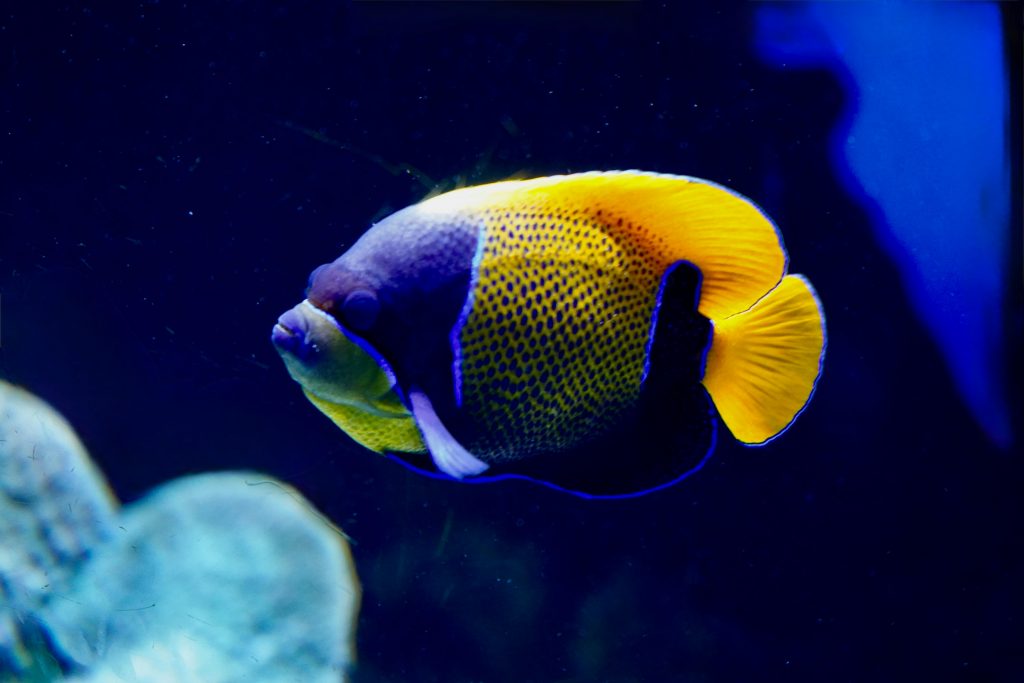
Majestic Blue Girdled Angelfish (Pomacanthus Navarchus)
Majestic Angelfish care requires a large stable tank, varied sponge-based foods, and caution in reefs due to coral…
 By
By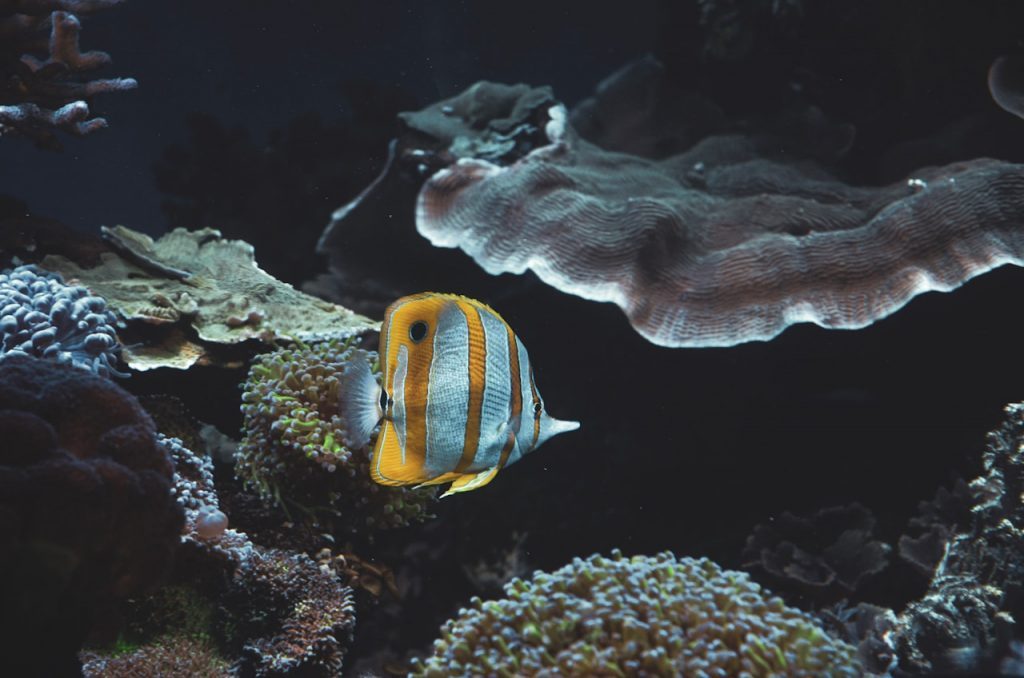
Butterflyfish Care in Marine Aquariums
Practical butterflyfish care for marine aquariums, including tank size, feeding steps, and quarantine tips for healthy long-term success.
[favorite_button]
My Bookmarks:
To see full list click here
[user_favorites user_id="" include_links="true" site_id="" post_types="" include_thumbnails="true" thumbnail_size="thumbnail" include_excerpt="false"]