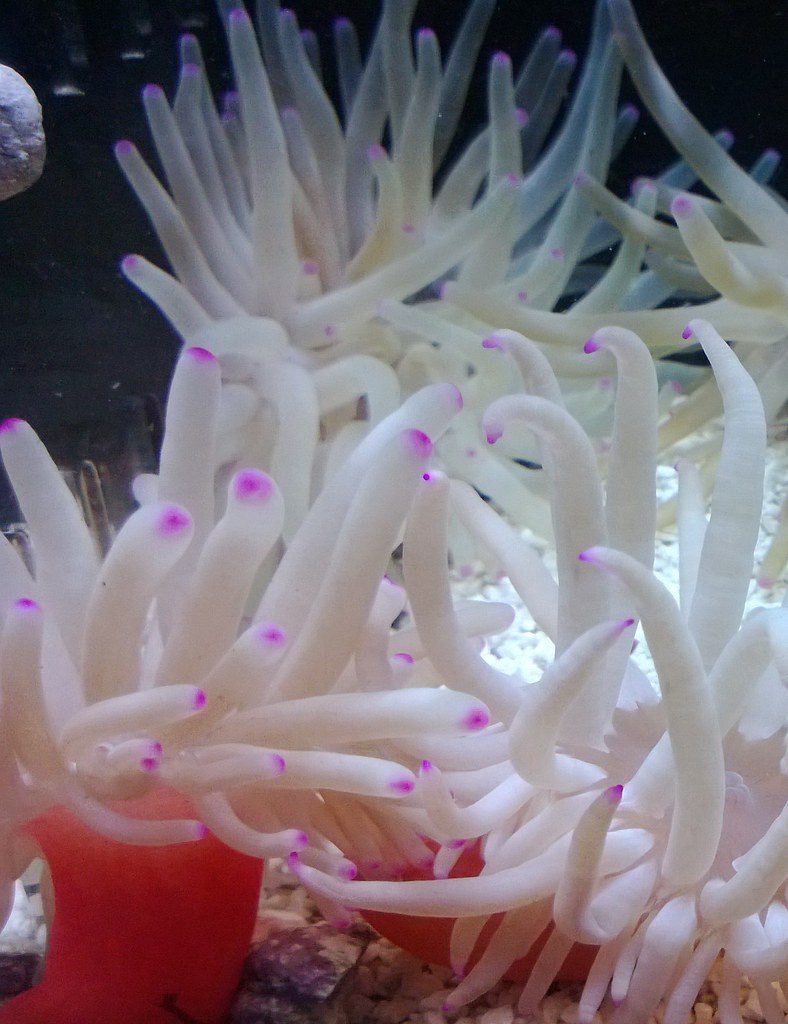
Condy anemones are hardy and affordable. They also have a few surprises for new reef keepers. This guide covers care, placement, feeding, and common problems.
What a Condy Anemone Is (and Isn’t)
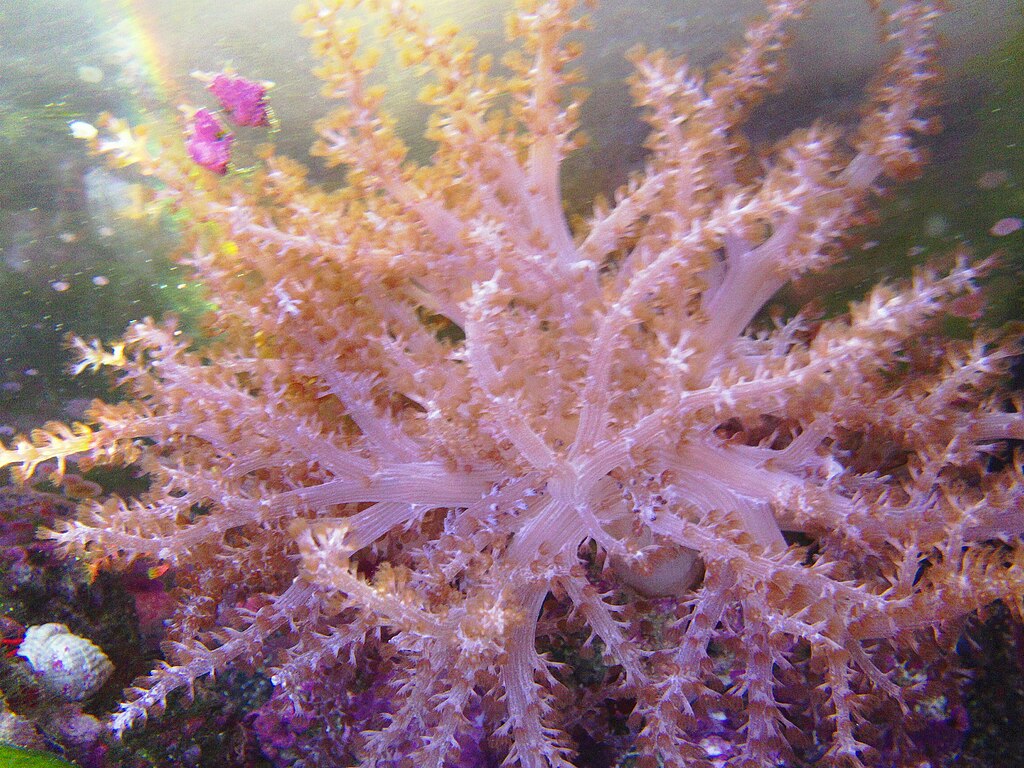
“Condy” usually means Condylactis gigantea. It is a Caribbean species. Many stores label it as a beginner anemone. It can be, but only with stable water.
Condy anemones often look like clownfish hosts. Most clownfish will not use them. Some clowns may try, then get stung. Plan your stocking as if it will not host.
They can grow large in home tanks. A 10-inch diameter is common. Some reach 12 inches with strong light and feeding. Give it room away from corals.
They wander when unhappy. They can sting corals and fish. Use a plan for “anemone-proofing” the tank. See reef tank compatibility guide for safe neighbors.
- Minimum tank size: 40 gallons for stability and space.
- Keep 6–10 inches clearance from corals and clams.
- Expect movement during the first 1–2 weeks.
Water, Lighting, and Placement That Work
Stable parameters matter more than chasing “perfect” numbers. Aim for salinity 1.025–1.026. Keep temperature 77–79°F. Maintain pH 8.1–8.4 and alkalinity 8–10 dKH.
Nitrate and phosphate should not be zero. Try nitrate 5–15 ppm. Keep phosphate 0.03–0.10 ppm. Ultra-low nutrients can cause shrinking and poor color.
Lighting should be moderate to strong. Target PAR 150–250 at the oral disc. Start lower if it looks bleached. Increase by 5–10% per week. Use a 9–12 hour photoperiod.
Give it a rock crevice and a sandy base. Most condys like a firm foot on rock. They also like the column supported by sand. Flow should be moderate and varied. Avoid direct blasting from a pump.
Protect intakes before it settles. Use foam guards or mesh covers. Wandering anemones can get shredded. That can crash a small tank fast. Review powerhead safety for reef tanks for guard options.
- Acclimate 45–60 minutes with drip or small cup additions.
- Turn down flow for 2–4 hours after placement.
- Do not force the foot off rock. Use gentle water flow instead.
Feeding, Tankmates, and Troubleshooting
Condy anemones can live on light and dissolved nutrients. They still benefit from feeding. Feed 1–2 times per week for growth and color. Use small portions to avoid regurgitation.
Offer pieces about the size of its mouth. Try thawed mysis, chopped shrimp, or scallop. Rinse frozen food in tank water first. Place food on the tentacles with tongs. Wait until it grips before restoring strong flow.
Choose tankmates with care. Avoid slow fish and long-finned fish. Avoid most ornamental shrimp. Peppermint and cleaner shrimp can get grabbed at night. Keep aggressive coral sweepers away too.
Common issues are shrinking, gaping, and repeated wandering. Shrinking often means low nutrients, low light, or recent shipping stress. Gaping with stringy mucus can mean poor water or injury. Test ammonia and nitrite at 0 ppm. Do a 20% water change if unsure.
If it keeps moving, check three things first. Check flow is not too direct. Check light is not too intense at its spot. Check for stings from neighbors. Use carbon for 48 hours after a sting event. Learn more in reef anemone care basics.
- Signs of good health: sticky tentacles, tight mouth, steady inflation.
- Red flags: foot won’t attach, mouth stays open, tissue tears.
- Emergency step: isolate in a breeder box with gentle flow.
Condy anemones reward steady reef keeping. Give them stable parameters, safe flow, and space from corals. Feed lightly and watch their movement patterns. With patience, they become a bold centerpiece.
Sources: Borneman, Eric H. “Aquarium Corals.” Delbeek & Sprung, “The Reef Aquarium” Vol. 1–3. Fenner, Robert. “The Conscientious Marine Aquarist.”
Was this helpful?
Related Posts
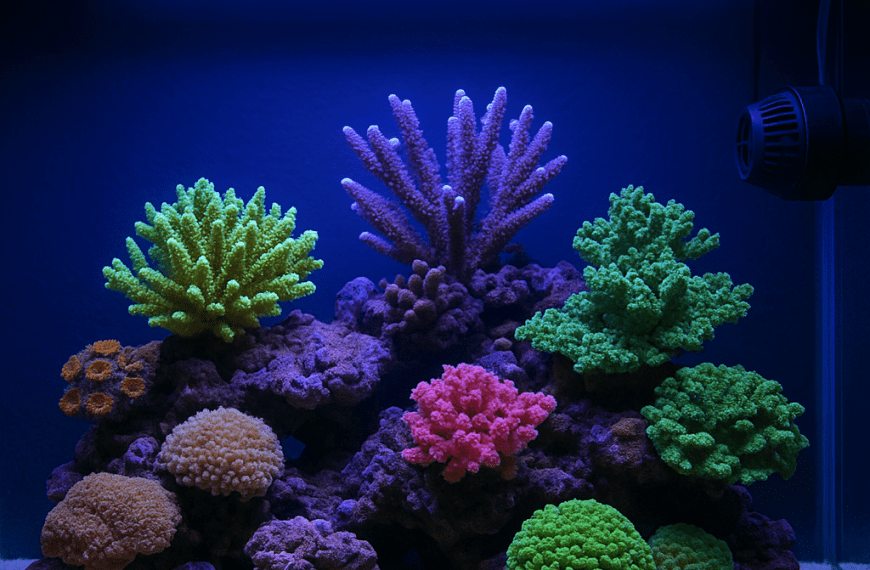
Reef Safe Fish for Beginners
Discover the best reef safe fish for beginners, plus tank size, feeding, and compatibility tips for a peaceful…
 By
By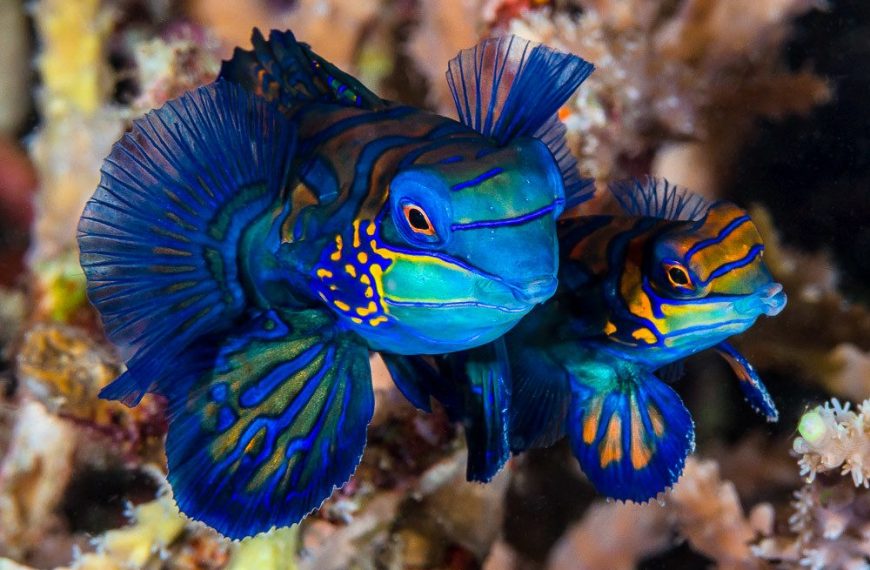
Dragonets Fish Care
Dragonets are beautiful reef fish, but they need mature tanks and steady food sources. Learn how to keep…