Why Algae Takes Over Reef Tanks
Algae is normal in reef tanks. A little growth is healthy and expected. Problems start when algae spreads fast. Then it smothers rock, sand, and even corals.
Most algae issues come from three things. Extra nutrients, excess light, and weak export. Fix those, and algae becomes manageable.
Common nutrient sources include heavy feeding, overstocked fish, and trapped detritus. Old light bulbs or long photoperiods also encourage growth. Poor flow lets waste settle and break down.
Do not chase a spotless tank. Aim for balance instead of perfection.
Step 1: Reduce Nutrients At The Source
First, look at feeding. Most reef tanks get too much food. Fish often need far less.
- Feed small amounts that fish finish in 30–60 seconds.
- Rinse frozen foods in RO/DI water before feeding.
- Skip feeding one day per week for healthy adult fish.
Next, improve mechanical filtration. Clean filter socks and sponges often. Dirty media becomes a nutrient factory.
- Change filter socks every 2–3 days.
- Rinse sponges weekly in removed saltwater.
- Vacuum detritus from sump chambers during water changes.
Test nitrate and phosphate regularly. Track trends, not single readings. Aim for low but detectable levels.
- Nitrate target: 5–20 ppm for most mixed reefs.
- Phosphate target: 0.03–0.1 ppm, depending on coral types.
For more on water quality basics, see our guide on maintaining stable reef tank parameters.
Step 2: Strengthen Your Export Methods
Export is how you remove nutrients from the system. Strong export keeps algae in check.
Use Your Skimmer Effectively
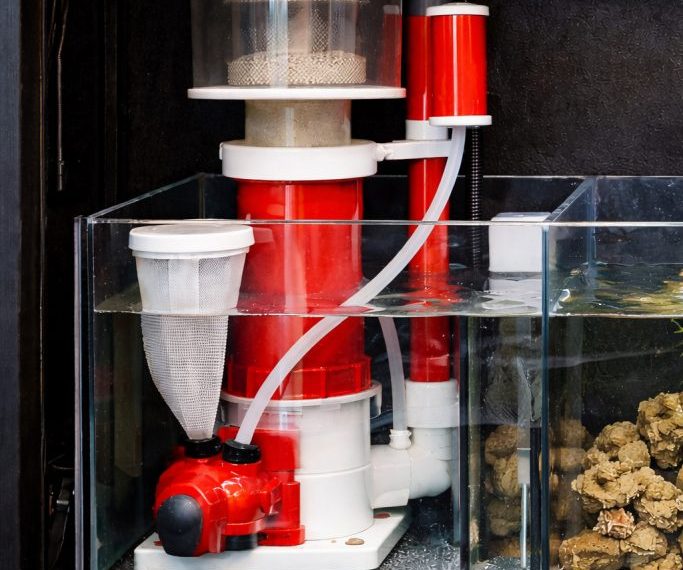
A good protein skimmer is powerful algae control. It pulls out organics before breakdown.
- Run the skimmer wet enough to produce dark tea-colored skimmate.
- Clean the neck at least weekly for consistent performance.
- Ensure air intakes are not clogged with salt creep.
Water Changes And Media
Regular water changes dilute nutrients and replenish trace elements.
- Change 10–15% weekly or 20% every two weeks.
- Use zero TDS RO/DI water for mixing and top-off.
Phosphate media can help stubborn cases. Run GFO or a similar product carefully. Avoid stripping phosphate to zero.
Refugiums And Macroalgae
A refugium with macroalgae competes directly with nuisance algae. It is natural and effective.
- Grow chaetomorpha under a strong refugium light.
- Harvest macroalgae regularly to remove locked nutrients.
- Provide moderate flow to prevent detritus buildup.
Learn more about refugium setups in our article on building a simple reef tank sump and refugium.
Step 3: Light, Flow, And Clean-Up Crew
Dial In Your Lighting
Excess light fuels algae. Adjust intensity and duration carefully.
- Run reef lights 8–10 hours for the main photoperiod.
- Reduce white channels slightly if algae is severe.
- Replace old T5 bulbs each 9–12 months.
Improve Flow And Manual Removal
Strong, varied flow keeps detritus suspended. It also makes surfaces less friendly to algae.
- Aim for random, turbulent flow, not one strong jet.
- Blow off rocks with a turkey baster before water changes.
- Scrub stubborn patches with a toothbrush during maintenance.
Manual removal will not solve the root cause. But it speeds recovery once nutrients drop.
Choose Helpful Clean-Up Crew
Clean-up crew animals are support, not a cure. They help keep surfaces tidy.
- Trochus and turbo snails graze rock and glass effectively.
- Nassarius snails help stir the sand bed.
- Emerald crabs may eat bubble algae in some tanks.
Research each species before purchase. Match animals to your tank size and inhabitants. For stocking ideas, see our post on the best clean-up crew for small reef tanks.
Putting It All Together
Algae control is about habits, not quick fixes. Focus on consistent maintenance and testing.
Reduce nutrients, improve export, and fine-tune light and flow. Then let time work. With patience, your reef will settle into balance. Corals will outcompete nuisance algae, and the tank will look cleaner longer.
Sources
- Sprung, J. & Delbeek, J. C. The Reef Aquarium, Volumes 1–3.
- Fossa, S. A. & Nilsen, A. The Modern Coral Reef Aquarium.
- Holmes-Farley, R. H. “Nitrate in the Reef Aquarium” and related articles, Reefkeeping Magazine.
Was this helpful?
Related Posts
Protein Skimmer Reef Tank Guide
Learn how a protein skimmer works, how to size one, and how to tune it for a cleaner,…
 By
By
Reef Aquarium Water Parameters
Learn the ideal reef aquarium water parameters, safe ranges, and how to keep salinity, alkalinity, nutrients, and pH…