

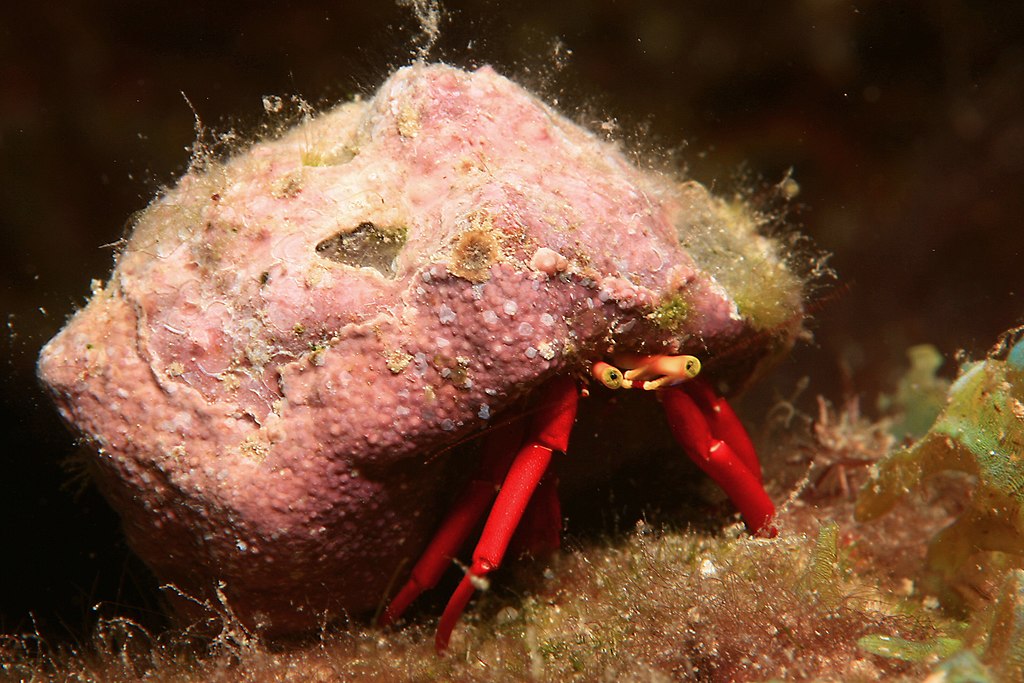
A saltwater cleanup crew controls algae, leftover food, and detritus in a reef tank. The right mix helps keep rock, sand, and glass cleaner. It does not replace maintenance, but it makes reef care easier and more stable.
Many new reef keepers think a cleanup crew is a simple shopping list. It is not. The best crew depends on tank size, algae type, sand bed depth, and livestock. In this guide, you will learn what a saltwater cleanup crew does, which animals are most useful, how many you need, and how to avoid common mistakes. We will also cover compatibility, feeding, acclimation, and troubleshooting. A smart cleanup crew supports nutrient control and helps your reef look better between water changes.
Saltwater Cleanup Crew Quick Reference
| Cleanup Crew Animal | Best For | Reef Safe | Notes |
|---|---|---|---|
| Trochus snails | Glass and rock algae | Yes | Excellent all-around grazer. Can often right themselves. |
| Turbo snails | Heavy algae growth | Usually | Strong eaters. Can knock over loose frags. |
| Cerith snails | Film algae and detritus | Yes | Useful on rock, glass, and sand. |
| Nassarius snails | Leftover food in sand | Yes | Not algae eaters. Great scavengers. |
| Astrea snails | Rock and glass algae | Yes | Good grazers. May struggle if flipped over. |
| Blue leg hermits | Detritus and some algae | With caution | Can fight snails for shells. |
| Scarlet hermits | Light algae and detritus | Usually | Less aggressive than many hermits. |
| Emerald crabs | Bubble algae | Usually | Can become opportunistic if underfed. |
| Tuxedo urchins | Coralline and nuisance algae | Usually | Strong grazer. May carry loose items. |
| Fighting conchs | Sand bed cleanup | Yes | Best in established tanks with open sand. |
Use this table as a starting point. Do not buy every animal listed. Match the crew to your tank’s real needs. A tank with clean rock and dirty sand needs different helpers than a tank with hair algae on every surface.
What Is a Saltwater Cleanup Crew?
A saltwater cleanup crew is a group of invertebrates that eat algae, waste, and leftover food. These animals work in different parts of the aquarium. Some graze on glass. Some sift the sand. Others scavenge uneaten food before it breaks down. Together, they reduce visible mess and help lower nutrient buildup.
Cleanup crews are helpful, but they are not magic. They cannot fix overfeeding, poor flow, weak filtration, or bad source water. If nitrate and phosphate stay high, algae will keep returning. Think of your cleanup crew as support for your husbandry routine. It works best with regular water changes, strong export, and stable parameters.
Most reef tanks benefit from a mixed crew. Snails are usually the foundation. Hermits, crabs, conchs, and urchins can add specialized help. The goal is balance. Too few animals leave waste behind. Too many starve once the tank looks clean.
Natural Habitat and Why It Matters
Cleanup crew animals come from reefs, lagoons, seagrass beds, and shallow rubble zones. In nature, they spend all day grazing and scavenging. Food is spread across huge areas. In an aquarium, food sources are limited. That is why stocking density matters so much.
Trochus, cerith, and astrea snails often live on hard surfaces with algae and biofilm. Nassarius snails bury in sandy bottoms and rush out when they smell food. Emerald crabs hide in rockwork and pick at algae in crevices. Conchs cruise open sand flats. Urchins graze constantly across rock and glass.
Knowing this natural behavior helps you choose wisely. A conch in a bare-bottom tank will not thrive. A large turbo snail in a tiny nano may bulldoze everything. Matching the animal to the environment improves survival and performance.
Best Saltwater Cleanup Crew Members
Snails are the most reliable reef-safe cleaners. Trochus snails are top choices for most tanks. They eat film algae, diatoms, and light nuisance algae. Cerith snails are also very useful. They work on rock, glass, and sand. Nassarius snails are great scavengers, but they do not eat algae. They help prevent leftover food from rotting in the substrate.
Hermit crabs are popular, but they are less predictable. Blue leg and scarlet hermits can eat detritus and some algae. They may also attack snails for shells. If you keep hermits, provide extra empty shells. Emerald crabs can help with bubble algae. Some remain model citizens. Others may nip corals or steal food from polyps.
For larger or mature tanks, consider a fighting conch or tuxedo urchin. Conchs are excellent sand cleaners. Urchins are powerful algae eaters. They need stable rockwork and enough food. Avoid impulse buys. Always research adult size and behavior.
How Many Cleanup Crew Members Do You Need?
There is no perfect per-gallon rule. Old advice often suggests too many animals. That leads to starvation. Start light and add slowly. Watch what your tank actually produces. A new tank with diatoms may need more grazers than a mature tank with low nutrients.
For many mixed reefs, a practical starting point is one snail for every three to five gallons. Use a mix, not one species. For example, a 40-gallon tank might start with six trochus, four cerith, and three nassarius snails. Add more only if algae or detritus remains after two weeks. Hermits should be used sparingly. One to three small hermits in a nano is often enough. Larger tanks can support more variety.
Your fish load also matters. Heavy feeding creates more work for scavengers. Bare-bottom systems need fewer sand cleaners. Tanks with lots of open sand benefit from conchs and nassarius snails.
Step-by-Step: Building the Right Cleanup Crew
- Identify the problem first. Look for film algae, hair algae, leftover food, or dirty sand.
- Check your nutrients. Test nitrate and phosphate before buying more livestock.
- Choose animals by job. Use grazers for algae and scavengers for leftover food.
- Start with hardy snails. Trochus, cerith, and nassarius are safe first choices.
- Add small numbers. Let the tank adjust for one to two weeks.
- Acclimate carefully. Many invertebrates are sensitive to salinity swings.
- Observe after lights out. This shows which areas still collect waste.
- Supplement if needed. Add nori or sinking foods when the tank becomes too clean.
- Replace losses slowly. Do not restock blindly without finding the cause.
This method prevents overstocking. It also saves money. A cleanup crew should solve a specific need, not just fill a cart.
Aquarium Setup for Cleanup Crew Success
Most cleanup crew animals need stable reef conditions. Keep salinity around 1.025 specific gravity. Maintain temperature between 76 and 78 degrees Fahrenheit. Avoid sudden shifts. Invertebrates handle instability poorly. Strong aeration and good flow also matter. Detritus should not settle in dead spots all day.
Aquascaping affects how well your crew works. Snails need access to rock and glass. Conchs need open sand. Urchins need secure rockwork. If your frags are loose, large snails and urchins may knock them over. Secure corals before adding bulldozer species like turbo snails.
Tank maturity is important too. Brand-new tanks often go through ugly stages. A small cleanup crew helps, but it cannot instantly erase them. Let the tank mature. Build biodiversity. Good live rock, bacteria, and patient stocking improve long-term results.
Feeding a Saltwater Cleanup Crew
Many hobbyists assume cleanup crew animals only eat what the tank provides. That is only partly true. In a newer tank with algae, food is often abundant. In a clean, mature reef, some members may need extra feeding. This is common with emerald crabs, hermits, conchs, and urchins.
You can supplement with dried nori, algae pellets, sinking wafers, or small amounts of frozen food. Feed lightly. Watch who eats. Remove leftovers if they sit too long. Nassarius snails respond well to meaty foods. Grazing snails prefer biofilm and algae. Urchins often enjoy clipped seaweed sheets once rock algae declines.
Starvation is a common hidden problem. If snails become inactive, lose grip, or die one by one, the tank may be too clean or unstable. Supplemental feeding can extend survival and prevent needless losses.
Compatibility With Fish, Corals, and Invertebrates
Most cleanup crew animals are reef safe with corals. Still, compatibility issues happen. Hermits may steal food from LPS corals. Emerald crabs may pick at fleshy corals if hungry. Urchins may move frags and decorations. Snails are usually the safest option in mixed reefs.
Fish compatibility matters even more. Wrasses, puffers, triggers, hawkfish, and some larger dottybacks may attack snails, crabs, or shrimp. Even “reef safe” fish can pick at tiny invertebrates. Research your fish list before investing in a large cleanup crew. Predation often explains sudden disappearances.
Also avoid mixing too many competing scavengers in small tanks. A nano reef cannot support a large hermit group, several crabs, and multiple sand sifters for long. Keep the crew simple. Let each animal fill a clear role.
Common Problems
Why are my cleanup crew snails dying?
The usual causes are salinity shock, copper exposure, starvation, or predation. Always drip acclimate sensitive invertebrates. Never add them to tanks treated with copper. Check salinity with a calibrated refractometer. Inspect shells for pecking damage or hermit attacks. If the tank is spotless, feed a little more.
Why is algae still growing with a cleanup crew?
A cleanup crew manages algae. It does not remove the cause. Test phosphate and nitrate. Reduce overfeeding. Improve export with skimming, water changes, or media if needed. Increase flow in dead zones. Then match the crew to the algae type. Trochus help with film algae. Urchins and turbo snails help with heavier growth.
Why are hermit crabs killing my snails?
Hermits may want shells, food, or territory. Add several empty shells in mixed sizes. Feed the tank consistently. If aggression continues, reduce hermit numbers. Many reef keepers skip hermits entirely and rely on snails instead.
Why does my sand still look dirty?
Dirty sand often points to low flow, overfeeding, or trapped detritus. Nassarius snails and conchs help, but they cannot fix poor circulation. Adjust powerheads so waste stays suspended long enough for filtration to catch it. Vacuum problem areas during water changes.
Frequently Asked Questions
What is the best cleanup crew for a beginner reef tank?
A mix of trochus, cerith, and nassarius snails is the best starting point. They are useful, hardy, and generally reef safe.
Do I need hermit crabs in a reef tank?
No. Hermits are optional. Many successful reef tanks use only snails and other peaceful cleaners.
When should I add a cleanup crew to a new saltwater tank?
Add a small crew after the cycle is complete and the first algae appears. Do not add a large crew on day one.
Can a cleanup crew lower nitrate and phosphate?
Only indirectly. They consume waste before it breaks down further. Export methods still control nutrients long term.
How often should I replace cleanup crew members?
Replace them only as needed. First find out why they died. Constant replacement often hides a tank problem.
Final Tips for a Balanced Cleanup Crew
The best saltwater cleanup crew is targeted, not oversized. Start with snails. Add specialists only when needed. Watch your tank closely. Feed responsibly. Keep parameters stable. Most of all, remember that no cleanup crew can replace good reef husbandry. It should support your system, not carry it.
If you want to improve overall tank stability, read our guides on reef tank water parameters, how to cycle a saltwater tank, reef tank algae control, and best clean up crew snails for reef tanks. These topics work together and help you build a healthier reef.
Was this helpful?
Related Posts
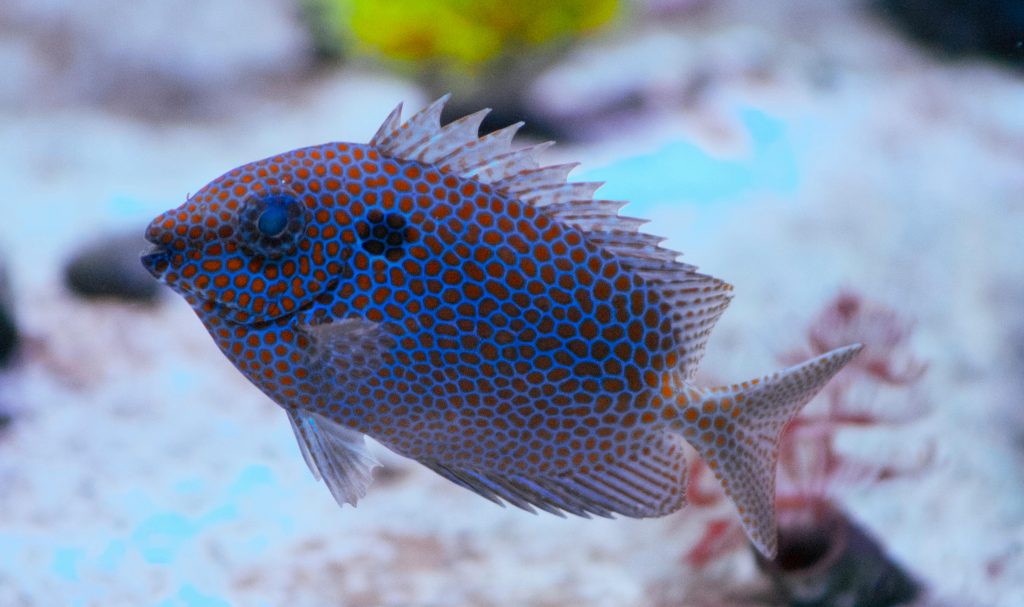
Gold Spotted Rabbitfish (Siganus Punctatus)
Gold Spotted Rabbitfish care includes large tanks, heavy algae feeding, and caution with corals. Learn tank size, diet,…
 By
By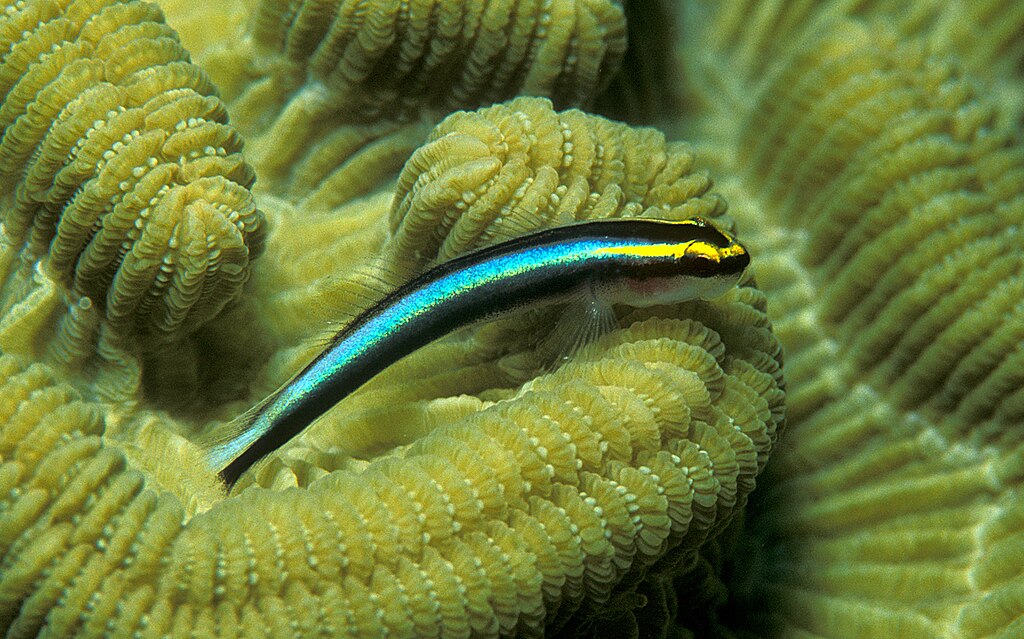
Sharknose Goby (Elacatinus evelynae)
Sharknose Goby care is simple in stable reef tanks. Learn feeding, tank setup, compatibility, and common problems for…
[favorite_button]
My Bookmarks:
To see full list click here
[user_favorites user_id="" include_links="true" site_id="" post_types="" include_thumbnails="true" thumbnail_size="thumbnail" include_excerpt="false"]