
Coral Beauty Angelfish (Centropyge bispinosa): A Colorful Reef Favorite
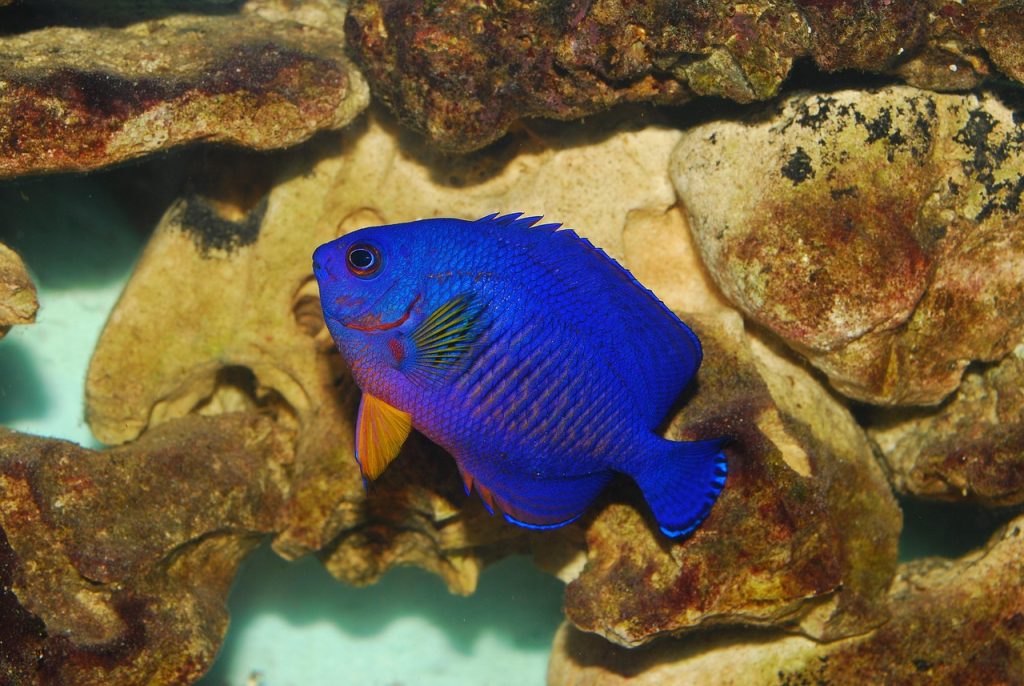
The Coral Beauty Angelfish (Centropyge bispinosa) is one of the most popular dwarf angelfish in the saltwater aquarium hobby. With its deep purple body, bright orange swirls, and constant motion, this hardy fish adds instant life and color to almost any marine tank. While often considered beginner-friendly, it still has specific care needs and reef-compatibility concerns that every aquarist should understand before bringing one home.
Tank Requirements & General Care
Coral Beauties stay relatively small, usually topping out around 4 inches, which makes them appropriate for many home aquariums. However, they are active swimmers and grazers, so they still need adequate space and rockwork.
- Minimum tank size: 55 gallons for a single Coral Beauty.
- Temperature: 72–78°F (22–26°C).
- pH: 8.1–8.4.
- Specific gravity: 1.023–1.026.
Provide plenty of live rock with caves, overhangs, and crevices. Coral Beauties spend much of their day weaving through rockwork, picking at algae and detritus. A well-established tank with healthy biofilm and microalgae will keep them more active, less stressed, and better nourished.
For more on setting up a stable marine environment, see our guide on setting up your first saltwater aquarium.
Diet, Behavior & Reef Compatibility
Feeding the Coral Beauty Angelfish
In the wild, Coral Beauties graze on algae, sponges, and small invertebrates. In captivity, aim for a varied diet to keep their colors vivid and their immune system strong:
- High-quality marine angelfish pellets or flakes with added spirulina.
- Frozen foods like mysis shrimp and enriched brine shrimp.
- Sheets of nori (dried seaweed) clipped to the glass.
- Occasional offerings of angelfish formulas that include sponge content.
Feed small portions 2–3 times per day. Well-fed Coral Beauties are less likely to nip at corals and clams.
Temperament and Tankmates
Coral Beauty Angelfish are generally semi-aggressive. They can be territorial, especially toward similar-shaped fish or other dwarf angelfish. In most community setups, they coexist well with:
- Peaceful to moderately aggressive reef fish (clownfish, wrasses, gobies).
- Tangs and other active swimmers, provided the tank is large enough.
- Most invertebrates such as snails and hermit crabs.
Keeping more than one dwarf angelfish in the same tank usually requires a larger, more complex aquascape and careful introduction. Many hobbyists choose to keep only a single dwarf angel per tank to avoid aggression.
Are Coral Beauties Reef-Safe?
Coral Beauty Angelfish are best described as “reef-safe with caution.” Individual behavior varies—some never touch corals, while others develop a taste for fleshy polyps.
They are most likely to nip at:
- LPS corals (e.g., acans, fleshy brains, and open brains).
- Clams, especially their mantles.
- Zoanthids and some soft corals.
If your priority is a pristine coral display, be prepared for some risk. Adding the Coral Beauty after your rockwork is mature and ensuring it has plenty of natural algae and regular feedings can reduce coral-nipping. For more stocking ideas, check out our article on reef safe fish guide.
Health, Acclimation & Final Thoughts
Coral Beauties are relatively hardy but still vulnerable to common marine diseases like marine ich and velvet. Always quarantine new arrivals for 2–4 weeks if possible. Use a slow drip acclimation process to help them adjust to your tank’s salinity and temperature.
Key health tips:
- Maintain excellent water quality with regular testing and water changes.
- Provide a stress-free environment with hiding spots and stable tankmates.
- Offer a nutrient-rich, varied diet to support immune health.
When given proper care, the Coral Beauty Angelfish can be a long-lived, centerpiece fish full of personality and color. It’s an excellent choice for aquarists ready to move beyond true beginner fish and add a vibrant, active dwarf angelfish to their display. To learn how this species compares to other dwarf angels, see our overview of dwarf angelfish for saltwater aquariums.
Sources
- Michael, S. (2001). Angelfishes & Butterflyfishes. Microcosm.
- Fenner, R. (2008). The Conscientious Marine Aquarist. TFH Publications.
- Sprung, J. & Delbeek, J. (1994–2005). The Reef Aquarium Vol. 1–3. Ricordea Publishing.
Was this helpful?
Related Posts
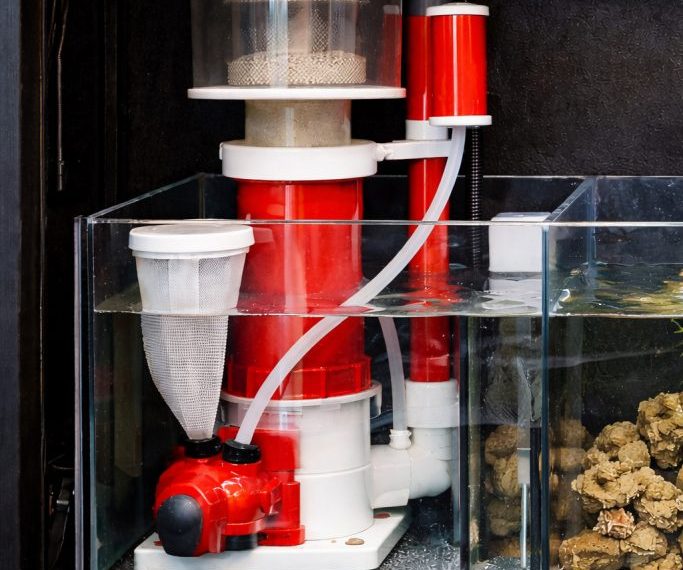
Protein Skimmer Reef Tank Guide
Learn how a protein skimmer works, how to size one, and how to tune it for a cleaner,…
 By
By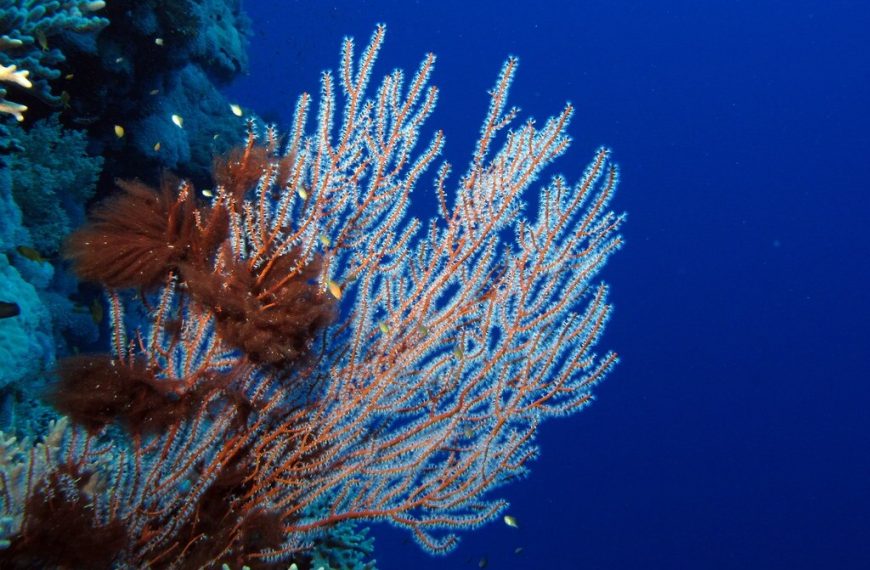
Reef Aquarium Water Parameters
Learn the ideal reef aquarium water parameters, safe ranges, and how to keep salinity, alkalinity, nutrients, and pH…