

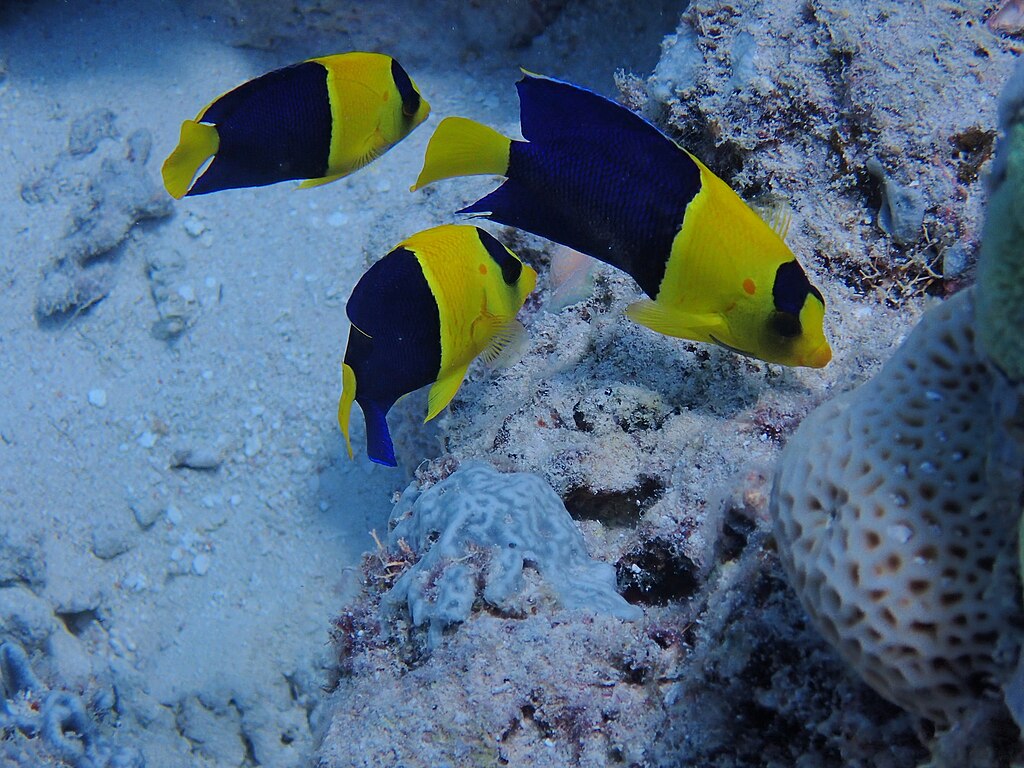
Dwarf angelfish can work in reef tanks, but they are never fully risk free. Some species behave well for years. Others nip corals within days. Success depends on species choice, tank size, feeding, and careful observation.
Many reef keepers love dwarf angels for their color, movement, and personality. They bring constant activity to the rockwork. They also graze all day, which makes them fun to watch. The challenge is simple. Most dwarf angelfish are considered reef safe with caution. That means they may ignore corals, or they may sample fleshy LPS, zoanthids, clam mantles, and even SPS polyps. In this guide, you will learn which species are safer, how to set up the tank, what to feed, and how to reduce coral nipping. You will also learn common warning signs and what to do if a fish becomes destructive.
Quick Reference Table
| Category | Recommendation |
|---|---|
| Common Group | Centropyge dwarf angelfish |
| Reef Safety | Reef safe with caution |
| Minimum Tank Size | 55 gallons for smaller species, 70+ preferred |
| Temperament | Semi-aggressive |
| Diet | Algae, sponge-based foods, mysis, pellets |
| Best Kept | One per tank in most reef systems |
| Risk Targets | LPS, zoanthids, clam mantles, some SPS polyps |
| Ideal Aquascape | Mature live rock with caves and grazing surfaces |
| Difficulty | Moderate |
This table gives a fast overview. The details matter even more. Species choice and tank maturity make a huge difference with these fish.
What Counts as a Dwarf Angelfish?
Dwarf angelfish are small marine angels in the genus Centropyge. Popular species include the coral beauty, flame angel, cherub angel, lemonpeel angel, potter’s angel, and multicolor angel. Most stay under 5 inches. Their smaller size makes them more manageable than large angelfish. Still, they need stable water and enough space.
These fish spend much of the day picking at rock surfaces. In nature, they eat algae, detritus, tunicates, and sponge material. That grazing behavior is the reason they can become risky in reefs. A coral polyp or clam mantle may look like another food source. Some individuals never develop that habit. Others do.
The key point is this. Reef safety is individual, not guaranteed. Two flame angels from the same store may behave very differently. Always plan for the possibility that removal may become necessary.
Best Dwarf Angelfish for Reef Tanks
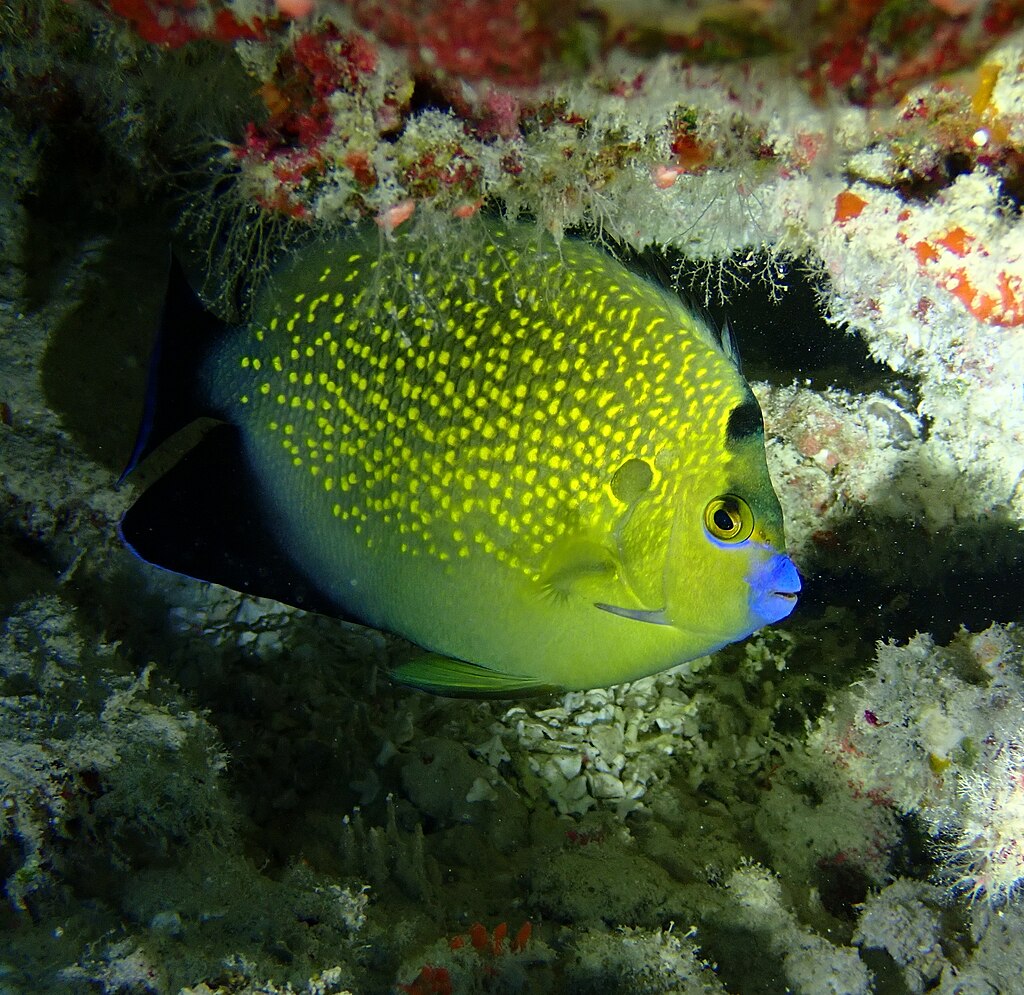
Some dwarf angelfish have better reef reputations than others. The coral beauty is one of the most common choices. It is hardy, widely available, and often adapts well to prepared foods. The flame angel is another favorite. Its red and black pattern stands out in almost any reef. It can be a good candidate, but some individuals nip often.
The cherub angel stays small and bold. It usually fits well in medium tanks, but it can be territorial. Potter’s angels are beautiful, yet they can be delicate and need a mature tank. Lemonpeel angels are striking, but they have a stronger nipping reputation. The multicolor angel is attractive and less common, though it still carries some coral risk.
If your main goal is coral safety, start with a coral beauty or flame angel from a healthy source. If your tank contains expensive fleshy corals or clams, you should think very carefully before adding any dwarf angel.
Natural Habitat
Dwarf angelfish live on Indo-Pacific and Atlantic reefs, depending on species. They usually inhabit rocky reef slopes, coral-rich lagoons, and rubble zones with many hiding places. These areas provide constant access to algae films, microfauna, sponge growth, and shelter.
They rarely sit still for long. In the wild, they weave through crevices and defend small feeding territories. This matters in captivity. A bare tank with little rock often stresses them. They feel exposed and may become aggressive or refuse food.
Their natural diet is varied and scattered across the reef. That is why mature live rock helps so much. It gives them surfaces to inspect all day. A tank with established biofilm often produces calmer behavior and smoother acclimation.
Aquarium Setup
A 55-gallon tank is the practical minimum for many species. A 70 to 90-gallon reef is better. More rock and more swimming room reduce stress. Smaller species like a cherub angel may fit in smaller tanks, but aggression often rises when space is tight.
Build an aquascape with caves, arches, and multiple escape routes. Leave open water in front for swimming. Use mature live rock if possible. New tanks often lack enough natural grazing. That can lead to poor adjustment and more interest in corals.
Stable water matters more than chasing exact numbers. Keep salinity near 1.025, temperature around 76 to 78 degrees, and nitrate at a reasonable level. Dwarf angels usually tolerate moderate nutrients well. Avoid sudden swings in alkalinity, salinity, or temperature. Stress often shows up as hiding, fading color, or aggression.
Lighting Requirements
Dwarf angelfish do not need special lighting for their own health. Your coral lighting plan matters more. These fish adapt well to typical reef lighting, including LED, T5, and hybrid systems. What matters is having shaded areas in the rockwork.
Bright reef tanks can make a new angel feel exposed at first. Overhangs and caves fix that problem. If a fish arrives stressed, dim the lights during acclimation or add it near the end of the photoperiod. That often reduces panic and helps it settle faster.
Strong lighting will also increase algae and film growth on rock. That can benefit these fish by giving them more to graze between feedings. In that sense, a mature, well-lit reef can actually support better long-term behavior.
Water Flow
Moderate to strong reef flow works well for dwarf angelfish. They come from active reef environments. Still, they need calm pockets behind rock where they can rest. Avoid blasting every area with direct flow.
Good circulation helps keep oxygen high and detritus low. That supports overall fish health. It also keeps food suspended longer during feeding, which can help shy angels eat. If your fish struggles in open current, adjust powerheads to create more sheltered lanes.
Flow also affects coral placement. If a dwarf angel starts nipping one coral repeatedly, moving that coral to a different area sometimes helps. It breaks the fish’s routine and may reduce focused picking.
Feeding
Feeding is one of the best ways to reduce coral nipping. A hungry dwarf angel is more likely to experiment. Offer small meals two to three times daily when possible. Use a varied diet. Good options include mysis shrimp, spirulina brine, quality pellets, marine algae, frozen angel formulas, and sponge-based foods.
Clip nori to the glass several times each week. Let the fish graze naturally. Rotate foods often. Variety improves nutrition and keeps them interested in prepared foods. New arrivals may ignore pellets at first. Frozen foods usually work better during the first weeks.
Do not overfeed to the point of poor water quality. The goal is consistency, not excess. Well-fed angels still may nip corals, but regular feeding lowers the odds. It also supports color, immune function, and long-term weight.
Compatibility
Dwarf angelfish are semi-aggressive. They usually mix well with tangs, clownfish, wrasses, gobies, and many reef-safe community fish. Problems are more likely with other dwarf angels, similarly shaped fish, and timid species that cannot compete for food.
In most reef tanks, keep only one dwarf angel. Pairs or groups are advanced projects. They need large tanks and careful species planning. Even then, fighting can happen. Add the angel after very timid fish have settled, but before highly aggressive fish claim the whole rockwork.
Coral compatibility is the real issue. Zoanthids, acans, fleshy LPS, open brains, and clam mantles are common targets. SPS are not always safe either. Some fish pick at polyps all day. Others never touch them. If your reef is packed with prized corals, the risk may outweigh the reward.
Step-by-Step Guide to Adding a Dwarf Angelfish
- Choose a healthy specimen. Look for clear eyes, full body shape, and steady swimming.
- Quarantine the fish. Watch for ich, flukes, and bacterial issues before display entry.
- Train it onto prepared foods. Frozen foods and sponge formulas help most.
- Add it to a mature reef. Established rock gives natural grazing and shelter.
- Use an acclimation box if needed. This reduces aggression from tankmates.
- Feed lightly but often during the first week. A settled fish is less likely to nip.
- Observe coral behavior daily. Watch for repeated picking at the same colonies.
- Have a backup plan. A fish trap may be needed if nipping becomes severe.
Propagation or Breeding
Dwarf angelfish breeding is rare in home reef tanks. Some public aquariums and advanced breeders have spawned Centropyge species, but raising larvae is difficult. The larval stage is long and demanding. Specialized live foods are required.
For most hobbyists, propagation is not a practical goal. Focus on proper care and responsible stocking instead. If captive-bred options become available for your preferred species, they are worth considering. Captive-bred fish often adapt to aquarium foods faster and may place less pressure on wild reefs.
Common Problems
Why is my dwarf angel nipping corals?
The most common causes are hunger, boredom, species tendency, or individual personality. Increase feeding frequency first. Add algae sheets and sponge-based foods. Check whether the tank has enough mature rock for grazing. If the fish keeps targeting one coral, move that coral or isolate the fish.
Why is my dwarf angel hiding all the time?
New fish often hide for several days. Aggressive tankmates can make this worse. So can bright lighting and sparse rockwork. Test water quality and check for disease. Offer food near its hiding area. If the fish breathes heavily or flashes, inspect for parasites.
Why did my angel stop eating?
Stress is the usual reason. Recent shipping, harassment, or poor acclimation can all suppress appetite. Try frozen mysis, brine with spirulina, and angel formulas. Rule out flukes and marine ich in quarantine. A healthy fish should show interest in food within a reasonable time.
How do I remove a coral nipping angel?
Use a fish trap first. It is easier and safer than tearing apart the reef. Bait the trap with favored foods and give the fish time. Barbless hooks are a last resort for experienced keepers only. Draining rockwork should be avoided when possible.
Frequently Asked Questions
Are dwarf angelfish reef safe?
They are reef safe with caution. Some behave perfectly. Others nip corals and clams.
What is the safest dwarf angel for a reef tank?
No species is guaranteed safe, but coral beauty and flame angels are common choices. Individual behavior still matters.
Can I keep two dwarf angelfish together?
Usually not in average reef tanks. Most hobbyists should keep one per tank to avoid fighting.
Do dwarf angelfish eat algae?
Yes. They graze algae films and other growth on rock all day. They still need prepared foods.
Will a dwarf angel eat zoanthids or clams?
It can. Zoanthids and clam mantles are common targets for problem individuals.
Final Thoughts
Dwarf angelfish add huge personality to a reef tank. They are active, colorful, and full of character. They also come with real coral risk. If you accept that tradeoff, choose the species carefully, buy a healthy fish, feed a varied diet, and use a mature tank with plenty of rock. Watch closely during the first month. If the fish behaves, you may enjoy one of the most rewarding reef fish in the hobby.
Related reading: best reef safe fish, reef tank compatibility guide, how to quarantine marine fish, reef tank water parameters, coral beauty angelfish care
Was this helpful?
Related Posts
Rhodactis Mushrooms Care
Rhodactis mushrooms are hardy reef corals that prefer low to moderate light, gentle flow, and stable water. Learn…
 By
By
Setting Up A Reef Tank
Setting up a reef tank is easier when you focus on stability, smart equipment, and slow stocking. This…
[favorite_button]
My Bookmarks:
To see full list click here
[user_favorites user_id="" include_links="true" site_id="" post_types="" include_thumbnails="true" thumbnail_size="thumbnail" include_excerpt="false"]