Coral Care Tips for a Thriving Reef Tank
Keeping corals healthy is one of the most rewarding parts of the saltwater aquarium hobby. Those vibrant colors and flowing polyps are a sign that your reef is stable and thriving. Whether you keep soft corals, LPS, or SPS, the core principles of coral care are the same: stable water, appropriate lighting, and consistent maintenance.
Dialing In Water Parameters and Stability
Corals can adapt to a range of conditions, but they do poorly with sudden swings. Aim for stability first, then fine-tune your numbers.
- Salinity: 1.025–1.026 specific gravity (35 ppt). Use a calibrated refractometer and top off daily with fresh RO/DI water.
- Temperature: 76–78°F (24–26°C). Use a reliable heater and, if needed, a fan or chiller to avoid spikes.
- Alkalinity: 8–9 dKH; Calcium: 400–450 ppm; Magnesium: 1250–1350 ppm.
- Nutrients: Nitrate 5–15 ppm, phosphate 0.03–0.1 ppm for most mixed reefs. Ultra-low nutrients can starve corals.
Test weekly, log your results, and make small adjustments. If you’re still learning the basics of tank chemistry, be sure to read your Beginner Saltwater Aquarium Guide first so you understand how changes in one parameter can affect the rest.
Lighting, Flow, and Placement
Light and flow are how corals “breathe” and “eat.” Matching each coral to the right spot in your aquascape is one of the most important coral care skills.
Lighting for Coral Health
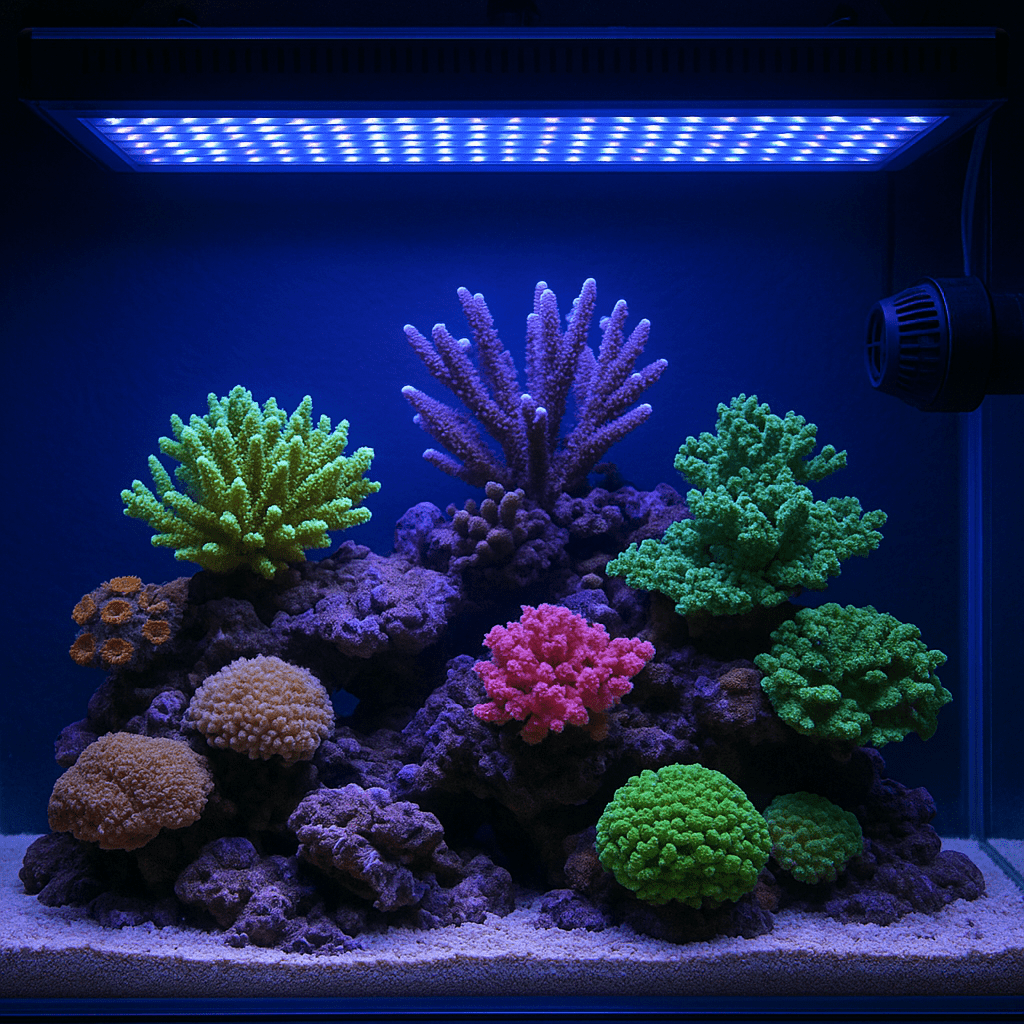
Most reef corals prefer blue-heavy lighting in the 10,000–20,000K range. Intensity is just as important as spectrum:
- Soft corals & many LPS: Low to moderate PAR (50–150), great for lower rockwork and shaded areas.
- SPS corals: Higher PAR (200–350+), usually placed higher up and directly under the light.
Whenever you change lights or move a coral higher in the tank, acclimate slowly over 1–2 weeks using your light’s acclimation mode or by gradually increasing intensity. Sudden jumps can cause bleaching.
Flow and Coral Placement
Flow delivers oxygen and food while removing waste from coral tissue.
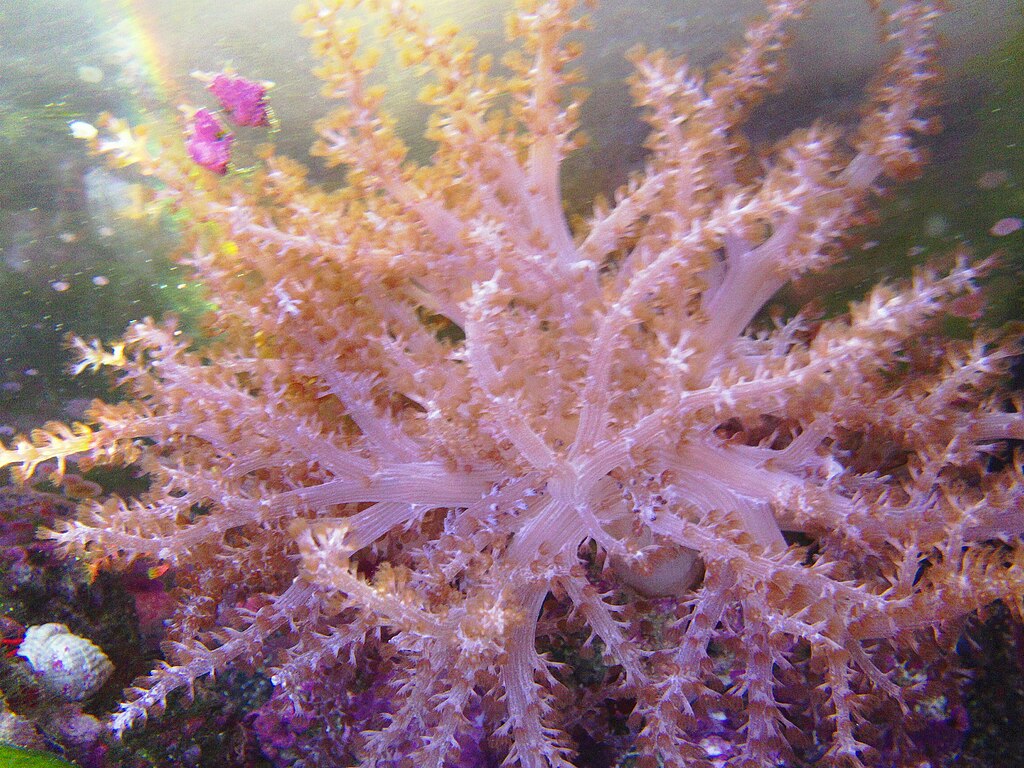
- Soft corals: Prefer gentle to moderate, indirect flow so they sway but don’t fold over.
- LPS: Moderate, random flow. Too much direct flow can tear fleshy polyps.
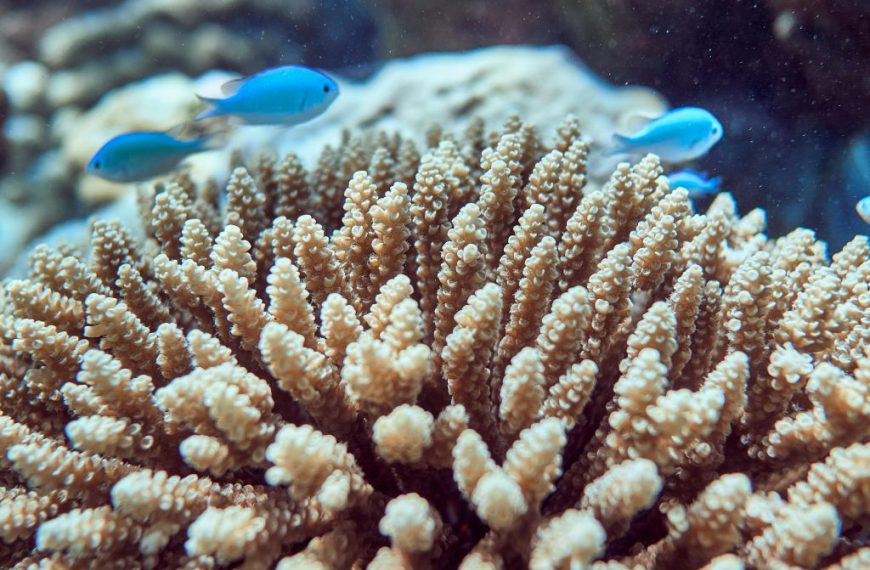
- SPS: Strong, turbulent flow that keeps polyps extended and detritus off the skeleton.
Use multiple powerheads aimed to create random, intersecting currents rather than a single “jet” blast. If you’re still designing your aquascape, check out our Aquascaping Ideas for Reef Tanks to plan coral-friendly rock structures with shelves, caves, and overhangs.
Feeding, Maintenance, and Practical Tips
Many corals get most of their energy from light, but targeted feeding can boost growth and color, especially for LPS and non-photosynthetic species.
- Feed a mix of fine coral foods (e.g., reef roids–style powders) and meaty foods (mysis, small pellets) 1–3 times per week.
- Turn off return pumps and reduce flow during spot feeding so food stays in contact with the coral.
- Perform 10–15% water changes every 1–2 weeks to replenish trace elements and keep nutrients in check.
- Inspect corals regularly for pests like flatworms, nudibranchs, and aiptasia. Always dip new corals before adding them.
Hobbyist tip: Make one small change at a time and observe for a week. Corals respond slowly, so patience prevents over-correcting.
For a deeper dive into long-term reef stability and routine, see our Reef Tank Maintenance Checklist and adapt it to your own schedule.
With stable parameters, thoughtful placement, and consistent care, your corals will reward you with growth, color, and movement that only improves over time. Take notes, move slowly, and enjoy watching your reef mature—every new polyp and encrusting edge is proof you’re on the right path.
Sources
- Borneman, E. H. Aquarium Corals: Selection, Husbandry, and Natural History. TFH Publications.
- Sprung, J. & Delbeek, J. C. The Reef Aquarium series. Ricordea Publishing.
- Randy Holmes-Farley, “Reef Aquarium Water Parameters,” various articles and FAQs on reef chemistry.
Was this helpful?
Related Posts
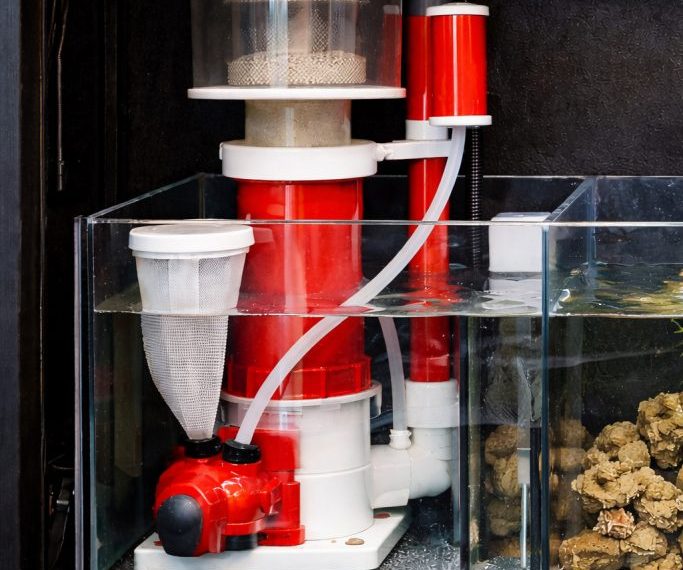
Protein Skimmer Reef Tank Guide
Learn how a protein skimmer works, how to size one, and how to tune it for a cleaner,…
 By
By
Reef Aquarium Water Parameters
Learn the ideal reef aquarium water parameters, safe ranges, and how to keep salinity, alkalinity, nutrients, and pH…