

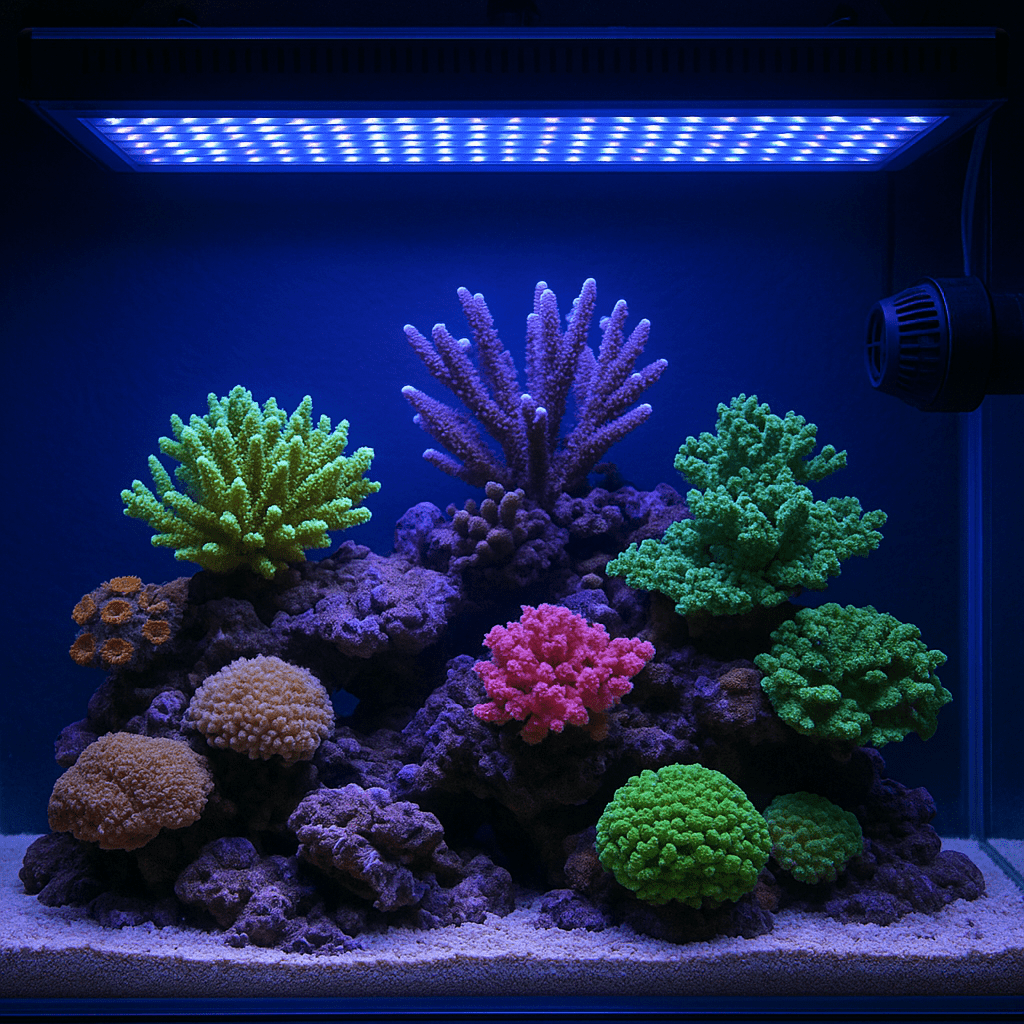
Setting up a new reef tank is easier when you follow a clear plan. This guide covers equipment, cycling, aquascaping, water chemistry, and early maintenance so your aquarium starts stable and stays healthy.
A new tank setup can feel overwhelming at first. Reef systems have many moving parts. You need the right tank, solid equipment, stable saltwater, and patience during cycling. The good news is that success comes from simple habits. Build slowly. Test often. Avoid rushing livestock. In this guide, you will learn how to choose a tank, assemble your gear, mix saltwater, add rock and sand, cycle the system, and stock it safely. You will also learn common beginner mistakes and how to avoid them. If you want a smooth reef tank start, this article will help you build a strong foundation.
Quick Reference Table
| Category | Recommended Starting Point |
|---|---|
| Tank size | 20 to 40 gallons for beginners |
| Salinity | 1.025 specific gravity |
| Temperature | 77 to 79°F |
| pH | 7.8 to 8.4 |
| Alkalinity | 8 to 9 dKH |
| Ammonia | 0 ppm before livestock |
| Nitrite | 0 ppm before livestock |
| Nitrate | Under 10 to 20 ppm during early stages |
| Phosphate | 0.03 to 0.10 ppm |
| Flow | Moderate, varied circulation |
| Lighting | Moderate during cycle, then match livestock needs |
| Cycle time | Usually 2 to 6 weeks |
Use these numbers as a starting point. Stability matters more than chasing exact values. A reef tank does best when changes happen slowly and predictably.
Step 1: Choose the Right Tank and Location
Your first decision shapes everything that follows. Pick a tank size you can maintain consistently. Many beginners assume smaller tanks are easier. In reality, tiny tanks swing faster. Salinity and temperature can change quickly. A 20 to 40 gallon reef is often a great starting point. It offers enough water volume for better stability. It also fits most homes without major issues.
Place the aquarium on a level, sturdy stand. Keep it away from direct sun. Avoid vents, drafty windows, and high traffic areas. Sunlight fuels nuisance algae. Temperature swings stress fish and corals. You also need easy access to power outlets and water. Leave room behind the tank for cords and maintenance. Before you buy anything else, confirm the floor can support the total weight. Saltwater tanks are heavy. Water, rock, sand, and glass add up fast.
Step 2: Gather Essential Reef Equipment
Reliable equipment prevents many beginner problems. Start with the basics. You need a tank, stand, heater, thermometer, return pump if using a sump, powerheads for flow, and a quality light. You also need a protein skimmer for many setups, though some smaller tanks can run well without one if maintenance is strict. Use an auto top off if possible. It keeps salinity stable by replacing evaporated water.
Filtration can be simple or advanced. A hang on back filter works on some beginner systems. A sump adds water volume and hides equipment. Many reef keepers prefer a sump for flexibility. Use a refractometer for salinity. Hydrometers are less precise. You also need test kits for ammonia, nitrite, nitrate, alkalinity, and phosphate. Calcium and magnesium matter once coral demand increases. If you are still comparing systems, read our reef tank equipment guide and reef aquarium filtration basics.
Step 3: Use Pure Water and Mix Salt Correctly
Water quality matters from day one. Tap water often contains nitrate, phosphate, silicate, copper, or chloramine. These can fuel algae and harm invertebrates. Use RODI water whenever possible. It gives you a clean starting point. Mix reef salt in a dedicated container with a pump and heater. Never add dry salt directly into a stocked aquarium.
Mix the saltwater for several hours. Some hobbyists mix overnight. Match the temperature to the display tank. Then check salinity with a calibrated refractometer. Aim for 1.025 specific gravity. Do not guess. Small errors become larger problems later. Once mixed, you can fill the tank. Add a plate or bag on the sand bed when pouring water. This prevents a sandstorm. For more detail on salinity and chemistry, see our reef tank water parameters article.
Aquarium Setup: Rock, Sand, and Aquascaping
Aquascaping affects flow, coral placement, and fish behavior. Start with reef-safe rock. Dry rock is common and pest free. Live rock can seed biodiversity faster, but it may bring hitchhikers. Many successful tanks use mostly dry rock with a small amount of live rock or bottled bacteria. Rinse dry rock if it is dusty. Rinse sand until the water runs clearer, unless the manufacturer says not to.
Build a stable structure with open space. Avoid stacking rock against the glass. Leave room for flow around the reef. Fish need caves and shaded areas. Corals need shelves and ledges for future growth. Use reef-safe mortar, rods, or epoxy if needed. Stability is critical. Falling rock can crack glass or crush coral. Keep the scape lower than you think. Corals grow. A tank that looks sparse today can look full in a year. If aquascaping is new to you, our reef aquascaping tips page can help.
Lighting Requirements for a New Tank
Lighting should match your livestock goals. Fish-only systems need less intense lighting. Soft corals and many LPS corals do well under moderate light. SPS corals usually need stronger, more stable lighting. In a brand new tank, avoid blasting the system with high intensity from day one. Strong light plus fresh nutrients often triggers ugly algae phases.
Start with a shorter photo period. Six to eight hours is often enough during the earliest stage. Increase gradually once the tank stabilizes and you begin adding coral. If your light has programmable channels, avoid extreme blue and white swings. Keep settings simple. Consistency is better than constant tweaking. PAR meters are ideal, but not required for every beginner. Follow the light manufacturer’s mounting height and spread recommendations. Place lower light corals on the sand bed at first. Then adjust slowly based on response.
Water Flow and Circulation
Flow keeps waste suspended and oxygen levels high. It also delivers nutrients to coral tissue. Dead spots collect detritus and fuel algae. Most reef tanks need more movement than beginners expect. Aim for varied, indirect flow rather than one harsh stream. Two smaller powerheads often work better than one large pump.
Watch how food and fine particles move in the water. If debris settles in corners, adjust your pumps. If sand blows everywhere, reduce direct flow near the bottom. Soft corals usually prefer moderate, swaying movement. Many SPS corals need stronger, chaotic flow. Fish also appreciate calm areas where they can rest. Good circulation helps the nitrogen cycle by supporting oxygen-loving bacteria. It also improves skimmer performance and surface gas exchange. During setup, test pump placement before livestock arrives. Small adjustments now save trouble later.
Step 4: Cycle the Tank the Right Way
Cycling builds the bacterial population that processes waste. This step is not optional. Add an ammonia source and a bacterial starter if desired. Some hobbyists use pure ammonium chloride. Others use fish food or cured live rock. The goal is simple. Feed the bacteria before adding fish. During the cycle, ammonia rises first. Then nitrite rises. Finally, both return to zero as nitrate appears.
Test regularly. Do not add livestock until ammonia and nitrite are zero. Be patient if the cycle takes several weeks. Rushing this stage causes many early losses. Once the cycle completes, perform a water change to reduce nitrate. Then confirm salinity and temperature again. You may also see brown diatoms or early algae. This is normal in new tanks. It does not mean the cycle failed. It means the tank is maturing. Add a small cleanup crew only after parameters are safe and there is food for them.
Step 5: Add Livestock Slowly
Stocking too fast is one of the biggest beginner mistakes. Add fish in stages. Start with hardy, peaceful species. Quarantine is strongly recommended. It prevents parasites and disease from entering the display. New fish should be eating well before they move into the main tank. Add only one or two fish at a time in smaller systems. Then wait and test.
Corals should also be added slowly. New tanks can keep some soft corals and easy LPS once stable, but avoid sensitive species too early. Dip corals before introduction. This reduces pests like flatworms and nudibranchs. Invertebrates need stable salinity and temperature. Snails and shrimp do poorly in tanks with sudden swings. Acclimate them carefully. Feed lightly at first. More food means more nutrients. More nutrients mean more algae if the tank is not ready to process them.
Feeding and Early Nutrient Management
New reef tanks need a light hand with feeding. Overfeeding drives ammonia, nitrate, and phosphate upward. Feed fish what they can finish quickly. Remove excess food if it settles. Offer a varied diet once fish settle in. Good choices include pellets, frozen mysis, brine, and algae sheets for herbivores. Rinse frozen foods if nutrient control is difficult.
Do not chase ultra-low nutrients in a brand new tank. Corals and beneficial microbes still need some available nutrients. Instead, aim for a balanced range. Perform regular water changes. Empty the skimmer cup. Replace filter floss often. Clean detritus from low flow areas. If phosphate or nitrate climbs too fast, reduce feeding before adding more filtration media. Quick fixes often cause instability. Slow adjustments are safer. A stable tank almost always beats a perfectly clean-looking tank.
Compatibility in a New Reef Tank
Compatibility matters from the start. Peaceful fish reduce stress and aggression. Avoid mixing territorial species too early. Do not overstock a small tank with active swimmers. Research adult size, diet, and behavior before buying. Some fish are reef safe with caution. That means they may nip corals or invertebrates. Know the risk before adding them.
Coral compatibility also matters. Some corals have long sweeper tentacles. Others release chemicals into the water. Give each coral room to grow. Use carbon if needed in mixed reefs. Invertebrates can be vulnerable to predatory fish and unstable chemistry. Shrimp, snails, and crabs each fill different roles. Add them with a purpose. Do not treat the cleanup crew as a solution for poor husbandry. They help, but they cannot fix overfeeding, weak flow, or neglected maintenance.
Common Problems
Cloudy Water After Setup
Cloudy water often comes from unrinsed sand, bacterial blooms, or disturbed rock dust. Check mechanical filtration first. Replace filter floss. Improve flow if debris is settling. If the cloudiness is bacterial, avoid adding livestock and let the system stabilize. Do not keep dosing random products. Most blooms fade with time and oxygen.
Brown Diatoms on Sand and Rock
Diatoms are common in new tanks. They feed on silicates and often appear during maturation. Keep using RODI water. Maintain basic husbandry. Add an appropriate cleanup crew once the cycle is complete. Do not panic and strip nutrients to zero. Diatoms usually pass as the tank matures.
Ammonia Will Not Drop
If ammonia stays elevated, the cycle may be incomplete or the test may be misleading. Confirm with a reliable test kit. Make sure you did not overdose the ammonia source. Check that temperature and salinity are within normal reef ranges. Bacteria work best in stable conditions. Give the tank more time before adding animals.
Algae Explosion in the First Month
Early algae usually comes from excess light, excess nutrients, or both. Shorten the photo period. Feed less. Replace dirty filter media. Increase flow in dead spots. Use RODI water only. Manual removal helps a lot. New tanks often go through ugly phases before they settle down.
Salinity Keeps Swinging
Evaporation leaves salt behind. That means salinity rises unless fresh water is added back. Top off with RODI water, not saltwater. An auto top off makes this much easier. In small tanks, even one missed day can cause noticeable change. Stability is the goal.
Frequently Asked Questions
How long should a new reef tank cycle?
Most tanks cycle in two to six weeks. Some finish faster. Others take longer. Test ammonia and nitrite before adding livestock.
Can I use tap water for a reef tank?
It is not recommended. Tap water often contains nutrients and contaminants that cause algae and stress sensitive animals.
What is the best beginner reef tank size?
A 20 to 40 gallon tank is a strong starting point. It balances stability, cost, and ease of maintenance.
When can I add coral to a new tank?
Add easy corals only after the cycle is complete and parameters are stable. Start with hardy soft corals or beginner LPS.
Do I need a protein skimmer on day one?
Not every tank needs one immediately. Many reef keepers still use one early for oxygenation and nutrient export.
A successful new tank setup comes down to patience and consistency. Choose solid equipment. Use pure water. Cycle fully. Add livestock slowly. Test often and make small adjustments. If you build a stable foundation now, every future upgrade becomes easier. Reef keeping rewards careful habits. Start simple, stay observant, and let the tank mature at its own pace.
Was this helpful?
Related Posts
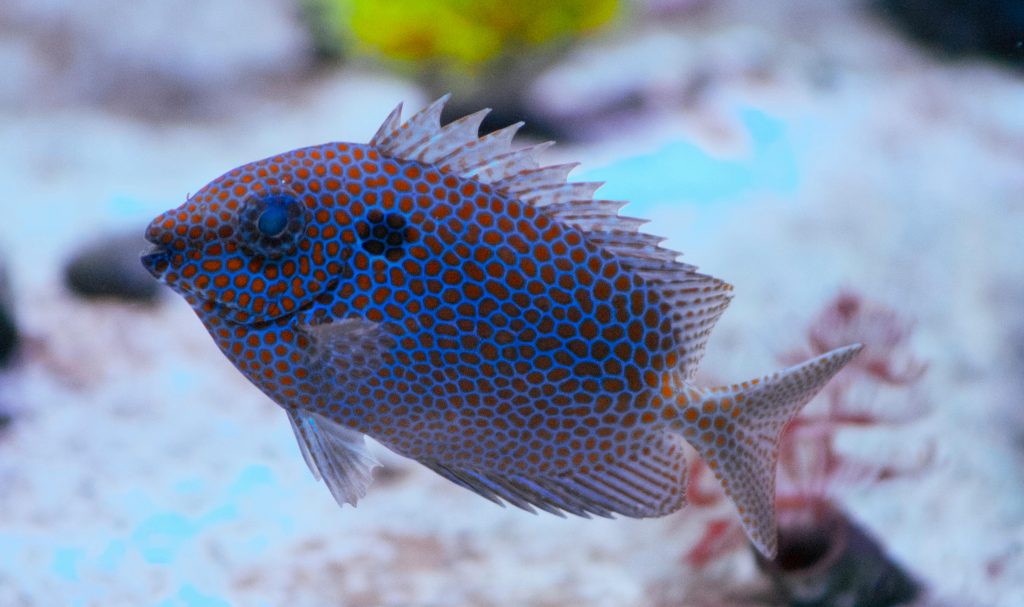
Gold Spotted Rabbitfish (Siganus Punctatus)
Gold Spotted Rabbitfish care includes large tanks, heavy algae feeding, and caution with corals. Learn tank size, diet,…
 By
By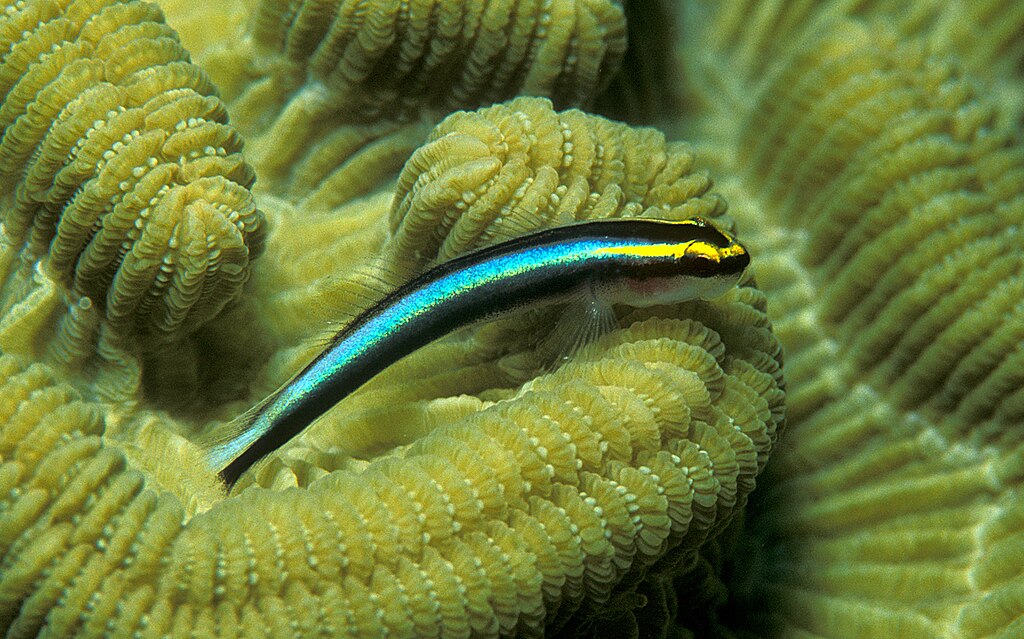
Sharknose Goby (Elacatinus evelynae)
Sharknose Goby care is simple in stable reef tanks. Learn feeding, tank setup, compatibility, and common problems for…
[favorite_button]
My Bookmarks:
To see full list click here
[user_favorites user_id="" include_links="true" site_id="" post_types="" include_thumbnails="true" thumbnail_size="thumbnail" include_excerpt="false"]