

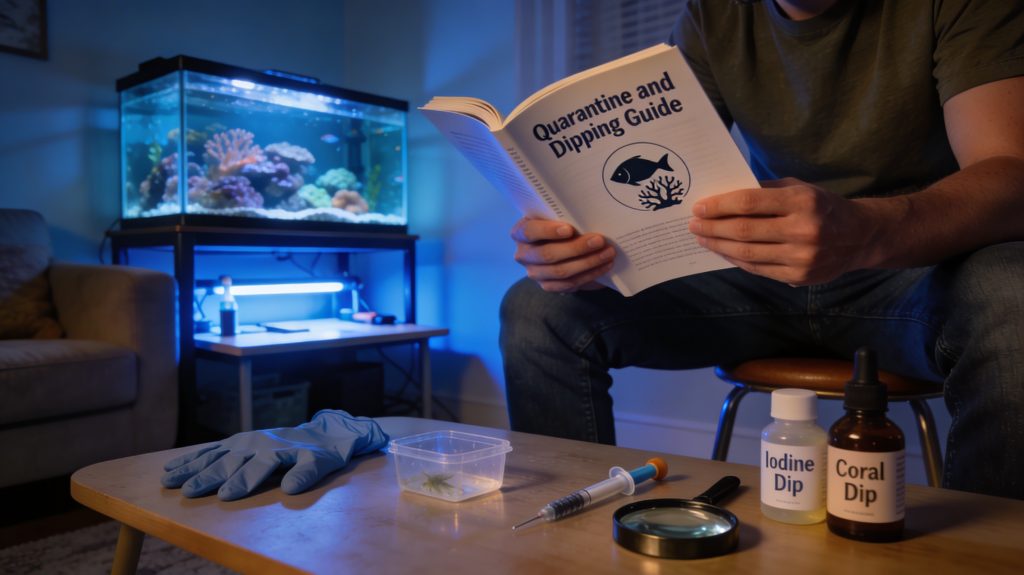
Coral quarantine and dipping reduce the risk of pests, disease, and tissue loss in a reef tank. A simple process protects your display from flatworms, nudibranchs, algae, and bacterial issues while giving new corals time to recover, adapt, and show hidden problems before placement.
Many reef keepers quarantine fish but skip corals. That mistake often introduces pests that are hard to remove later. Coral dips help knock off hitchhikers, but dips alone are not perfect. Eggs often survive. Some pests hide deep in branches or under encrusted bases. A proper coral quarantine system gives you time to inspect, dip, observe, and repeat treatment if needed. In this guide, you will learn how to set up a coral quarantine tank, how to dip corals safely, what pests to watch for, and how to troubleshoot common problems. The goal is simple. Keep your display reef clean and give every new coral the best start possible.
Quick Reference Table
| Topic | Best Practice |
|---|---|
| Quarantine length | 2 to 4 weeks minimum |
| Dip timing | On arrival and again if pests appear |
| Inspection tools | White container, turkey baster, magnifying glass, tweezers |
| QT tank size | 10 to 20 gallons for most hobbyists |
| Lighting | Moderate light, then ramp slowly |
| Flow | Gentle to moderate, adjustable |
| Common pests | Flatworms, nudibranchs, red bugs, vermetids, algae, aiptasia |
| Main limitation of dips | Most dips do not kill eggs |
| Water match | Match salinity and temperature closely |
| Display transfer | Move only healthy, pest-free corals |
Why Coral Quarantine Matters
Every coral frag can carry unwanted life. Some hitchhikers are harmless. Many are not. Acropora eating flatworms can wipe out prized SPS colonies. Montipora nudibranchs spread fast. Zoanthid eating nudibranchs can destroy polyps in days. Algae, cyanobacteria, vermetid snails, and aiptasia also hitchhike on plugs and bases.
Dipping lowers the risk, but quarantine adds a second layer of protection. It gives you time to inspect the coral under good light. It also lets stressed corals recover from shipping. Fresh imports often arrive pale, closed, or irritated. In a separate tank, you can adjust flow, lower light, and feed lightly without risking the display.
Quarantine also protects your time and money. Treating one frag in a small tank is easy. Treating an entire reef full of encrusted colonies is not. If you buy expensive corals, quarantine is even more important. One missed pest can cost far more than a small quarantine setup.
Coral Quarantine Tank Setup
A coral quarantine tank does not need to be fancy. It needs stability, clean water, and easy observation. A 10 to 20 gallon tank works well for most hobbyists. Use a small heater, thermometer, powerhead, simple light, and an established biological filter. A sponge filter or small hang-on-back filter works well if seeded in advance.
Keep the bottom bare. This makes detritus easy to remove. Use egg crate, frag racks, or small ceramic tiles for placement. Avoid adding live rock from your display. Rock creates hiding places for pests and makes inspection harder. Match salinity, alkalinity, and temperature to your display as closely as possible. Stability matters more than chasing exact numbers.
Good target parameters are 76 to 78 degrees Fahrenheit, salinity 1.025 to 1.026, alkalinity 8 to 9 dKH, calcium 400 to 450 ppm, magnesium 1250 to 1400 ppm, nitrate 2 to 10 ppm, and phosphate 0.03 to 0.1 ppm. Keep a lid if jumpy fish or inverts are present, but many coral QT tanks stay coral-only for simplicity.
Lighting Requirements in Quarantine
New corals should not go straight under intense light. Shipping stress weakens tissue. Dips also irritate corals for a short time. Start with moderate light and increase slowly. This is safer than blasting fresh frags with full power. Many hobbyists use a simple LED fixture over the quarantine tank. That is enough for observation and recovery.
Soft corals and many LPS often do well at lower to moderate intensity. SPS can also start lower during quarantine, then ramp up over several days. Aim for stable photoperiods. Eight to ten hours is usually enough. If you own a PAR meter, use it. If not, watch coral response closely. Bleaching means too much light or too rapid an increase. Browning often means low light, high nutrients, or both.
Keep in mind that quarantine is not for peak growth. It is for observation and safety. Slightly lower light is usually better than too much. Once the coral is healthy and pest-free, you can acclimate it to stronger display lighting using your normal coral placement strategy.
Water Flow in a Coral QT
Flow should be adjustable and indirect. Corals need enough movement to keep tissue clean and oxygenated. They also need enough calm to recover after dipping and shipping. A small controllable powerhead is ideal. Aim for gentle random flow for fleshy LPS and moderate turbulent flow for many SPS frags.
Watch the coral, not just the pump setting. LPS tissue should sway, not whip. Zoanthids should open fully without debris collecting between polyps. SPS should show polyp extension without tissue recession on the shaded side. Dead spots allow detritus to settle and fuel algae or bacterial issues. Too much direct flow can strip tissue from delicate corals.
A turkey baster is useful here. You can gently blast frags during inspection to dislodge pests, mucus, and detritus. This simple step often reveals flatworms or nudibranchs that were hidden during a normal visual check.
Step-by-Step Coral Dipping Guide
The safest dip process is simple and repeatable. Prepare everything before opening the bag. Use gloves and eye protection, especially with zoanthids. Some species can carry palytoxin. Work in a ventilated area and never touch your face during handling.
- Float the sealed coral bag to equalize temperature for 10 to 15 minutes.
- Prepare a clean dipping container with tank water from quarantine, not fresh saltwater.
- Mix the coral dip exactly as directed by the product label.
- Prepare a second rinse container with clean quarantine water.
- Remove the coral and inspect the plug, base, and underside carefully.
- Use cutters to remove excess plug material if possible.
- Place the coral in the dip for the recommended time only.
- Gently baste the coral during the dip to dislodge pests.
- Transfer the coral to the rinse container and baste again.
- Place the coral in quarantine under lower light and moderate flow.
Never overdose or extend dip time without a clear reason. Stronger is not always better. Some corals react badly to harsh dips. Euphyllia, fleshy LPS, and stressed wild colonies often need extra care. If a coral arrives in very poor shape, prioritize stable water and recovery over aggressive treatment.
How Long Should You Quarantine Corals?
Two weeks is a bare minimum. Four weeks is safer. Longer is often better for high-value SPS. The main reason is eggs. Many common coral dips do not kill eggs. A single dip may remove adults, but the next generation can hatch days later. Quarantine gives you time to catch that second wave.
During quarantine, inspect corals every few days. Look for bite marks, missing tissue, closed polyps, egg spirals, and tiny moving pests. Repeat dips if signs appear. Some hobbyists dip all incoming corals once on arrival and again one week later. That approach can work well when combined with careful observation.
Do not rush transfer because the coral looks healthy on day three. Many pests are nocturnal or hard to spot. Use a flashlight after lights out if needed. Patience now prevents major problems later. Once the coral stays clean, opens well, and shows no signs of pests for the full quarantine period, it is ready for display acclimation.
Common Coral Pests to Watch For
Different corals attract different pests. Acropora can carry red bugs and Acropora eating flatworms. Montipora often host nudibranchs. Zoanthids may carry sundial snails, spiders, and nudibranchs. LPS frags often arrive with algae, vermetid snails, or hidden aiptasia on the plug.
Learn the signs. Flatworms often leave pale bite marks or patchy tissue loss. Nudibranchs and their eggs are commonly found on the underside of frags. Red bugs can reduce polyp extension and color in Acropora. Vermetid snails cast mucus nets that irritate nearby tissue. Aiptasia stings corals and multiplies quickly.
Inspection is easier in a white bowl or specimen container. Good side lighting helps. A magnifying glass or macro lens can reveal tiny pests that normal viewing misses. If you find eggs, scrape or cut away the affected area when possible. Dips alone usually will not solve an egg problem.
Feeding and General Care During Quarantine
Most corals do not need heavy feeding in quarantine. Clean water and stability matter more. Still, light feeding can help recovery, especially for LPS and non-photosynthetic species. Offer small amounts of coral food, rotifers, or fine frozen blends once or twice weekly if nutrients stay in range.
Do not overfeed a small quarantine tank. Extra food quickly raises nitrate and phosphate. It also fuels algae and bacterial films. Target feed fleshy corals only when they show a feeding response. SPS usually benefit more from stable nutrients than direct feeding. Zoanthids and soft corals often recover well with moderate light and clean water alone.
Perform regular water changes. Ten to twenty percent weekly works well for many setups. Test alkalinity often if you keep several stony corals. Small tanks can swing quickly. If you dose, keep it simple and consistent. Quarantine success depends on avoiding stress while you monitor for pests.
Compatibility and Cross-Contamination
Coral quarantine should stay separate from the display. Do not share tools, water, frag plugs, or racks unless they are cleaned and dried fully. Cross-contamination happens easily. A wet frag rack moved from QT to display can carry pests just as easily as a coral.
If you quarantine many species together, give them space. Corals can sting each other even in a temporary tank. Keep aggressive LPS away from soft corals and SPS. Avoid crowding racks. Good spacing improves flow and makes inspection easier. It also reduces the chance that one infected frag spreads pests to the next.
Some hobbyists add cleanup crew members to coral QT. This can help with film algae, but it adds complexity. Snails and hermits can also carry hitchhikers if not sourced carefully. For most beginners, a coral-only quarantine system is simpler and safer.
Propagation and Fragging in Quarantine
Quarantine is a good time to remove risky bases and remount frags. Many pests and algae hide on old plugs. Freshly mounting a coral onto a clean plug or disc reduces that risk. It also makes future inspection easier.
When to Cut Away the Original Plug
If the coral is encrusted only lightly, remove the original plug. This is especially useful for zoanthids, montipora, and small SPS frags. Use bone cutters or a coral saw. Keep the cut clean and avoid crushing tissue. Dip again after handling if needed, then place the coral in stable flow for recovery.
How to Remount Safely
Use reef-safe gel glue or epoxy. Dry the mounting point briefly with a paper towel. Press the frag firmly onto a clean ceramic plug or disc. Allow a short cure time before returning it to water. Label the frag if you are tracking treatment dates. Good records help when you manage multiple new arrivals.
Common Problems
Coral Stays Closed After Dipping
This is common. Many corals stay closed for several hours. Some stay irritated for a day or two. Check temperature, salinity, and flow first. Then reduce light slightly. If the coral shows no tissue loss, give it time. Repeated handling often makes recovery slower.
Pests Keep Returning
Eggs are the usual cause. Repeat inspection and dip cycles. Scrape visible eggs and remove suspicious plug material. Extend quarantine. For severe infestations, remount the coral onto a new plug and discard the old base. Persistence matters more than one strong dip.
Tissue Recession After Arrival
Shipping stress, alkalinity swings, or too much light are common triggers. Match water closely. Lower light for several days. Keep flow moderate and stable. If infection is suspected, isolate the coral and consider a targeted treatment based on the species and symptoms.
Algae Growing on the Plug
High nutrients, weak flow, or old plugs often cause this. Brush the plug gently outside the tank. Improve flow and reduce excess feeding. Consider remounting the coral onto a clean disc if algae keeps returning near the tissue line.
Frequently Asked Questions
Is dipping enough without quarantine?
No. Dips help, but they do not catch everything. Eggs often survive. Quarantine is much safer.
Can I use freshwater dips on corals?
Usually no. Freshwater is too harsh for many corals. Use reef-specific dips unless a trusted protocol says otherwise.
Should I dip every coral type the same way?
No. Always follow the product instructions and consider the coral’s condition. Delicate corals may need gentler handling.
Can I quarantine corals and fish together?
It is better to keep them separate. Fish treatments can harm corals, and mixed systems are harder to manage.
When is a coral ready for the display tank?
Move it only after the full quarantine period, normal extension, and no visible pests or eggs.
Final Tips for Long-Term Success
Keep the process simple. Match water carefully. Dip correctly. Observe patiently. Repeat when needed. Those habits prevent most coral pest disasters. Quarantine may feel slow at first, but it becomes routine fast. It also gives you confidence every time you add a new frag.
If you want to improve your overall reef success, also review reef tank parameters, coral placement guide, how to dip coral frags, and reef pest identification guide. A clean display starts with smart prevention. Coral quarantine is one of the best habits a reef keeper can build.
Was this helpful?
Related Posts
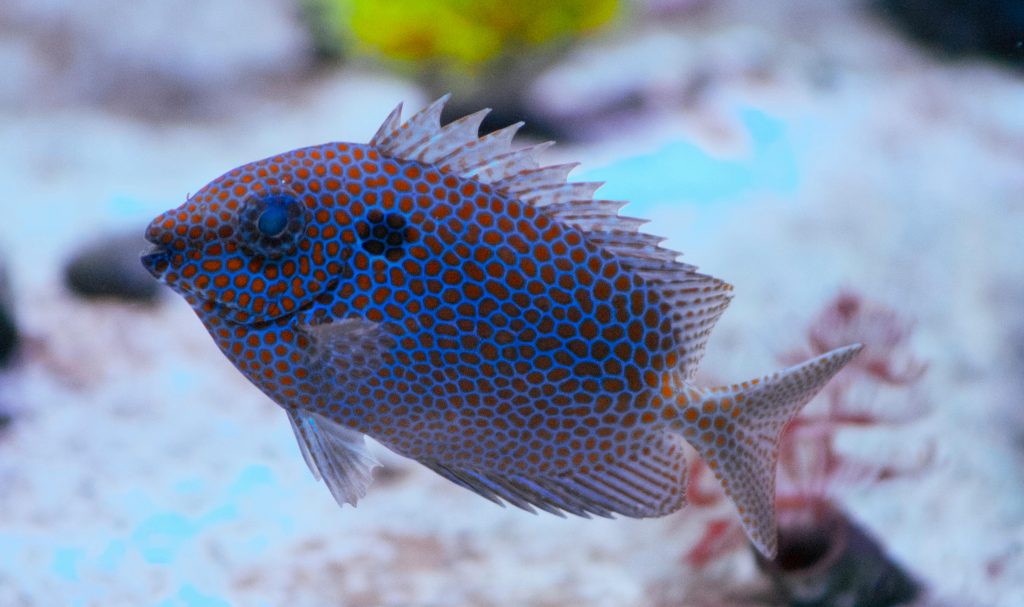
Gold Spotted Rabbitfish (Siganus Punctatus)
Gold Spotted Rabbitfish care includes large tanks, heavy algae feeding, and caution with corals. Learn tank size, diet,…
 By
By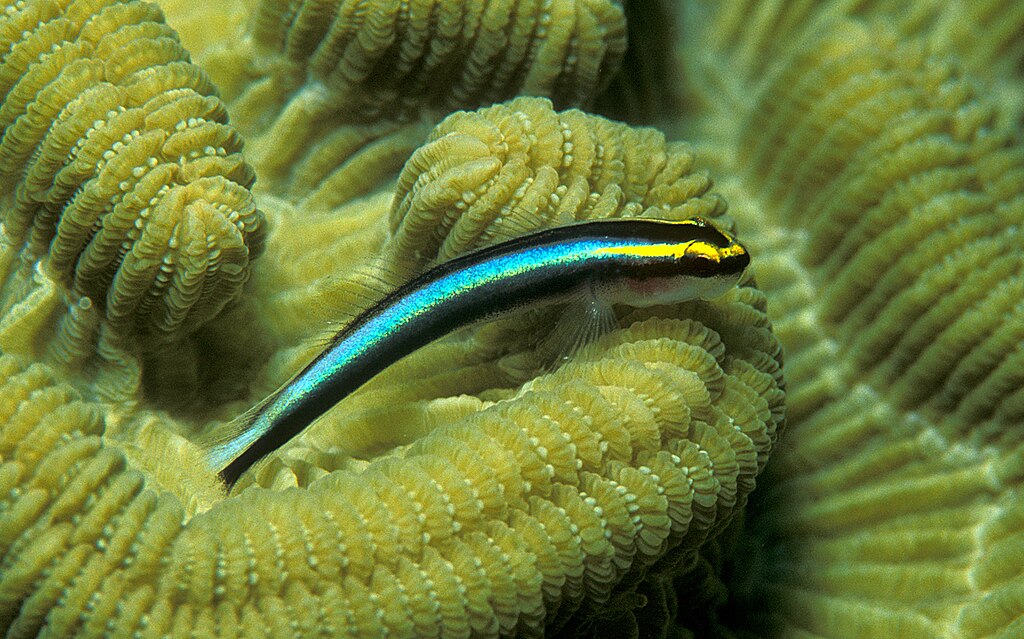
Sharknose Goby (Elacatinus evelynae)
Sharknose Goby care is simple in stable reef tanks. Learn feeding, tank setup, compatibility, and common problems for…
[favorite_button]
My Bookmarks:
To see full list click here
[user_favorites user_id="" include_links="true" site_id="" post_types="" include_thumbnails="true" thumbnail_size="thumbnail" include_excerpt="false"]