

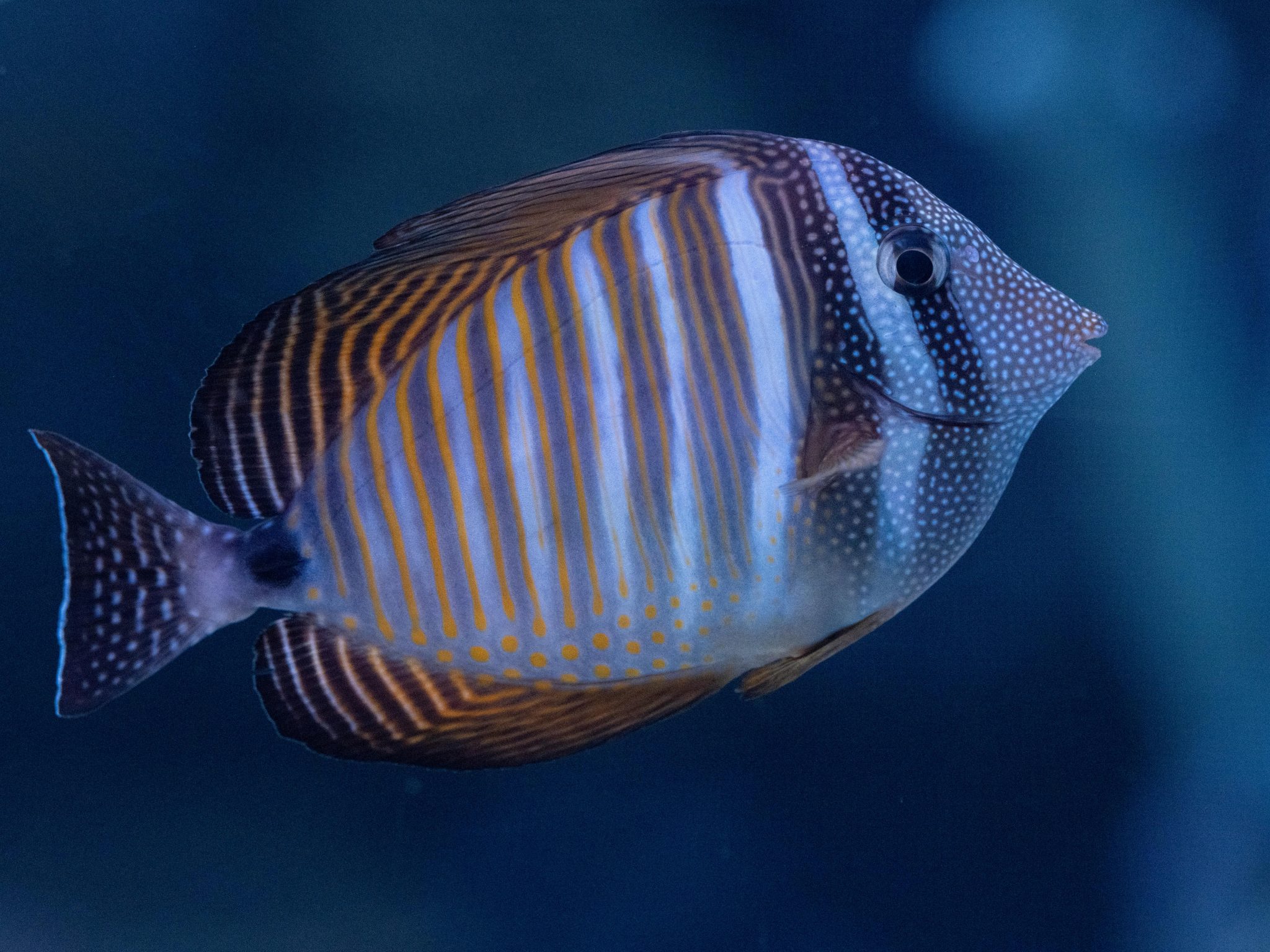
The Desjardini Sailfin Tang is a large, striking surgeonfish with bold stripes, tall fins, and constant grazing behavior. It is hardy once established, but it is not a small tank fish. This species needs strong water quality, lots of swimming room, and a mature reef with natural algae growth to thrive long term.
This guide covers Desjardini Sailfin Tang care in practical terms. You will learn tank size, diet, temperament, reef compatibility, and common problems. I will also explain how this fish behaves as it grows, because juveniles and adults can seem very different. Beginners often buy small specimens without planning for adult size. That mistake creates stress for the fish and the aquarist. A proper setup makes this tang a beautiful and useful algae grazer for many years.
Quick Reference Care Table
| Common name | Desjardini Sailfin Tang |
| Scientific name | Zebrasoma desjardini |
| Care level | Moderate |
| Temperament | Semi-aggressive |
| Adult size | Up to 15 inches |
| Minimum tank size | 180 gallons |
| Diet | Herbivore with some omnivorous feeding |
| Reef safe | Generally yes |
| Ideal temperature | 75 to 79°F |
| Salinity | 1.025 to 1.026 |
| pH | 8.1 to 8.4 |
| Nitrate | Under 20 ppm |
| Flow | Moderate to strong |
| Lighting | Fish only, not species dependent |
Use this table as a fast planning guide. The most important line is tank size. This fish gets much larger than many hobbyists expect.
Natural Habitat
Zebrasoma desjardini comes from the Indian Ocean and Red Sea. It is often found around coral-rich reef slopes and lagoons. Juveniles usually stay closer to shelter. Adults cruise open reef areas and graze algae from rock surfaces throughout the day. This constant feeding pattern explains why they do best in established aquariums.
In nature, these tangs live in bright water with strong oxygen levels and steady current. They are active fish that cover a lot of territory. Their tall dorsal and anal fins make them look even larger when they display. Those fins are part of their charm, but they also need room to extend them fully. A cramped aquarium causes stress, pacing, and aggression. When you understand the habitat, the care plan becomes obvious. Give them space, stable water, and a steady supply of plant-based food.
Identification and Growth
The Desjardini Sailfin Tang has a disc-shaped body, a pointed snout, and dramatic sail-like fins. Juveniles often look more delicate and patterned. Adults become bolder and heavier-bodied. Their body shows vertical striping mixed with spots and bars. The tail usually has a warm yellow tone. The pattern shifts with mood, age, and stress level.
This fish is often sold small. That can mislead new reef keepers. A tiny juvenile may seem perfect for a medium tank. It will not stay that size. Healthy specimens can become very large and tall. They also become more assertive with age. Plan for the adult fish on day one. If you cannot provide a 180-gallon tank or larger, choose a smaller tang species instead. Long-term care matters more than the first few months of success.
Aquarium Setup
A 180-gallon tank is the practical minimum for an adult Desjardini Sailfin Tang. Larger is better. Tank length matters more than height. This fish needs long swimming lanes and open turning space. A six-foot tank is the bare minimum. An eight-foot tank is far better for a full-grown specimen.
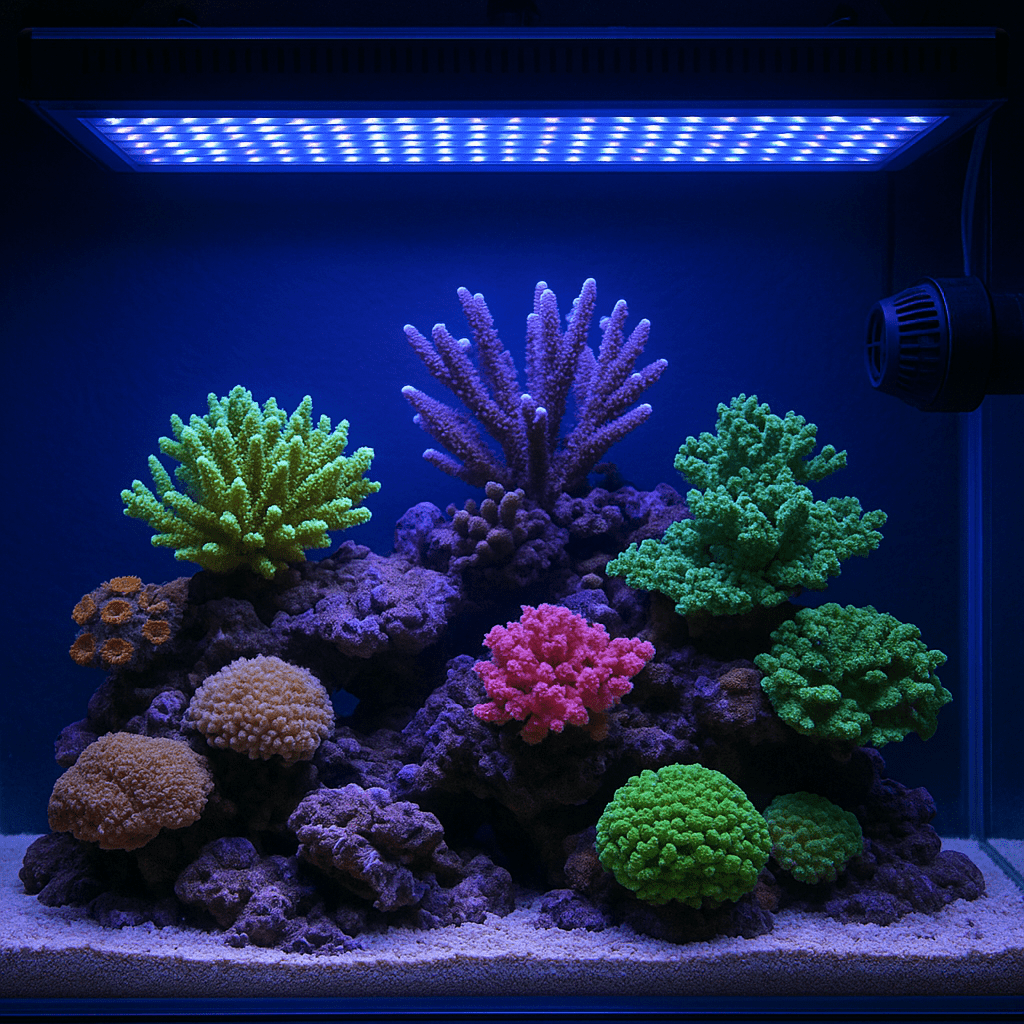
Build the aquascape with sturdy live rock and broad gaps between structures. Create grazing surfaces, caves, and shaded resting areas. Avoid packing the tank wall-to-wall with rock. That blocks flow and reduces swimming room. Strong filtration is essential because large tangs eat often and produce waste. A quality skimmer helps maintain oxygen and export nutrients. Stable salinity and temperature are also critical. Sudden swings weaken the immune system. For more planning help, see: reef tank setup guide, reef aquarium water parameters, and best clean up crew for reef tanks.
Lighting Requirements
This species does not have special lighting demands in the way corals do. The fish can live under many reef lighting schedules. What matters is the overall environment. A normal reef photoperiod works well. Bright light often encourages algae growth on rock, which gives the tang natural grazing opportunities.
That said, do not treat nuisance algae as the only food source. Lighting should support the whole aquarium, not just this fish. If the tank is a mixed reef, set lighting based on coral needs. The tang will adapt. Include shaded sections in the aquascape so the fish can retreat when startled. Fish that feel secure show better color and feed more confidently. Sudden light changes can cause panic. Use ramp-up and ramp-down settings if possible.
Water Flow
Desjardini Sailfin Tangs enjoy moderate to strong flow. In the wild, they live in oxygen-rich reef zones with constant movement. Good flow helps suspend waste, improves gas exchange, and supports overall fish health. It also reduces dead spots where detritus collects and algae turns problematic.
Aim for varied flow rather than one harsh stream. The fish should be able to swim through active areas and then rest in calmer zones. Watch behavior closely. If the tang constantly fights the current, adjust pump direction. If waste settles everywhere, increase circulation. Strong surface agitation is especially helpful in large systems with heavy feeding. Tangs are active swimmers with high oxygen demand. Poor flow often shows up as heavy breathing, lethargy, and reduced appetite.
Feeding
Feeding is the heart of good tang care. Desjardini Sailfin Tangs are mainly herbivores. They spend most of the day picking at algae and biofilm. In captivity, offer dried nori daily. Clip it to the glass in several places if you keep multiple grazers. Supplement with spirulina foods, quality herbivore pellets, and frozen blends that include marine algae.
Do not feed only one food type. Variety improves color, immune function, and body condition. Many specimens also accept mysis shrimp and other meaty foods. Use those as a supplement, not the main diet. Feed small amounts two to three times daily when possible. Frequent feeding reduces aggression and helps prevent weight loss. A healthy Desjardini should have a full body, clear eyes, and steady interest in food. A pinched belly means the fish is losing condition. For nutrition tips, see: best food for herbivore reef fish.
Compatibility
This tang is generally reef safe. It usually ignores corals, shrimp, snails, and other invertebrates. Its main issue is aggression toward other tangs, especially similar-shaped species. Zebrasoma tangs often fight with each other in confined systems. A Desjardini may also bully new herbivores that compete for algae.
Choose tank mates carefully. Peaceful wrasses, clownfish, gobies, anthias, and many angelfish can work in large aquariums. Avoid adding this fish to a tank that is already crowded or full of established tangs. If you want more than one tang, use a very large tank and add them with a plan. Rearranging rockwork can help reduce territorial behavior. Introduce the Desjardini last when possible. Also provide multiple feeding stations. Competition often peaks at feeding time. For stocking ideas, visit: reef fish compatibility chart.
Step-by-Step Acclimation Guide
- Quarantine the fish before display introduction. Tangs are prone to marine ich and other parasites.
- Match temperature first. Float the bag if needed, then move to a clean container.
- Drip acclimate slowly for salinity adjustment. Keep the process calm and shaded.
- Inspect body condition. Check fins, eyes, breathing rate, and any white spots.
- Offer nori within the first day. Many tangs settle faster when food is available quickly.
- Use an acclimation box if tank mates are aggressive. This reduces chasing.
- Keep lights dim on the first day. Stress drops when the environment feels less exposed.
- Monitor feeding and waste output for the first week. Both reveal how well the fish is adjusting.
Never rush this process. Surgeonfish often arrive stressed from shipping. Slow, careful acclimation prevents many early losses.
Common Problems
White spots or scratching
Tangs are famous for developing marine ich under stress. White spots, flashing, and rapid breathing are common signs. Poor quarantine, sudden water changes, and aggression often trigger outbreaks. Use quarantine and observation before display placement. Keep water quality stable and avoid overcrowding.
Aggression toward other tangs
This usually happens in tanks that are too small or too similar in stocking. Add more swimming space, increase feeding frequency, and use mirrors or acclimation boxes if needed. In severe cases, one fish must be removed.
Weight loss despite eating
A fish that eats but still loses weight may have internal parasites, poor diet variety, or too much competition. Offer more algae-based foods and observe feeding order. Make sure the tang actually consumes enough food.
Head and lateral line erosion
HLLE has several possible causes. Stray voltage, poor nutrition, chronic stress, and low water quality are common suspects. Improve diet variety, maintain clean water, and review carbon use and equipment grounding.
Propagation
Desjardini Sailfin Tangs are not realistically bred by home aquarists at this time. Spawning behavior occurs in the wild in open water. Larval development is complex and beyond normal hobby systems. Nearly all specimens in the trade are wild collected. Because of that, responsible purchasing matters. Buy a healthy fish from a reputable source. Avoid badly pinched or heavily stressed imports.
Choose active individuals that graze, respond to food, and breathe normally. Captive success starts before the fish enters your tank.
Frequently Asked Questions
How big does a Desjardini Sailfin Tang get?
Adults can reach around 15 inches. They also become very tall-bodied with extended fins.
Is a Desjardini Sailfin Tang reef safe?
Yes, in most cases. It usually leaves corals and invertebrates alone while grazing algae.
What is the minimum tank size for a Desjardini Tang?
A 180-gallon tank is the minimum for long-term care. Larger systems are strongly preferred.
Can you keep a Desjardini with other tangs?
Sometimes, but only in large tanks with careful planning. Similar tangs often fight.
What does a Desjardini Sailfin Tang eat?
Feed nori, spirulina foods, herbivore pellets, and marine algae blends daily. Meaty foods should be limited supplements.
Final Thoughts
The Desjardini Sailfin Tang is a spectacular fish for a large reef aquarium. It offers movement, color, and useful grazing behavior. It also demands space, planning, and steady husbandry. If you meet its adult needs, it can become one of the most impressive fish in the tank. If you buy it for a medium aquarium, problems usually follow. Think long term, feed well, quarantine carefully, and this species can reward you for many years.
Was this helpful?
Related Posts
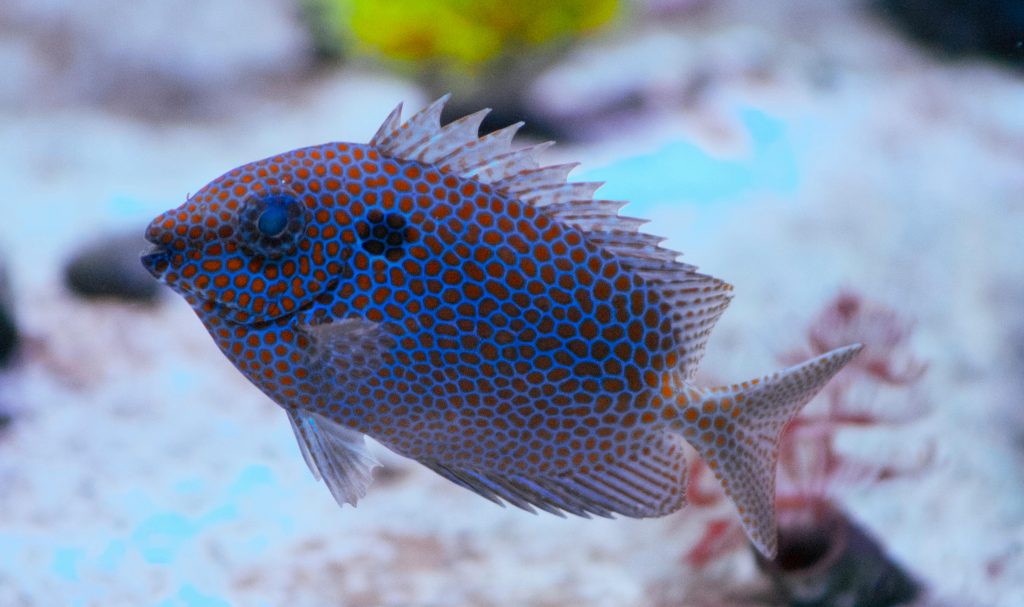
Gold Spotted Rabbitfish (Siganus Punctatus)
Gold Spotted Rabbitfish care includes large tanks, heavy algae feeding, and caution with corals. Learn tank size, diet,…
 By
By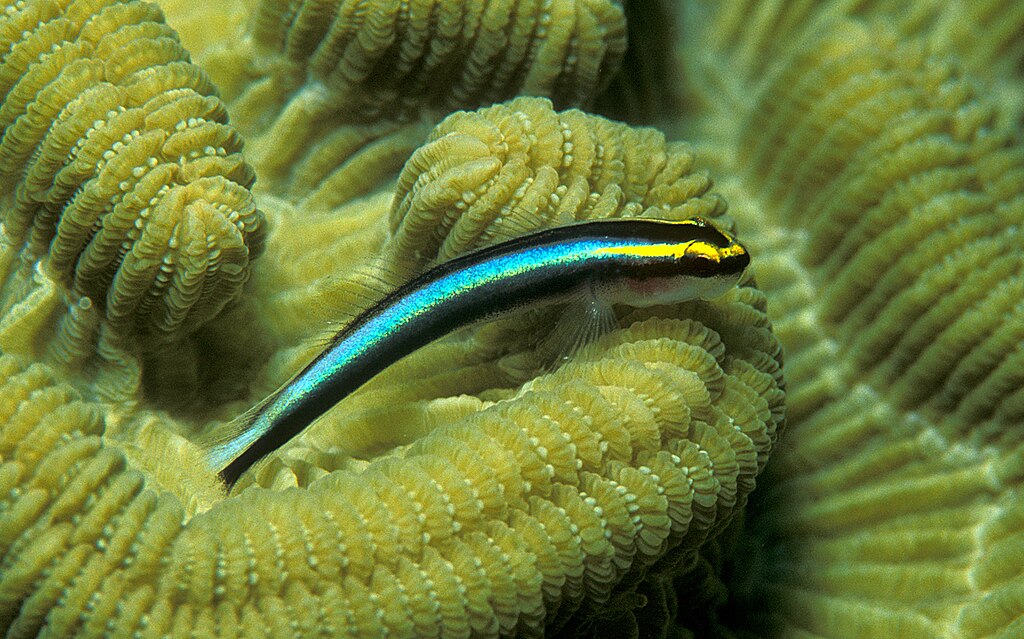
Sharknose Goby (Elacatinus evelynae)
Sharknose Goby care is simple in stable reef tanks. Learn feeding, tank setup, compatibility, and common problems for…
[favorite_button]
My Bookmarks:
To see full list click here
[user_favorites user_id="" include_links="true" site_id="" post_types="" include_thumbnails="true" thumbnail_size="thumbnail" include_excerpt="false"]