

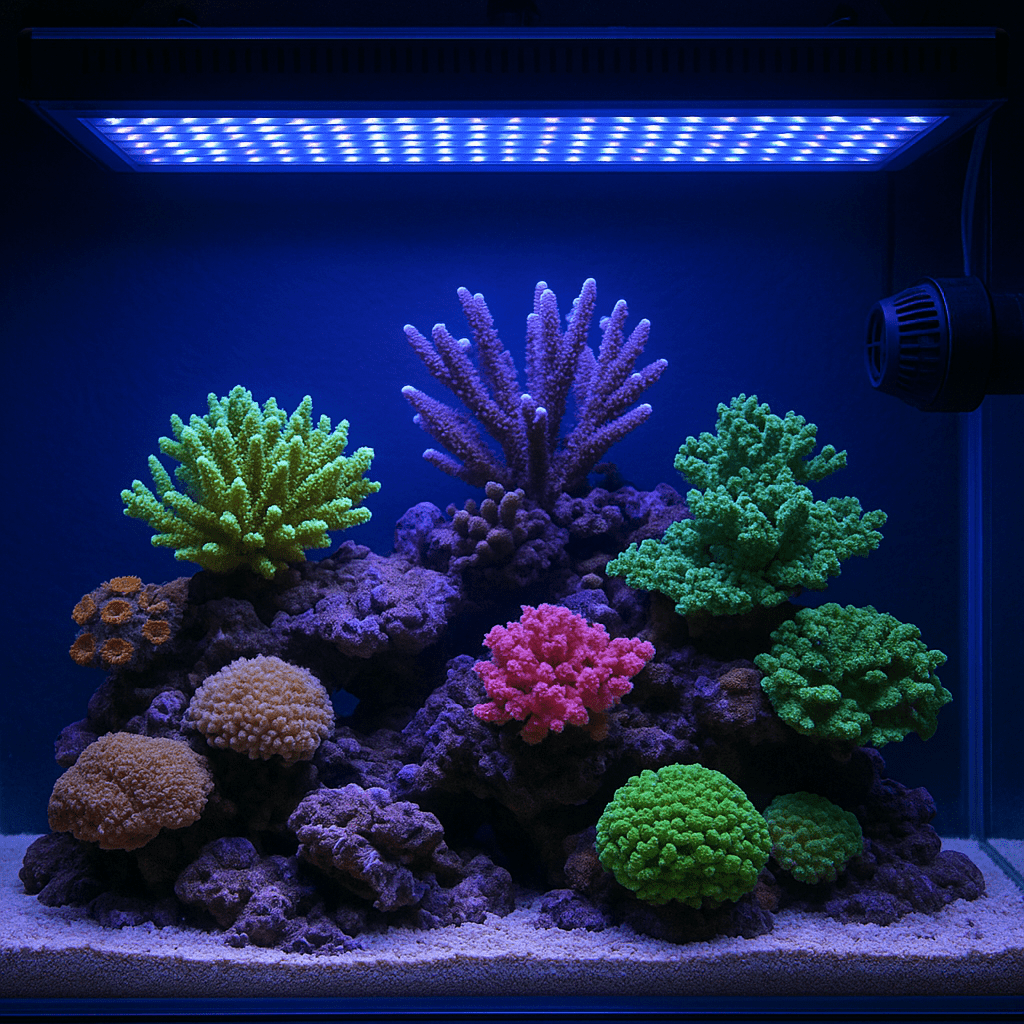
Dosing two-part for an SPS-dominant tank keeps alkalinity and calcium stable. That stability drives growth, color, and polyp extension. The goal is simple. Replace what stony corals consume every day. Do it in a measured, repeatable way.
SPS tanks demand consistency more than almost anything else. Acropora, Montipora, and other fast-growing stony corals use large amounts of alkalinity and calcium to build skeleton. As colonies grow, demand rises fast. Many reef keepers start with water changes alone. That works for a while. Then growth stalls, alkalinity swings appear, and coral tips begin to pale or burn. In this guide, you will learn how two-part dosing works, how to calculate demand, how to set a dosing schedule, and how to troubleshoot common SPS problems before they become losses.
Quick Reference Table
| Parameter | Recommended Range | Why It Matters |
|---|---|---|
| Alkalinity | 7.5 to 9.0 dKH | Supports skeletal growth and pH stability |
| Calcium | 400 to 450 ppm | Provides building blocks for coral skeleton |
| Magnesium | 1280 to 1400 ppm | Helps keep calcium and alkalinity balanced |
| pH | 7.9 to 8.4 | Affects calcification and coral metabolism |
| Nitrate | 2 to 15 ppm | Prevents starvation in ultra-clean systems |
| Phosphate | 0.03 to 0.10 ppm | Supports healthy tissue and color |
| Dosing Frequency | 2 to 24 times daily | Reduces parameter swings |
These numbers are guides, not strict rules. Stability matters more than chasing exact values. An SPS tank at 7.8 dKH can thrive. The same tank may struggle badly if alkalinity swings between 7.2 and 8.8 every week.
What Two-Part Dosing Actually Is
Two-part dosing uses separate solutions to replace major ions corals consume. Part one is alkalinity. Part two is calcium. Many reef keepers also dose magnesium, but magnesium is usually treated as a separate supplement, not part of the daily two-part pair.
Alkalinity supplements usually contain carbonate or bicarbonate. Calcium supplements usually contain calcium chloride. When dosed in balanced amounts, they restore what coral skeleton growth removes from the water. This makes two-part simple, flexible, and easy to automate.
For SPS tanks, two-part is popular because demand changes over time. You can increase dose volume slowly as colonies grow. You do not need to overhaul the system right away. A pair of dosing pumps often handles moderate to high demand very well. For many hobbyists, it is the easiest path between manual dosing and a calcium reactor.
Why SPS-Dominant Tanks Need Precise Dosing
Soft coral tanks can tolerate wider swings. SPS tanks usually cannot. Small-polyp stony corals respond fast to instability. Alkalinity swings are especially dangerous. A sudden rise can burn tips. A sudden drop can slow growth and cause tissue recession.
High light and strong flow increase growth potential. That also increases consumption. A tank full of small frags may use little each day. The same tank six months later may consume double or triple that amount. This catches many reef keepers off guard.
Two-part dosing works best when you treat it as a system. Test regularly. Log your numbers. Adjust slowly. Never make large corrections without understanding the cause. In SPS reefing, success often comes from boring consistency. That is a good thing.
Step-by-Step: How to Start Dosing Two-Part
Start by testing alkalinity at the same time each day for three to five days. Do not dose anything during this test period if levels are safe. Record the daily drop. That drop shows your tank’s real alkalinity demand.
Next, test calcium. Calcium changes more slowly than alkalinity. It still matters, but alkalinity is the better daily control point. If calcium is already in range, you can use alkalinity consumption to estimate your starting dose for both parts.
Then, use the product’s dosing calculator. Add enough alkalinity solution to replace one day of consumption. Dose the matching calcium amount recommended by the manufacturer. Split the total daily dose into several smaller doses. This reduces spikes.
Retest alkalinity after two to three days. If alkalinity still falls, increase the dose slightly. If it rises, lower the dose. Make small adjustments only. A change of 5 to 10 percent is usually enough. Repeat until alkalinity stays stable for a full week.
Once alkalinity is stable, test calcium and magnesium again. Correct those slowly if needed. After that, your routine becomes much easier.
Aquarium Setup Factors That Affect Two-Part Demand
Tank size matters, but coral mass matters more. A lightly stocked 120-gallon tank may use less than a packed 40-gallon frag system. Demand comes from calcification, coralline algae growth, and even some clams.
Lighting also changes demand. Strong PAR drives faster growth when nutrients are balanced. That means more alkalinity and calcium use. Flow matters too. SPS corals in strong, chaotic flow exchange gases better and often calcify faster.
Aquascape plays a role as well. Dense rock structures can support heavy coralline algae. That hidden growth uses major elements every day. If your tank suddenly starts consuming more than expected, coralline may be part of the reason.
Finally, remember that new frags often do little at first. Once they encrust, demand can jump quickly. That is why weekly alkalinity checks are smart even when the tank seems stable.
How Often Should You Dose?
Manual dosing can work in small systems. It is less ideal for SPS tanks. One large daily dose creates bigger swings. Several small doses spread across the day are much better. Dosing pumps make this easy.
Many reef keepers dose alkalinity 4 to 12 times daily. Calcium can follow the same pattern. Some dose every hour. That works well in high-demand systems. Smaller, frequent additions keep the water chemistry smoother.
Try not to dose alkalinity and calcium into the same high-flow spot at the exact same moment. They can precipitate if concentrated together. Stagger them by at least a few minutes. Dose into an area with strong movement, such as the return section of the sump.
Night dosing can also help pH if your alkalinity solution raises pH. That said, stability is still the priority. Use a schedule your equipment can repeat reliably.
Testing and Monitoring for Long-Term Success
Alkalinity is your main daily or weekly marker. In a fast-growing SPS tank, test it often. New systems may need checks every two or three days. Mature stable systems may only need weekly checks if automation is reliable.
Calcium can be tested weekly or every two weeks. Magnesium often changes slowly. Monthly checks are enough for many tanks unless you are correcting a known issue. pH is useful too, especially if your home has high indoor carbon dioxide.
Keep a log. Write down test results, dose changes, new coral additions, and equipment maintenance. Patterns become easier to spot. If alkalinity starts drifting after adding several Acropora frags, you will know why.
Automated testers can help, but manual testing still matters. Always verify surprising numbers before making a large dosing correction.
Common Problems
Why is alkalinity still dropping?
The dose is too low, or demand has increased. Test at the same time daily. Confirm your dosing pump output. Pump tubing can wear and deliver less than expected. Also check for new coralline growth or faster SPS growth.
Why is calcium high but alkalinity low?
This usually means the system is being adjusted based on calcium instead of alkalinity. In reef tanks, alkalinity changes faster. Use alkalinity to set the daily dose. Then correct calcium slowly back into range. Do not chase both aggressively at once.
Why are my SPS tips burning after increasing dose?
A rapid alkalinity rise is a common cause. Burnt tips can also appear when alkalinity is high relative to nutrient levels. Raise alkalinity slowly. Keep nitrate and phosphate detectable. Very low nutrients plus high alkalinity often stress Acropora.
Why is there white buildup near the dosing line?
That is likely precipitation. The solution may be dosing too quickly, into low flow, or too close together. Increase flow at the dosing point. Split doses into smaller amounts. Stagger alkalinity and calcium additions.
Why did my tank suddenly need more two-part?
Growth often accelerates after corals encrust and settle in. Seasonal pH changes can also affect calcification. New coralline algae, clams, and stony frags all increase demand. Rising consumption is often a good sign if corals look healthy.
When to Consider a Calcium Reactor Instead
Two-part works very well for many SPS tanks. Still, there is a point where demand becomes expensive or inconvenient. If you are refilling large containers constantly, a calcium reactor may make sense.
Reactors can provide stable alkalinity and calcium at high demand levels. They also add trace elements from dissolved media. However, they are more complex to tune. Many hobbyists do better with two-part until the tank truly outgrows it.
There is no prize for switching early. If two-part keeps your parameters stable, your corals are growing, and maintenance feels manageable, stay with it.
Best Practices for SPS Two-Part Dosing
Keep alkalinity stable above all else. Make dose changes slowly. Recalibrate dosing pumps often. Replace tubing before it hardens or cracks. Test after adding many new frags. Watch nutrient levels when pushing growth.
Do not let water changes hide a dosing problem. Water changes help, but they should not be your only correction method in a growing SPS tank. Build a repeatable system instead. That system should survive busy weeks and missed maintenance days.
Most importantly, avoid reacting to one odd test result. Confirm it first. Stable reef keeping rewards patience. SPS corals usually tell you the truth, but often a few days later.
Frequently Asked Questions
Can I dose two-part by hand in an SPS tank?
Yes, but automation is better. Manual dosing works in low-demand tanks. SPS systems benefit from small, frequent doses.
Should I match natural seawater alkalinity exactly?
Not necessarily. A stable range matters more. Many successful SPS tanks run between 7.5 and 9.0 dKH.
Do I need magnesium if I dose two-part?
Usually yes, but less often. Magnesium helps maintain ionic balance and reduces precipitation issues.
How long does it take to dial in dosing?
Most tanks take one to two weeks. Heavy SPS systems may need ongoing small adjustments as colonies grow.
What is the biggest mistake beginners make?
They make large corrections too quickly. Fast changes cause more harm than slightly imperfect numbers.
Further Reading
If you want to improve overall SPS stability, read these FancyReef guides: reef tank alkalinity guide, how to lower phosphate in a reef tank, best lighting for SPS corals, and reef tank dosing pump setup.
Was this helpful?
Related Posts
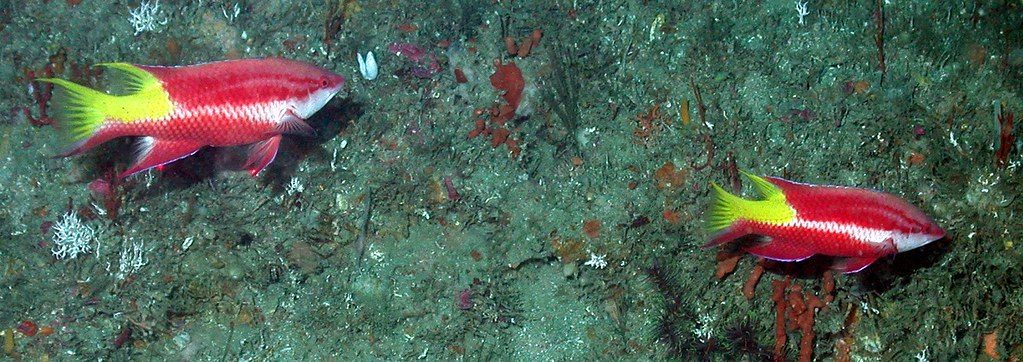
Cuban Hogfish (bodianus Pulchellus)
Cuban Hogfish care is straightforward in larger reef tanks. Learn tank size, diet, compatibility, and reef safety before…
 By
ByWhat to Do During a Power Outage
A reef tank power outage demands fast action. Protect oxygen, temperature, and circulation first to keep fish and…
 By
By[favorite_button]
My Bookmarks:
To see full list click here
[user_favorites user_id="" include_links="true" site_id="" post_types="" include_thumbnails="true" thumbnail_size="thumbnail" include_excerpt="false"]