

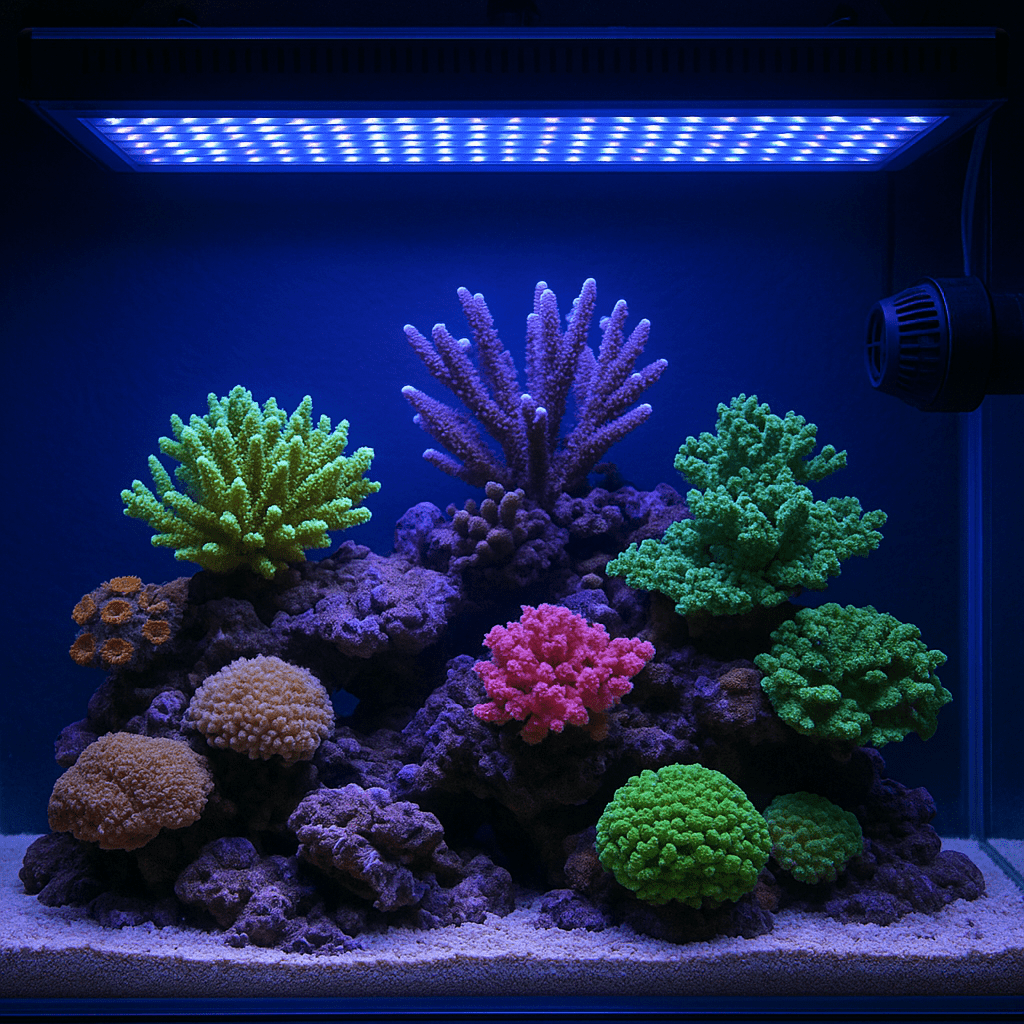
A reef tank power outage is stressful. Act fast, but stay calm. Your main goals are oxygen, temperature, and circulation. Most reef tanks survive short outages well. Problems rise when oxygen drops or water gets too cold or hot. This guide shows exactly what to do first, what equipment helps, and how to protect fish, corals, and bacteria until power returns.
Power failures happen to every reef keeper eventually. Storms, tripped breakers, and equipment faults can shut down a tank in seconds. When pumps stop, gas exchange slows fast. Heaters and chillers stop too. That puts fish, corals, and beneficial bacteria under pressure. The good news is simple actions make a huge difference. In this article, you will learn how to respond during the first hour, how to manage longer outages, what not to do, and which backup tools are worth buying. You will also learn how to check the tank safely once power returns. A clear plan prevents panic and saves livestock.
Quick Reference Table
| Priority | What to Do | Why It Matters |
|---|---|---|
| 1 | Keep water moving at the surface | Maintains oxygen and gas exchange |
| 2 | Protect temperature | Prevents heat or cold stress |
| 3 | Reduce feeding | Lowers waste and oxygen demand |
| 4 | Use battery air pumps or backup power | Extends survival time greatly |
| 5 | Monitor fish behavior | Gasping means oxygen is dropping |
| 6 | Check equipment after power returns | Prevents overflow, heater issues, and pump failure |
Print this list or save it on your phone. During an outage, simple steps matter most.
What Happens to a Reef Tank During a Power Outage
Your reef tank depends on constant life support. Return pumps move oxygen-rich water. Powerheads keep detritus suspended. Heaters stabilize temperature. Skimmers add aeration. When power stops, all of that ends at once. The first danger is often low oxygen. Fish use oxygen quickly. So do corals, invertebrates, and bacteria. Tanks with heavy stocking run out faster. Warm water also holds less oxygen. That makes summer outages especially risky.
The second danger is temperature drift. In winter, tanks cool steadily without heaters. In summer, enclosed homes can overheat. The third issue is waste buildup. Without flow, dead spots form. Carbon dioxide rises. pH can fall. If the outage lasts many hours, the biological filter also becomes stressed. That is why circulation and aeration come first. Fancy equipment helps, but even manual intervention can buy valuable time.
Step-by-Step: What to Do in the First 15 Minutes
Start with the basics. Confirm the outage is real. Check the breaker first. Sometimes only one outlet or circuit failed. If power is out to the whole home, move fast. Stop feeding immediately. Fish can miss meals safely. Extra food only adds waste. Next, check surface movement. If all pumps are off, create agitation right away. A battery air pump is best. If you do not have one, manually scoop tank water and pour it back from a small height. Do this every few minutes.
Then protect temperature. Keep the tank covered loosely with blankets in winter. Do not block all gas exchange. In summer, open the canopy and room if the air is cooler. Keep the sump in mind too. If your return pump is off, make sure the sump level is stable and not at risk when power returns. Finally, unplug sensitive gear if power is flickering. Repeated on-off cycles can damage pumps, heaters, and controllers.
How to Maintain Oxygen and Water Movement
Oxygen is the top priority in most outages. Fish gasping near the surface is a warning sign. So is sluggish behavior. Corals may close, but fish usually show oxygen stress first. The easiest solution is a battery-powered air pump with an airstone. Place it in the display or sump where it creates strong surface agitation. If you own a power station, run one circulation pump instead of many devices. One pump aimed at the surface helps a lot.
If you have no backup gear, use manual aeration. Fill a pitcher with tank water. Pour it back in from several inches above the surface. Repeat often. Rotate water in both display and sump if they are separated. Remove dense lids if safe. Open tops exchange gas better. Avoid stirring deep sand beds aggressively. That can release trapped waste. For more help with day-to-day flow planning, see: water flow in a reef tank, reef tank sump setup, and beginner reef tank mistakes.
How to Manage Temperature Safely
Reef tanks handle short temperature swings better than many beginners expect. Rapid swings are the real danger. In cold weather, wrap the tank sides with towels or blankets. Leave the top partly open for oxygen exchange. If you have heat packs, place them outside the glass, not in the water. Warm water bottles can help too. Float sealed bottles and replace them as they cool. Check temperature often with a reliable thermometer.
In hot weather, focus on ventilation. Open the stand and canopy. Aim for evaporative cooling if you can power a small fan. Float sealed bags of ice only if needed. Avoid dumping ice directly into the tank. That can shock livestock and alter salinity. If you must use ice packs, rotate them slowly and monitor closely. Stability matters more than hitting an exact number. For a deeper look at stability, read: ideal reef tank temperature and reef tank salinity guide.
What to Do During a Longer Power Outage
If the outage lasts more than two hours, settle into a routine. Keep aeration going continuously if possible. Check fish breathing every 15 to 30 minutes. Test temperature every hour. Do not feed the tank. Healthy fish can go a day or more without issue. Corals also tolerate short fasting periods well. If you own a generator, use it carefully. Power one return pump, one heater or fan, and maybe the skimmer. You do not need full normal operation.
Prioritize the display tank if you must choose. Fish and corals need oxygen more than lights. Leave reef lights off during the outage. Corals can handle darkness far better than low oxygen. If the home is cold, consider moving small, high-value livestock to a heated, aerated container only if you can do so safely. Avoid unnecessary handling. Every move adds stress. If you run a canister filter, remember stagnant filter media can foul water during long outages. Restart it cautiously and inspect for odor first.
Best Backup Equipment for Reef Tank Power Outages
The best backup is the one you already tested. A battery air pump is the cheapest must-have item. Keep spare batteries with it. Next is a DC powerhead with battery backup. These systems switch on automatically and maintain circulation. A portable power station is also useful. It can run a small pump, heater, or fan for hours. For frequent outages, a generator offers the most protection. Just run it outdoors and follow safety rules.
Smart reef keepers also prepare simple supplies. Keep towels, extension cords, thermometers, and insulated containers ready. Label your critical plugs. Know which devices matter most. In nearly every case, pumps beat lights. Test your plan before storm season. Simulate a shutdown for ten minutes. Watch sump water levels. Confirm check valves do not fail. For related planning, see: quarantine tank setup and reef tank maintenance schedule.
Common Problems During a Power Outage
Fish Gasping at the Surface
This usually means low oxygen. Add aeration immediately. Increase surface agitation. Stop all feeding. If possible, run one pump at the surface. Lower temperature slightly if the tank is very warm. Warm water holds less oxygen.
Corals Closed and Sliming
Many corals react to stress by closing up. Some produce mucus too. Focus on stable oxygen and temperature. Do not move or dip corals during the outage. Most recover if conditions stabilize quickly.
Sump Overflow After Power Returns
This happens when water levels shift or drains clog. Before restarting, inspect the overflow and return section. Restart slowly if possible. Make sure siphon breaks work. Never leave the tank unattended during the first restart.
Heater Fails to Restart
Some heaters stick off or on after outages. Watch temperature closely after power returns. Use a separate thermometer. Replace unreliable heaters before the next emergency.
What to Do When the Power Comes Back
Do not rush to turn everything on at once. First, verify the sump can handle normal flow. Check the overflow box, return pump, and plumbing. Then restart circulation. Add heater or cooling equipment next if needed. Leave lights off for a while if the tank was stressed badly. Corals do not need an intense light shock after a rough event. Empty and clean the skimmer cup if it overflowed. Watch for unusual noises, leaks, or bubbles from pumps.
Over the next 24 hours, test temperature and salinity first. Then check ammonia if the outage was long. A large die-off or damaged biofilter can trigger a spike. If livestock looks stressed, run fresh carbon and perform a modest water change. Avoid huge corrections unless a parameter is truly dangerous. Stability still matters most. Make notes about what worked and what failed. That turns one bad outage into a better emergency plan for the future.
Frequently Asked Questions
How long can a reef tank go without power?
It depends on stocking, temperature, and water movement. Many tanks handle a short outage of one to two hours. Heavily stocked tanks can decline much faster without oxygen support.
Should I feed my fish during a power outage?
No. Skip feeding until power is stable again. Feeding increases waste and oxygen demand. Fish can safely miss meals during an emergency.
Do corals need light during an outage?
No. Corals can handle darkness for quite a while. Focus on oxygen and temperature first. Those are far more urgent than lighting.
Is a battery air pump enough?
For many short outages, yes. A battery air pump can save a tank by maintaining gas exchange. For long outages, a generator or power station is even better.
Should I do a water change right after the outage?
Only if testing or livestock condition suggests a problem. Small water changes can help. Large sudden changes can add stress if parameters swing too much.
A reef tank power outage is never fun. Still, it is manageable with a calm plan. Keep oxygen first. Protect temperature second. Leave lights and feeding for later. A simple battery air pump and a tested backup plan can save thousands in livestock. Prepare now, and the next outage will feel far less overwhelming.
Was this helpful?
Related Posts
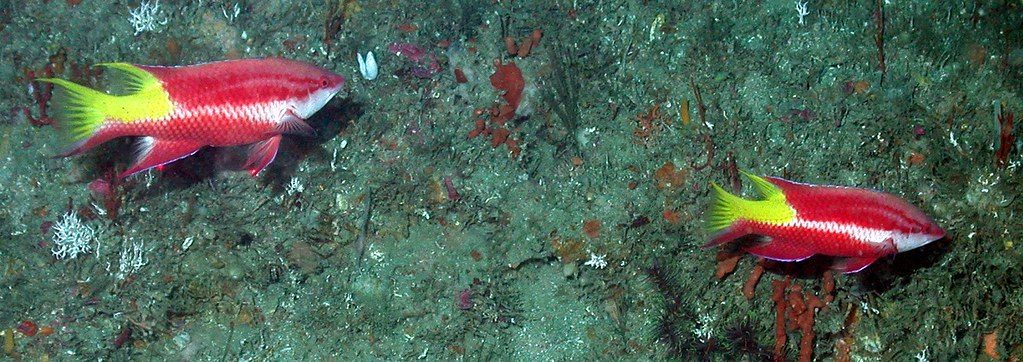
Cuban Hogfish (bodianus Pulchellus)
Cuban Hogfish care is straightforward in larger reef tanks. Learn tank size, diet, compatibility, and reef safety before…
 By
By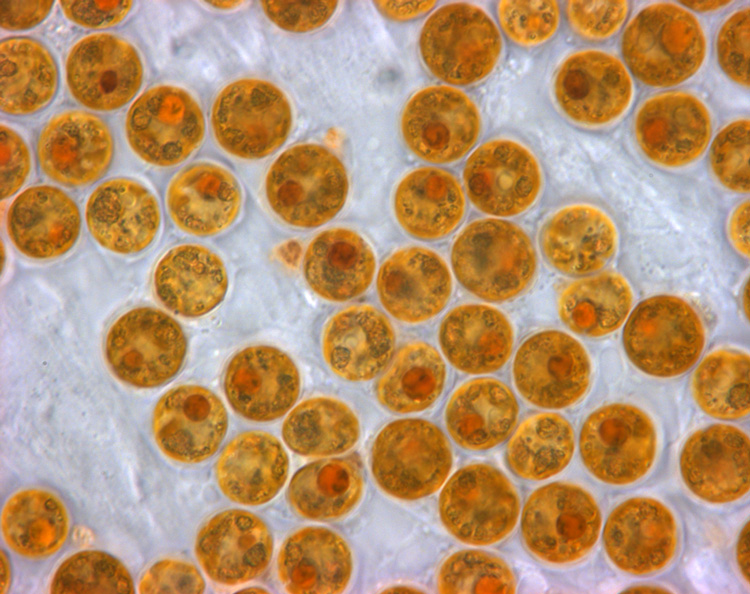
What is Zooxanthellae, and What Role Does it Play in Coral Survival?
Zooxanthellae are symbiotic algae that power coral growth through photosynthesis. They are essential to coral color, health, and…
[favorite_button]
My Bookmarks:
To see full list click here
[user_favorites user_id="" include_links="true" site_id="" post_types="" include_thumbnails="true" thumbnail_size="thumbnail" include_excerpt="false"]