

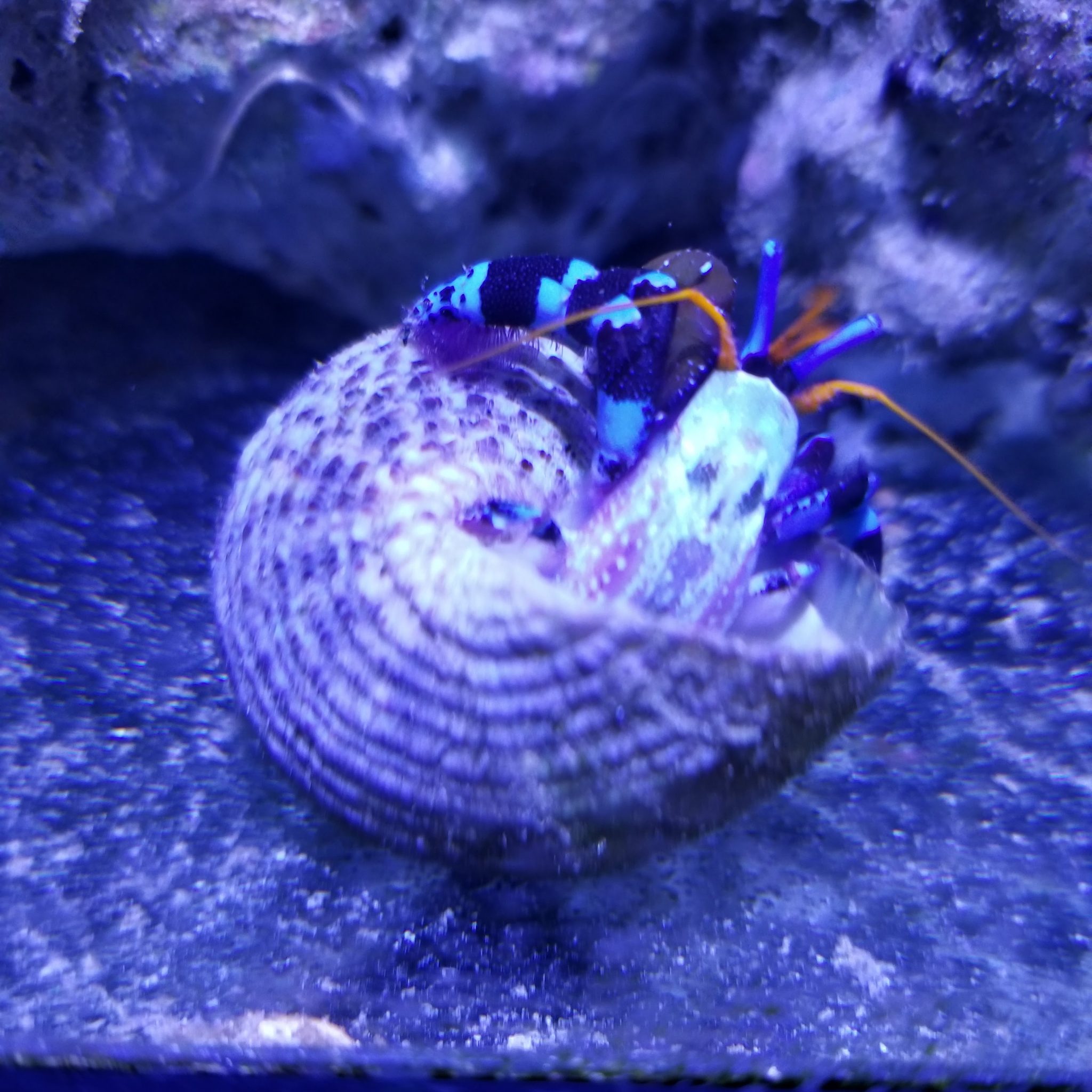
The Electric Blue Hermit Crab is a bright, active cleanup crew member that adds color and utility to a reef tank. It helps consume algae, detritus, and leftover food, but it still needs proper shells, stable water, and careful stocking to stay reef safe and useful.
Many reef keepers buy hermit crabs early in a tank’s life. They are hardy, easy to keep, and fun to watch. The Electric Blue Hermit Crab stands out because of its vivid blue legs and constant movement. It can be a strong part of a clean up crew when kept in the right numbers. It can also become a problem if its needs are ignored. In this guide, you will learn how to care for Electric Blue Hermit Crabs, what they eat, how reef safe they really are, and how to avoid common mistakes. This article also covers tank setup, compatibility, shell needs, and troubleshooting for long-term success.
Quick Reference Table
| Common name | Electric Blue Hermit Crab |
| Scientific group | Marine hermit crab, commonly sold as Calcinus species |
| Care level | Easy |
| Temperament | Semi-aggressive toward other hermits and snails |
| Reef safe | Usually yes, with caution |
| Diet | Algae, detritus, leftover food, meaty scraps |
| Minimum tank size | 10 gallons for one, larger for groups |
| Ideal temperature | 76–80°F |
| Salinity | 1.024–1.026 specific gravity |
| Nitrate | Low to moderate, preferably under 15 ppm |
| Special need | Extra empty shells in several sizes |
This crab is often marketed as a colorful algae eater. That is partly true. It does graze rock and sand. It also scavenges aggressively. Its behavior depends on food supply, shell options, and tank mates. A well-fed hermit with spare shells is usually far less destructive.
What Is an Electric Blue Hermit Crab?
The name “Electric Blue Hermit Crab” is a trade name. Stores may use it for a few similar blue-legged marine hermits. Most belong to the Calcinus group. They have vivid blue legs, dark bands, and bright eyes. Their color makes them popular in nano reefs and mixed reef tanks.
Like all hermit crabs, they do not grow their own shell. They must find and occupy empty snail shells. This shapes much of their behavior. If shells are limited, they may attack snails or other hermits. If food is scarce, they become bolder scavengers. That is why good husbandry matters.
They spend most of the day climbing rock, picking at film algae, and searching for food. They can reach tight spaces that larger cleanup crew animals miss. This makes them useful in tanks with porous live rock and many crevices. They are not a cure for poor maintenance, though. They support your reef care routine. They do not replace it.
Natural Habitat
Electric Blue Hermit Crabs come from tropical marine habitats. They are usually found in shallow reef zones, rubble fields, and lagoon areas. These environments have strong biological activity. Algae films, decaying material, and small food particles are always present. Hermits evolved to exploit these constant food sources.
In nature, they move over rock, coral rubble, and sandy patches. They shelter in holes and under ledges when threatened. Water chemistry stays stable in the ocean. Salinity swings are minimal. Oxygen is high. Temperature changes are gradual. These conditions explain why hermits do best in aquariums with stable parameters.
They also live among many competitors. Snails, crabs, fish, and shrimp all compete for food and shelter. That natural competition helps explain their assertive behavior in tanks. A small crab may still fight hard for a shell or a food item. Understanding this natural behavior helps you stock them more wisely.
Aquarium Setup
An Electric Blue Hermit Crab can live in a small reef tank, but setup matters more than gallon size alone. A 10-gallon tank can support one or a few small hermits. Larger groups need more space and more natural food. In bigger tanks, aggression often drops because resources are spread out.
Build a tank with stable live rock, open sand, and many shaded crevices. Hermits climb well. Make sure loose frags and small rocks are secure. These crabs can knock over unstable pieces while foraging. Avoid sharp swings in salinity and temperature. Invertebrates handle instability poorly.
The most important setup detail is shell availability. Add several empty shells in different sizes and shapes. Place more shells than you think you need. This simple step reduces shell fights and lowers snail deaths. Also keep nutrients under control. A tank with some natural film algae is useful, but a dirty tank is not healthy. For new reef keepers, our guides on reef tank parameters, clean up crew basics, and nano reef tank setup can help build a better environment.
Lighting Requirements
Electric Blue Hermit Crabs do not need special lighting. They are not photosynthetic. Their lighting needs depend on the reef tank, not the crab itself. If the tank houses corals, choose lighting based on coral demand. The crab will adapt to normal reef lighting as long as it has shaded places to retreat.
Bright lighting can help grow film algae and microalgae on rock surfaces. That can create extra grazing opportunities. Still, do not increase light just for hermits. Excess light can fuel nuisance algae and destabilize a young tank. Balance is more important than intensity.
Provide caves, overhangs, and lower-light areas. Hermits often rest in protected spots between feeding runs. This is especially important in tanks with strong LED lighting and minimal rock cover. If your crab hides during the day, that is not always a problem. It may simply be avoiding bright exposure or preparing to molt.
Water Flow
Moderate reef flow works well for Electric Blue Hermit Crabs. They come from habitats with regular water movement, but they do not need direct, blasting flow. Strong random flow helps keep detritus suspended. It also limits dead spots where waste collects. That benefits the whole tank.
Hermits can walk through moderate current without trouble. They often forage in exposed areas, then retreat to calmer zones. A mixed flow pattern is ideal. Let some areas stay gentler near the sand and under rock ledges. This gives the crab options.
Poor flow can cause detritus buildup. That sounds like free food, but it often leads to nutrient issues and cyanobacteria. Excessive direct flow can flip lightweight shells or make climbing difficult for smaller individuals. Aim for overall reef circulation, not targeted flow on the crab. If your tank struggles with waste buildup, review your aquascape and pump placement before adding more cleanup crew animals.
Feeding
Electric Blue Hermit Crabs are omnivorous scavengers. They eat film algae, hair algae, detritus, leftover fish food, and bits of dead organic matter. Some hobbyists assume they can survive on whatever they find. That works only in mature tanks with enough natural food. In cleaner systems, they need supplemental feeding.
Offer small amounts of food two to three times per week if the tank is very clean. Good options include sinking pellets, algae wafers, frozen mysis, finely chopped seafood, and dried seaweed pieces. Feed lightly. You want to support the crab, not raise nutrients.
A hungry hermit is more likely to harass snails, steal from corals, or climb over feeding LPS. Target feeding is not always needed, but occasional direct placement near the crab can help in busy community tanks. Remove uneaten food if it sits too long. A varied diet supports molting and reduces aggression. For broader nutrition planning, see our articles on feeding a reef clean up crew and reef tank algae control.
Compatibility
Electric Blue Hermit Crabs are usually considered reef safe with caution. They generally ignore healthy corals. They spend most of their time scavenging surfaces and leftover food. Problems happen when they are underfed, overcrowded, or short on shells.
They can be aggressive toward snails. Often, this is about shell theft rather than predation. They may also fight with other hermits, especially in smaller tanks. Keep stocking conservative. A few useful hermits are better than a large, competitive swarm.
Most reef fish ignore them. Avoid housing them with crab-eating predators like large wrasses, puffers, triggers, and some hawkfish. They mix well with many shrimp, small gobies, clownfish, and peaceful reef fish. Around corals, watch them near fleshy LPS during feeding time. They may steal food from acans, blastos, or euphyllia. That behavior is annoying but usually manageable. If you want a peaceful invert mix, combine hermits with snails, but always provide spare shells and enough food.
Propagation and Molting
Can They Breed in Home Aquariums?
Breeding marine hermit crabs in reef tanks is uncommon. Females may carry eggs, but raising larvae is difficult. The larval stage is planktonic and delicate. It requires specialized rearing systems, live foods, and careful timing. Most hobbyists should not expect sustainable captive breeding.
Understanding Molting
Like other crustaceans, Electric Blue Hermit Crabs molt as they grow. Before molting, they may hide more, eat less, or seem sluggish. After molting, they are soft and vulnerable. Do not disturb them. Do not assume they are dead if they vanish for several days.
How to Support Healthy Molts
Stable salinity, iodine within normal reef ranges, and a varied diet support healthy molting. Avoid chasing additives unless you test for them. Frequent parameter swings are a bigger risk than minor nutrient presence. Leave shed exoskeleton pieces in the tank for a while. Hermits often eat them to reclaim minerals.
Common Problems
Why Is My Electric Blue Hermit Crab Killing Snails?
The most common cause is shell shortage. The crab may want a better shell. Hunger can also trigger aggression. Add empty shells in several sizes first. Then review feeding frequency. If the tank is very small, reduce hermit numbers.
Why Is My Hermit Crab Not Moving?
It may be molting, stressed, or dead. Check water parameters first. Look at salinity, temperature, and ammonia. Hermits are sensitive to sudden changes. If the crab is tucked deep in its shell and still reacts slightly, give it time. Never pull it out.
Why Did My Hermit Leave Its Shell?
This can happen during shell changes, severe stress, or after injury. Poor water quality can trigger abnormal behavior. Add suitable empty shells immediately. Match the opening size closely. Check for copper contamination, salinity swings, and aggression from tank mates.
Why Is My Hermit Climbing Corals?
Usually, it is searching for food or crossing the rockwork. If it repeatedly bothers a coral, it may be attracted to target-fed food. Feed the crab separately. Adjust coral feeding technique. Secure loose frags so the crab cannot topple them while climbing.
Step-by-Step Care Guide
- Acclimate slowly with drip acclimation for 30 to 60 minutes.
- Match salinity carefully. Invertebrates dislike sudden osmotic change.
- Add the crab to a stable tank with mature rock and hiding places.
- Place several empty shells in the aquarium right away.
- Monitor behavior during the first week for shell fights or harassment.
- Supplement feed if the tank has little visible algae or detritus.
- Keep temperature and salinity stable every day.
- Stock lightly. Too many hermits create competition and losses.
- Observe during coral feeding to prevent food stealing issues.
- Replace shell options as the crab grows.
Frequently Asked Questions
Are Electric Blue Hermit Crabs reef safe?
Usually, yes. They are generally safe with corals. Use caution with snails and other hermits.
How many Electric Blue Hermit Crabs should I keep?
Keep fewer than most stores suggest. One to three works in many nano tanks. Larger systems can support more if food and shells are abundant.
Do Electric Blue Hermit Crabs eat hair algae?
They may graze some hair algae, especially soft new growth. Do not rely on them alone for algae control.
Do they need extra shells?
Yes. Extra shells are essential. This is one of the best ways to reduce aggression.
Can I keep them with snails?
Yes, but monitor them. Well-fed hermits with many spare shells are less likely to attack snails.
The Electric Blue Hermit Crab is a useful and attractive reef scavenger when kept with realistic expectations. It is not a miracle algae cure. It is a small omnivore with specific needs. Give it stable water, extra shells, and modest competition. In return, you get a colorful cleanup crew member that adds movement and personality to your reef.
Was this helpful?
Related Posts
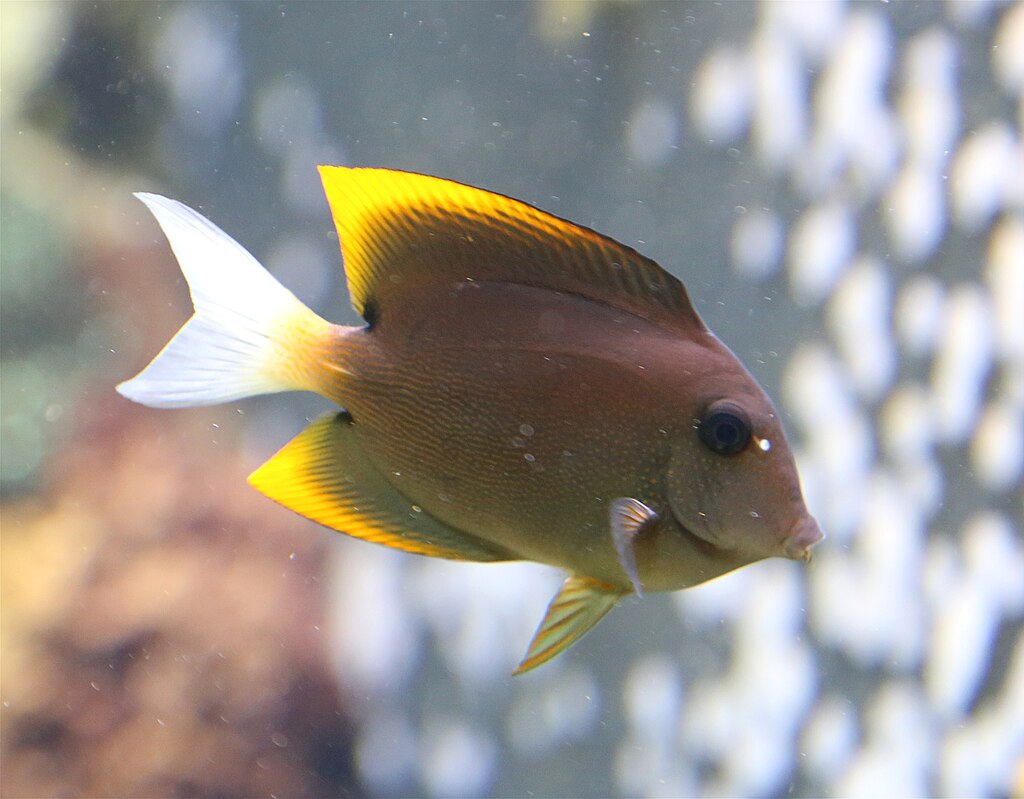
Juvenile Orange Shoulder (acanthurus Olivaceus)
Juvenile orange shoulder tangs are bright, hardy, and reef safe, but they grow large and need a spacious…
 By
By
Best Filtration Systems
Best Filtration Systems for a Healthy Saltwater Aquarium Choosing the best filtration system for your saltwater aquarium is…
[favorite_button]
My Bookmarks:
To see full list click here
[user_favorites user_id="" include_links="true" site_id="" post_types="" include_thumbnails="true" thumbnail_size="thumbnail" include_excerpt="false"]