

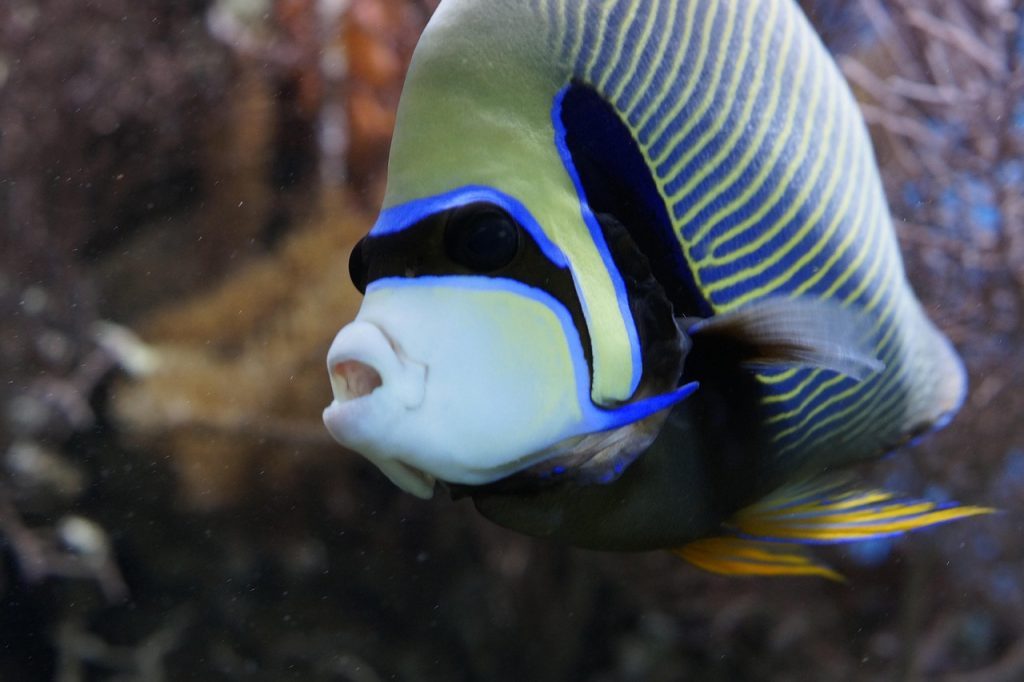
The Emperor Angelfish is one of the most striking marine fish in the hobby. It is also one of the most misunderstood. This species needs a large, mature aquarium, stable water quality, and careful tankmate selection. It can live for many years in captivity when its needs are met.
In this guide, you will learn how to keep Pomacanthus imperator successfully. We will cover tank size, diet, reef safety, behavior, compatibility, and common problems. If you want to keep this iconic angelfish long term, these details matter.
Quick Care Facts
| Common name | Emperor Angelfish |
| Scientific name | Pomacanthus imperator |
| Care level | Moderate to advanced |
| Temperament | Semi-aggressive |
| Adult size | Up to 15 inches |
| Minimum tank size | 180 gallons |
| Diet | Omnivore with sponge-based foods |
| Reef safe | With caution |
| Temperature | 74–80°F |
| Salinity | 1.023–1.026 |
| pH | 8.1–8.4 |
| Lifespan | 10+ years |
The quick summary is simple. This is a large, active fish with a big personality. It rewards patience and proper planning. It is not a good choice for small tanks or new marine setups.
Natural Habitat
The Emperor Angelfish comes from the Indo-Pacific region. Its range includes the Red Sea, East Africa, Hawaii, Japan, and Australia. It usually lives around coral-rich reefs, lagoons, and outer reef slopes. Juveniles often stay in sheltered areas. Adults patrol larger territories on mature reefs.
In the wild, this species grazes all day. It picks at sponges, tunicates, algae, and small benthic organisms. That natural diet explains many feeding issues in captivity. Fish that only receive basic flake food often lose condition over time. They need variety and sponge matter to thrive.
The dramatic color change between juvenile and adult is another famous trait. Juveniles show deep blue bodies with white circular bands. Adults develop yellow and blue horizontal striping with a dark eye mask. The transition can take many months. During that phase, fish often look patchy or uneven. That is normal.
Aquarium Setup
A 180-gallon tank is the practical minimum for an adult Emperor Angelfish. Larger is better. A 220-gallon or bigger aquarium gives more swimming room and reduces aggression. This fish becomes thick-bodied and powerful with age. It needs open water and stable territory.
Build the aquascape with sturdy live rock. Create caves, arches, and shaded retreats. Leave open lanes for cruising. Do not pack the tank wall to wall with rock. This species likes both cover and space. Secure all rockwork well. Large angels can bump loose structures while grazing.
Mature tanks work best. Avoid adding this fish to a new system. Established live rock offers natural grazing and helps reduce stress. Strong filtration is essential. Use an efficient protein skimmer and keep nutrient export consistent. Emperor Angelfish are heavy eaters. That means more waste and more maintenance.
If you are still planning your display, read our guide on aquarium cycling and stability: how to cycle a reef tank. Stable foundations matter with large angelfish.
Lighting Requirements
The Emperor Angelfish has no special lighting demand on its own. It adapts well to standard fish-only or reef lighting. The real concern is the overall system. If the fish lives in a reef tank, choose lighting based on coral needs first. The angelfish will usually adjust.
That said, avoid sudden lighting changes. Large marine fish can become skittish under abrupt intensity shifts. Use ramping schedules if possible. Dim periods at the start and end of the day reduce stress. This also supports a more natural rhythm.
Provide shaded zones in the aquascape. Overhangs and caves help the fish feel secure. Juveniles especially appreciate protected areas. Adults use them too, especially after introduction. If your tank uses very bright reef LEDs, these darker spots become even more important.
Water Flow
Moderate to strong water movement works well for this species. Emperor Angelfish come from reef zones with steady circulation. Good flow keeps oxygen levels high and waste suspended for filtration. It also helps maintain cleaner rock surfaces for grazing behavior.
Avoid blasting the fish with direct, narrow jets. Use broad, dispersed flow instead. The goal is a dynamic environment, not a washing machine. The fish should be able to swim comfortably through different zones. Some calm areas are useful for resting.
If your tank houses corals, balance flow for both the fish and invertebrates. Random flow patterns usually work best. Watch the fish after adding powerheads. If it constantly hides or struggles in one area, adjust pump placement.
Feeding
Feeding is where many hobbyists succeed or fail with Emperor Angelfish. This species needs a varied diet. Do not rely on one food. Offer marine angelfish preparations that contain sponge. Add frozen mysis, brine shrimp, chopped clam, krill, and high-quality pellets. Include algae sheets or herbivore blends several times each week.
Feed juveniles two to three times daily. Feed adults at least twice daily when possible. Smaller, regular meals are better than one heavy feeding. This fish grazes in nature. Frequent feeding supports body weight, color, and immune function.
Soak foods in vitamins occasionally. This is helpful during acclimation and after shipping. Garlic is optional. Vitamins are more consistently useful. A fish that refuses food for several days needs close attention. Check for bullying, poor water quality, or internal parasites.
For more help building a strong feeding plan, see our article on best food for marine angelfish. Diet variety makes a visible difference with this species.
Compatibility
Emperor Angelfish are semi-aggressive. They can coexist with many robust tankmates in large aquariums. Good companions include tangs, larger wrasses, foxfaces, triggerfish with caution, and other sturdy community fish. Avoid tiny, timid species that may be bullied during feeding.
Use caution with other angelfish. Mixing large angels often causes territorial conflict unless the tank is very large. Even then, success is not guaranteed. Introduce fish in the right order. Adding the Emperor last often helps, especially if the tank already has established residents.
Reef compatibility is the biggest question. This species is not fully reef safe. Some individuals ignore many corals. Others nip fleshy LPS, zoanthids, clam mantles, and soft corals. Risk increases if the fish is underfed or the tank is crowded. There is no guarantee. If you keep prized corals, understand the gamble before buying.
If you are evaluating tankmates, our guide to reef fish compatibility chart can help you plan a safer stocking list.
Step-by-Step Acclimation Guide
Step 1: Quarantine the fish first. This species can carry marine ich, flukes, or bacterial issues. A separate quarantine tank protects your display.
Step 2: Match salinity and temperature slowly. Avoid rushed acclimation. Large angels stress easily after shipping.
Step 3: Offer hiding places immediately. PVC elbows work in quarantine. Rock caves work in the display.
Step 4: Get the fish eating early. Start with frozen foods and sponge-based angel formulas. Feed small amounts several times daily.
Step 5: Observe behavior closely. Watch respiration, fin condition, appetite, and waste. Healthy fish become curious and bold over time.
Step 6: Introduce to the display with lights dimmed. Rearranging a little rockwork can reduce aggression from established fish.
Need a quarantine refresher? Read marine fish quarantine guide. It can save your entire system.
Propagation and Breeding
Breeding Emperor Angelfish in home aquariums is extremely rare. This species is a pelagic spawner in the wild. Pairs release eggs into the water column, usually at dusk. The larvae are delicate and require advanced rearing methods. That places captive breeding beyond the reach of most hobbyists.
Because home propagation is not practical, focus on long-term care and responsible sourcing. Buy from reputable vendors who ship healthy, feeding specimens. Juveniles often adapt better than large adults. They settle in more readily and usually transition to prepared foods faster.
Common Problems
Why is my Emperor Angelfish not eating?
New imports often refuse food from stress. Poor acclimation, bullying, and parasites are also common causes. Try sponge-based frozen foods, clam on the half shell, and frequent small feedings. Check ammonia and salinity. Observe for flashing, heavy breathing, or stringy waste.
Why is the color changing?
Juveniles naturally transition into adult coloration. That process can look uneven. It is not usually a disease sign. Faded color in adults can point to stress, poor nutrition, or chronic water quality issues. Improve diet variety and test your parameters.
Why is it picking at corals?
Some Emperor Angelfish simply develop a taste for coral tissue. Hunger can make this worse. Increase feeding frequency first. If nipping continues, the behavior may be permanent. In that case, relocation may be the only solution.
Why is it breathing heavily?
Heavy breathing can signal low oxygen, ammonia exposure, flukes, or other parasites. Test water immediately. Increase aeration. Inspect gill movement and overall posture. If the fish remains distressed, move it to quarantine for treatment.
Frequently Asked Questions
Is the Emperor Angelfish good for beginners?
Not usually. It needs a large tank, strong filtration, and careful feeding. Beginners often do better with hardier, smaller marine fish first.
How big does an Emperor Angelfish get?
Adults can reach about 15 inches. Many captive fish stay slightly smaller, but they still need a very large aquarium.
Can an Emperor Angelfish live in a reef tank?
Yes, but with risk. Some individuals behave well for months. Others nip corals and clam mantles quickly. It is never a guaranteed reef-safe fish.
Should I buy a juvenile or an adult?
Juveniles usually adapt better to captivity. They often accept prepared foods more readily and adjust to aquarium life with less stress.
How long do Emperor Angelfish live?
With excellent care, they can live well over 10 years. Stable water, a large tank, and a varied diet are the biggest factors.
Final Thoughts
The Emperor Angelfish is a showpiece fish for large marine aquariums. It is beautiful, intelligent, and full of character. It also demands space, mature conditions, and a serious feeding routine. If you can provide those basics, Pomacanthus imperator can become the centerpiece of an unforgettable saltwater display.
Plan carefully before purchase. Respect its adult size. Quarantine every specimen. Feed a varied diet with sponge content. If you do that, this classic angelfish can thrive for years.
Was this helpful?
Related Posts
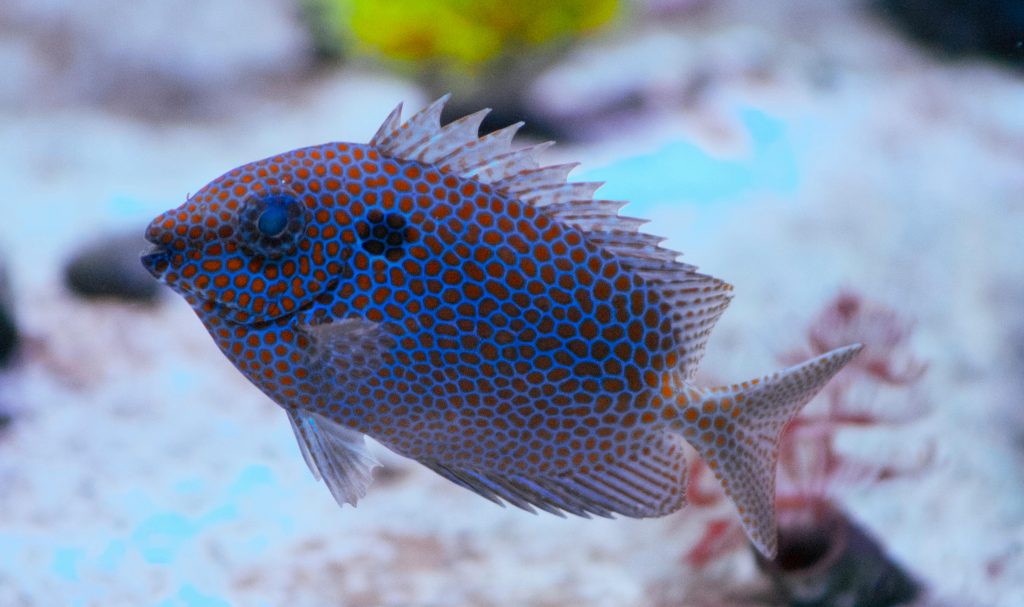
Gold Spotted Rabbitfish (Siganus Punctatus)
Gold Spotted Rabbitfish care includes large tanks, heavy algae feeding, and caution with corals. Learn tank size, diet,…
 By
By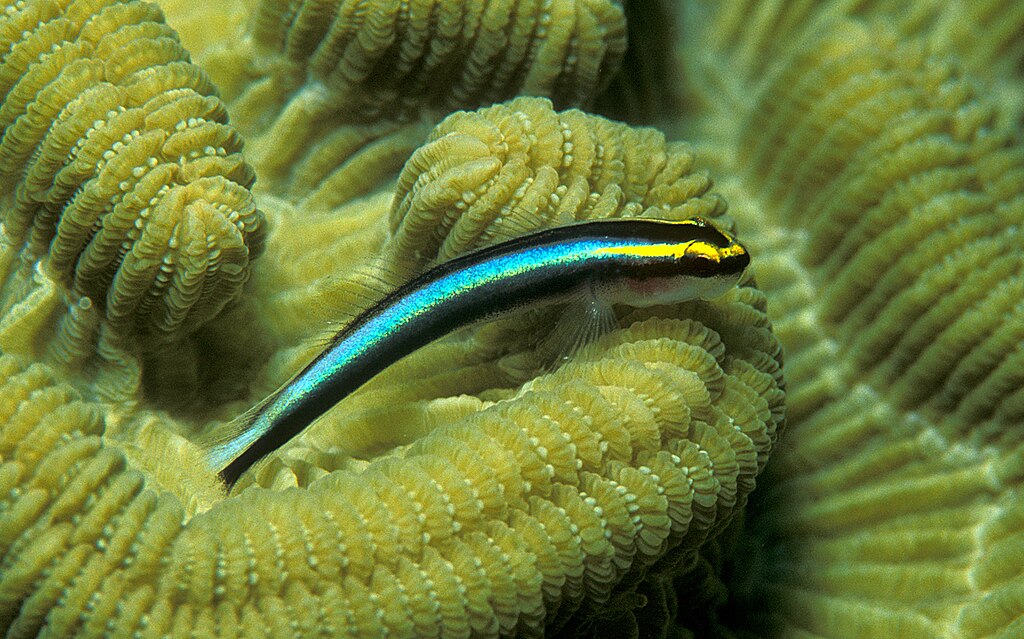
Sharknose Goby (Elacatinus evelynae)
Sharknose Goby care is simple in stable reef tanks. Learn feeding, tank setup, compatibility, and common problems for…
[favorite_button]
My Bookmarks:
To see full list click here
[user_favorites user_id="" include_links="true" site_id="" post_types="" include_thumbnails="true" thumbnail_size="thumbnail" include_excerpt="false"]