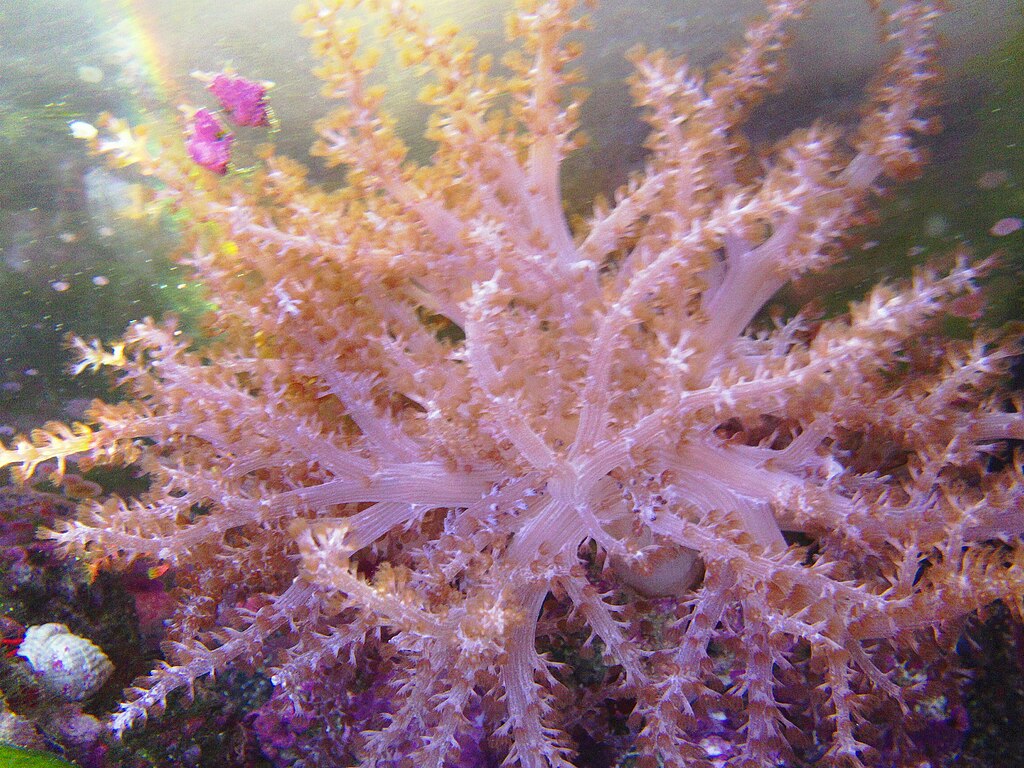
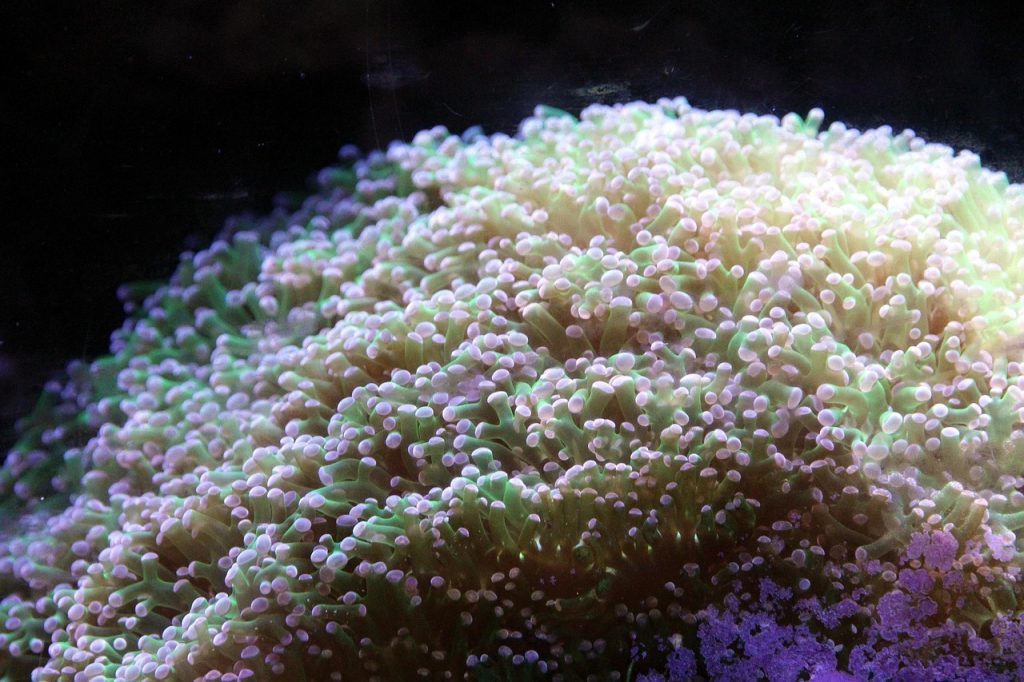
Euphyllia corals bring motion and color to reef tanks. They can thrive in many setups when you meet a few key needs. This guide covers placement, flow, feeding, and common problems.
Understanding Euphyllia needs and placement
Euphyllia includes torch, hammer, and frogspawn corals. Most are large polyp stony corals. They build a calcium skeleton under fleshy tentacles. They can sting neighbors with long sweeper tentacles.
Start with stable parameters before you buy one. Aim for 25–26°C, salinity 1.025–1.026, and pH 8.1–8.3. Keep alkalinity 8–9 dKH for consistency. Maintain calcium 420–460 ppm and magnesium 1250–1400 ppm.
Place Euphyllia in the middle or lower rockwork at first. Give 15–20 cm of space from other corals. Torches often need more room than hammers. Avoid direct contact with acans, zoas, and soft corals.
Use a slow acclimation to reduce stress. Match temperature for 15 minutes. Then drip acclimate for 30–45 minutes. Inspect for brown jelly and pests under white light. For a full setup check, see reef tank water parameters.
- Start new frags on the sand for 7–10 days.
- Move up 5–8 cm per week if extension stays strong.
- Keep a “stinging zone” around the coral at all times.
Lighting, flow, and daily husbandry
Euphyllia prefers moderate light in most tanks. Target 80–150 PAR for hammers and frogspawn. Many torches like 100–200 PAR when acclimated. Sudden jumps can cause bleaching and retraction.
Flow should be gentle and indirect. Aim for a “swaying” motion, not whipping. Too much flow tears tissue on sharp skeleton edges. Too little flow traps detritus and fuels infection.
Keep nutrients present but controlled. Nitrate of 5–15 ppm often works well. Phosphate of 0.03–0.10 ppm supports color and growth. Ultra-low nutrients can cause pale tissue and slow recovery.
Test alkalinity at least twice per week in growing tanks. Dose in small daily amounts if needed. Keep swings under 0.3 dKH per day. For dosing basics, review alkalinity, calcium, and magnesium dosing.
- Use a 30–60 minute light ramp to reduce shock.
- Angle pumps away from the coral’s mouth and tissue.
- Blow detritus off the colony with a turkey baster weekly.
Feeding, troubleshooting, and common mistakes
Euphyllia gets energy from light and feeding. Target feed 1–2 times per week for faster growth. Offer small meaty foods like mysis, brine, or reef roids slurry. Feed after lights dim when tentacles extend more.
Use a pipette and turn off pumps for 10–15 minutes. Place food on the tentacles, not deep in the mouth. Overfeeding can raise phosphate fast. If algae grows, reduce feeding and improve export.
Brown jelly disease is the biggest emergency. It looks like brown slime and rapid tissue loss. Siphon the slime and isolate the coral. Perform an iodine dip for 5–10 minutes and increase flow.
Common mistakes include unstable alkalinity and coral warfare. Another issue is placing them near aggressive euphyllia. Torches can kill nearby hammers overnight. If you need a quarantine plan, see coral quarantine and dip guide.
- If polyps stay tight, check alkalinity and salinity first.
- If tissue peels, reduce flow and inspect for sharp skeleton cuts.
- If color fades, verify PAR and raise nitrate by 2–5 ppm slowly.
Sources: Borneman, E. (2001) Aquarium Corals; Delbeek & Sprung (1994–2005) The Reef Aquarium series; Julian Sprung (2007) Corals: A Quick Reference Guide.
Euphyllia coral care is simple when stability comes first. Provide moderate light, indirect flow, and steady alkalinity. Feed lightly, give space, and act fast on infections for long-term success.
Was this helpful?
Related Posts
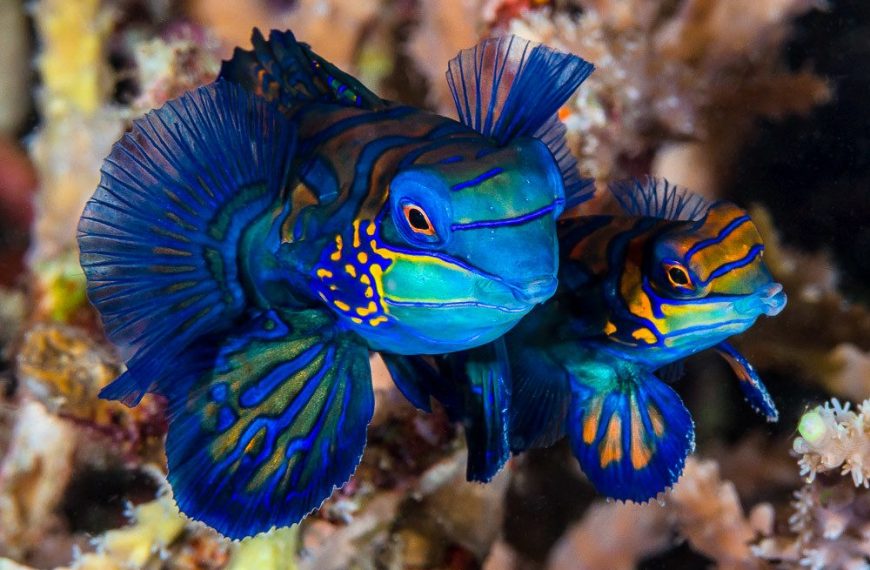
Dragonets Fish Care
Dragonets are beautiful reef fish, but they need mature tanks and steady food sources. Learn how to keep…
 By
By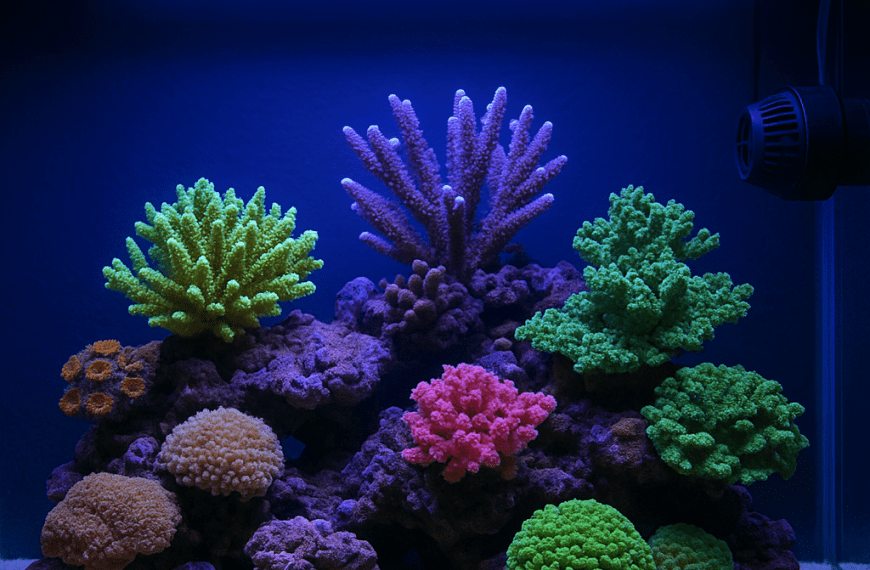
Lighting For Aquarium
Lighting for Aquarium: Getting Saltwater Illumination Right Lighting for a saltwater aquarium is about much more than simply…