

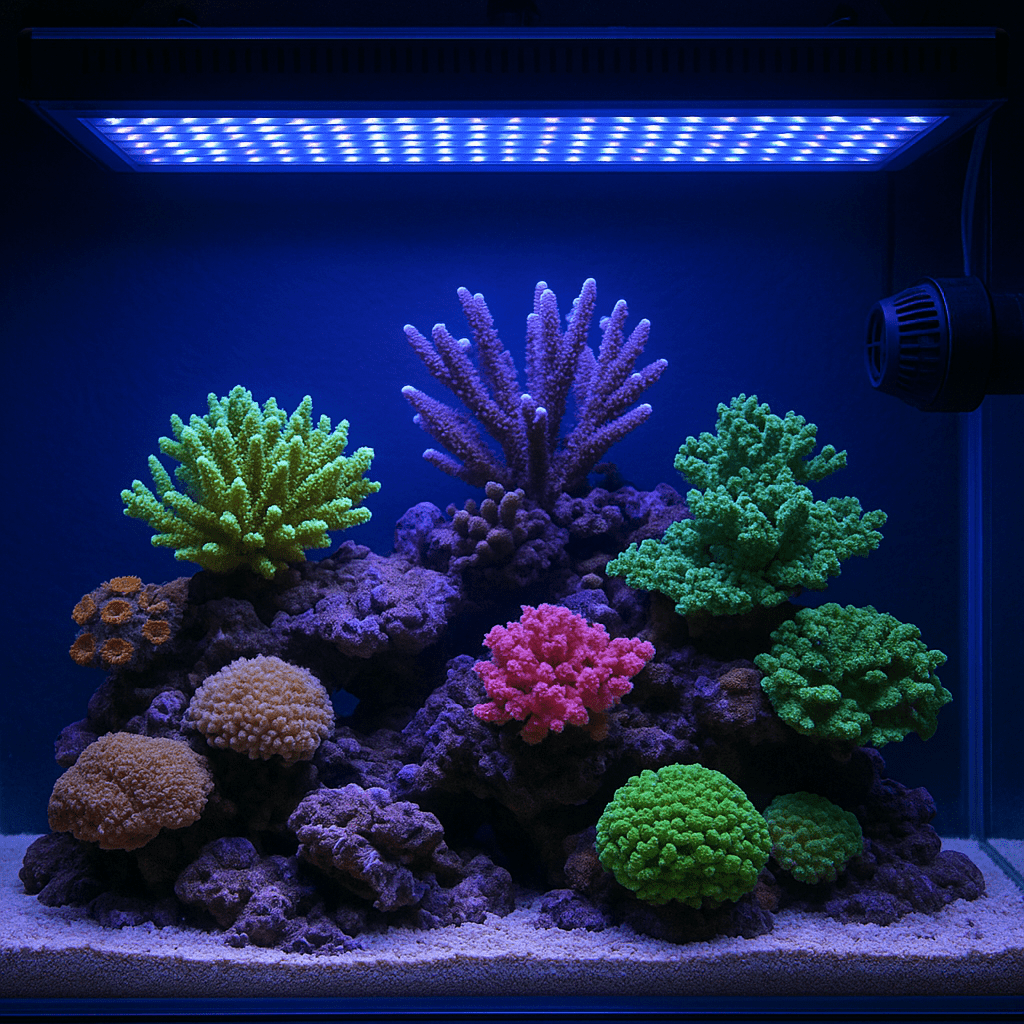
LPS coral feeding improves growth, color, and recovery when done correctly. Most large polyp stony corals benefit from targeted feeding once or twice weekly, stable water chemistry, and moderate flow that lets food reach the polyp without blowing it away.
Many reef keepers assume light alone is enough for LPS corals. Light is important, but feeding often makes the difference between a coral that survives and one that thrives. In this guide, you will learn which LPS corals need feeding most, what foods work best, how often to feed, and how to avoid common mistakes like overfeeding, tissue damage, and nutrient spikes. These tips apply to common favorites like acans, blastos, favias, trachyphyllia, scolymia, and euphyllia.
LPS Coral Feeding Quick Reference
| Coral Type | Best Food | Feeding Frequency | Best Time | Notes |
|---|---|---|---|---|
| Acanthastrea | Mysis, reef roids, pellet fragments | 1–2 times weekly | Evening | Very responsive feeder |
| Blastomussa | Fine meaty foods, powdered coral foods | 1 time weekly | Evening | Use small portions |
| Favia/Favites | Mysis, brine, minced seafood | 1–2 times weekly | Night | Feeding tentacles appear after lights dim |
| Trachyphyllia | Mysis, krill pieces, clam | 1 time weekly | Low light period | Do not overfeed large chunks |
| Scolymia | Mysis, chopped shrimp, pellets | 1 time weekly | Evening | Feed gently to avoid stress |
| Euphyllia | Mysis, reef blends, fine meaty foods | Every 1–2 weeks | Low flow period | Can thrive without heavy target feeding |
Use this table as a starting point. Each coral and tank is different. Watch the coral’s feeding response and adjust slowly.
Why Feeding LPS Corals Matters
LPS corals get energy from both light and food. Their zooxanthellae provide sugars through photosynthesis. That is only part of the picture. Many LPS corals also capture plankton and meaty particles in nature. In aquariums, this extra nutrition supports tissue growth, skeletal development, and stronger coloration.
Feeding is especially helpful after shipping stress, fragging, or parameter swings. A well-fed coral often inflates better and recovers faster. You may also see faster head splitting in acans and better tissue fullness in fleshy corals. Corals kept under lower light often benefit even more from regular feeding.
Still, more food is not always better. Excess food can rot in the tank and raise nitrate and phosphate. That can fuel algae and irritate coral tissue. The goal is efficient feeding. Give enough for the coral to consume. Avoid letting food drift away and decay in the rockwork.
Which LPS Corals Need Feeding the Most
Some LPS corals show a strong feeding response. These are usually the easiest to target feed. Acans, blastos, favias, scolymia, trachyphyllia, and lobophyllia often extend feeder tentacles and grab food quickly. These corals usually show visible benefits from regular feeding.
Euphyllia corals, like hammers and torches, can eat meaty foods. They do not always need direct feeding to thrive. In many mixed reefs, they catch enough suspended food during normal fish feeding. Duncan corals sit somewhere in the middle. They usually accept direct feeding eagerly and often grow faster when fed.
If you are unsure, observe the coral after lights dim. Many LPS corals extend feeder tentacles in the evening. That is your cue. A coral that never opens may still eat, but you may need to trigger a response with a small amount of broadcast food first.
Best Foods for LPS Corals
The best LPS coral foods are small, meaty, and easy to digest. Mysis shrimp is a top choice. It has good protein content and a manageable size for many corals. Finely chopped krill, brine shrimp, calanus, and minced clam also work well. For smaller mouths, powdered coral foods and fine particle blends are often better.
Pellet foods can also work. Softened pellets are easier for fleshy corals to handle. Avoid very large or hard pieces. Those can sit on the coral too long and cause irritation. Some hobbyists use reef chili style foods or amino acid supplements. These can help trigger feeding, but they should not replace sound tank husbandry.
Rinse frozen foods when possible. This reduces excess juices that can cloud the water. Match the food size to the coral. Acan polyps can handle larger bites than blastos. Trachyphyllia and scolymia can take surprisingly large pieces, but smaller portions are safer and easier to digest.
How to Feed LPS Corals Step by Step
Start by preparing a small amount of food in tank water. Thaw frozen food fully. Turn off return pumps if needed. Leave gentle internal flow running if the coral tolerates it. Too much flow blows food away. No flow at all can let food sit and foul tissue.
Next, use a turkey baster, pipette, or feeding syringe. Gently release food just above the polyp. Do not blast the coral. Let the tentacles catch the food naturally. Wait and watch. Many LPS corals fold inward once they grab a piece. If fish or shrimp steal food, use a feeding dome or feed after lights out.
After 10 to 20 minutes, restore normal flow. Remove uneaten food if it remains on the coral too long. Start with one small piece per mouth. You can increase later if the coral responds well. Consistency matters more than large feedings. A little food, given regularly, usually works best.
When to Feed LPS Corals
Most LPS corals feed best in the evening. That is when feeder tentacles often appear. Feeding after the main lights dim can improve capture rates. It also reduces competition from active fish. In bright daytime conditions, some corals stay more retracted and ignore food.
You do not need to feed every day. Once or twice weekly is enough for most tanks. Heavy feeding can create nutrient problems fast. If your tank already has elevated nitrate or phosphate, reduce the amount per session. If your nutrients are very low and corals look pale, careful feeding may help.
Try to feed on a routine. Corals can learn feeding patterns over time. Many hobbyists notice better extension when they feed on the same nights each week. Stability helps here too. Corals respond best when alkalinity, salinity, and temperature stay steady.
Natural Habitat and What It Teaches Us
Many popular LPS corals come from reef slopes, lagoons, and protected reef zones. These habitats often have moderate light and steady water movement. Food arrives as plankton, detritus, and suspended organic matter. Corals capture what passes by. They do not usually receive giant meals all at once.
This matters in the aquarium. It tells us LPS corals prefer small, manageable food items and regular access to suspended nutrition. It also explains why moderate flow is so important. Flow brings food and oxygen. It also carries away mucus and waste. A coral in stagnant water may struggle even if you feed it often.
Natural habitats also vary by species. Fleshy open-brain corals often live in softer, lower-flow areas. Favias and acans may inhabit rockier zones with more variable current. Matching these conditions helps feeding success. A coral placed correctly is more likely to inflate, extend tentacles, and keep food down.
Aquarium Setup for Better Feeding Response
Tank setup affects feeding more than many beginners realize. Start with stable parameters. Keep salinity around 1.025, temperature stable, and alkalinity consistent. LPS corals often react poorly to sudden swings. A stressed coral may refuse food or spit it out.
Placement matters too. Put fleshy corals where they can expand fully. Avoid sharp rock edges that can cut tissue. Leave enough space between corals. Sweeper tentacles can damage neighbors during nighttime feeding. Sand bed placement works well for trachyphyllia and scolymia. Rock ledges often suit favias and acans.
Use nutrient export tools wisely. A skimmer, filter socks, and refugium help offset feeding. That gives you more flexibility. If you want to feed heavily, your filtration must keep up. You can learn more in these FancyReef guides: reef tank parameters, best protein skimmer for reef tank, and reef tank aquascaping basics.
Lighting Requirements and Feeding Balance
LPS corals usually prefer low to moderate light. Some tolerate more, but many bleach or shrink under intense PAR. Feeding can help support corals under stronger light, but it does not fix poor placement. Start with the coral’s lighting needs first. Then use feeding as a supplement.
Corals under lower light often rely more on captured food. That does not mean they should sit in dark corners. It means balanced conditions matter. Give enough light for healthy photosynthesis and enough food for growth. If a coral looks pale, check both lighting and nutrient intake before making major changes.
Watch inflation and tissue texture. A coral that expands well during the day often has a good light balance. A coral that stays tightly closed may be stressed by light, flow, pests, or chemistry. Feeding works best after those basics are correct.
Water Flow and Feeding Success
Moderate flow is ideal for most LPS corals. You want enough movement to deliver food and oxygen. You do not want strong jets that tear tissue or strip food away. Fleshy corals prefer gentler, indirect flow. Euphyllia like a rhythmic sway. Favias and acans usually tolerate a bit more movement.
During feeding, reduce flow slightly if needed. This gives the coral time to grab food. Do not leave all pumps off too long. Stagnant water can trap mucus and waste around the coral. Ten to twenty minutes is usually enough for a target feeding session.
If food always blows away, adjust the coral’s placement rather than forcing bigger meals. If detritus settles on the coral, increase indirect flow. The right flow pattern often improves extension within days. For more help, see reef tank flow guide.
Compatibility During Feeding
Feeding time can create conflict in a reef tank. Fish, shrimp, crabs, and even nearby corals may interfere. Cleaner shrimp are notorious food thieves. Some wrasses and clownfish also pick at target-fed corals. This can stress the coral and waste food.
Use a feeding dome, cut bottle, or mesh guard if needed. Feed fish first to reduce competition. In tanks with aggressive invertebrates, night feeding often works better. Also watch coral spacing. Favias and galaxea can extend long sweepers that sting nearby LPS during nighttime feeding periods.
Most reef-safe fish are fine with LPS corals. The issue is usually food theft, not coral predation. If a coral never gets a full meal, it may lose condition over time. Small changes in feeding method often solve this problem.
Propagation and Fragging
Why feeding helps after fragging
Freshly cut LPS corals need energy to heal. Once the cut edge seals and the coral reopens, gentle feeding can support recovery. Do not feed immediately after fragging. Wait until tissue looks stable and the coral shows a normal feeding response.
Best approach for frags
Feed small portions only. Frags have less tissue mass and can foul quickly if overfed. Acans and blastos usually respond well to fine meaty foods. Keep water clean and stable. Good healing matters more than heavy feeding in the first weeks.
Common Problems
LPS coral won’t eat
This usually points to stress. Check alkalinity, salinity, temperature, and recent changes. Also inspect for pests, excessive light, or too much flow. Try feeding after lights out. Use a small amount of broadcast food first to trigger tentacles.
Coral grabs food then spits it out
The food may be too large or too tough. Try smaller pieces. Also check flow. Food can shift and irritate the mouth. Severe stress can cause repeated rejection. In that case, fix the environment before feeding again.
Nitrate and phosphate rise after feeding
You are likely feeding too much or losing food to the tank. Target feed more carefully. Reduce portion size. Improve export with skimming, water changes, or mechanical filtration. Read how to lower nitrate in a reef tank for deeper troubleshooting.
Tissue recession after feeding
This can happen when food sits too long on damaged tissue. It can also happen after bacterial irritation or rough handling. Stop target feeding temporarily. Improve flow around the coral. Check for injury, pests, and unstable parameters.
Frequently Asked Questions
How often should I feed LPS corals?
Most LPS corals do well with feeding once or twice weekly. Heavier schedules can work, but only with strong filtration and stable nutrients.
Do LPS corals need target feeding?
Not always. Many survive on light and suspended food. Target feeding usually improves growth and recovery, especially for fleshy species.
What is the best food for LPS corals?
Mysis shrimp is one of the best all-around choices. Powdered coral foods and finely chopped seafood also work well when matched to mouth size.
Can I overfeed LPS corals?
Yes. Overfeeding can pollute the water and irritate the coral. Small portions are safer and usually more effective.
Should I feed LPS corals with pumps off?
Reduce flow briefly if needed, but do not leave the tank stagnant for long. Gentle movement helps corals feed and breathe properly.
Was this helpful?
Related Posts
Cuban Hogfish (bodianus Pulchellus)
Cuban Hogfish care is straightforward in larger reef tanks. Learn tank size, diet, compatibility, and reef safety before…
 By
ByWhat to Do During a Power Outage
A reef tank power outage demands fast action. Protect oxygen, temperature, and circulation first to keep fish and…
 By
By[favorite_button]
My Bookmarks:
To see full list click here
[user_favorites user_id="" include_links="true" site_id="" post_types="" include_thumbnails="true" thumbnail_size="thumbnail" include_excerpt="false"]