Fish Care Tips for a Healthy Saltwater Aquarium
Keeping saltwater fish healthy is one of the most rewarding parts of the marine aquarium hobby. With the right care, your fish can thrive for many years, showing natural behavior and vibrant color. Below are practical, hobby-tested fish care tips to help you build a stable, low-stress environment for your saltwater livestock.
Start with the Right Tank and Stocking Choices
Good fish care begins long before you add your first clownfish. Planning your system and stocking list carefully prevents many common problems.
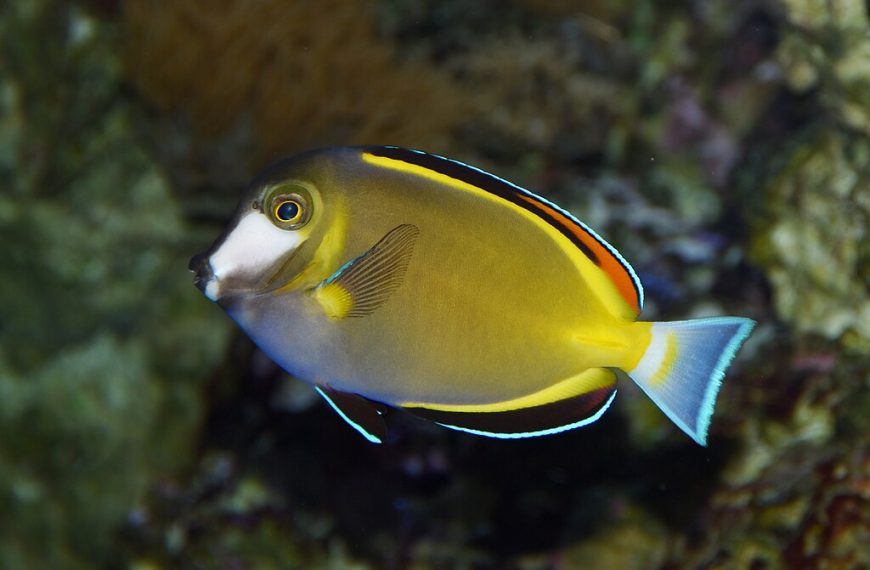
- Match fish to tank size: Research the adult size and activity level of each species. Active swimmers like tangs and wrasses need plenty of horizontal space.
- Stock slowly: Add only one or two fish at a time and allow your biological filter to adjust. Rapid stocking is a major cause of ammonia and nitrite spikes.
- Check compatibility: Avoid mixing highly aggressive species or multiple fish that occupy the same niche. A peaceful community reduces stress and disease risk.
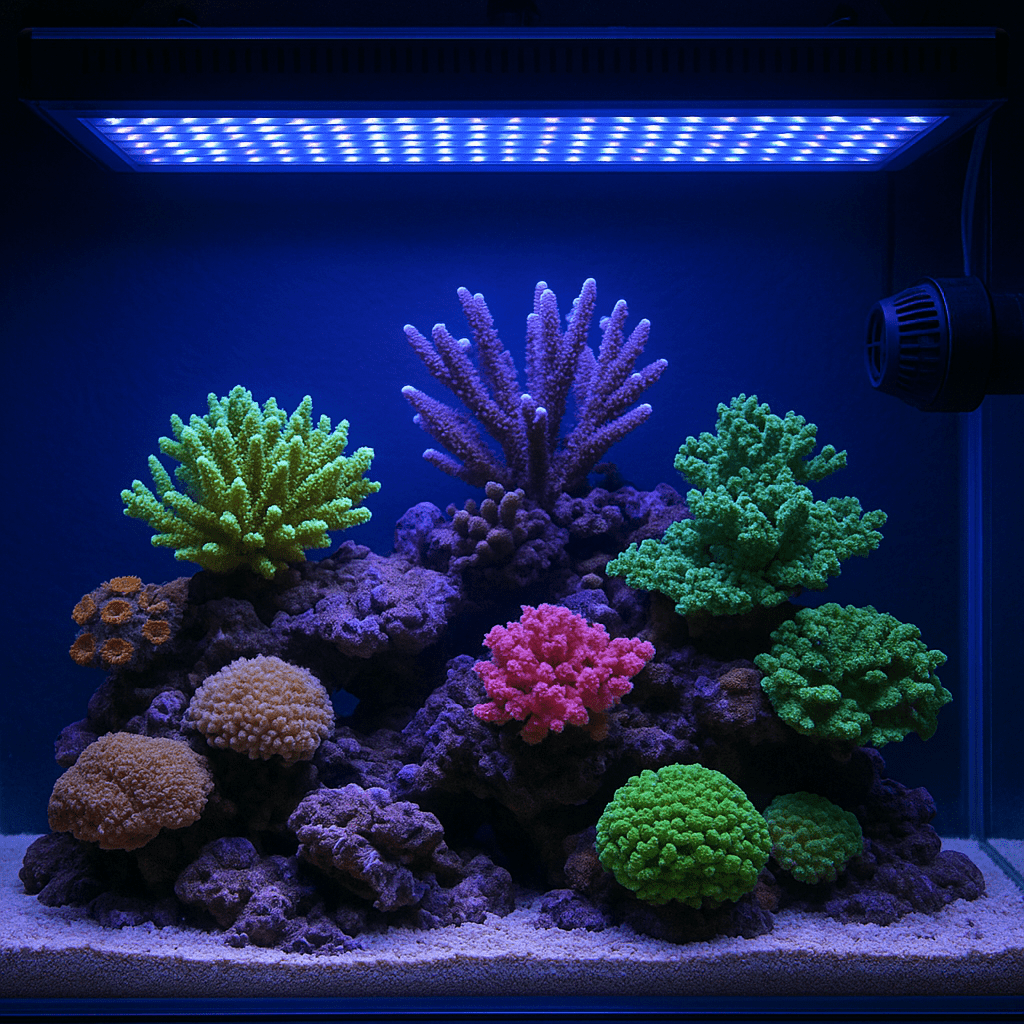
Before selecting any livestock, review your system plan and long-term goals. If you haven’t already, read our guide on beginner saltwater tank setup to make sure your equipment and layout are ready for fish.
Water Quality and Routine Maintenance
Stable, clean water is the foundation of good fish health. Marine fish are sensitive to sudden swings, so consistency matters more than chasing perfect numbers.
- Monitor key parameters: Keep salinity, temperature, pH, ammonia, nitrite, nitrate, and alkalinity within recommended ranges. Test weekly, and any time fish act unusual.
- Perform regular water changes: 10–20% every 1–2 weeks helps export nutrients and replenish trace elements. Match temperature and salinity of new water to avoid shock.
- Maintain filtration: Rinse mechanical filter media, clean protein skimmers, and siphon detritus from the sump and bare spots in the display.
- Provide oxygen and flow: Use powerheads or wavemakers to create gentle, varied flow so fish can swim comfortably and waste doesn’t settle.
Tip: Make small, frequent adjustments instead of large, sudden corrections. Fish handle gradual change far better than big swings in salinity or temperature.
For more detail on keeping your water stable over time, check out our article on saltwater aquarium maintenance schedules.
Feeding, Observation, and Disease Prevention
Feeding and daily observation are your best tools for long-term fish care. Use mealtimes to check that every fish is active, eating, and behaving normally.
- Offer a varied diet: Rotate between quality marine pellets, frozen foods (like mysis shrimp and brine shrimp), and algae-based foods for herbivores.
- Feed small amounts: Aim for what fish can consume within 1–2 minutes, 1–3 times per day. Overfeeding leads to poor water quality and algae blooms.
- Watch for early signs of stress: Clamped fins, rapid breathing, loss of appetite, hiding, or scratching on rocks can indicate water issues or disease.
- Use a quarantine tank: Isolate new fish for observation and treatment before adding them to your display tank to reduce the risk of introducing parasites.
If you suspect illness, compare symptoms with our common saltwater fish diseases guide and test your water parameters first—poor water quality often triggers health problems.
Conclusion: Consistency Is the Secret to Happy Fish
Successful fish care in the saltwater aquarium hobby comes down to planning, stable water quality, thoughtful feeding, and close observation. By stocking responsibly, maintaining a consistent maintenance routine, and responding quickly to early warning signs, you give your fish the best chance to thrive. Over time, you’ll learn each fish’s personality and normal behavior, making it even easier to spot issues early and enjoy a vibrant, healthy marine display.
Sources
- Fenner, R. (2008). The Conscientious Marine Aquarist. TFH Publications.
- Paletta, M. (2014). The New Marine Aquarium. Microcosm/TFH.
- Sprung, J., & Delbeek, J. C. (1994–2005). The Reef Aquarium Vol. 1–3. Ricordea Publishing.
Was this helpful?
Related Posts
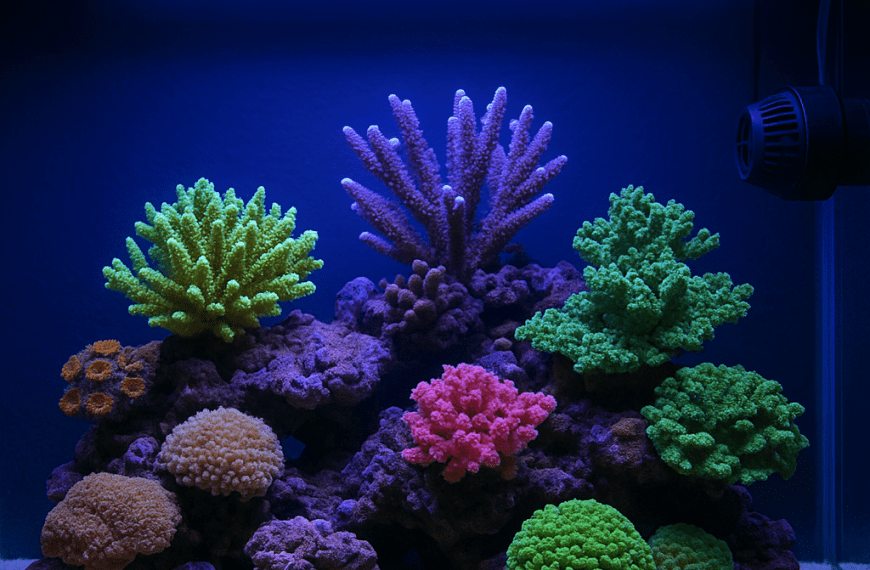
Reef Safe Fish for Beginners
Discover the best reef safe fish for beginners, plus tank size, feeding, and compatibility tips for a peaceful…
 By
By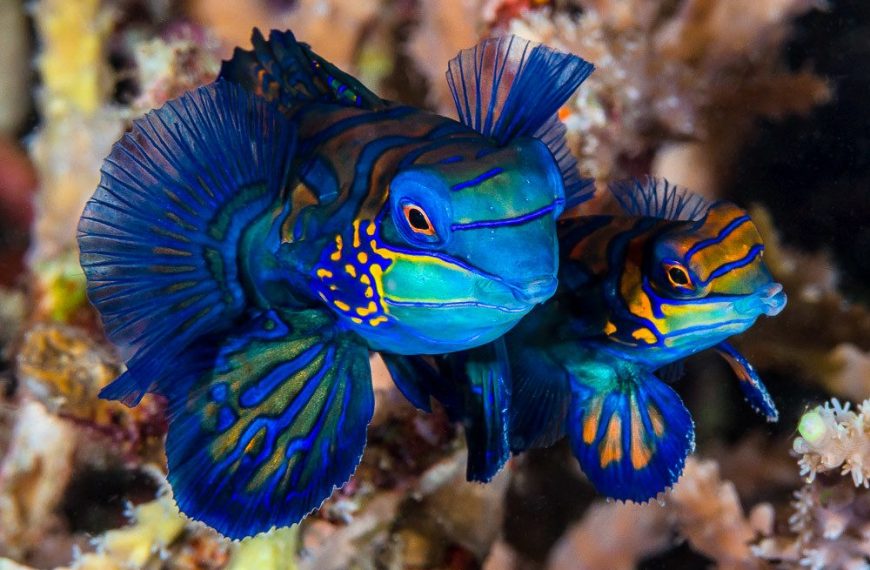
Dragonets Fish Care
Dragonets are beautiful reef fish, but they need mature tanks and steady food sources. Learn how to keep…