


Regular health assessments help reef keepers catch problems early. They reveal stress, disease, and water quality issues before livestock declines. A simple weekly routine protects fish, corals, and invertebrates. It also makes your reef more stable over time.
Many reef tank problems start small. A fish may breathe faster. A coral may stay closed longer. Algae may spread in one corner. These signs often appear before a major crash. That is why regular health assessments matter so much. They turn reef keeping from reactive to proactive. In this guide, you will learn what to check, how often to check it, and how to connect what you see with likely causes. You will also learn how to document changes, troubleshoot warning signs, and build a simple inspection routine that fits beginner and intermediate reef tanks.
Quick Reference Table
| Assessment Area | What to Check | How Often | Warning Signs |
|---|---|---|---|
| Fish behavior | Breathing, appetite, swimming, flashing | Daily | Hiding, rapid breathing, spots, refusal to eat |
| Coral condition | Polyp extension, tissue, color, growth | Daily to weekly | Bleaching, recession, closed polyps, brown jelly |
| Invertebrates | Movement, molting, feeding response | Daily to weekly | Lethargy, failed molts, missing limbs |
| Water parameters | Salinity, temperature, alkalinity, calcium, nitrate, phosphate | Weekly | Instability, sudden swings, nutrient spikes |
| Equipment | Heaters, pumps, skimmer, ATO, lights | Weekly | Low flow, overheating, salt creep, noise |
| Tank appearance | Algae, detritus, cloudy water, odors | Weekly | Cyanobacteria, dinoflagellates, film buildup |
This table gives you a fast overview. Use it as a checklist during weekly maintenance. Small changes often point to larger issues. The goal is not perfection. The goal is consistency and early detection.
Why Regular Health Assessments Matter
Reef aquariums are complex systems. Fish, corals, bacteria, and equipment all interact. When one part drifts, the whole tank can respond. A heater failure can stress fish. Low alkalinity can slow coral growth. Poor flow can trap detritus and fuel nuisance algae. Health assessments help you spot these links early.
Many hobbyists only react when something looks bad. By then, the problem may be advanced. A regular check changes that pattern. You begin to notice what is normal for your tank. Then unusual behavior stands out quickly. This is especially important in mixed reefs. Soft corals, LPS, SPS, fish, and shrimp all show stress differently. A routine also helps you avoid guessing. Instead of chasing random fixes, you can compare symptoms, test results, and recent changes. That leads to better decisions and fewer losses.
What to Observe During a Health Assessment
Start with fish. Watch them before feeding. Healthy fish swim normally and respond to movement. They breathe steadily and hold their fins open. Look for clamped fins, flashing, scratching, head twitching, and heavy breathing. Check the eyes, skin, and fins for spots, fraying, haze, or excess mucus. Then feed the tank. Appetite is one of the best health indicators.
Next, inspect corals. Look at tissue fullness, color, and polyp extension. Compare each colony to its usual appearance. Some corals naturally retract during parts of the day. What matters is a change from normal. Watch for bleaching, tissue recession, brown jelly, exposed skeleton, and sudden slime production. Check invertebrates too. Snails should move and graze. Shrimp should react to food. Starfish should not melt or lose grip. Finally, scan the tank itself. Note algae growth, detritus pockets, cloudy water, salt creep, and unusual odors. These clues often support what livestock is already showing.
Water Testing as Part of Health Monitoring
Visual checks are powerful, but they are not enough alone. Water testing confirms what your eyes suspect. Temperature and salinity should be checked often. These two parameters can shift quickly and stress every animal in the tank. In reef systems, alkalinity deserves special attention. It affects coral growth, pH stability, and overall resilience. Calcium and magnesium matter too, especially in tanks with stony corals.
Nutrients are just as important. Nitrate and phosphate should not be ignored. Levels that are too high can fuel algae and irritate corals. Levels that are too low can starve corals and destabilize the system. Ammonia and nitrite should stay at zero in established tanks. If they appear, something is wrong. Keep a simple log of results. Trends matter more than one isolated number. A steady alkalinity drop may explain poor polyp extension. A phosphate rise may explain dull coral color and film algae. Testing turns vague concern into useful data.
Step-by-Step Weekly Health Assessment Routine
Use the same order each week. That keeps the process fast and repeatable. Start by observing the tank before lights peak. Watch fish behavior for five minutes. Note breathing, swimming, social behavior, and feeding response. Then inspect corals from left to right. Check favorite colonies first, but do not skip the back corners. Trouble often starts where flow is weak.
- Check temperature and salinity first.
- Observe fish before and during feeding.
- Inspect coral tissue, color, and polyp extension.
- Look over shrimp, snails, crabs, and other invertebrates.
- Test alkalinity, nitrate, phosphate, and other key parameters.
- Inspect pumps, heater, skimmer, ATO, and lighting schedule.
- Look for algae, detritus buildup, and dead flow zones.
- Record changes in a notebook or app.
- Make one correction at a time if needed.
This routine usually takes 15 to 25 minutes. That small effort can prevent major losses. It also helps you separate urgent issues from minor cosmetic ones.
How to Assess Fish Health
Fish often show stress before corals do. That makes them valuable indicators. Healthy fish should breathe with smooth gill movement. They should hold position in the water without struggle. Most species should show interest in food right away. If a fish hangs near the surface, gas exchange may be poor. If it hides all day, it may be bullied or sick. If it flashes on rocks, parasites may be present.
Body condition matters too. Sunken bellies suggest underfeeding, internal parasites, or social stress. Frayed fins may point to aggression or bacterial infection. White dots may indicate marine ich, but not every spot is ich. Fine dusting can suggest velvet. Thick mucus may suggest brooklynella in clownfish. Never diagnose from one sign alone. Combine appearance, behavior, and timing. Quarantine remains the best prevention tool. If you want to improve observation skills, review your reef fish quarantine guide and compare symptoms carefully.
How to Assess Coral Health
Corals respond to changes in light, flow, nutrients, and chemistry. A healthy coral usually shows stable color and predictable extension. LPS corals should inflate well. SPS corals should keep tissue tight over the skeleton. Soft corals should open fully and sway with flow. Learn the normal pattern for each coral in your tank. That baseline is essential.
Watch for recession at the base, pale tissue, or sudden browning. Bleaching often points to excess light, heat, or severe stress. Browning can suggest low light or elevated nutrients. Tissue peeling can follow alkalinity swings or bacterial stress. A coral that stays closed for days may dislike nearby flow, aggression, or unstable chemistry. Check neighboring corals for sweeper tentacles or chemical warfare. Running carbon can help in mixed reefs. For placement help, see our reef tank lighting guide and reef aquarium water flow basics to match conditions with each coral type.
Equipment Checks and Environmental Clues
Livestock health depends on reliable equipment. A weak return pump can reduce oxygen and circulation. A dirty powerhead can create dead spots. A failing heater can swing temperature overnight. During each assessment, inspect every key device. Listen for new noises. Check for salt creep, loose tubing, and clogged intakes. Verify that your auto top off is working correctly. Salinity drift often starts there.
Look at the tank environment too. Detritus behind rocks suggests poor flow. A dusty sand bed can feed cyanobacteria. Condensation inside light fixtures can shorten bulb life or damage electronics. If your skimmer suddenly stops producing, ask why. It may need cleaning. It may also reflect a change in organics. Equipment clues often explain livestock behavior. If you are seeing chronic algae, compare your findings with our how to lower nitrates in a reef tank article and your maintenance schedule.
Common Problems
Fish Breathing Fast
Rapid breathing can signal low oxygen, ammonia, parasites, or heat stress. Check temperature first. Then inspect surface agitation and skimmer performance. Test ammonia even in established tanks. If only one fish is affected, consider gill parasites or aggression. If several fish are affected, suspect water quality or oxygen.
Corals Staying Closed
Closed corals often point to unstable alkalinity, poor placement, pests, or recent changes. Review your last week. Did you change light intensity, flow direction, carbon use, or dosing amounts? Check for nudibranchs, flatworms, and vermetid snails. Test alkalinity and salinity before moving the coral.
Sudden Algae Growth
Algae blooms usually follow excess nutrients, weak export, or aging maintenance habits. Test nitrate and phosphate. Inspect feeding amounts and filter socks. Clean pumps and remove trapped detritus. Also check source water quality. A failing RO/DI unit can fuel persistent algae.
Cloudy Water
Cloudy water may come from bacterial blooms, sand disturbance, precipitation events, or overfeeding. Check whether the cloudiness is white, green, or dusty. White haze often suggests bacteria. Green water points to suspended algae. Dusty clouds may come from flow changes or burrowing animals.
Keeping Records for Better Long-Term Results
A reef journal helps more than most hobbyists expect. Write down test results, livestock behavior, equipment changes, and maintenance dates. Add photos from the same angle each week. Corals often change slowly. Photos reveal trends you might miss in daily viewing. This is especially useful for SPS color, tissue recession, and encrusting growth.
Record any changes you make after a problem appears. If you adjust flow, note the date. If you increase alkalinity dosing, note the amount. This prevents random corrections and helps you learn cause and effect. Over time, your log becomes a map of your reef’s normal rhythm. You will know how your tank reacts to feeding changes, seasonal temperature shifts, and new livestock additions. That knowledge is hard to replace.
Frequently Asked Questions
How often should I do a reef tank health assessment?
Do a quick visual check daily. Perform a full assessment weekly. Test key parameters more often in new tanks or SPS-heavy systems.
What is the first sign that something is wrong in a reef tank?
Behavior changes are often first. Fish may hide or breathe faster. Corals may stay closed or lose extension before visible damage appears.
Should I test water before or after maintenance?
Test before maintenance when troubleshooting. That shows the tank’s true condition. You can retest after changes if you need to confirm improvement.
Can stable parameters matter more than perfect numbers?
Yes. Stability is critical in reef tanks. Corals often tolerate slightly imperfect numbers better than frequent swings.
What should beginners focus on most?
Focus on temperature, salinity, feeding response, coral extension, and basic nutrient testing. Those checks catch many common problems early.
Regular health assessments are one of the best habits in reef keeping. They save money, reduce livestock losses, and build confidence. More importantly, they teach you how your reef behaves when it is healthy. Once you know that baseline, problems become easier to spot and easier to solve.
Was this helpful?
Related Posts
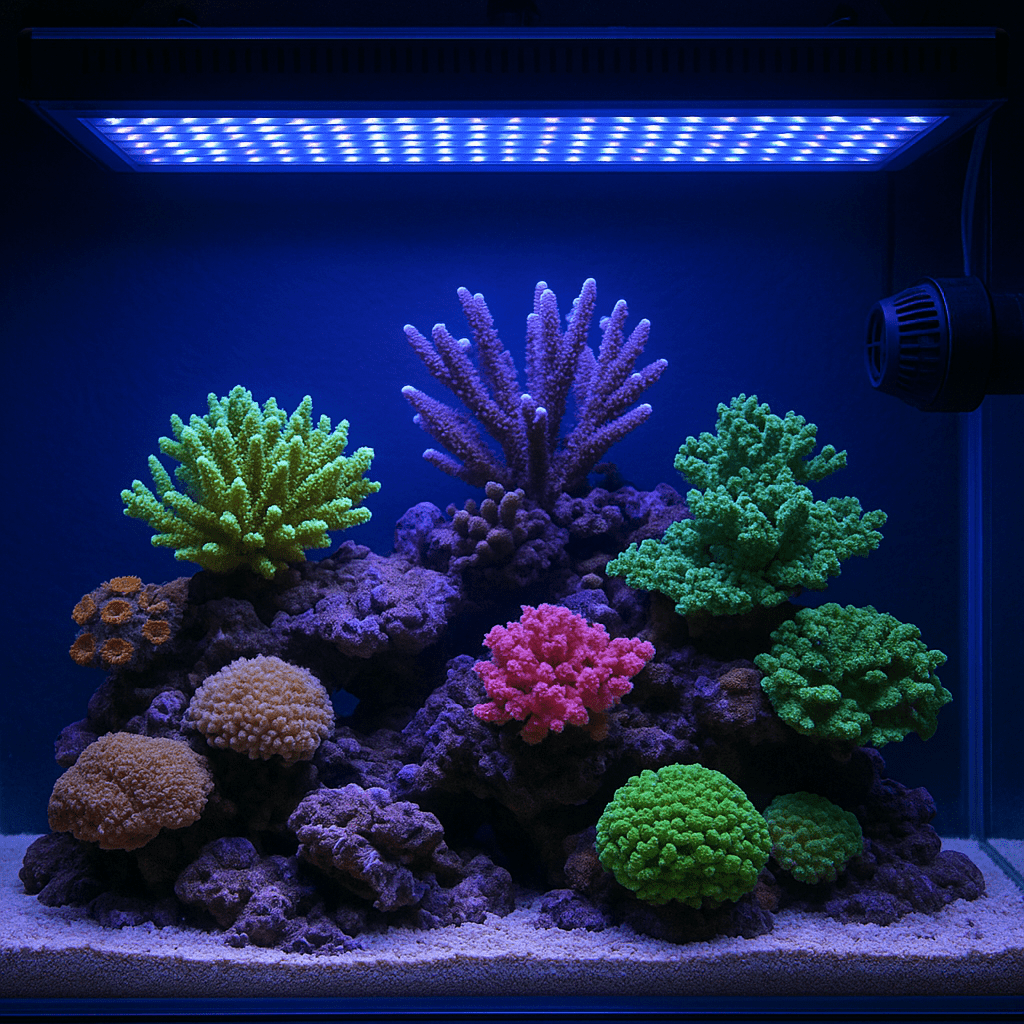
Powerhead Placement for Reef Tanks
Dial in reef tank flow with smart powerhead placement. Learn proven layouts, targets, and troubleshooting for cleaner sand…
 By
By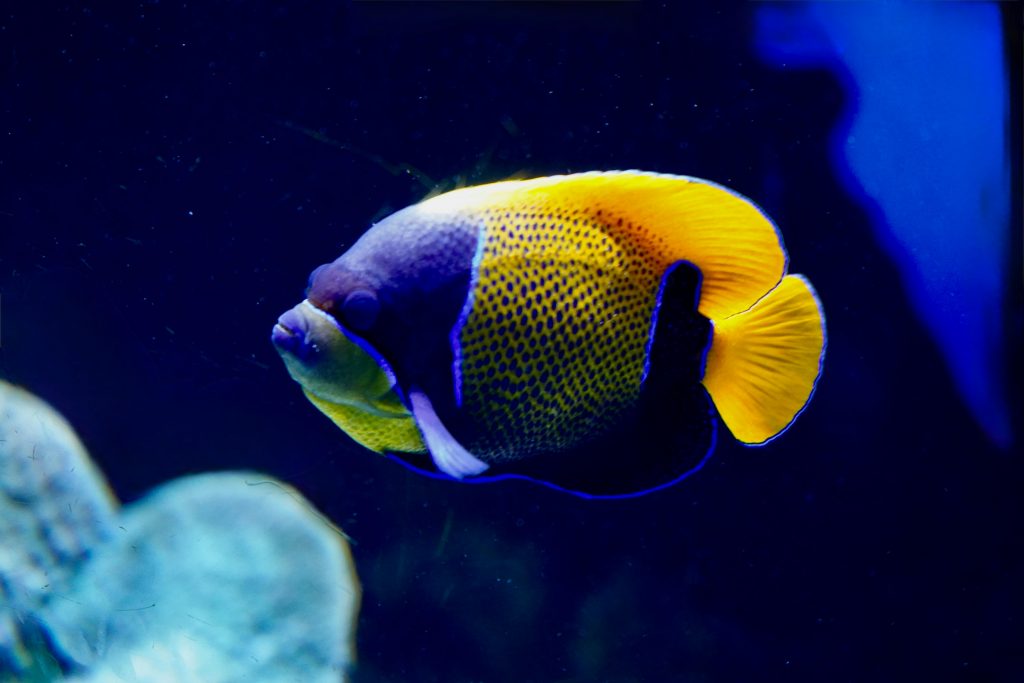
Majestic Blue Girdled Angelfish (Pomacanthus Navarchus)
Majestic Angelfish care requires a large stable tank, varied sponge-based foods, and caution in reefs due to coral…
[favorite_button]
My Bookmarks:
To see full list click here
[user_favorites user_id="" include_links="true" site_id="" post_types="" include_thumbnails="true" thumbnail_size="thumbnail" include_excerpt="false"]