
Fish Selection: Choosing the Right Saltwater Fish for Your Tank
Selecting fish is one of the most exciting parts of starting or expanding a saltwater aquarium, but it’s also where many hobbyists run into trouble. Smart fish selection protects your livestock, your budget, and your long-term enjoyment of the hobby. In this guide, we’ll walk through how to choose fish that fit your tank, your experience level, and your reef plans.
Start with Your Tank, Not the Fish
Before you fall in love with a specific species, match your choices to your system. A beautiful fish that outgrows your tank or bullies its tankmates will turn into a headache fast.
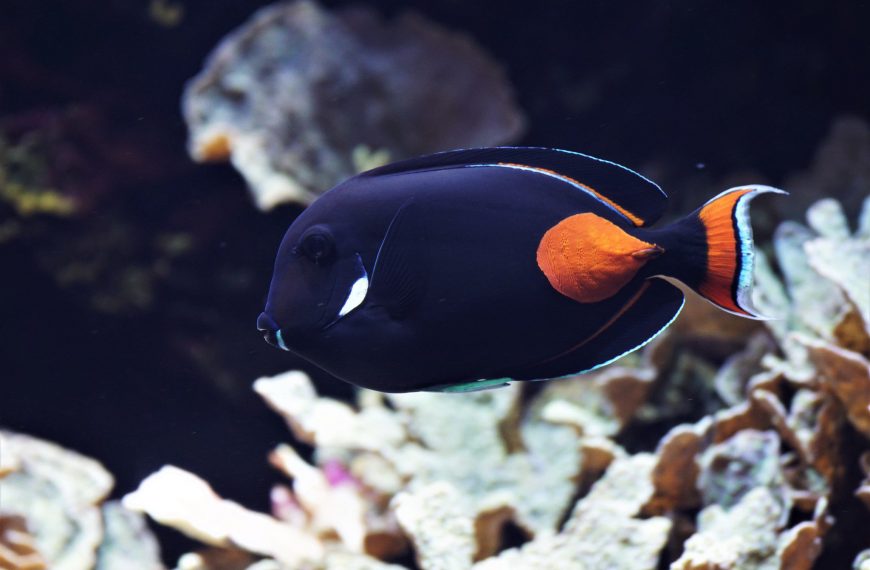
- Tank size & footprint: Active swimmers like tangs and wrasses need long tanks with plenty of horizontal space. A 75–90 gallon tank is usually the minimum for most tangs.
- Filtration & bioload: Heavier eaters (e.g., anthias, large angels) produce more waste. Make sure your filtration and maintenance schedule can keep up.
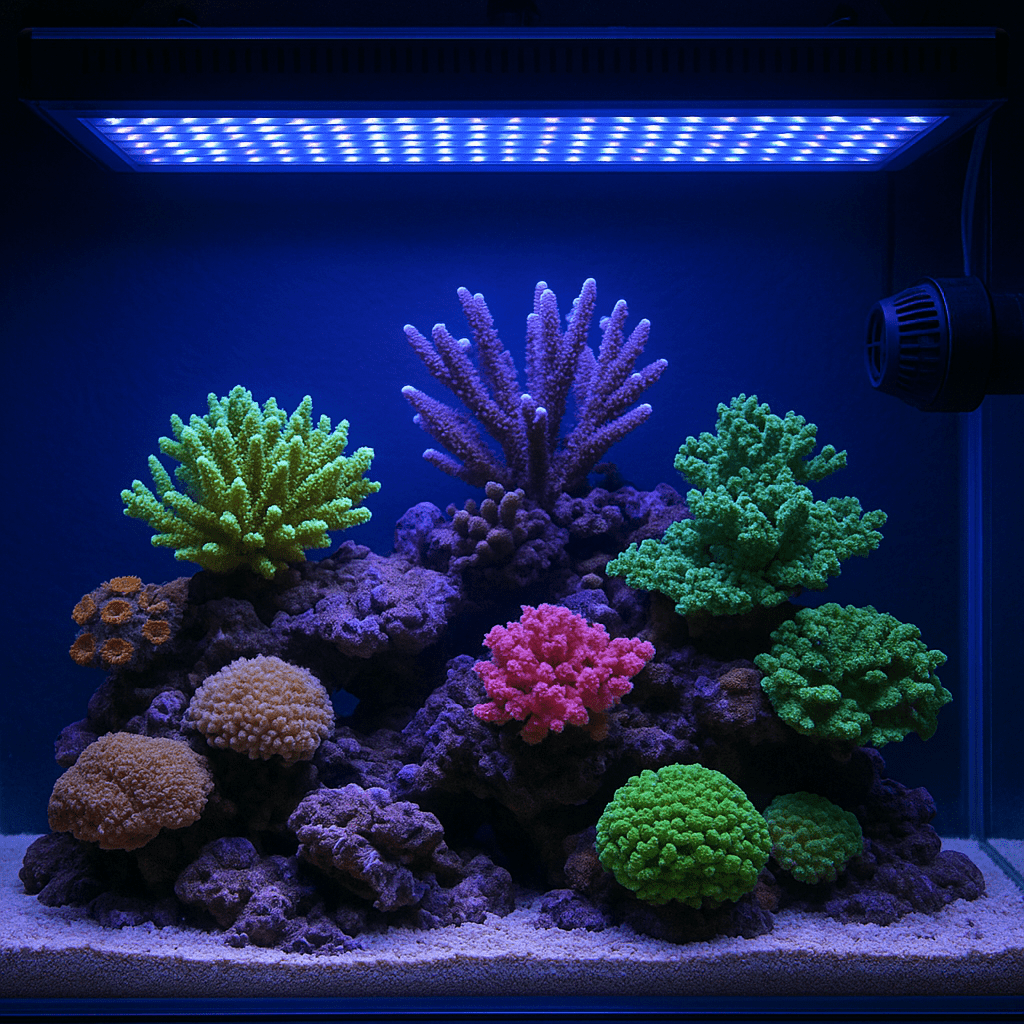
- Reef vs. FOWLR: If you plan a reef, avoid known coral nippers such as many butterflyfish and some dwarf angels. For more on planning your first system, see our Setting Up Your First Saltwater Tank guide.
Consider your own experience level too. Hardy, peaceful fish like clownfish, gobies, and many blennies are much more forgiving for newer hobbyists than delicate or aggressive species.
Compatibility, Temperament, and Stocking Order
Fish selection is not just about individual species; it’s about how they interact as a community. Planning compatibility and stocking order up front prevents many common problems.
Temperament & Territory
- Peaceful: Clownfish (many varieties), firefish, gobies, and chromis are generally good community fish.
- Semi-aggressive: Many wrasses, dwarf angels, and some dottybacks can be pushy, especially in smaller tanks.
- Aggressive: Large triggers, some damsels, and certain dottybacks may harass or kill timid tankmates.
Whenever possible, add more peaceful and shy fish first, then semi-aggressive, and finally the bold or territorial species. This helps reduce bullying and lets timid fish claim hiding spots.
Diet and Activity Level
Mixing fish with different feeding habits makes for a more natural and stable system:
- Herbivores & omnivores: Tangs and blennies help graze algae but still need quality seaweed and varied foods.
- Carnivores: Wrasses and many anthias enjoy small meaty foods like mysis and enriched brine shrimp.
- Specialized feeders: Dragonets and some butterflyfish can be difficult; avoid them until you have a mature tank and more experience.
For a deeper dive into feeding and daily care, check out our Saltwater Fish Care Basics article.
Practical Tips for Smart Fish Selection
- Research each species: Look up adult size, temperament, reef-safety, and diet before buying.
- Quarantine new arrivals: A simple quarantine tank helps keep parasites and disease out of your display.
- Avoid impulse buys: If you haven’t researched it, don’t buy it—no matter how pretty it looks at the store.
- Plan a long-term stocking list: Write out your ideal fish list and add them slowly over months, not days. Our Beginner Saltwater Fish List can help you build a safe lineup.
Tip: When in doubt, understock. A lightly stocked tank is easier to maintain, more stable, and usually healthier for your fish.
Thoughtful fish selection turns your saltwater aquarium into a stable, thriving community instead of a revolving door of stressed or incompatible fish. By matching species to your tank size, experience level, and long-term goals, you’ll enjoy more natural behavior, fewer conflicts, and a healthier reef or FOWLR system for years to come.
Sources
- Michael, S. (2001). Marine Fishes: 500+ Essential-to-Know Aquarium Species. Microcosm.
- Fenner, R. (2001). The Conscientious Marine Aquarist. TFH Publications.
- Sprung, J., & Delbeek, J. C. (1994–2005). The Reef Aquarium Vol. 1–3. Ricordea Publishing.
Was this helpful?
Related Posts
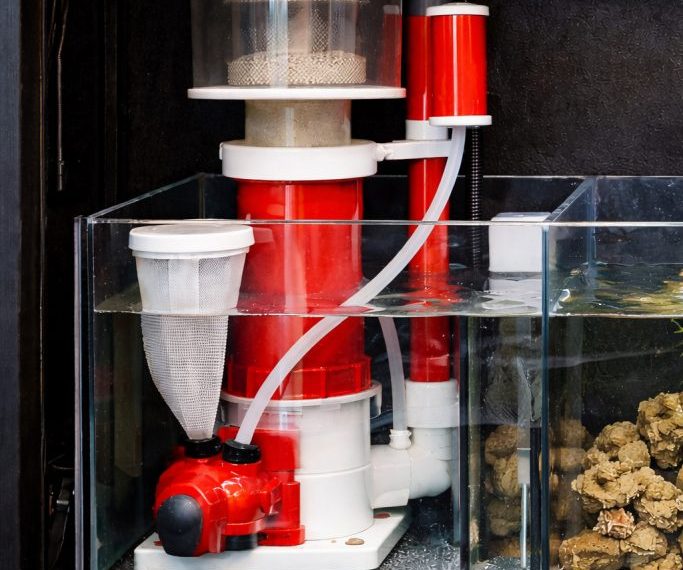
Protein Skimmer Reef Tank Guide
Learn how a protein skimmer works, how to size one, and how to tune it for a cleaner,…
 By
By
Reef Aquarium Water Parameters
Learn the ideal reef aquarium water parameters, safe ranges, and how to keep salinity, alkalinity, nutrients, and pH…