
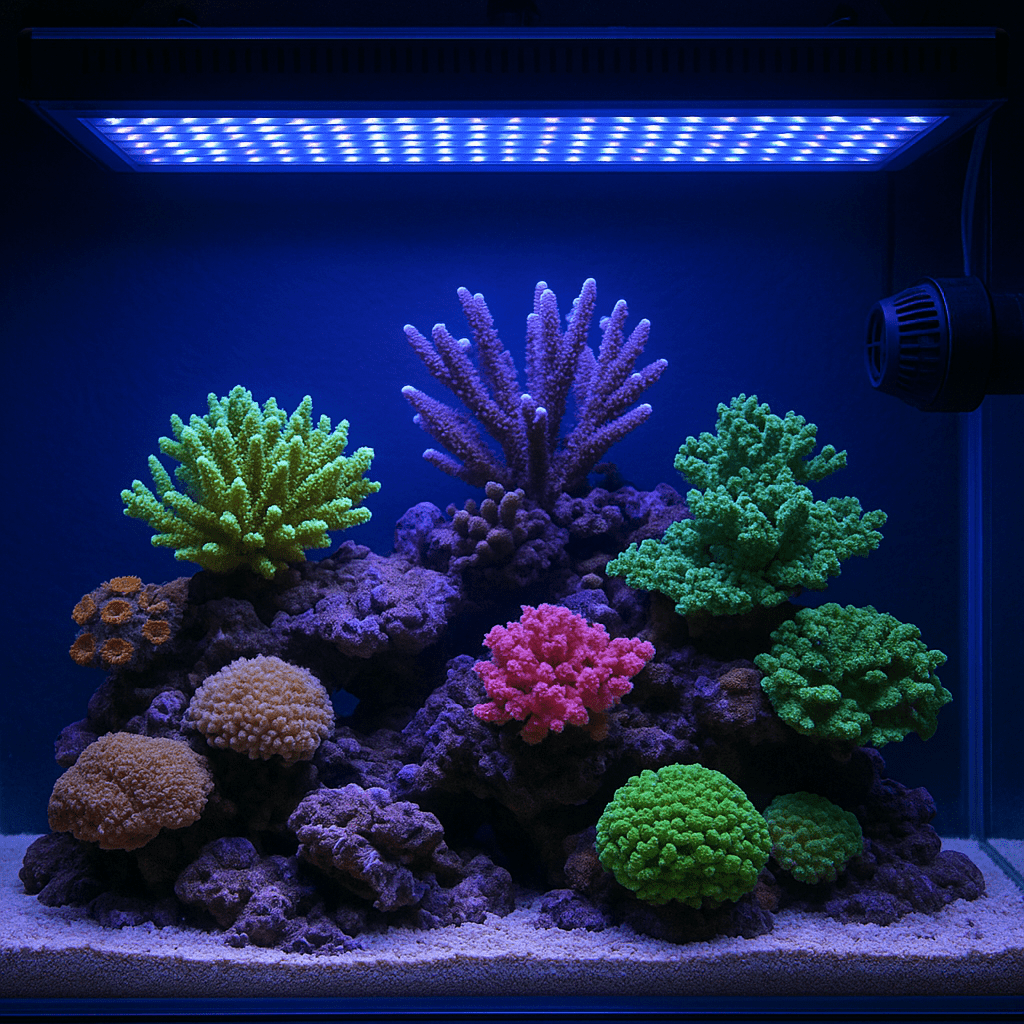
Choosing the right reef fish matters more than most beginners expect. Good fish selection prevents aggression, lowers stress, and helps your reef mature smoothly. Start with hardy, peaceful species. Match each fish to your tank size, aquascape, and long-term goals.
Many reef problems begin with poor stocking choices. A fish may look small at the store, yet outgrow the tank within a year. Another may seem calm, then bully every new arrival. This guide explains how to choose reef-safe fish with confidence. You will learn how to match species to tank size, avoid common compatibility mistakes, and build a stocking plan that works for beginners and intermediate hobbyists alike.
Quick Reference Table
| Fish Type | Best For | Minimum Tank | Temperament | Reef Safe |
|---|---|---|---|---|
| Clownfish | Beginners | 20 gallons | Peaceful to semi-aggressive | Yes |
| Goby | Small tanks | 10 to 20 gallons | Peaceful | Yes |
| Blenny | Algae control | 20 to 30 gallons | Peaceful to territorial | Usually |
| Wrasse | Pest control | 30 to 75 gallons | Active, varies by species | Usually |
| Tang | Larger reefs | 75 gallons or more | Semi-aggressive | Yes |
| Dwarf Angelfish | Colorful display tanks | 55 gallons | Semi-aggressive | Sometimes risky |
| Dottyback | Experienced keepers | 30 gallons | Aggressive | Usually |
Use this table as a starting point only. Individual species still vary. Always research the exact fish before buying.
Why Fish Selection Matters in a Reef Tank
Reef fish do more than add color. They shape the behavior of the whole aquarium. Peaceful fish encourage natural activity. Aggressive fish can hide or injure tankmates. Overactive fish may stress shy species. Some fish also affect coral health and clean-up crew survival.
Good fish selection also protects water quality. Every fish adds waste. More waste means more nitrate and phosphate. That may be manageable in a large tank. It becomes a problem fast in a small reef. Stocking lightly gives you more room for error. It also makes feeding easier and disease control simpler.
Think long term from the start. Ask how large the fish will get. Ask what it eats. Ask whether it will chase others. Ask whether it may nip corals, shrimp, or snails. The best reef fish are not always the brightest or rarest. They are the fish that thrive in your setup for years.
How to Choose Fish for Your Tank Size
Tank size should guide every stocking decision. Small tanks limit swimming room and territory. They also swing faster in temperature and chemistry. That means fish in nano reefs need to stay small and remain calm. Gobies, clownfish, and small blennies often work well here.
Medium tanks offer more options. You can keep pairs, small groups, and a wider mix of personalities. This is often the sweet spot for beginner reef keepers. A 40 to 75 gallon tank can support clowns, gobies, blennies, firefish, basslets, and some wrasses. The exact list depends on rockwork and filtration.
Large tanks allow active swimmers like tangs and larger wrasses. They also spread aggression better. Still, bigger tanks are not a free pass. A crowded 120-gallon reef can become unstable quickly. Choose fish based on adult size, not store size. If a fish needs open water, do not force it into a rock-heavy cube tank.
Best Beginner Reef Fish
Beginners should focus on hardy, peaceful species that accept prepared foods. Clownfish remain one of the best choices. They are durable, easy to feed, and widely available. Ocellaris and percula clownfish are better beginner picks than more aggressive maroon clowns.
Gobies are another strong option. Watchman gobies, clown gobies, and neon gobies fit many reef tanks. They stay small and add interesting behavior. Firefish are also popular. They are peaceful and attractive, but they jump easily. A tight lid is essential.
Tailspot blennies and lawnmower blennies can be useful too. They bring personality and may graze nuisance algae. Royal grammas are colorful and usually manageable in community reefs. If you want a wrasse, start with a smaller, reef-safe species. Many hobbyists do well with possum wrasses or pink-streaked wrasses.
For more setup help, see reef tank setup, reef tank parameters, and best clean up crew for reef tank.
Fish to Approach with Caution
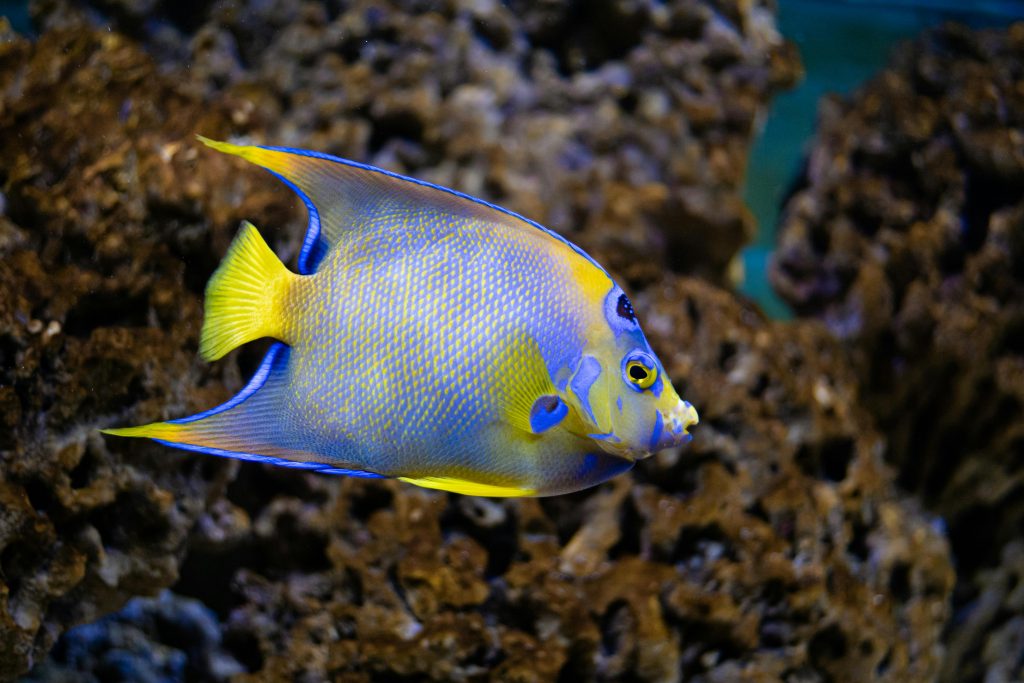
Some fish are common in stores but risky in reefs. Dwarf angelfish often tempt hobbyists with bright color. Many are reef safe enough in some tanks. Others nip LPS, zoanthids, or clam mantles. This behavior may start months later. That makes them a gamble in coral-focused systems.
Dottybacks and damsels can also cause trouble. They are hardy and attractive, but many become territorial. In smaller tanks, they may dominate the whole aquascape. This can make future stocking difficult. Six-line wrasses are another mixed case. They help with pests, yet often bully peaceful fish over time.
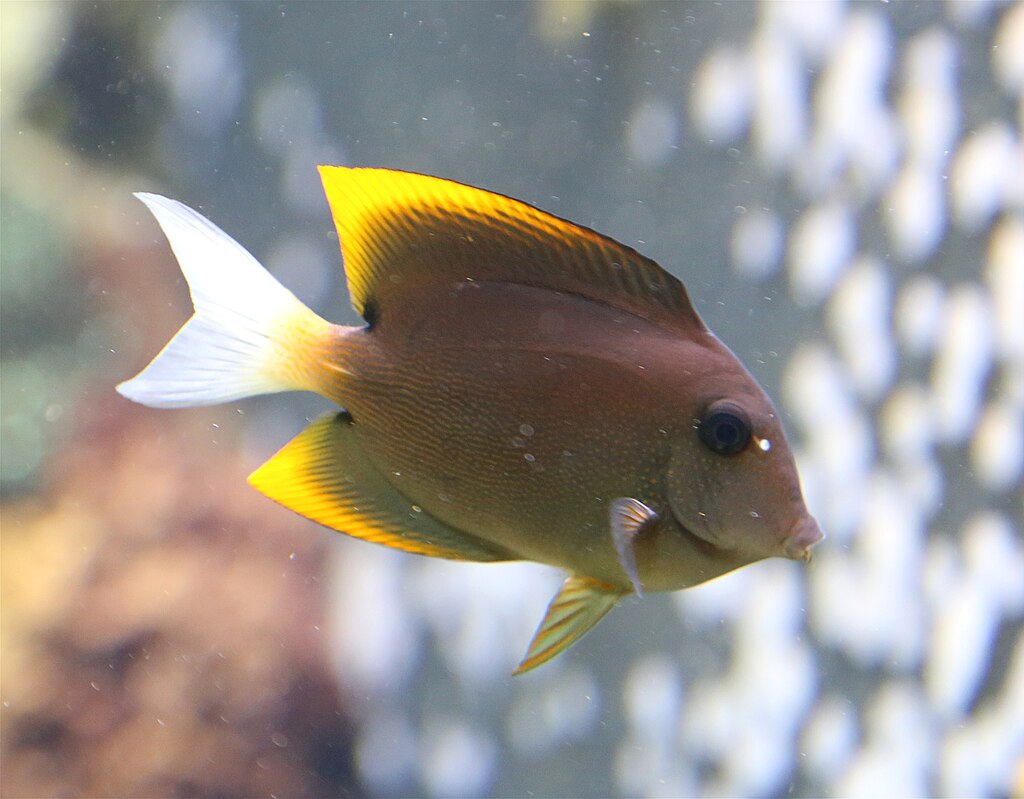
Mandarins deserve special mention. They are beautiful and peaceful. They also need a steady supply of pods unless trained to prepared foods. Many starve in immature tanks. Tangs are another common mistake. They need room, oxygen, and stable grazing opportunities. Never buy a tang for a tank that it will outgrow soon.
Compatibility in a Reef Aquarium
Compatibility is about more than aggression. It also includes feeding style, activity level, and habitat use. A peaceful sand-sifting goby may ignore a clownfish. That same goby may compete with another bottom-dweller for territory. Two fish can be reef safe and still be poor tankmates.
Try to mix fish that use different zones of the tank. Clownfish often stay near a host area. Gobies use the sand and rock base. Wrasses cruise the water column. This reduces direct competition. Add the most peaceful fish first. Add more territorial fish later. This order often lowers fighting.
Also consider invertebrates. Some wrasses eat small shrimp. Hawkfish may hunt ornamental crustaceans. Puffers and triggers are usually poor reef choices for this reason. If you keep corals, verify that the fish is coral safe. If you keep shrimp, verify that the fish is invert safe too. For coral planning, read easy soft corals for beginners.
Step-by-Step Fish Selection Plan
Use a simple process before every purchase. First, define your tank limits. Write down display size, rock layout, lid type, and filtration strength. Second, list your must-have fish. Keep the list short. Third, check each fish for adult size, diet, aggression, and reef safety.
Fourth, build a stocking order. Start with peaceful fish. Add shy fish before bold species. Save territorial fish for the end. Fifth, estimate your bioload honestly. A lightly stocked reef is easier to maintain than a full one. Sixth, quarantine every fish if possible. This protects the display from parasites and bacterial issues.
Finally, buy slowly. Add one fish, then observe for several weeks. Watch feeding response, waste production, and social behavior. This gives your biofilter time to adjust. It also helps you catch problems early. If a fish seems questionable in the store, walk away. There will always be another fish.
Feeding and Behavior Considerations
Feeding style affects compatibility and health. Some fish are eager eaters. Others are shy and slow. Fast fish can outcompete timid species at every meal. This often happens with wrasses, anthias, and some tangs. Plan feeding around the weakest eater in the tank.
Herbivores need regular algae-based foods. Carnivores need protein-rich frozen foods. Planktivores often need smaller, more frequent feedings. If your schedule is busy, avoid species with demanding feeding needs. A fish that needs several daily meals may not suit your routine.
Behavior matters just as much. Jumping species need a secure lid. Burrowing species need suitable sand. Grazers need mature rock surfaces. Schooling fish often need groups and larger swimming space. Match the fish to the tank, not the other way around. This one habit prevents many long-term failures.
Common Problems
Why is my new fish hiding all the time?
Hiding is common during the first days. Stress from shipping is the usual cause. Harassment from established fish is another. Check for chasing at feeding time. Dim the lights and provide more cover. Test ammonia if the tank is new. Poor water quality can also cause withdrawn behavior.
Why are my fish fighting?
Territory is the main reason. Similar body shape can trigger conflict too. This is common with tangs, blennies, and some wrasses. Rearranging rockwork may help. An acclimation box often reduces direct aggression. In severe cases, one fish must be removed. Do not assume they will always work it out.
Why did my reef-safe fish nip corals?
Reef safe usually means lower risk, not zero risk. Hunger can increase nipping. So can boredom in sparse tanks. Dwarf angels and some butterflies are known offenders. Feed a varied diet and observe patterns. If the fish keeps targeting corals, removal is often the only real fix.
Why did my fish die after adding it?
Common causes include shipping stress, disease, ammonia, and poor acclimation. Hidden aggression is also common. Quarantine reduces many losses. Stable salinity and temperature matter most. Avoid adding delicate fish to immature tanks. Research before buying saves both money and livestock.
Frequently Asked Questions
What is the best first fish for a reef tank?
Ocellaris clownfish are one of the best first choices. They are hardy, available, and easy to feed. Many gobies also make excellent first fish.
How many fish can I keep in a reef tank?
There is no perfect number. It depends on fish size, filtration, aquascape, and feeding. Stock lightly at first. Add fish slowly and monitor nutrients.
Are all clownfish reef safe?
Yes, clownfish are considered reef safe with corals. Some larger species can become territorial. They may bully peaceful fish in smaller tanks.
Can I mix tangs in one tank?
You can in larger systems, but it is not simple. Tank size, species choice, and introduction order all matter. Similar tangs often fight.
Should I quarantine every fish?
Yes, if you can. Quarantine helps prevent ich, velvet, and bacterial outbreaks. It also gives new fish time to recover and start eating well.
Final Thoughts on Fish Selection
Smart fish selection builds the foundation of a stable reef. Choose species that fit your tank today and later. Favor peaceful, hardy fish first. Research every fish as an adult, not as a store juvenile. If you stay patient and stock slowly, your reef will be easier to manage and far more enjoyable to watch.
Was this helpful?
Related Posts
Half Black Angelfish (Centropyge Vrolikii)
Half Black Angelfish care is straightforward in mature tanks, but reef safety is never guaranteed. Learn feeding, tank…
 By
By
Kenya Tree Corals
Kenya Tree corals are hardy soft corals with easy care, moderate light needs, and fast growth. Learn placement,…
[favorite_button]
My Bookmarks:
To see full list click here
[user_favorites user_id="" include_links="true" site_id="" post_types="" include_thumbnails="true" thumbnail_size="thumbnail" include_excerpt="false"]