

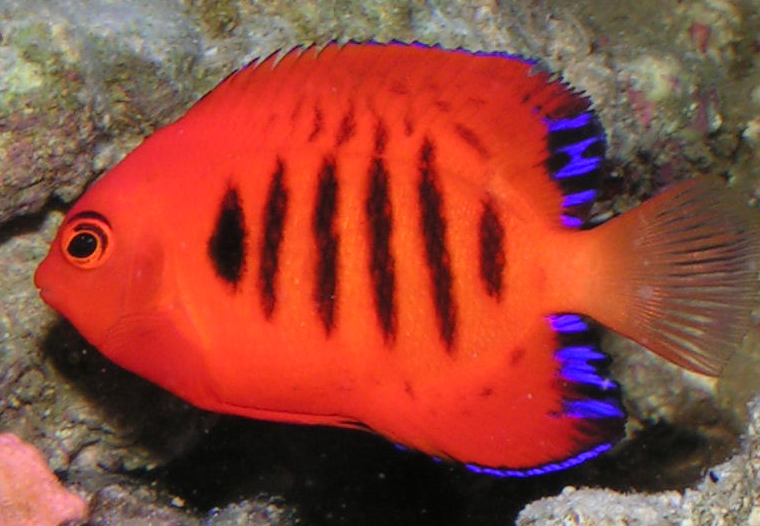
Flame angelfish are among the most striking dwarf angels in reef keeping. Their bright red-orange body and black bars make them instant centerpieces. They can thrive in home aquariums, but they are not always fully reef safe. Success depends on tank size, mature rockwork, steady feeding, and careful coral selection.
This guide covers the real-world care of Centropyge loricula. You will learn about tank size, diet, compatibility, reef safety, and common problems. I will also explain why some specimens behave perfectly in reefs while others nip corals. If you want a healthy flame angel that settles in and shows bold color, this article will help you plan correctly.
Quick Care Facts
| Common name | Flame Angelfish |
| Scientific name | Centropyge loricula |
| Family | Pomacanthidae |
| Care level | Moderate |
| Temperament | Semi-aggressive |
| Adult size | About 4 inches |
| Minimum tank size | 70 gallons |
| Diet | Omnivore with heavy grazing needs |
| Reef safe | With caution |
| Temperature | 75–79°F |
| Salinity | 1.025–1.026 |
| pH | 8.1–8.4 |
| Alkalinity | 8–9 dKH |
| Water flow | Moderate to strong |
These values are practical targets, not random numbers. Flame angels do best in stable systems with mature live rock. They spend much of the day picking at surfaces. A sterile tank often leads to stress and poor feeding.
Natural Habitat
Flame angelfish come from the tropical Pacific. They are found around reefs in places like Hawaii, the Marshall Islands, and Christmas Island. In nature, they live among rocky reef slopes, coral rubble, and crevices. They usually stay close to structure and dart into cover when threatened.
Wild flame angels graze all day. They pick at algae, detritus, small invertebrates, and sponge material. That constant grazing behavior matters in captivity. It explains why they need mature rockwork and frequent feeding. It also explains why some individuals sample coral tissue or clam mantles in reef tanks.
They are often seen alone, in pairs, or in small groups with a social hierarchy. In the aquarium, that translates into territorial behavior, especially in smaller tanks. Their natural environment is busy, complex, and full of hiding spots. A bare setup does not match their instincts.
Aquarium Setup
A 70-gallon tank is the minimum I recommend for a flame angelfish. Larger is better. A 90-gallon reef gives them more room to graze and fewer territorial issues. Small tanks can work short term, but aggression and coral nipping often increase in cramped systems.
Build the aquascape with caves, swim-throughs, and broken lines of sight. Flame angels like to weave through rockwork. They want secure sleeping spots and quick escape routes. Use plenty of live rock or mature reef rock with natural film growth. That extra grazing surface helps them settle faster.
Keep the tank mature before adding one. New tanks rarely offer enough natural forage. Stable salinity and temperature matter more than chasing perfect numbers. Avoid sudden changes in alkalinity and pH. Like many angelfish, they can stop eating after stress. A calm, established environment improves survival.
If you are still building your system, these guides may help: reef tank setup guide, live rock for reef tanks, and reef aquarium water parameters.
Lighting Requirements
Flame angelfish do not need special lighting for their own health. They adapt well to typical reef lighting. What matters most is the overall tank environment. Strong lighting can support algae and biofilm growth on rock, which gives them more natural grazing opportunities.
In mixed reefs, match lighting to your corals first. The fish will usually adapt. Still, provide shaded areas under ledges and caves. Flame angels often move between bright open areas and darker cover. That pattern reduces stress and makes them feel secure.
If a new specimen hides under intense lights, do not panic. This is common during acclimation. Use a dimmer schedule if possible for the first day. Offer shelter and avoid sudden activity around the tank. Once settled, healthy flame angels are usually bold and visible.
Water Flow
Moderate to strong flow works best. In the wild, these fish live around surge zones and active reef structure. They are agile swimmers and handle moving water well. Good flow also keeps rock surfaces cleaner and improves oxygen levels.
Avoid creating one harsh jet that blasts their favorite hiding spots. Instead, aim for varied, turbulent flow. This gives the fish calm pockets and active lanes. It also benefits most reef tanks by reducing dead zones and detritus buildup.
If your flame angel spends all day pinned behind rocks, review your flow pattern. Stress, bullying, or poor acclimation may be the issue. A confident fish should cruise the rockwork and graze throughout the day.
Feeding
Feeding is where many hobbyists win or lose with flame angels. They are omnivores, but they need constant variety. Offer food at least two times daily. Three smaller feedings are even better. A hungry dwarf angel is more likely to nip corals.
Good foods include spirulina brine, mysis shrimp, high-quality marine pellets, angelfish formulas with sponge, and frozen blends with algae. Clip nori to the glass several times each week. Do not rely on one food type. Rotate options to cover nutrition gaps.
New arrivals can be picky. Start with frozen foods and graze-friendly rock. Some specimens respond well to small pellets once settled. Watch the belly shape. A healthy flame angel should look full, not pinched. Frequent feeding supports color, immune function, and better reef behavior.
For more help with diet planning, see best food for reef fish.
Compatibility
Flame angelfish are semi-aggressive. They usually do well with clownfish, wrasses, gobies, blennies, and tangs in larger tanks. They may bully timid fish in smaller systems. They can also chase other dwarf angelfish, especially those with similar body shape and color.
I do not recommend mixing multiple dwarf angels unless the tank is large and carefully planned. Even then, success is not guaranteed. Introduce the flame angel last if possible. This reduces territorial behavior. Plenty of rockwork also helps spread out aggression.
Reef safety is the big question. Some flame angels never touch corals. Others nip zoanthids, fleshy LPS, acans, euphyllia, clam mantles, and even SPS polyps. There is no absolute rule. Well-fed individuals in larger tanks tend to behave better, but every fish is different.
If you keep prized corals, understand the risk before purchase. In many reefs, they are “safe until they are not.” That does not make them bad fish. It just means they are a calculated gamble.
Step-by-Step Acclimation Guide
- Quarantine the fish if possible for observation and disease control.
- Check for alert swimming, full body shape, and active grazing behavior.
- Match temperature slowly before opening the bag.
- Drip acclimate for 30 to 45 minutes if salinity differs.
- Keep lights dim during introduction.
- Add the fish near rock cover, not in open water.
- Offer frozen food within a few hours.
- Watch tankmates closely for chasing or harassment.
- Feed lightly but often during the first week.
- Monitor coral behavior if the fish enters a reef display.
Quarantine is especially useful with angelfish. Marine ich and flukes are common problems in newly imported fish. A short observation period can prevent major trouble in your display. If you skip quarantine, at least buy from a trusted source that holds and feeds fish well.
Common Problems
Why is my flame angelfish not eating?
New flame angels often refuse food for a day or two. Stress is the usual cause. Shipping, bright lights, aggressive tankmates, or a barren tank can all contribute. Offer frozen mysis, spirulina brine, and nori first. Make sure the fish has cover. Check for rapid breathing or flashing, which may suggest disease or parasites.
Why is my flame angelfish nipping corals?
This behavior often appears in underfed fish or small tanks. Some individuals simply develop a taste for certain corals. Increase feeding frequency and add more algae-based foods. Observe which coral gets targeted. If the fish keeps returning, removal may be the only reliable solution.
Why did my flame angel become aggressive?
Territory is the main trigger. Rearranging rockwork can sometimes reduce aggression. Adding the fish last also helps. In tanks with limited hiding spots, dominant behavior becomes worse. If aggression is severe, use an acclimation box or consider rehoming one of the fish.
Why does my flame angelfish look pale?
Pale color can come from stress, poor diet, disease, or low water quality. Test salinity, temperature, nitrate, and alkalinity first. Then review feeding variety. Long-term color loss often points to chronic stress or inadequate nutrition. Healthy flame angels should show rich orange-red tones and crisp black barring.
Propagation and Breeding
Can hobbyists breed flame angelfish?
Breeding flame angelfish in home aquariums is possible in theory, but it is rare in typical hobby systems. They are pelagic spawners. Eggs and larvae need specialized handling. Most hobbyists will not attempt this successfully in a standard reef tank.
What about pairing?
Pairs can form in large aquariums, but sexing them is not simple for most keepers. They also need space and social stability. For nearly everyone, flame angels should be kept as a single specimen. That approach is easier and far more predictable.
Frequently Asked Questions
Are flame angelfish reef safe?
They are reef safe with caution. Some never nip corals. Others become persistent coral pickers. There is always a risk.
What is the minimum tank size for a flame angelfish?
I recommend 70 gallons minimum. A larger tank offers more stable behavior and better long-term success.
How often should I feed a flame angelfish?
Feed at least twice daily. Three smaller feedings are ideal when possible. Variety matters as much as frequency.
Can flame angelfish live with clownfish?
Yes, usually. In most medium and large reef tanks, this is a workable combination.
Do flame angelfish need quarantine?
Yes, quarantine is strongly recommended. It helps detect parasites, improves feeding response, and protects your display.
Final Thoughts
Flame angelfish are beautiful, active, and full of personality. They reward good husbandry with bold color and constant movement. Still, they are not beginner-proof reef fish. Their coral nipping risk is real. Their feeding needs are higher than many hobbyists expect.
If you provide a mature tank, plenty of rockwork, and varied daily feeding, your odds improve a lot. Choose carefully. Observe the fish before buying. Quarantine if you can. In the right setup, Centropyge loricula can be one of the best show fish in a reef aquarium.
Was this helpful?
Related Posts
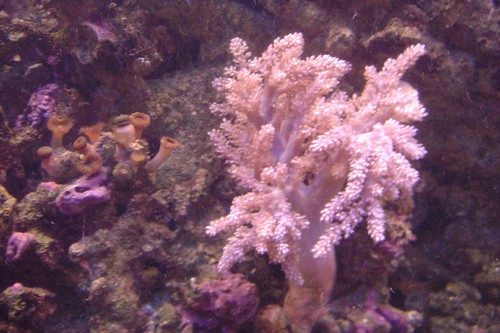
Kenya Tree Corals
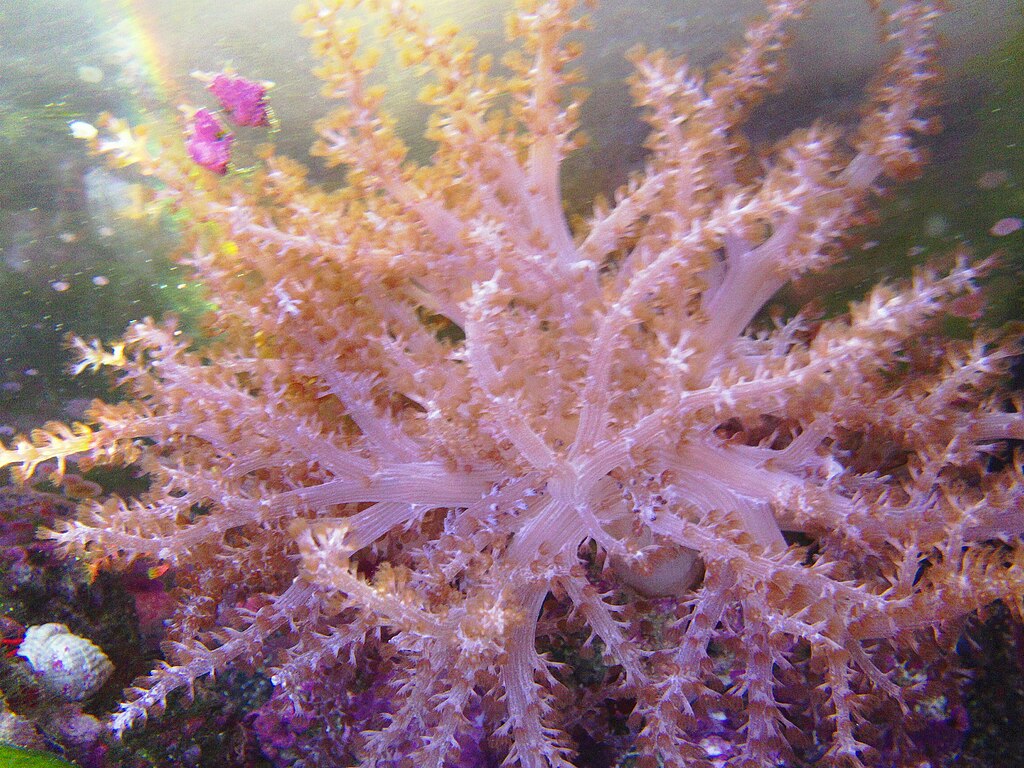
Kenya Tree corals are hardy soft corals with easy care, moderate light needs, and fast growth. Learn placement,…
 By
By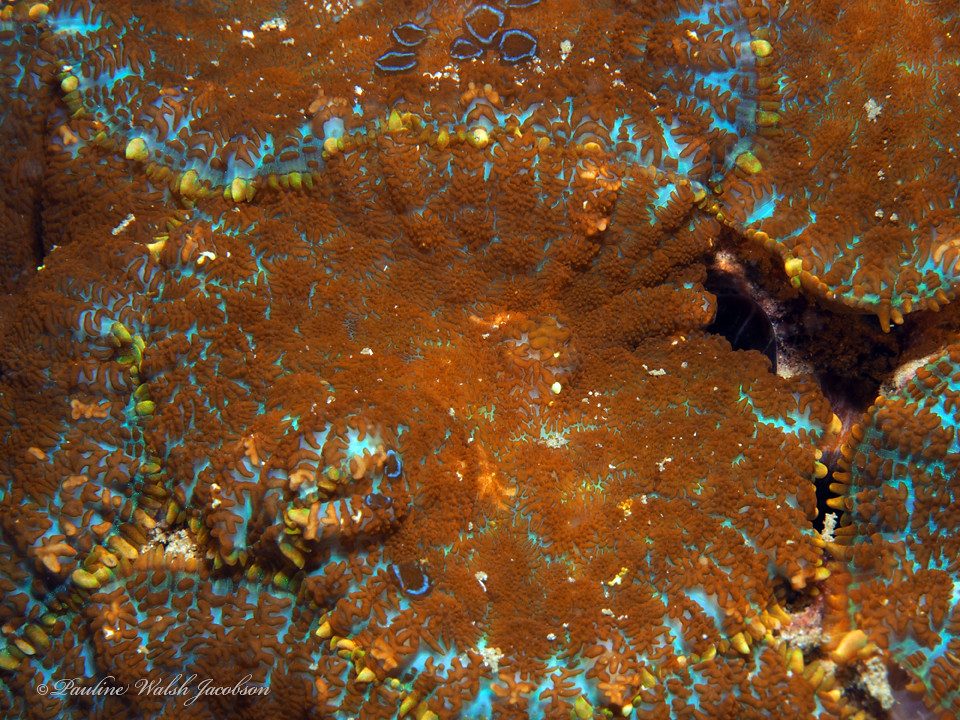
Rhodactis Mushrooms Care
Rhodactis mushrooms are hardy reef corals that prefer low to moderate light, gentle flow, and stable water. Learn…
[favorite_button]
My Bookmarks:
To see full list click here
[user_favorites user_id="" include_links="true" site_id="" post_types="" include_thumbnails="true" thumbnail_size="thumbnail" include_excerpt="false"]