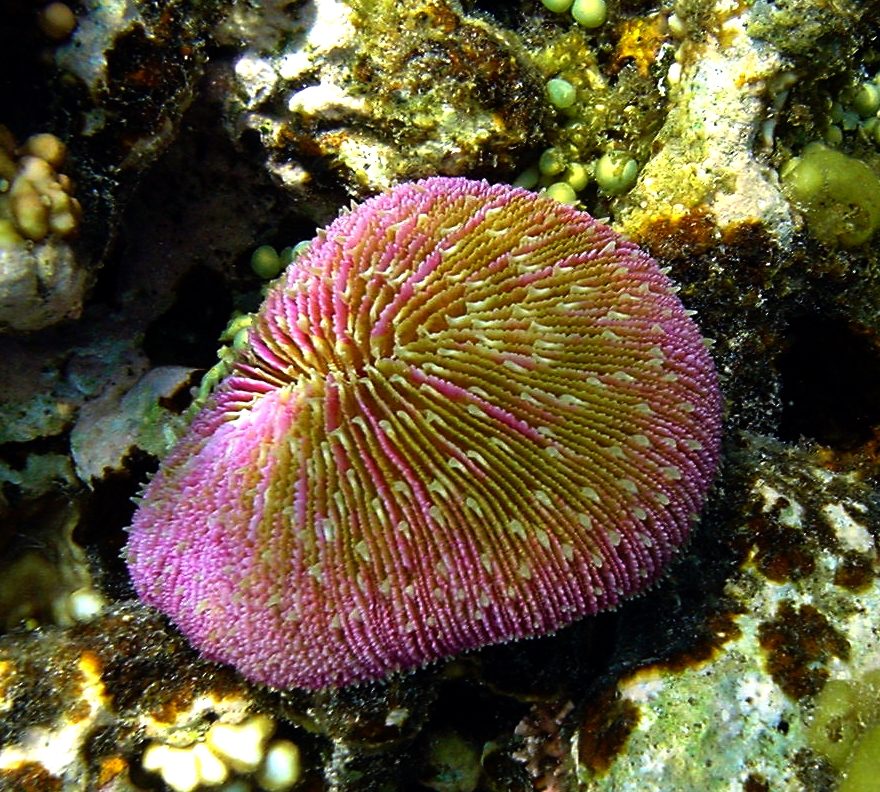
Fungia plate corals are hardy, but they still need planning. They can thrive in mixed reefs when placement and flow are correct. This guide covers daily care, target parameters, and common problems.
Placement, light, and flow for plate corals
Most Fungia do best on the sand bed. Their tissue can tear on sharp rock edges. Leave a clear “landing zone” around the coral. Aim for 3 to 6 inches of open sand on all sides.
Start with moderate light and adjust slowly. Many tanks land around 80 to 150 PAR at the coral. Bleaching can happen under sudden high PAR. Move the coral or reduce intensity by 10% each week.
Use gentle to moderate flow that keeps debris moving. Avoid direct jets that fold tissue over the skeleton. Watch the tentacles during the day. If they stay retracted, flow may be too strong.
Fungia can inflate and shift position. They may “walk” away from irritation. Give them room from stinging neighbors like euphyllia. If you need help with layout, review reef aquascaping basics and plan coral zones first.
- Sand-bed placement is safest for tissue and skeleton.
- Target 80–150 PAR, then fine-tune by color and extension.
- Use indirect flow that lifts detritus without blasting tissue.
Water parameters and stability targets
Stable chemistry matters more than chasing perfect numbers. Keep salinity at 1.025 to 1.026 specific gravity. Hold temperature at 77 to 79°F with small daily swings. Sudden drops often trigger deflation and slime.
Maintain alkalinity at 8 to 9 dKH for steady calcification. Keep calcium at 420 to 460 ppm. Keep magnesium at 1250 to 1400 ppm. Test alkalinity two to three times per week in new tanks.
Nutrients should be present but controlled. Aim for nitrate at 2 to 15 ppm. Keep phosphate at 0.03 to 0.10 ppm. Ultra-low nutrients can starve tissue and fade color. High nutrients can fuel algae on the skeleton.
Use predictable maintenance to prevent swings. Change 5 to 10% weekly or 15% every two weeks. Match salinity and temperature before adding new water. If you want a simple routine, see our water change guide for step timing.
- Salinity: 1.025–1.026 SG, measured with a calibrated refractometer.
- Alkalinity: 8–9 dKH, Calcium: 420–460 ppm, Magnesium: 1250–1400 ppm.
- Nitrate: 2–15 ppm, Phosphate: 0.03–0.10 ppm for balanced color.
Feeding, handling, and troubleshooting
Fungia can live on light and nutrients, but feeding boosts growth. Feed one to three times per week. Offer small meaty foods like mysis, brine, or chopped shrimp. Turn off pumps for 10 to 15 minutes during feeding.
Target feed after lights dim, when tentacles extend. Place a pea-sized portion near the mouth. Use tongs or a turkey baster. If fish steal food, cover the coral with a perforated cup for 5 minutes.
Handle plates with care during moves. Never lift by the soft tissue. Support the hard skeleton from underneath. If you see a cut, reduce flow and keep the area clean. Iodine dips can help in some cases.
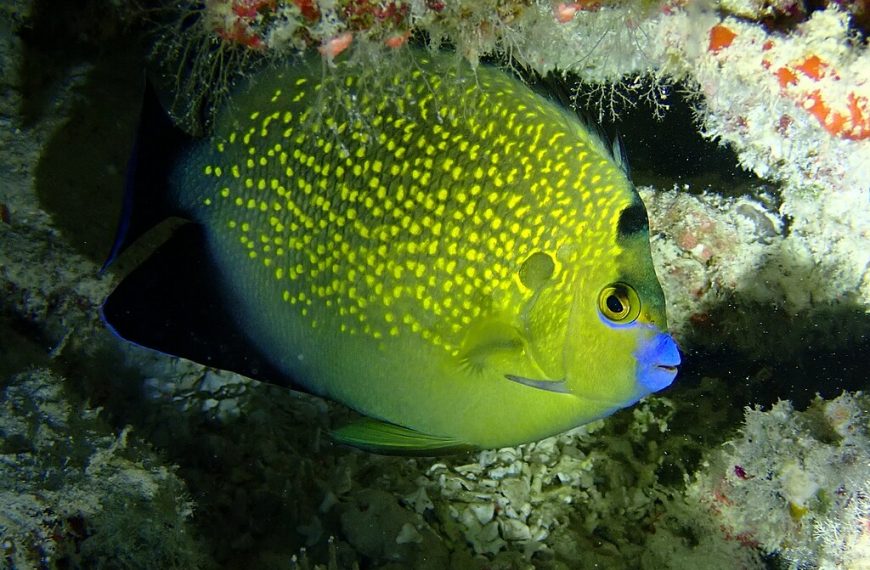
Common issues include recession, brown jelly, and algae on exposed skeleton. Recession often follows high light or blasting flow. Brown jelly needs fast action and isolation. Siphon the slime and increase oxygenation. Check fish harassment too, like angels nipping tissue.
- If the coral stays deflated for 24 hours, check salinity and alkalinity first.
- If tissue tears, move to low flow and keep sand off the wound.
- If algae grows on skeleton, raise flow slightly and lower phosphate slowly.
Quarantine helps prevent pests and infections. A simple coral QT can be a 10 to 20 gallon tank. Use a small heater and gentle flow. Inspect at night for hitchhikers. For setup steps, read coral quarantine setup and keep notes on changes.
Fungia plates reward calm, steady care. Give them sand space, moderate light, and indirect flow. Keep parameters stable and feed modestly each week. With consistency, they inflate fully and show strong color.
Sources: Borneman, E. “Aquarium Corals” (TFH); Delbeek & Sprung, “The Reef Aquarium” Vol. 1–3; Fenner, R. “The Conscientious Marine Aquarist.”
Was this helpful?
Related Posts
Protein Skimmer Reef Tank Guide
Learn how a protein skimmer works, how to size one, and how to tune it for a cleaner,…
 By
By
Best Reef Safe Cleanup Crew
The best reef safe cleanup crew includes hardy snails, selective scavengers, and a few specialty invertebrates matched to…