
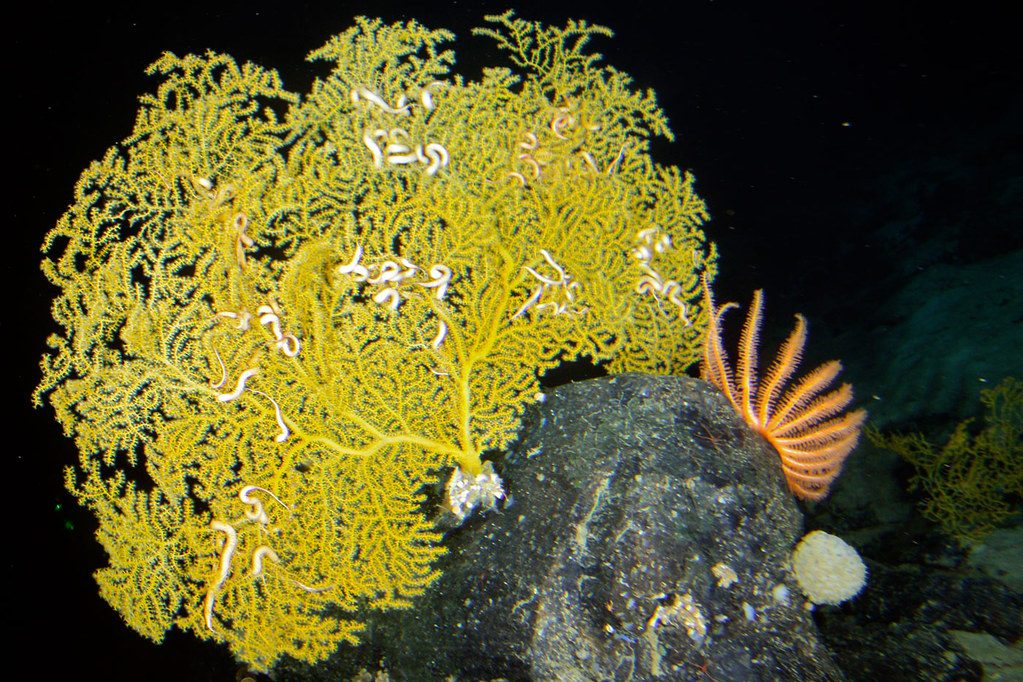
Gorgonians are beautiful soft corals that add height, movement, and texture to a reef tank. Most species do well with stable water, moderate to strong flow, and lighting that matches whether they are photosynthetic or non-photosynthetic. Success comes from proper placement, steady nutrients, and choosing a species that fits your experience level.
Many reef keepers buy a gorgonian for its branching shape, then struggle because care varies by species. Some depend heavily on light. Others need frequent feeding and stronger flow. In this guide, you will learn how to identify common gorgonian types, set up the right environment, feed them correctly, and solve common problems before they become serious. We will also cover tank placement, compatibility, fragging, and beginner-friendly care tips that help these corals thrive long term.
Quick Reference Table
| Care Factor | Photosynthetic Gorgonians | Non-Photosynthetic Gorgonians |
|---|---|---|
| Difficulty | Easy to moderate | Advanced |
| Lighting | Moderate to high | Low to moderate |
| Water Flow | Moderate to strong | Strong, turbulent |
| Feeding | Occasional target or broadcast feeding | Frequent planktonic foods |
| Placement | Open areas with steady flow | High-flow areas away from detritus |
| Temperament | Peaceful | Peaceful |
| Best For | Beginner to intermediate reef keepers | Experienced hobbyists |
What Are Gorgonians?
Gorgonians are colonial soft corals in the subclass Octocorallia. Each polyp has eight tentacles. That trait separates them from stony corals. In reef tanks, they are known for tall branches and flexible skeletons. Some look like fans. Others look like whips, bushes, or antlers.
There are two broad groups in the hobby. Photosynthetic gorgonians use light and house symbiotic algae. These are usually the best choice for beginners. Common purple, tan, and brown branching species often fall into this group. Non-photosynthetic gorgonians do not rely on light for nutrition. They need regular feeding of fine planktonic foods. These species are much harder to keep alive long term.
Most gorgonians appreciate clean water, stable chemistry, and strong enough flow to keep their tissue free of debris. They can become excellent centerpiece corals. They also create a more natural reef look than many round or encrusting corals.
Natural Habitat
Gorgonians occur in tropical and subtropical oceans around the world. Many popular aquarium species come from the Caribbean and western Atlantic. Others come from the Indo-Pacific. In nature, they often grow on reef slopes, patch reefs, lagoons, and current-swept ledges.
Water movement is a major part of their environment. Strong currents bring oxygen and food. Flow also prevents sediment from settling on the colony. This is why stagnant areas in an aquarium often lead to poor extension, algae growth, or tissue loss.
Photosynthetic species often grow in brighter, shallower water. Non-photosynthetic species are more common in shaded overhangs, deeper zones, or areas with heavy plankton flow. Knowing where your species lives in nature helps you predict its needs in captivity. That simple step improves placement and long-term survival.
Aquarium Setup
Most gorgonians do not need a huge tank, but stability matters. A mature reef aquarium of 20 gallons or more can work for smaller photosynthetic species. Larger tanks are easier to keep stable. That makes them a better choice for delicate or non-photosynthetic varieties.
Aquascaping should leave open water around the colony. Avoid cramming a gorgonian into dense rockwork. Branches need room for flow from multiple directions. Mount the coral securely so it does not sway into nearby corals. Leave extra space for growth. Some species branch quickly under good conditions.
Stable parameters are critical. Aim for salinity around 1.025, temperature between 76 and 78°F, alkalinity 8 to 9 dKH, calcium 400 to 450 ppm, and magnesium 1250 to 1350 ppm. Nitrate and phosphate should not bottom out. Gorgonians often respond better in tanks with light to moderate nutrients than in ultra-sterile systems.
Lighting Requirements
Lighting depends on the species. Photosynthetic gorgonians usually do best in moderate to moderately high light. Many adapt well to reef LEDs, T5s, or hybrid systems. A PAR range around 80 to 180 works for many common species. Some can handle more when acclimated slowly.
Watch the coral rather than chasing one exact number. Good signs include full polyp extension, steady growth, and healthy color. If tissue pales or the colony stays closed, lighting may be too intense or unstable. If growth slows and the coral darkens, it may need more light.
Non-photosynthetic gorgonians do not need strong light. In fact, too much light can encourage nuisance algae on their tissue. These species usually do better in lower-light zones with excellent flow and frequent feeding. If you are unsure which type you own, identify it before deciding on placement.
Water Flow
Flow is one of the most important parts of gorgonian care. Most species need moderate to strong, indirect, and varied water movement. The goal is constant exchange around the branches without blasting the tissue from one direction all day.
Good flow helps in several ways. It delivers oxygen. It carries food to the polyps. It removes mucus and waste. It also prevents detritus and algae from settling on the colony. In weak flow, many gorgonians stay closed and slowly decline.
Use alternating pumps or random flow modes when possible. Place the colony where branches sway gently but do not fold over. If a section collects debris, adjust the angle or move the coral. Dead spots are a common cause of tissue loss near the base. Strong, chaotic flow is especially important for non-photosynthetic species.
Feeding
Photosynthetic gorgonians get much of their energy from light, but many still benefit from feeding. Offer fine coral foods, rotifers, phytoplankton, or small zooplankton substitutes one to three times per week. Broadcast feeding often works better than blasting the colony directly.
Non-photosynthetic gorgonians need a much heavier feeding routine. They often require daily or near-daily feeding with very small planktonic foods. This can include live or preserved phytoplankton, rotifers, copepod products, reef roids-style powders, and other suspended coral diets. Strong filtration and nutrient export are important because frequent feeding can raise nitrate and phosphate.
Feed when polyps are extended if possible. Turn down return flow briefly if food is swept away too fast. Then restore circulation so waste does not settle. If a non-photosynthetic gorgonian never extends, review flow, placement, and species identification before increasing food.
Compatibility
Gorgonians are peaceful corals, but placement still matters. Give them room from aggressive LPS corals with long sweeper tentacles. Avoid direct contact with stinging corals, fast-growing soft corals, and encrusting species that may overtake the base. Good spacing reduces chemical and physical stress.
Most reef-safe fish ignore gorgonians. Clownfish may occasionally rub on bushy colonies, which can irritate smaller frags. Angelfish and butterflyfish are more risky, especially in mixed reefs. Some may nip polyps or tissue. Crabs and shrimp are usually safe, though large hermits can knock unsecured colonies loose.
Gorgonians work well in mixed reefs, soft coral tanks, and Caribbean-themed systems. They pair nicely with zoanthids, mushrooms, and many peaceful SPS or LPS corals when spacing is planned well. For more stocking ideas, see our guides on reef safe fish, coral placement guide, and mixed reef tank setup.
Step-by-Step Gorgonian Placement Guide
Start by identifying whether your gorgonian is photosynthetic or non-photosynthetic. This affects every care decision. Next, inspect the colony before adding it to the tank. Look for exposed skeleton, algae on tissue, or damaged branches. Healthy tissue should look intact and clean.
Dip the coral if appropriate for the species and supplier guidance. Then mount it securely on rock or a frag plug. Choose an area with steady, indirect flow. For photosynthetic species, start in moderate light. For non-photosynthetic species, begin in lower light with stronger flow.
Observe polyp extension over the next week. If the coral stays closed, adjust flow first. Then review lighting and feeding. Avoid moving it every day. Gorgonians need time to settle. Once the colony opens reliably, maintain stable conditions and keep the base free of detritus. This simple process prevents many beginner mistakes.
Propagation and Fragging
When to Frag
Frag only healthy, established colonies. The coral should show regular polyp extension and active growth. Avoid fragging stressed, newly imported, or damaged specimens. Wait until the colony has adapted well to your tank.
How to Frag a Gorgonian
Use clean coral cutters or a sharp blade. Cut a healthy branch tip several inches long. Remove tissue from the bottom portion if needed. Then attach the frag to rubble or a plug with reef-safe glue, rubber bands, or mesh. Keep the frag upright in moderate flow until it anchors and heals.
Aftercare for New Frags
Fresh frags need stable conditions and good flow. Do not place them in low-flow corners. Watch for algae on the cut area. Most photosynthetic species recover quickly when conditions are right. Feed lightly if the species responds to suspended foods. Avoid handling the frag too often during the first two weeks.
Common Problems
Why Is My Gorgonian Not Opening?
The most common causes are poor flow, recent stress, unstable parameters, or irritation from nearby corals. Check for detritus on the branches. Increase random flow gently. Test salinity and temperature. Also confirm that fish or invertebrates are not picking at the polyps.
Why Is Tissue Peeling Off the Skeleton?
Tissue loss often starts after prolonged low flow, physical damage, bacterial issues, or algae growth on stressed areas. Remove dead sections if needed. Improve circulation around the colony. Keep the base clean. Review placement and avoid direct contact with aggressive corals.
Why Is Algae Growing on My Gorgonian?
Algae usually appears when tissue is damaged or flow is too weak. Excess nutrients can worsen the problem. Gently turkey-baste debris from the branches. Improve water movement. Reduce light if the species is non-photosynthetic. Healthy tissue resists algae better than stressed tissue.
Why Is the Base Dying First?
Base recession often points to detritus buildup and poor circulation near the attachment point. Raise the colony slightly if needed. Reposition pumps so water reaches the lower branches. Check that other corals are not shading or touching the base. This issue is common in crowded aquascapes.
Frequently Asked Questions
Are gorgonians good for beginners?
Photosynthetic gorgonians are often beginner-friendly. Non-photosynthetic species are not. Start with a hardy photosynthetic variety if you are new to reef keeping.
Do gorgonians need target feeding?
Many photosynthetic species do fine with occasional broadcast feeding. Non-photosynthetic species need much more regular feeding and close observation.
Can gorgonians touch other corals?
It is best to avoid contact. Gorgonians are peaceful, but they can still be damaged by stinging corals and overgrown by aggressive neighbors.
How fast do gorgonians grow?
Growth depends on species and conditions. Hardy photosynthetic types can grow steadily in stable tanks with good flow and moderate nutrients.
Do gorgonians need calcium and alkalinity?
Yes. They are soft corals, but stable calcium, alkalinity, and magnesium still support overall health and skeletal structure.
Gorgonians reward careful reef keepers with elegant shape and constant motion. The key is matching the species to your tank and skill level. If you choose a hardy photosynthetic variety, provide strong varied flow, and keep conditions stable, these corals can become one of the most striking features in a reef aquarium. For deeper reading, explore our articles on reef tank water parameters and coral acclimation guide.
Was this helpful?
Related Posts
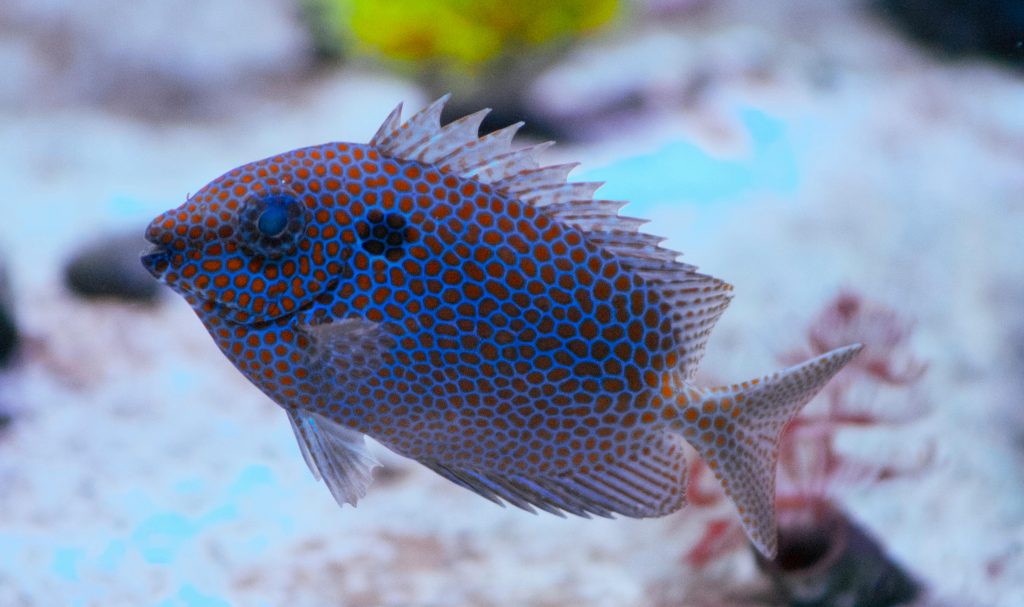
Gold Spotted Rabbitfish (Siganus Punctatus)
Gold Spotted Rabbitfish care includes large tanks, heavy algae feeding, and caution with corals. Learn tank size, diet,…
 By
By
Sharknose Goby (Elacatinus evelynae)
Sharknose Goby care is simple in stable reef tanks. Learn feeding, tank setup, compatibility, and common problems for…
[favorite_button]
My Bookmarks:
To see full list click here
[user_favorites user_id="" include_links="true" site_id="" post_types="" include_thumbnails="true" thumbnail_size="thumbnail" include_excerpt="false"]