
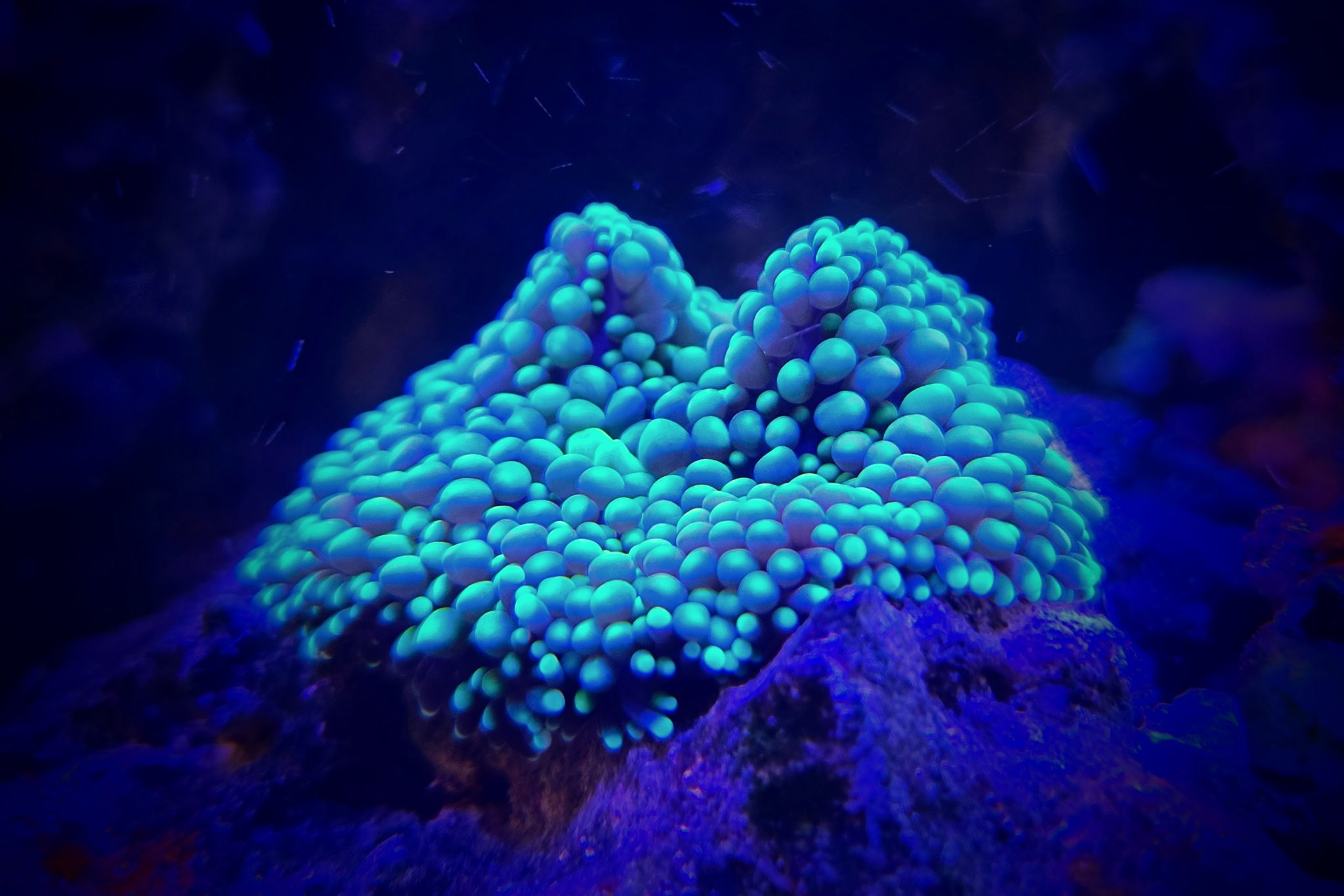
Green Florida Ricordea is a hardy mushroom coral with bright color and gentle care needs. It suits many beginner reefs. Stable water, moderate light, and patient placement usually lead to good expansion and steady growth.
This coral is popular for good reason. It brings movement, texture, and neon green color to reef aquariums. Many hobbyists choose it as an early soft coral because it tolerates a range of conditions better than many stony corals. That said, success still depends on stable parameters and smart placement. In this guide, you will learn how to care for Green Florida Ricordea, where to place it, what it needs for lighting and flow, how to feed it, and how to solve common problems before they become serious.
Green Florida Ricordea Care Sheet
| Common name | Green Florida Ricordea |
| Scientific group | Ricordea florida |
| Care level | Easy to moderate |
| Temperament | Peaceful, but can sting nearby corals |
| Lighting | Low to moderate |
| Water flow | Low to moderate, indirect |
| Placement | Lower to middle rockwork or isolated rubble |
| Diet | Photosynthesis, plus occasional meaty foods |
| Ideal temperature | 76–79°F |
| Salinity | 1.025–1.026 specific gravity |
| pH | 8.1–8.4 |
| Alkalinity | 8–9 dKH |
| Nitrate | 2–15 ppm |
| Phosphate | 0.03–0.10 ppm |
Use this table as a quick guide. The real key is stability. Ricordea often struggles more from sudden changes than from slightly imperfect numbers.
What Is Green Florida Ricordea?
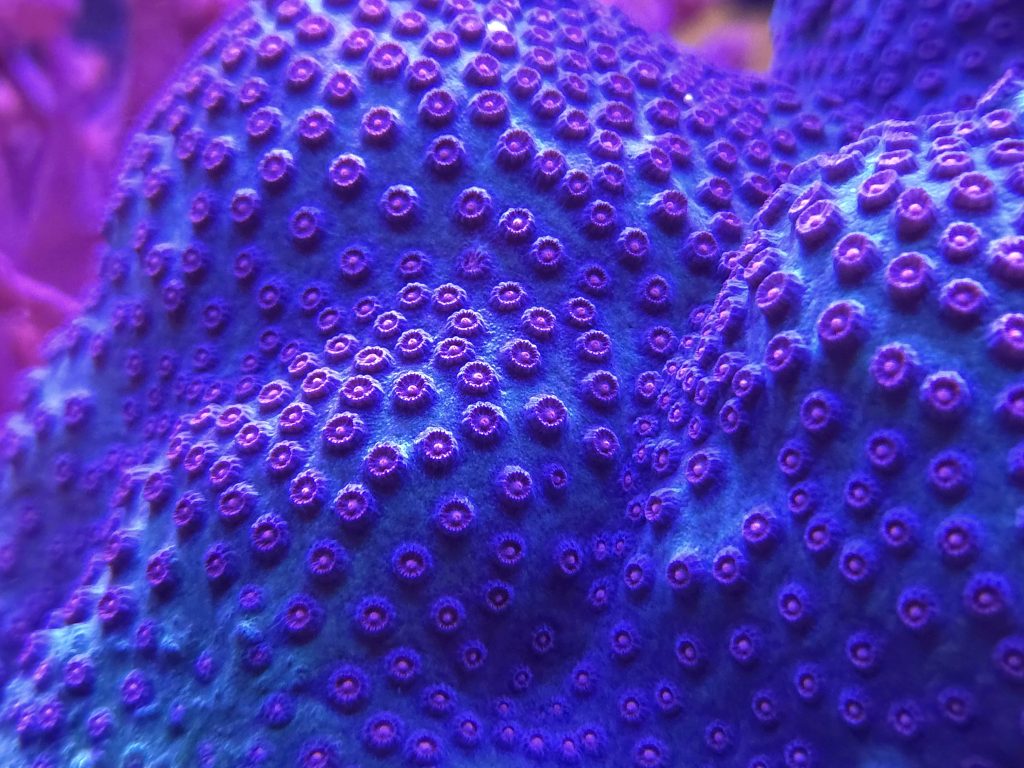
Green Florida Ricordea is a corallimorph, not a true stony coral. It belongs to the same general group as mushroom corals. It has a round oral disc covered in short bubble-like vesicles. These vesicles give it a textured, almost jeweled look under reef lighting. Green morphs are especially popular because they glow strongly under blue spectrum LEDs.
Unlike many demanding corals, Ricordea florida can adapt well to mixed reefs. It does not need intense light or heavy feeding. It also stays relatively compact. That makes it useful for nano reefs and larger display tanks alike. Still, hobbyists should not treat it as indestructible. Poor acclimation, too much light, or strong direct flow can cause shrinking, bleaching, or detachment. When kept well, it expands fully during the day and may slowly form a colorful colony over time.
Natural Habitat
Ricordea florida comes from the tropical western Atlantic. It is found around Florida, the Gulf of Mexico, and parts of the Caribbean. In nature, it often grows in shallow reef zones, lagoon areas, and rocky bottoms with moderate water movement. These habitats usually provide bright water conditions, but not always harsh direct exposure.
This natural setting explains a lot about its aquarium needs. Green Florida Ricordea likes clean, stable saltwater with some nutrients present. It does best with gentle to moderate indirect flow. It also prefers moderate light rather than extreme intensity. In the wild, these corallimorphs often attach to hard substrate and spread slowly across rock. They can live near other sessile invertebrates, but still need enough space to avoid direct competition. Replicating this balance in the aquarium helps them stay inflated and colorful.
Aquarium Setup
Green Florida Ricordea can thrive in tanks as small as 10 gallons, but larger systems are more forgiving. Stability matters more than size. A mature aquarium is best. Fresh tanks often swing in salinity, nutrients, and alkalinity. Those swings can stress soft corals quickly. If possible, wait until the tank has settled before adding premium Ricordea specimens.
Place this coral on lower rockwork, a small island, or a rubble zone at first. Many hobbyists prefer isolated rocks. This makes future spreading easier to manage. It also reduces the chance of contact with aggressive neighbors. Avoid placing it where sand constantly blows onto the disc. Sand irritation can keep it closed. Good aquascaping gives it room to expand without touching euphyllia, chalices, or fast-growing zoanthids. If you keep a mixed reef, think ahead. A tiny mushroom today can become a cluster later.
Lighting Requirements
Green Florida Ricordea usually does best under low to moderate light. Many hobbyists aim for roughly 50 to 120 PAR. Some specimens can handle more, but only after slow acclimation. Strong LEDs can bleach Ricordea faster than many beginners expect. A new frag should not go straight under intense light near the top of the tank.
Watch the coral closely after placement. If it stays small, pale, or tightly puckered, the light may be too intense. If it stretches upward and loses some fullness, it may want slightly more light. Make changes slowly. Raise intensity in small steps over a week or two. Blue-heavy reef lighting often makes green pigments pop, but color alone does not prove health. A healthy Ricordea should expand well, hold steady color, and remain attached. When in doubt, start lower and move up gradually rather than risking light shock.
Water Flow
Flow should be low to moderate and indirect. This is one of the most important parts of Ricordea care. Strong direct flow can keep the disc folded, cause poor expansion, or even make the coral detach. On the other hand, stagnant water can allow detritus to settle around the base and irritate the tissue.
A good target is gentle movement that makes the coral sway slightly without whipping the tissue. If your powerhead points straight at the frag, change the angle. If detritus collects around it every day, increase random flow in the area. In mixed reefs, this balance can be tricky because SPS often need much stronger circulation. That is why lower-flow ledges and side zones work well for Ricordea. Observe the coral after every adjustment. Full daytime inflation is usually a sign that flow is close to correct.
Feeding
Green Florida Ricordea gets much of its energy from light through zooxanthellae. It can still benefit from occasional feeding. Small meaty foods work best. Try finely chopped mysis, reef roids, cyclops, or other micro foods. Feed lightly once or twice each week. Overfeeding can foul the water, especially in nano tanks.
Not every Ricordea shows a strong feeding response. Some grab food quickly. Others ignore it. Turn off pumps for a few minutes when target feeding. Use a turkey baster or pipette and place food gently on the disc. If the coral accepts it, you may see the mouth close around the food. If it drops the food repeatedly, the piece is likely too large or the coral is stressed. Feeding is helpful, but it is not the main factor in success. Stable parameters and proper placement matter more than heavy feeding.
Compatibility
Green Florida Ricordea is generally peaceful, but it still needs space. It can sting or irritate nearby corals through direct contact. Keep it away from delicate SPS tips and fleshy LPS tissue. It usually coexists well with fish and most clean-up crew invertebrates. Clownfish sometimes rub against mushrooms, but Ricordea is not an ideal host and may stay closed from repeated irritation.
Be careful with crabs, large hermits, and certain shrimp around loose frags. They may knock unattached Ricordea off the rock. Also watch nearby corals that grow fast. Zoanthids, xenia, and encrusting species can crowd a small Ricordea over time. In mixed reefs, give each coral room to expand fully. This prevents chemical and physical warfare. If you want a dedicated mushroom garden, Ricordea often pairs well with other low-demand mushrooms when each colony has enough room. You can learn more about mushroom coral care and smart placement in mixed reefs.
Step-by-Step Placement and Acclimation
Start with temperature acclimation. Float the bag for about 15 to 20 minutes. Then use a slow drip acclimation if the shipping water differs greatly from your tank. Keep the process gentle. Sudden salinity shifts can stress Ricordea badly. After acclimation, inspect the foot for damage and rinse the coral in clean saltwater if needed.
Next, place the coral in a low-light, low-flow area for several days. A small rubble cup or mushroom box works well if the frag is unattached. Once it grips the substrate, you can move it carefully to its final spot. Avoid gluing the soft tissue directly. Glue the rubble or small plug instead. Monitor expansion daily. If the coral shrinks, lightens, or detaches, reduce flow and light first. Patience matters here. Ricordea often takes days to settle, but a stable start usually leads to long-term success. For general reef stability tips, see our guide to reef tank parameters.
Propagation and Fragging
Natural Reproduction
Green Florida Ricordea often reproduces by splitting or leaving small bits of tissue behind as it moves. These bits can develop into new polyps over time. This process is slow, but it is common in healthy, established systems. Good nutrition and stable water help encourage steady growth.
Manual Fragging
Experienced hobbyists sometimes cut Ricordea for propagation. Use a clean scalpel and proper safety practices. The coral is usually cut through the mouth into halves or quarters. Each piece should include part of the mouth if possible. After cutting, place the pieces in a low-flow container with rubble until they attach. Avoid strong flow during healing. Infection and tissue loss are possible, so beginners should wait until they are comfortable with coral handling. If you enjoy coral propagation, our article on how to frag corals covers tools and recovery basics.
Common Problems
Why is my Green Florida Ricordea shrinking?
Shrinking usually points to stress. Check for sudden light increases, direct flow, salinity swings, or nearby aggression. Test alkalinity and temperature first. If numbers are stable, move the coral to a calmer, lower-light area and give it several days. Do not keep moving it daily.
Why did my Ricordea detach from the rock?
Detachment often happens when flow is too strong or the coral is unhappy with placement. It can also happen after shipping. Place the coral in a cup with rubble and mesh cover until it reattaches. Avoid trying to glue the soft foot directly. That often fails and can damage tissue.
Why is my Ricordea losing color?
Color loss can come from bleaching under excessive light or from poor nutrition in an ultra-low nutrient tank. Check nitrate and phosphate. Many Ricordea look best with modest nutrients present. If PAR is high, lower the coral and reduce intensity slowly. You can also feed lightly once or twice per week.
Why won’t my Ricordea open fully?
Look for irritation first. Sand, pests, aggressive neighbors, or unstable water can all keep it closed. Examine the disc for nudibranchs or damage. Review recent changes to lighting, flow, and chemistry. Most often, partial opening improves once the environment is calmer and more stable. Our coral not opening guide can help you narrow down the cause.
Frequently Asked Questions
Is Green Florida Ricordea good for beginners?
Yes. It is one of the better beginner corals. It still needs stable water and careful placement, but it is more forgiving than many LPS and SPS corals.
How fast does Green Florida Ricordea grow?
Growth is usually slow to moderate. In stable tanks, a healthy polyp may split or form new polyps over time. Do not expect rapid spread like some nuisance soft corals.
Can Green Florida Ricordea live in a nano reef?
Yes. It often does very well in nano reefs because it stays small and likes moderate conditions. The challenge is keeping salinity and temperature stable in a smaller water volume.
Does Green Florida Ricordea need feeding?
Not strictly. It can survive mainly from light in a healthy reef tank. Occasional target feeding may improve growth and fullness, but heavy feeding is unnecessary.
What is the difference between Ricordea florida and Ricordea yuma?
Ricordea florida usually has a more even disc texture and tends to be hardier. Ricordea yuma often has larger vesicles and can be more sensitive to changes, especially after shipping.
Final Thoughts
Green Florida Ricordea is a great choice for hobbyists who want color without extreme difficulty. It rewards patience more than constant adjustment. Give it stable water, moderate light, gentle flow, and enough space from neighbors. Feed lightly if desired, but focus first on consistency. If you do that, this bright mushroom coral can become one of the most reliable and attractive pieces in your reef.
Was this helpful?
Related Posts
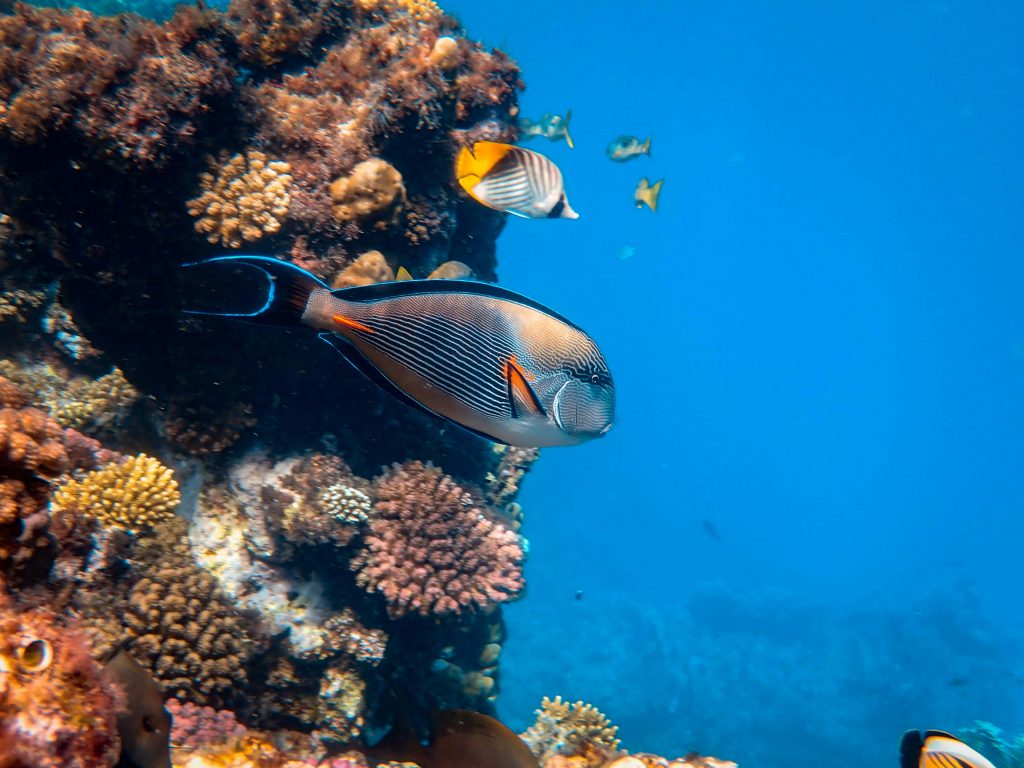
Sohal Tang (Acanthurus Sohal)
Sohal Tang care centers on space, heavy feeding, and aggression control. Learn tank size, diet, compatibility, and common…
 By
By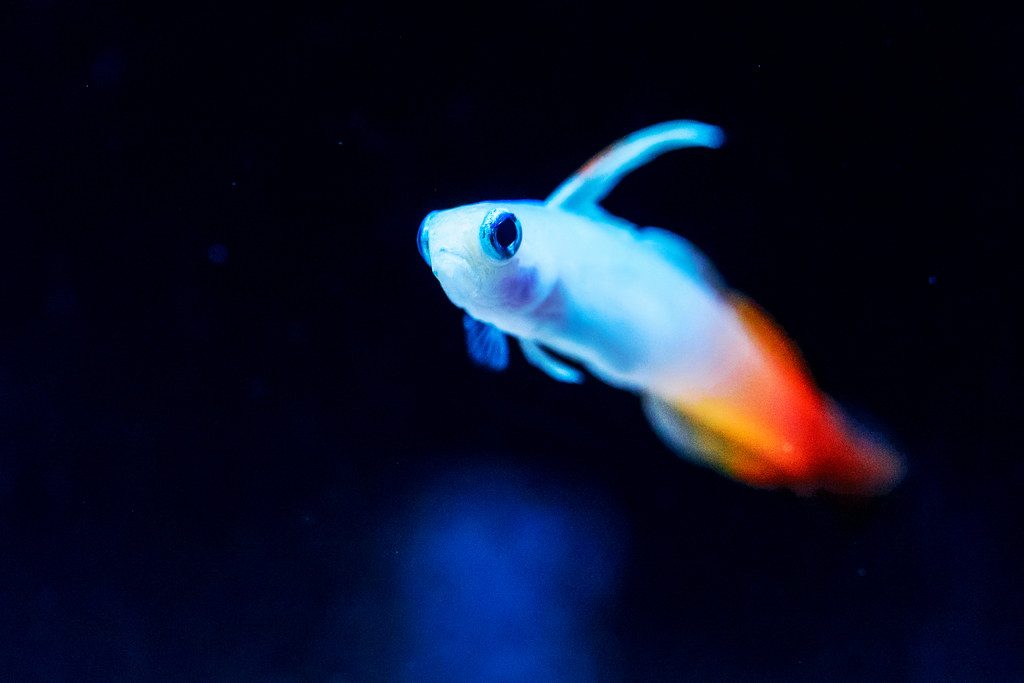
Reef Safe Fish Guide
Learn which reef safe fish work best in coral tanks, plus species to avoid, compatibility tips, and beginner-friendly…
[favorite_button]
My Bookmarks:
To see full list click here
[user_favorites user_id="" include_links="true" site_id="" post_types="" include_thumbnails="true" thumbnail_size="thumbnail" include_excerpt="false"]