

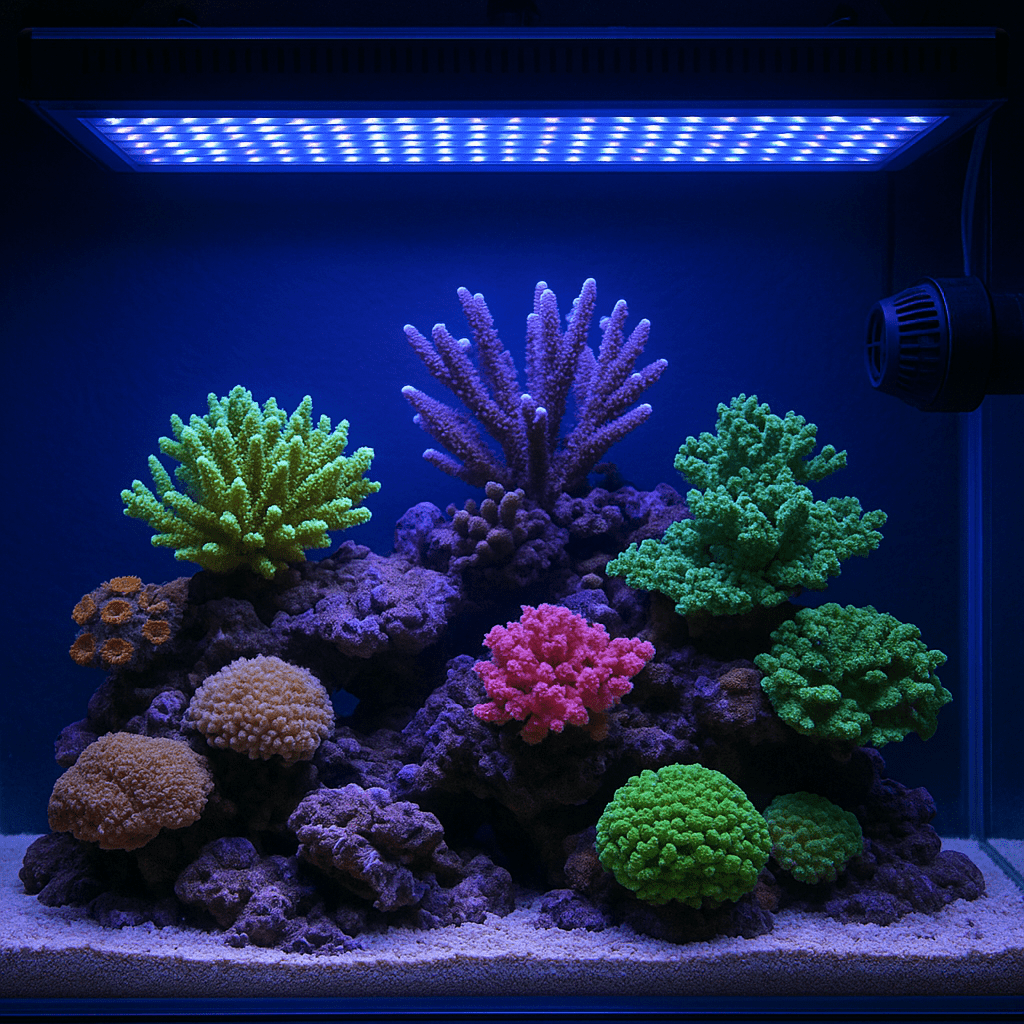
A quarantine tank and a hospital tank are not the same thing. A quarantine tank is for observation and prevention. A hospital tank is for active treatment. Knowing the difference helps you protect your display tank, reduce fish losses, and avoid unnecessary medication.
Many reef keepers use these terms interchangeably. That causes mistakes. Some hobbyists medicate fish in a quarantine setup with sand and rock. Others skip quarantine and only react when fish get sick. Both choices can create bigger problems. In this guide, you will learn what each tank does, when to use it, how to set one up, and how to avoid common errors. If you keep marine fish, this is one of the most useful systems you can master.
Quick Reference Table
| Feature | Quarantine Tank | Hospital Tank |
|---|---|---|
| Main purpose | Observation and prevention | Treatment of illness |
| Used for | New arrivals | Sick or injured fish |
| Medication | Sometimes, depending on protocol | Usually yes |
| Decor | Bare bottom, PVC, sponge filter | Bare bottom, PVC, simple equipment |
| Live rock or sand | Usually avoided | Avoided |
| Length of stay | 2 to 6 weeks | Until treatment ends and recovery is stable |
| Goal | Keep disease out of display tank | Help fish recover safely |
| Best location | Separate from display system | Separate from display system |
What Is a Quarantine Tank?
A quarantine tank is a temporary holding system for new fish. Its main job is observation. It gives you time to watch for parasites, bacterial infections, and feeding issues before the fish enters your display tank. This step protects every fish already in your reef.
A good quarantine tank is simple. Most hobbyists use a bare bottom aquarium, a heater, a lid, and a cycled sponge filter. Add a few PVC elbows for shelter. That keeps the fish calm and makes waste easy to remove. You can also monitor appetite and behavior more clearly.
Some reef keepers run observational quarantine only. Others use a prophylactic protocol. That may include copper, praziquantel, or tank transfer methods. The exact method depends on your risk tolerance and the fish species. The key point is this. Quarantine is about prevention. You are trying to stop disease before it reaches the display.
What Is a Hospital Tank?
A hospital tank is for fish that are already sick, injured, or under active treatment. This tank is designed for medication and close monitoring. It is not meant to be attractive. It is meant to be practical and safe.
Hospital tanks are usually bare bottom. They contain only basic equipment. Use a heater, simple filtration, strong aeration, and inert hiding places like PVC pieces. Avoid sand, rock, and decorations that absorb medication. Copper and many antibiotics can bind to porous materials. That makes dosing less reliable.
A hospital tank also protects your reef. Many fish medications are not reef safe. Copper will kill invertebrates. Some antibiotics can disrupt biological balance. If you dose a display tank, you may damage corals, shrimp, snails, and beneficial bacteria. The hospital tank isolates the fish and lets you treat the problem directly. Think of it as a medical ward, not a waiting room.
Hospital Tank vs. Quarantine Tank: The Core Difference
The easiest way to remember the difference is this. Quarantine is for healthy-looking fish that might carry disease. Hospital is for fish that clearly need treatment. One is preventive. The other is reactive.
There can be overlap. A quarantine tank may become a hospital tank if a new fish develops symptoms. That happens often. Still, the goals change once treatment begins. At that point, your focus moves from observation to diagnosis, medication, and recovery support.
This distinction matters because setup decisions change too. In quarantine, you may want a more stable environment for several weeks. In a hospital tank, you want easy cleaning, exact dosing, and strong oxygen levels. You also need to watch ammonia closely. Sick fish are stressed. Many medications also reduce oxygen or impact biofiltration. Understanding the purpose of each tank helps you choose the right equipment and avoid preventable losses.
When Should You Use a Quarantine Tank?
Use a quarantine tank every time you buy a new marine fish. This includes fish from trusted stores. Even healthy fish can carry ich, velvet, flukes, or bacterial infections without obvious signs. Stress from shipping can also trigger symptoms several days later.
Quarantine is also useful for shy fish that need time to eat. Many wrasses, anthias, and captive-bred juveniles settle better in a quiet tank. You can target feed them without competition. You can also observe feces, breathing rate, and skin condition more easily than in a busy reef display.
Most hobbyists quarantine fish for at least two to four weeks. Longer is often safer. If you use a treatment protocol, follow the full timeline for that medication. Do not rush the process because the fish looks fine after a few days. Parasite life cycles often outlast short observation periods. A proper quarantine routine prevents outbreaks that are much harder to control once fish are in a rock-filled reef aquarium.
When Should You Use a Hospital Tank?
Use a hospital tank when a fish shows symptoms that need treatment. Common signs include white spots, flashing, rapid breathing, cloudy eyes, fin rot, open sores, or refusal to eat. It is also useful for fish recovering from injury, aggression, or shipping damage.
A hospital tank is especially important when medication is required. Copper, formalin, metronidazole, and many antibiotics should not be used in a reef display. A separate tank lets you dose accurately and observe response without harming corals or invertebrates.
You should also consider a hospital tank when one fish is being bullied. Stress lowers immunity. A fish that cannot rest or eat may decline fast. Temporary isolation often helps. In some cases, clean water and reduced stress solve the problem before stronger medication is needed. The hospital tank gives you options. It creates a controlled space where you can stabilize the fish, confirm the issue, and choose the right treatment plan.
How to Set Up a Quarantine Tank
A simple quarantine setup works best. Start with a 10 to 30 gallon tank, depending on fish size. Add a heater, thermometer, lid, and basic light. Use a cycled sponge filter if possible. Keep extra sponge filters running in your sump so one is always ready.
Leave the bottom bare. Add a few PVC fittings for shelter. These are easy to clean and will not absorb medication if treatment becomes necessary. Match salinity and temperature to the source water at first. Then adjust slowly if needed. Stability matters more than chasing perfect numbers.
Test ammonia often. This is the biggest risk in small temporary systems. Keep premixed saltwater ready for water changes. Feed lightly at first, then increase once the fish settles. Watch for scratching, heavy breathing, faded color, and poor appetite. Write down what you see each day. Good notes help you catch problems early and decide if observation should shift into treatment.
How to Set Up a Hospital Tank
A hospital tank should be even simpler than a quarantine tank. Use a bare bottom aquarium with a heater, air stone, and basic filter. Strong aeration is important. Many medications reduce oxygen. Sick fish also breathe harder than normal.
Do not use live rock, sand, or chemical media unless the medication instructions allow it. Carbon removes many medications from the water. Porous materials can make dosing inconsistent. Use PVC pieces for shelter. Keep lighting dim unless you need to inspect the fish.
Have dedicated tools for this tank. Use separate nets, buckets, and tubing if possible. That lowers the risk of cross contamination. Test ammonia daily. Monitor pH and temperature closely. Follow medication directions exactly. More is not better. If you are treating with copper, use a reliable test kit and maintain the therapeutic range. In a hospital tank, precision matters. Small mistakes can stress weak fish even more.
Step-by-Step: Choosing the Right Tank
- Ask if the fish is new or already sick. New fish go to quarantine first.
- Look for symptoms. Visible disease usually means hospital treatment is needed.
- Decide if medication is required. If yes, use a hospital-style setup.
- Keep the tank bare bottom and simple. This helps cleaning and observation.
- Test ammonia every day. Temporary tanks can crash fast.
- Provide shelter with PVC. Stress reduction improves recovery.
- Use separate tools from your display tank. This limits disease spread.
- Do not move fish into the display too early. Finish observation or treatment fully.
Common Problems
Ammonia Spikes in Temporary Tanks
This is the most common issue. Small tanks foul quickly. Uneaten food and fish waste build up fast. Use a cycled sponge filter when possible. Feed smaller meals. Siphon waste daily. Keep saltwater ready for emergency changes. An ammonia badge can help, but liquid tests are better.
Fish Stops Eating in Quarantine
Stress is often the cause. New fish need cover and quiet. Dim the lights. Offer several foods. Try frozen mysis, brine, pellets, and nori depending on the species. Match salinity to the source at first. Watch for flukes or internal parasites if appetite stays poor.
Medication Does Not Seem to Work
Wrong diagnosis is one reason. Incorrect dosage is another. Always confirm the treatment range. Remove carbon if the medication requires it. Test copper with a reliable kit. Check oxygen levels and temperature too. A fish may decline from poor water quality even if the medicine is correct.
Can You Use One Tank for Both?
Yes, many hobbyists do. The setup can serve both roles. The difference is how you use it. Start as quarantine for new arrivals. Convert it to hospital mode if symptoms appear. Clean and reset the tank fully between fish. Never assume a used treatment tank is ready without proper disinfection.
Best Practices for Reef Keepers
Every reef keeper should have a plan before buying fish. You do not need a fancy system. You need a clean, simple tank and the discipline to use it. That one habit can save your display from major disease outbreaks.
Keep spare equipment on hand. A small heater, air pump, sponge filter, and test kits are enough for most situations. Label your treatment tools clearly. Store basic medications only after researching proper use. Never medicate blindly. Observation still matters.
Most important, be patient. Fish losses often happen because hobbyists rush. They add fish too soon. They stop treatment early. Or they skip quarantine because the fish looks healthy. In saltwater aquariums, prevention is easier than cure. A quarantine tank keeps trouble out. A hospital tank helps you respond when trouble appears. Both are valuable. They simply serve different jobs.
Frequently Asked Questions
Do I need both a quarantine tank and a hospital tank?
Not necessarily. One simple bare bottom tank can serve both purposes. The key is using it correctly and cleaning it between uses.
Can I quarantine fish in my display tank?
No. That defeats the purpose. If the fish carries disease, your display and all tankmates are exposed immediately.
Should a quarantine tank have sand or live rock?
Usually no. Bare bottom tanks are easier to clean and safer if treatment becomes necessary. PVC makes better temporary shelter.
How long should fish stay in quarantine?
Two to six weeks is common. The exact time depends on your protocol, the species, and whether treatment is involved.
Can I treat fish in a reef tank?
Most medications should never be used in a reef display. They can harm corals, shrimp, snails, and beneficial bacteria.
Related Reading
how to quarantine saltwater fish
marine ich treatment guide
reef tank water parameters
new fish not eating
reef safe fish acclimation
Was this helpful?
Related Posts
Butterflyfish Care in Marine Aquariums
Practical butterflyfish care for marine aquariums, including tank size, feeding steps, and quarantine tips for healthy long-term success.
 By
ByReef Tank Plumbing Basics
Learn reef tank plumbing basics, including drains, return pumps, sump flow, noise control, and flood prevention for a…
[favorite_button]
My Bookmarks:
To see full list click here
[user_favorites user_id="" include_links="true" site_id="" post_types="" include_thumbnails="true" thumbnail_size="thumbnail" include_excerpt="false"]