

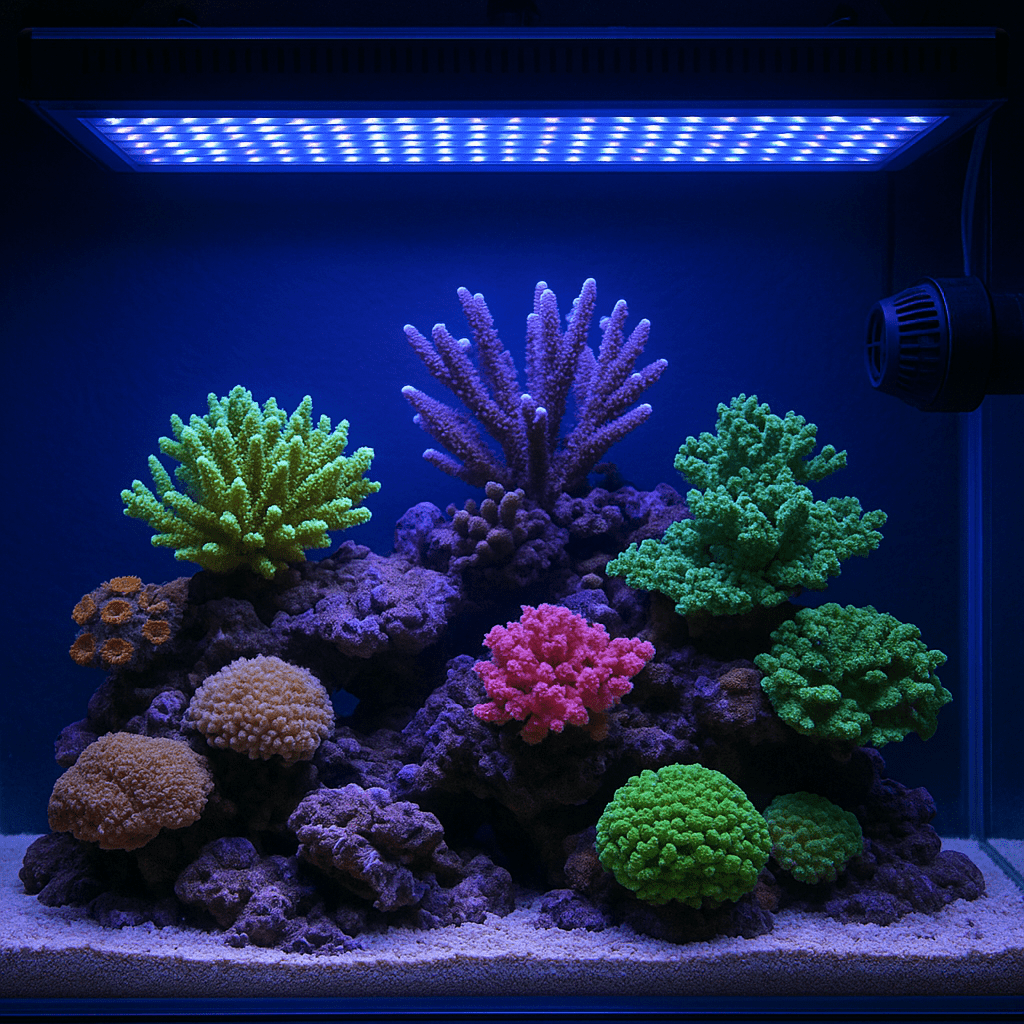
Marine ich is one of the most common reef fish diseases. It causes white spots, flashing, fast breathing, and stress. The safest long-term fix is proper diagnosis, quarantine, and proven treatment in a separate tank. Reef-safe cures rarely work. This guide explains what marine ich is, how to treat it, and how to keep it out of your display tank.
If you keep saltwater fish long enough, you will likely face marine ich. Many hobbyists panic when they see white spots. Some try bottled reef-safe remedies. Others raise temperature or add garlic. Those methods usually fail. Marine ich has a life cycle that makes treatment tricky. You must treat the fish and manage the display tank correctly. In this guide, you will learn how to identify marine ich, choose the right treatment, set up a hospital tank, and prevent future outbreaks. You will also learn when the problem may actually be velvet, lymphocystis, or another disease. Good diagnosis matters. So does patience.
Quick Reference Table
| Issue | Best Practice |
| Cause | Cryptocaryon irritans, a parasitic protozoan |
| Main signs | White spots, scratching, heavy breathing, hiding, reduced appetite |
| Best treatment tank | Separate quarantine or hospital tank |
| Proven treatments | Copper, tank transfer method, or chloroquine phosphate where legal and available |
| Display tank action | Leave fishless for 6 to 10 weeks, with 76 days as the safest benchmark |
| Reef-safe cure? | No reliable reef-safe cure exists |
| Can inverts be treated with copper? | No. Copper is toxic to invertebrates and many other reef organisms |
| Prevention | Quarantine all fish, avoid wet cross-contamination, observe new arrivals |
This table gives the short answer. The details matter, though. Marine ich often looks simple at first. It is not. You can lose fish fast if you guess wrong. You can also waste weeks on weak treatments. Use the sections below to build a plan that actually works.
What Is Marine Ich?
Marine ich is caused by Cryptocaryon irritans. It is an external parasite that infects marine fish. The parasite burrows into the skin and gills. This causes irritation and stress. You may see small white dots that look like grains of salt. Fish may also scratch against rock. Many fish breathe faster than normal. Some stop eating.
The life cycle is the key problem. The parasite does not stay visible on the fish the whole time. It drops off, reproduces in the environment, and later releases free-swimming stages that seek new hosts. This is why fish can look better for a few days. Then they look worse again. That pattern tricks many hobbyists into thinking the disease is gone. It is usually not gone. It is simply between visible phases.
Stress makes outbreaks worse. Shipping stress, aggression, poor water quality, and rapid parameter swings all weaken fish. A healthy fish may resist an infection longer. It still cannot “fight off” a full infestation forever. Good husbandry helps. It does not replace treatment.
How to Identify Marine Ich
Marine ich usually appears as small white spots on the body and fins. The spots are often distinct and scattered. They may come and go. Fish may flash against rocks. They may clamp fins. They may hide more than usual. Appetite often drops. Gill infections are especially dangerous. In those cases, the fish may show few body spots but breathe very hard.
Diagnosis can be tricky. Velvet often looks similar, but it progresses much faster. Velvet usually causes a finer dusting and severe breathing distress. Fish can die within days. Lymphocystis causes larger cauliflower-like growths. Sand stuck to slime coat can also mimic ich. Observe the pattern closely. Ask when symptoms began. Watch all fish, not just one.
If several fish show white spots in cycles, ich is likely. If fish are crashing fast, suspect velvet first. When in doubt, treat urgently in quarantine and research both diseases. Delaying action is the biggest mistake. For more on fish health basics, see: Fish quarantine guide, Common saltwater fish diseases, Reef tank acclimation tips.
Natural Habitat and Why It Spreads in Aquariums
Marine ich occurs in marine environments where fish hosts are present. In the ocean, fish have more space and lower stocking density. Parasite pressure is different there. In aquariums, fish live in close quarters. Parasites find hosts easily. Stress is also higher in captivity. Shipping, confinement, and social aggression all reduce immune resilience.
Closed systems also favor reinfection. In the wild, a fish may move away from a hotspot. In a tank, it cannot. The parasite drops off, reproduces, and releases more infectious stages into the same water. Every fish remains exposed. This is why a display tank can stay infected for weeks or months. It is also why one new fish can infect the whole system.
Corals and invertebrates do not become infected like fish do. However, wet items can carry parasite stages into a tank. That includes water, macroalgae, frag plugs, nets, and equipment. Prevention means controlling every wet transfer, not only fish purchases.
Step-by-Step Marine Ich Treatment Plan
- Confirm the symptoms and assume a contagious fish parasite is present.
- Prepare a quarantine or hospital tank immediately.
- Move all fish out of the display tank.
- Choose a proven treatment method. Copper is the most common.
- Test the treatment level carefully and keep it stable.
- Leave the display tank fallow, or fishless, long enough to break the life cycle.
- Observe fish after treatment before reintroducing them.
A simple hospital tank works well. Use a bare-bottom aquarium, heater, sponge filter, and PVC fittings for shelter. Do not use rock or sand with copper. They absorb medication and make dosing unstable. Use an ammonia badge and test kits. Perform water changes as needed. Keep salinity and temperature stable. Stress reduction matters during treatment.
Do not treat only the visibly sick fish. If one fish has ich in the display, assume all exposed fish are infected. Leaving one fish behind keeps the parasite alive. Partial action leads to repeated outbreaks. Full removal is the hard part, but it is what works.
Hospital Tank Setup
A hospital tank does not need to be fancy. It needs to be stable and easy to clean. A 10 to 40 gallon tank works for many cases. Match the size to the fish. Tangs and angels need more room. Small gobies and clownfish need less. Use a lid. Sick fish often jump.
Include a heater, thermometer, simple biological filter, and strong aeration. Copper and illness can both stress the gills. Extra oxygen helps. PVC elbows give fish a place to hide. Keep lighting dim. Bright light adds stress. Feed lightly but consistently. Remove uneaten food quickly. Test ammonia often. Use bottled bacteria if needed, but monitor closely.
Never share nets, hoses, or buckets between quarantine and display systems without disinfection. Cross-contamination ruins the whole process. Label your tools. Keep a dedicated towel nearby. Small habits prevent big setbacks.
Proven Treatment Options
Copper Treatment
Copper is the standard treatment for marine ich. Use a marine fish-safe copper product and the matching test kit. Follow the manufacturer’s therapeutic range exactly. Too little copper fails. Too much harms fish. Raise the level gradually when the product instructions call for that. Keep the concentration stable for the full treatment period.
Many hobbyists prefer chelated copper because it is more stable. Others use ionic copper with careful testing. The product and test kit must match. Carbon, rock, sand, and some filter media can remove copper. Keep the setup simple. Watch fish closely for appetite loss and stress. Some species, like wrasses and certain dwarf angels, can be more sensitive.
Tank Transfer Method
The tank transfer method, or TTM, can work against marine ich when done correctly. It relies on moving fish between clean tanks on a strict schedule. This interrupts the parasite life cycle. Timing must be exact. Equipment must be disinfected between transfers. TTM does not treat every fish disease, so diagnosis still matters. It is not the right choice if you suspect velvet.
Chloroquine Phosphate
Chloroquine phosphate is another effective option in some regions. It is less available than copper and requires careful sourcing and dosing. It should only be used when you understand the product and legal access in your area. Many hobbyists still choose copper because it is easier to verify with testing.
Why Reef-Safe Ich Treatments Usually Fail
This is the hard truth. Most reef-safe ich treatments do not eradicate marine ich. Some may irritate the parasite. Some may slightly reduce symptoms. None are as reliable as quarantine-based treatment. Garlic may improve feeding response. It does not cure ich. UV sterilizers can reduce free-swimming stages. They do not replace treatment. Cleaner shrimp may remove dead tissue. They do not clear a systemic outbreak.
The reason is simple. A reef tank contains corals, invertebrates, rock, and sand. The medications strong enough to kill ich often harm reef life. That leaves hobbyists hoping for a shortcut. Unfortunately, shortcuts usually lead to recurring losses. If you want a display free of ich, you need fish quarantine and a fallow period when infection occurs.
For related system planning, see: Reef tank maintenance schedule and Beginner reef tank mistakes.
How Long Should the Display Tank Stay Fallow?
A fallow tank is a fishless tank. Corals and invertebrates can stay. Fish cannot. Without fish hosts, marine ich eventually dies out. Many hobbyists use 6 to 10 weeks. The most cautious standard is 76 days. That longer window gives the best margin of safety. If you want the strongest reset, use 76 days.
During the fallow period, maintain normal reef care. Feed corals and invertebrates as needed. Keep nutrients stable. Do not add new fish. Avoid adding wet items from systems that contain fish unless they are quarantined too. One contaminated net or frag plug can restart the problem.
This stage tests patience. Many hobbyists rush it. Then ich returns. If you have already gone through the trouble of removing fish, finish the job fully. It saves time and livestock in the long run.
Feeding and Supportive Care During Treatment
Fish with ich need calm conditions and steady nutrition. Offer small meals two to three times daily if water quality allows. Use varied foods. Frozen mysis, enriched brine, pellets, and algae sheets are all useful. Herbivores need plant matter daily. Soak foods in vitamins if desired. This supports recovery, though it does not replace medication.
Keep aggression low. Separate bullies if possible. Provide hiding spots. Maintain stable salinity and temperature. Sudden swings make breathing stress worse. Watch for secondary bacterial infections. Frayed fins, cloudy patches, and sores may need separate treatment. Avoid mixing medications unless you know they are compatible. Simplicity is safer.
Most importantly, keep oxygen high. Strong surface agitation and air stones help greatly. Fish with gill damage need every advantage you can provide.
Compatibility Considerations
Marine ich affects fish, not corals or crustaceans in the same way. Still, treatment choices affect compatibility. Copper cannot be used in a reef display. It is dangerous to shrimp, crabs, snails, and many other invertebrates. It can also contaminate rock and sand. Always treat fish elsewhere.
Some fish tolerate treatment better than others. Tangs are famous ich magnets. They have thin slime coats and stress easily. Wrasses may react poorly to some medications. Mandarins often show fewer visible symptoms due to heavy slime coats, but they can still be involved in disease dynamics. Research each species before choosing a protocol.
After treatment, reintroduce fish carefully. Rearrange rock if aggression is likely. Use acclimation boxes for territorial species. A cured fish can still die from bullying if the social order turns ugly.
Common Problems
White spots disappeared, so is the fish cured?
Usually no. The visible stage often drops off the fish before the next wave appears. This is classic ich behavior. Continue the full treatment plan. Do not stop because the fish looks better for a few days.
The fish is breathing hard but has few spots
This can mean gill involvement. It can also point to velvet. Increase aeration immediately. Move quickly with quarantine and diagnosis. Fast breathing is an emergency sign.
Can I just treat the display tank?
Not with copper in a reef tank. It will harm invertebrates and bind to surfaces. Reef-safe products are unreliable. The correct route is fish removal and a fallow display.
Ich keeps coming back after treatment
The usual causes are incomplete treatment, unstable copper levels, ending treatment too early, or reintroducing fish before the display completed its fallow period. Cross-contamination is another common cause. Review every step.
Prevention: The Best Marine Ich Strategy
Prevention beats treatment every time. Quarantine every new fish. Observe eating behavior, respiration, and waste. Many hobbyists run prophylactic treatment. Others observe first and treat when needed. Either way, do not place new fish straight into the display. That is how most ich outbreaks begin.
Quarantine also applies to wet items. Corals, macroalgae, and invertebrates can carry contaminated water. Use separate tools for each system. Avoid store water entering your display. Buy from vendors with strong fish health practices. Ask how long fish have been held and whether they were prophylactically treated.
A stable tank helps too. Good nutrition, low aggression, and consistent water quality reduce stress. They do not make fish ich-proof, but they help fish handle transport and adjustment better.
Frequently Asked Questions
Can fish survive marine ich without treatment?
Some fish survive mild cases for a while. Many do not. The parasite usually persists in the system. Outbreaks often return during stress.
Is freshwater dipping enough to cure marine ich?
No. A freshwater dip may provide short relief in some cases. It does not reliably eliminate marine ich from the fish or the system.
Can corals stay in the display during a fallow period?
Yes. Corals and invertebrates can remain. The tank just needs to stay fishless for the full fallow period.
Does UV sterilization cure marine ich?
No. UV can reduce parasite numbers if sized and tuned correctly. It is a support tool, not a stand-alone cure.
What fish get marine ich most often?
Tangs are frequent victims. Angelfish, butterflies, and many newly imported fish are also common targets. Any marine fish can be infected.
Marine ich is beatable, but only with a disciplined plan. Treat fish in quarantine. Keep the display fallow. Ignore miracle cures. If you build strong quarantine habits now, your future reef will be healthier, more stable, and far less stressful to manage.
Was this helpful?
Related Posts
Best Filtration Systems
Best Filtration Systems for a Healthy Saltwater Aquarium Choosing the best filtration system for your saltwater aquarium is…
 By
By
Clown Triggerfish (Balistoides Conspicillum)
Clown triggerfish are stunning but aggressive marine fish that need very large tanks, strong filtration, and careful tankmate…
[favorite_button]
My Bookmarks:
To see full list click here
[user_favorites user_id="" include_links="true" site_id="" post_types="" include_thumbnails="true" thumbnail_size="thumbnail" include_excerpt="false"]