

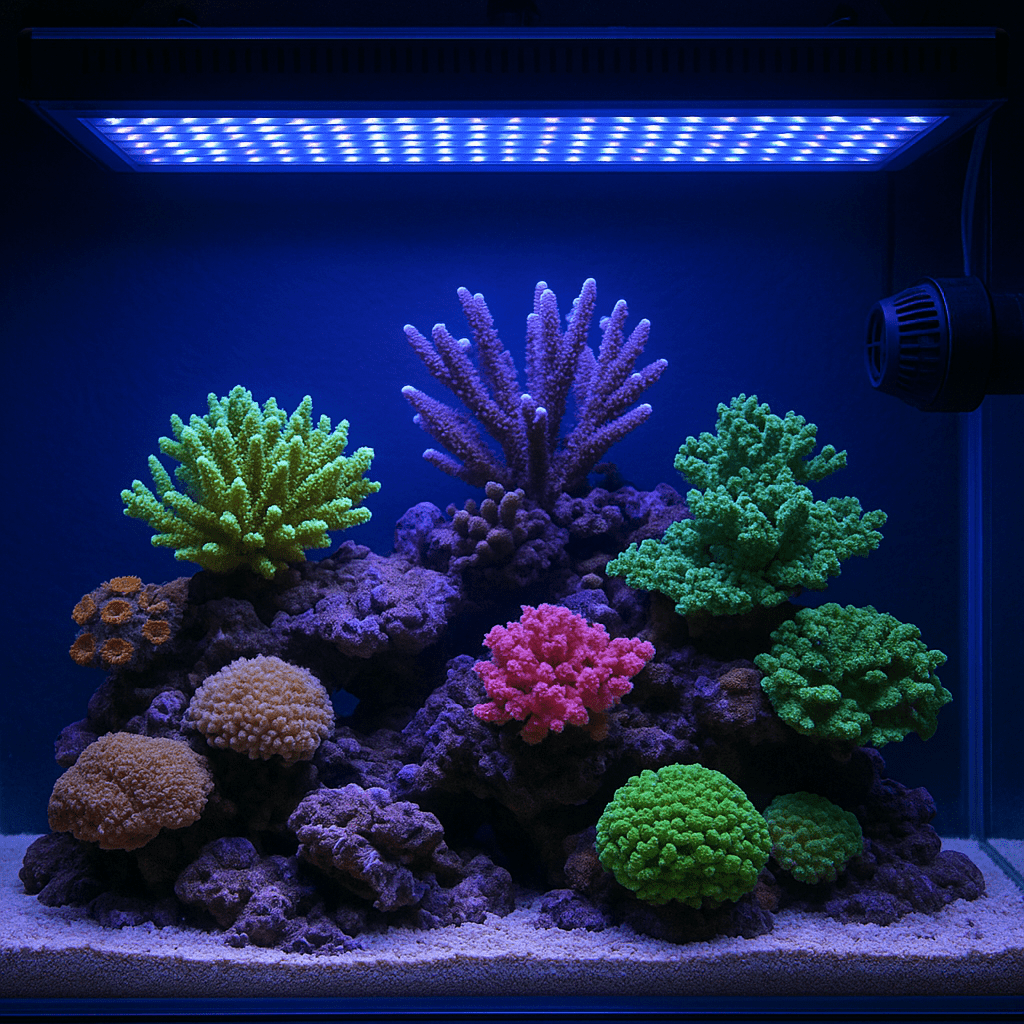
Choosing the right return pump size is simple when you match flow rate, head height, and overflow capacity. Most reef tanks do best with moderate sump turnover, not maximum pump power. A properly sized return pump improves filtration, reduces noise, and keeps your system stable.
Your return pump is the heart of your sump system. It moves water from the sump back to the display tank. Many beginners buy a pump that is too strong. Others choose one that is too weak. Both mistakes create problems. In this guide, you will learn how to calculate return pump size, estimate head loss, match the pump to your overflow, and fine-tune flow for a quiet reef tank. I will also cover common mistakes, useful examples, and practical tips that work well for beginner and intermediate reef keepers.
Quick Reference Table
| Tank Size | Typical Sump Turnover | Target Return Flow | Common Pump Range |
|---|---|---|---|
| 20–40 gallons | 4–6x per hour | 80–240 GPH | 250–500 GPH pump |
| 40–75 gallons | 4–6x per hour | 160–450 GPH | 500–800 GPH pump |
| 75–120 gallons | 3–5x per hour | 225–600 GPH | 700–1200 GPH pump |
| 120–180 gallons | 3–5x per hour | 360–900 GPH | 1000–1800 GPH pump |
These ranges are starting points. Final pump choice depends on plumbing, vertical lift, elbows, manifolds, and your overflow rating.
What Return Pump Size Actually Means
Return pump size usually refers to flow rate. This is measured in gallons per hour, or GPH. The number on the box can be misleading. It often shows flow at zero head. That means no vertical lift and no plumbing resistance. Real reef tanks never run at zero head.
Your actual flow will always be lower. Water must travel upward from the sump. It also moves through pipe, fittings, valves, and nozzles. Every part adds resistance. This is called head loss. That is why a pump rated at 800 GPH may deliver only 500 GPH in a real setup.
Return flow is not the same as total tank circulation. Corals need strong water movement. But that job belongs mostly to wavemakers and powerheads. The return pump only needs to move enough water through the sump for filtration, heating, and skimming. Many hobbyists oversize return pumps because they confuse sump turnover with in-tank flow.
How Much Return Flow Does a Reef Tank Need?
Most reef tanks do best with 3 to 6 times display volume per hour through the sump. That range works for most systems. It keeps filtration active without creating excess noise or microbubbles. It also gives your overflow and skimmer a better chance to work efficiently.
For example, a 75-gallon reef tank usually needs about 225 to 450 GPH of real return flow. A 120-gallon tank often runs well at 360 to 600 GPH. You do not need 10 times turnover through the sump. That old advice causes more problems than benefits in modern reef systems.
If you run a refugium, roller mat, or UV sterilizer, your exact target may change slightly. Still, moderate turnover remains the safest baseline. Strong display flow should come from dedicated circulation pumps. If you want help dialing in total water movement, read these related guides: reef tank flow guide, how to set up a sump, protein skimmer sizing, and reef tank plumbing basics.
Step-by-Step: How to Choose a Return Pump Size
Step 1: Find your target sump turnover
Start with display tank volume. Multiply that number by 3 to 6. A 50-gallon tank needs roughly 150 to 300 GPH. A 90-gallon tank needs roughly 270 to 540 GPH. This gives you a realistic target.
Step 2: Measure head height
Measure from the return pump outlet to the point where water re-enters the display. This is your vertical lift. Most home reef systems have 4 to 6 feet of head height. Basement sumps can be much higher.
Step 3: Account for plumbing losses
Every elbow, union, valve, and nozzle reduces flow. Flexible tubing usually creates less resistance than many hard turns. A manifold also reduces available return flow. If your plumbing is simple, estimate modest loss. If it is complex, expect a bigger drop.
Step 4: Check the pump curve
This is the most important step. A pump curve shows expected flow at different head heights. Look for the flow rate at your actual head height. Ignore the maximum flow listed on the front of the box. That number is rarely useful by itself.
Step 5: Match the pump to your overflow
Your overflow must safely handle the real return flow. Never choose a pump that can overwhelm it. If your overflow is rated for 600 GPH, do not plan for 700 GPH through the display. Ratings can also be optimistic, so leave some margin.
Step 6: Choose controllable when possible
DC return pumps are very popular for a reason. They are adjustable, efficient, and often quieter. Fine tuning is much easier. AC pumps still work well, but they are less flexible. A controllable pump gives you room to adapt later.
Example Return Pump Sizing
Let’s use a common example. Imagine a 75-gallon reef tank with a sump below the stand. The reefer wants 5x turnover. That means a target of about 375 GPH. The vertical lift is 5 feet. The plumbing includes two elbows, a union, and a return nozzle.
In that setup, a pump rated around 700 to 900 GPH at zero head may deliver close to the target after losses. The exact answer depends on the pump curve. One model may deliver 390 GPH at 5 feet. Another may deliver 520 GPH. That difference matters.
Now imagine the same tank with a manifold feeding a media reactor and UV sterilizer. The return pump must do more work. In that case, moving up one pump size often makes sense. A controllable DC pump is especially useful here because you can tune flow without replacing the pump.
Aquarium Setup Considerations
Tank design affects return pump choice. All-in-one tanks often use smaller pumps because head height is low. Standard reef tanks with under-stand sumps need more power. Basement sumps need much more. Always size the pump for the actual layout, not just the tank volume.
Aquascaping also matters indirectly. Dense rockwork can reduce visible surface movement from return nozzles. That does not mean you need a bigger return pump. It usually means you need better placement of powerheads. Keep the return pump focused on sump turnover.
If you split your return line into two outlets, flow from each nozzle will be lower. That is normal. The total system flow matters more than nozzle force. Use loc-line or adjustable nozzles to direct flow where you want it. Avoid trying to replace wavemakers with return pressure.
Why Oversizing a Return Pump Causes Problems
Bigger is not always better. An oversized return pump can create loud overflow noise. It can cause microbubbles in the display. It may also reduce sump efficiency by pushing water through too quickly. Some skimmers perform worse when water level and contact time become unstable.
Excess flow can also increase power use and heat. In smaller tanks, this matters a lot. If you throttle back a large AC pump with a valve, you may still waste energy. A correctly sized DC pump is often the cleaner solution.
Strong return flow can make filter socks clog faster. It can stir up detritus in the sump. It may also create salt spray around the overflow and return outlets. Most reef tanks become quieter and easier to manage when return flow is moderate.
Common Problems
My return pump seems too weak
First, check for clogged plumbing. Dirty pump impellers reduce flow fast. Salt creep can restrict nozzles. Filter socks can also back up water flow in some sump designs. Next, confirm your head height and compare it to the pump curve. Many weak-flow complaints come from choosing a pump based only on box rating.
My overflow is too loud
This often means the pump is pushing too much water. Reduce flow if your pump is controllable. If not, install a valve on the return line, not the drain. Also check standpipe tuning and sump water level. Loud overflows are usually a flow balance issue.
I have microbubbles in the display
Too much return flow is a common cause. Water moves through the sump too fast and carries bubbles back to the tank. Lower the pump speed. Check for leaks on the intake side. Make sure the skimmer outlet is not blasting bubbles toward the return chamber.
The pump is noisy or vibrating
Clean the pump first. Calcium buildup can make impellers rattle. Place the pump on a silicone or rubber mat. Check that plumbing is not pulling the pump sideways. Hard plumbing can transmit vibration into the stand. Short soft tubing sections often help.
My sump runs low in the return chamber
This may be evaporation, not pump size. The return section is where water level drops first. Use an auto top off system if possible. If the chamber still runs too low, your sump design may be too small for the chosen flow and evaporation rate.
DC vs AC Return Pumps
DC pumps are the top choice for many reef keepers. They are adjustable. They are usually quieter. They often use less power. They also make feeding mode and maintenance easier. For most modern reef systems, a quality DC return pump is worth serious consideration.
AC pumps still have strengths. Many are durable and simple. Some run for years with basic cleaning. They can be a good choice for budget builds or utility systems. The downside is lower flexibility. Fine tuning often requires a valve, and noise can be higher.
If you are unsure, choose a reliable DC pump from a known reef brand. Buy based on real flow at your head height. Leave some adjustment room. Avoid buying the biggest model just because you can turn it down.
Frequently Asked Questions
How many times per hour should water go through a sump?
Most reef tanks do well at 3 to 6 times display volume per hour. This is a practical target for quiet and efficient filtration.
Can a return pump be too strong?
Yes. Too much flow can overwhelm the overflow, create noise, and cause microbubbles. It can also reduce sump efficiency.
Should I use the return pump for coral flow?
No. Use powerheads or wavemakers for coral flow. The return pump should mainly handle sump turnover and filtration support.
What is head height on a return pump?
Head height is the vertical distance the pump must push water upward. Plumbing resistance adds more effective head loss.
Is a DC return pump better for beginners?
Usually, yes. DC pumps are easier to adjust and often quieter. They make it easier to fine tune a new sump system.
Final Tips for Choosing the Right Return Pump
Start with moderate turnover. Measure real head height. Check the pump curve carefully. Match the pump to your overflow and plumbing. If possible, choose a controllable model. Your reef will usually run better with balanced flow than with maximum flow.
If you remember one rule, make it this: size your return pump for actual delivered flow, not the number on the box. That simple habit prevents many common sump problems. It also makes your reef tank quieter, safer, and easier to maintain over time.
Was this helpful?
Related Posts
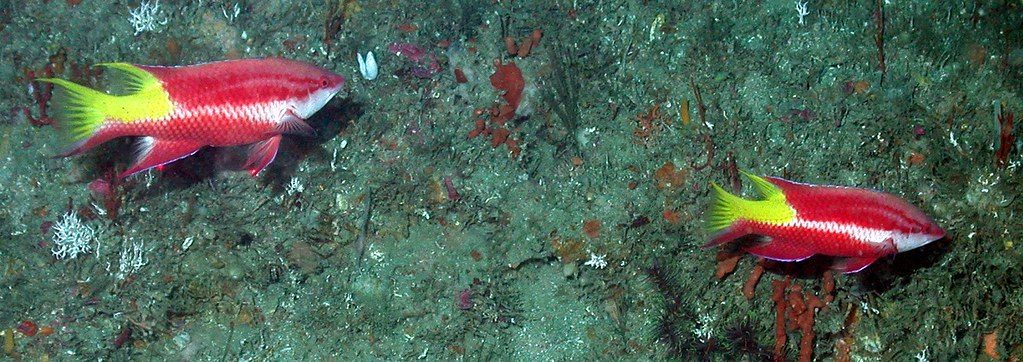
Cuban Hogfish (bodianus Pulchellus)
Cuban Hogfish care is straightforward in larger reef tanks. Learn tank size, diet, compatibility, and reef safety before…
 By
ByWhat to Do During a Power Outage
A reef tank power outage demands fast action. Protect oxygen, temperature, and circulation first to keep fish and…
 By
By[favorite_button]
My Bookmarks:
To see full list click here
[user_favorites user_id="" include_links="true" site_id="" post_types="" include_thumbnails="true" thumbnail_size="thumbnail" include_excerpt="false"]