Aiptasia can overrun a reef tank fast. The best long-term fix combines manual control, targeted treatments, and natural predators. Stable nutrients, careful feeding, and early removal stop small outbreaks from becoming a tank-wide problem.
Many reef keepers battle Aiptasia at some point. These pest anemones sting nearby corals and spread quickly. One missed polyp can become dozens within weeks. The good news is that you can beat them. This guide explains what Aiptasia is, why it spreads, and how to remove it without making the problem worse. You will learn which methods work best, when to use shrimp or filefish, and how to build a prevention plan that keeps your reef cleaner over time.
Quick Reference Table
| Topic | Best Practice |
|---|---|
| What Aiptasia is | A fast-spreading pest anemone with a strong sting |
| Main risk | Coral irritation, tissue damage, and rapid spread |
| Best early action | Treat single polyps as soon as you see them |
| Manual treatment | Use kalk paste or commercial Aiptasia products carefully |
| Biological control | Peppermint shrimp, Berghia nudibranchs, or filefish |
| Common mistake | Scraping or tearing them without full removal |
| Prevention | Inspect new frags and quarantine live rock |
What Is Aiptasia and Why Is It So Hard to Eliminate?
Aiptasia is a small glass anemone. It often enters reef tanks on live rock, frag plugs, or coral bases. At first, it may look harmless. That is why many hobbyists ignore the first one. This is usually a mistake.
Aiptasia reproduces very efficiently. It can spread by pedal laceration and tissue fragments. That means a damaged anemone may create more anemones. This is why rough removal often backfires. If you scrape one off the rock, pieces may remain behind. Those pieces can regrow.
They also thrive in many reef conditions. Moderate nutrients, regular feeding, and strong lighting can all support growth. Aiptasia adapts well. It can live in low light, high light, high flow, or sheltered areas. It stings nearby corals and can crowd out prized frags. In mixed reefs, it often appears between zoanthids, around acan colonies, and under overhangs. Fast action matters most. One polyp is easy. Fifty are not.
How Aiptasia Gets Into Reef Tanks
Most outbreaks begin with a hitchhiker. The usual source is a new coral frag. Tiny Aiptasia often hides on the underside of the plug. It may also sit inside a crevice in the frag base. Live rock is another common source. So are macroalgae clumps and used equipment with encrusted debris.
Quarantine prevents many outbreaks. A simple frag observation tank helps a lot. Inspect plugs with a flashlight. Look for translucent brown polyps with thin tentacles. They often retract quickly when disturbed. Dip solutions do not always kill Aiptasia. Dips help with pests, but they are not a complete answer here.
It also helps to remove frag plugs when possible. Mount the coral to a clean plug or rock. This reduces hidden hitchhikers. If you buy from local hobbyists, inspect even more carefully. Home systems may be healthy but still contain pest anemones. Prevention is easier than eradication. That rule applies to almost every reef pest.
Step-by-Step Plan to Eliminate Aiptasia
The best approach depends on the size of the outbreak. A few visible polyps need a different plan than a tank full of them. Follow this order for the best results.
- Identify every visible Aiptasia in the tank. Check overflow boxes, sump walls, frag racks, and shaded rockwork.
- Decide whether the outbreak is light, moderate, or severe. This guides your treatment choice.
- For one to ten polyps, use targeted manual treatment first. Turn off flow before applying any paste or product.
- For larger outbreaks, combine spot treatment with biological control. This gives better long-term coverage.
- Do not scrape, crush, or rip them off the rock. Partial damage often spreads the problem.
- Wait and observe for several days. Retreatment is often needed because tiny hidden polyps survive.
- Reduce overfeeding and inspect all new additions. This limits future spread.
Patience matters here. There is no true one-day cure for every tank. The goal is complete control, then prevention. Most successful reef keepers use layered methods, not one magic fix.
Manual Aiptasia Removal Methods
Manual treatment works best for small outbreaks. It is also useful for large visible polyps that threaten corals. The most common tools are kalkwasser paste and commercial Aiptasia products. Both can work well when applied carefully.
Turn off return pumps and powerheads first. This prevents the treatment from blowing away. Use a syringe or applicator tip. Gently cover the oral disc and tentacles. Do not jab the anemone hard. That can make it retract before enough product lands. Let the paste sit for several minutes. Then restore flow slowly.
Use restraint with kalk paste. Too much can spike local pH and irritate nearby tissue. Avoid treating many large Aiptasia at once in small tanks. If one sits under a coral, remove the frag if possible and treat outside the display. Some hobbyists use lemon juice or boiling water. These methods are less reliable and risk spreading tissue. For most reef tanks, purpose-made products or kalk paste are safer choices.
Best Natural Predators for Aiptasia
Biological control is often the key to long-term success. It reaches hidden Aiptasia that manual treatment misses. Still, predator choice depends on your tank and livestock.
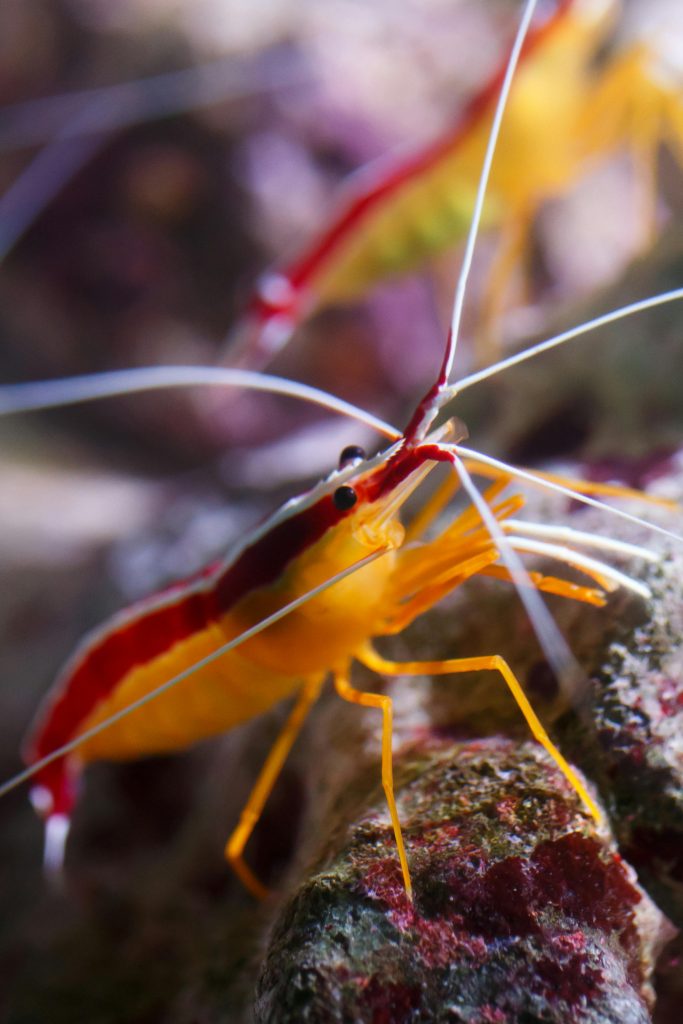
Peppermint shrimp are a popular option. True peppermint shrimp may eat small Aiptasia very well. Misidentified species often do not. Larger established anemones may also be ignored. Shrimp can pick at some corals if underfed, so monitor them.
Berghia nudibranchs are highly specialized Aiptasia hunters. They eat Aiptasia and little else. This makes them very reef safe. They work best in tanks with enough pest anemones to sustain them. Wrasses and some other fish may eat them, which limits success.
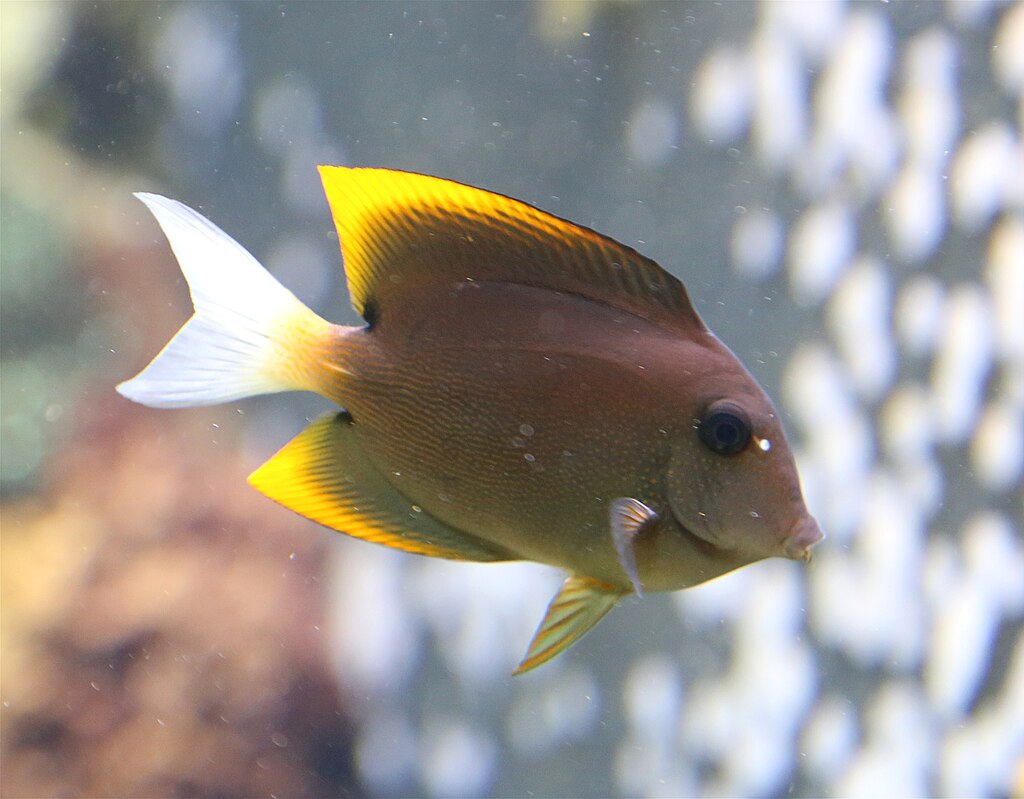
Aiptasia-eating filefish can be excellent. Some individuals clear tanks quickly. Others ignore the pest. Some may nip soft corals, zoanthids, or LPS. They are best for keepers who can accept some risk. In many systems, Berghia offers the cleanest solution. Peppermint shrimp are often the cheapest. Filefish can be the fastest when they cooperate.
Aquarium Conditions That Help Prevent Aiptasia Spread
Aiptasia is not caused by one bad parameter. Still, certain tank habits help it multiply. Heavy feeding is a big one. Excess nutrients support many nuisance organisms, including pest anemones. Feed fish enough, but avoid constant leftovers.
Good maintenance helps. Clean detritus traps. Service the sump. Remove uneaten food. Keep nitrate and phosphate in a reasonable range. Do not chase ultra-low nutrients if your corals dislike it. Stability matters more than extreme numbers. Healthy corals also compete better for space.
Aquascape access matters too. If your rockwork has many sealed dead zones, pests hide easily. Open structures make inspection simpler. Frag racks and overflow boxes deserve regular checks. New Aiptasia often appears there first. A monthly flashlight inspection can save months of work later. Prevention is not glamorous, but it is what keeps small flare-ups from becoming major infestations.
Common Problems
Why does Aiptasia keep coming back after treatment?
This usually means some tissue survived. Hidden juveniles may also remain in cracks. Spot treatment kills what you see, not always what you cannot see. Retreat after several days. Then add a biological control if the tank allows it.
Why did my outbreak get worse after I tried to remove it?
Scraping, tearing, or blasting Aiptasia can spread fragments. Those fragments may regrow into new polyps. Use targeted application instead. Avoid aggressive physical removal inside the display whenever possible.
Why are my peppermint shrimp not eating Aiptasia?
You may have the wrong species. The shrimp may also be too well fed. Very large Aiptasia can intimidate them. Try spot-treating the biggest polyps first. Then let the shrimp handle the smaller ones.
Can Aiptasia kill coral?
Yes, especially small frags and sensitive tissue near the sting zone. Repeated contact causes retraction, tissue loss, and poor growth. Remove Aiptasia near expensive corals as soon as possible.
Is one method enough for severe infestations?
Usually not. Heavy outbreaks need a combined strategy. Spot-treat the largest visible pests. Then use Berghia, peppermint shrimp, or filefish for hidden survivors. Follow with strict prevention.
Frequently Asked Questions
What is the fastest way to kill Aiptasia?
Targeted paste treatments are usually the fastest for visible polyps. They work best on small outbreaks. For long-term success, pair them with a natural predator.
Are Berghia nudibranchs worth it?
Yes, in the right tank. They are very reef safe and highly effective. They work slowly, though. Protect them from wrasses and other predators.
Can I prevent Aiptasia completely?
You can reduce the risk a lot. Inspect all new coral, remove risky frag plugs, and quarantine when possible. Early detection is your best defense.
Will Aiptasia go away on its own?
Rarely. In most reef tanks, it spreads over time. Waiting usually makes removal harder and more expensive later.
Should I remove the whole rock?
If the rock is removable and heavily infested, that can help. External treatment is often easier and cleaner. In established aquascapes, in-tank control is usually more practical.
Final Tips for Beating Aiptasia for Good
If you want to deal with Aiptasia once and for all, act early and stay consistent. Do not trust a single treatment to solve every case. Match the method to the outbreak size. Use manual control for isolated pests. Use biological control for hidden spread. Keep nutrients stable and avoid overfeeding. Most of all, inspect every new coral before it reaches your display.
The best reef tanks are built on routine. Five minutes of inspection can prevent months of frustration. If you need help with overall pest prevention, read our guides on coral dips for beginners, reef tank quarantine basics, managing nitrate and phosphate, and choosing cleanup crew invertebrates. You can also explore our article on common reef tank pests for a broader prevention plan.
Was this helpful?
Related Posts
What to Do During a Power Outage
A reef tank power outage demands fast action. Protect oxygen, temperature, and circulation first to keep fish and…
 By
By
What is Zooxanthellae, and What Role Does it Play in Coral Survival?
Zooxanthellae are symbiotic algae that power coral growth through photosynthesis. They are essential to coral color, health, and…
 By
By