

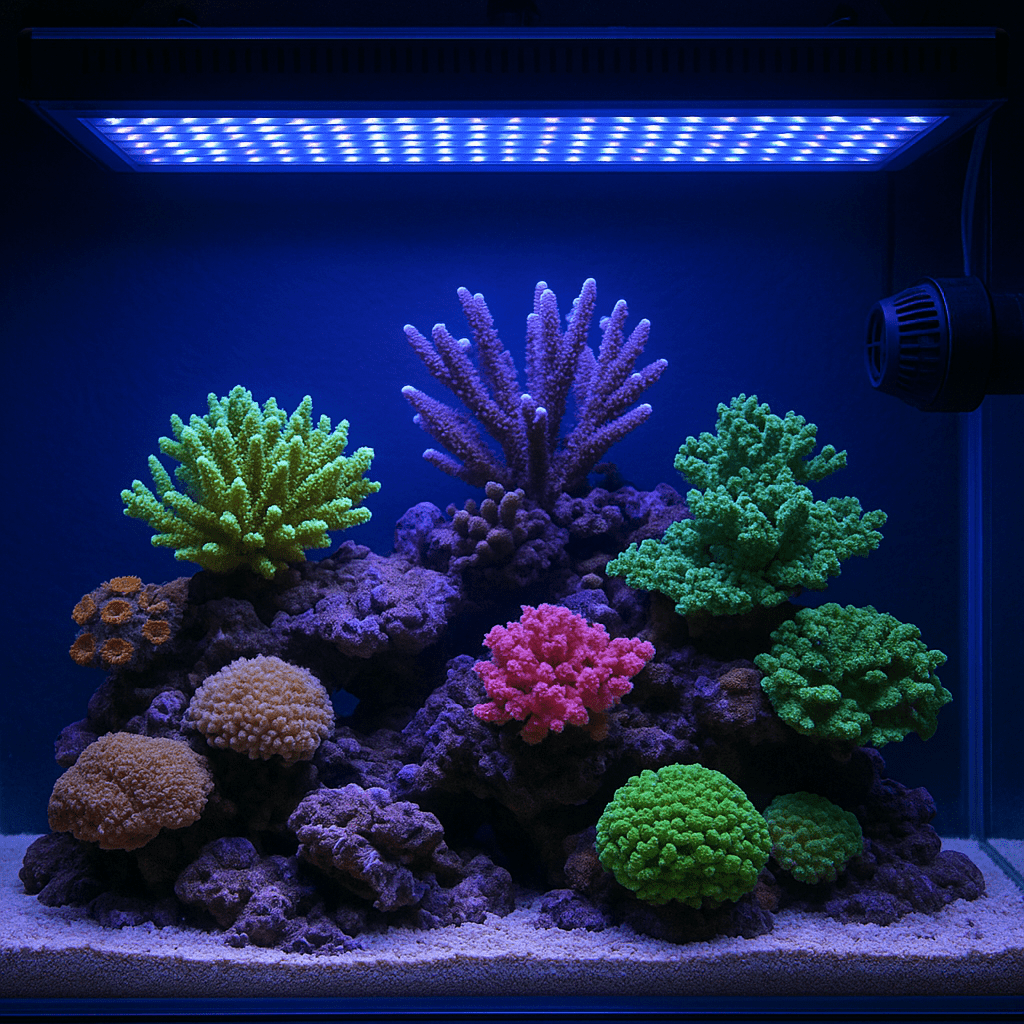
Reef tank calcium supports coral skeleton growth, coralline algae, and overall reef stability. Most mixed reefs do best when calcium stays between 400 and 450 ppm, with alkalinity and magnesium kept stable alongside it.
Many reef keepers test calcium often but still struggle with slow coral growth, white buildup on equipment, or numbers that never seem to hold. That usually happens because calcium never works alone. It interacts with alkalinity, magnesium, pH, and daily coral demand. In this guide, you will learn what calcium does, the ideal range for reef tanks, how to raise or lower it safely, and how to keep it stable long term. You will also learn which supplements work best and how to troubleshoot common calcium problems before they hurt your corals.
Quick Reference Table
| Parameter | Recommended Range | Notes |
|---|---|---|
| Calcium | 400–450 ppm | Natural seawater is about 420 ppm |
| Alkalinity | 7–9 dKH | Keep stable with calcium |
| Magnesium | 1250–1400 ppm | Helps prevent calcium instability |
| pH | 7.8–8.4 | Large swings can affect calcification |
| Testing Frequency | 1–3 times weekly | More often in SPS-heavy tanks |
| Common Supplements | 2-part, kalkwasser, calcium reactor | Choose based on tank demand |
What Calcium Does in a Reef Tank
Calcium is one of the core building blocks of a reef aquarium. Stony corals use it to build rigid skeletons. Coralline algae also consumes it steadily. Clams, tube worms, and other calcifying animals use it too. If calcium drops too low, growth slows down. Coral tips may stop extending. Encrusting corals can stall for weeks.
Calcium matters most in tanks with SPS, LPS, clams, and heavy coralline coverage. Soft coral tanks use less, but they still benefit from stable chemistry. The key word is stable. Chasing a perfect number often causes more harm than running a slightly imperfect one. A tank at 410 ppm every day is better than a tank swinging from 360 to 480 ppm each week.
Calcium also works in balance with alkalinity and magnesium. If one drifts, the others often follow. That is why reef keepers should think in terms of overall ionic balance, not just a single test result.
Ideal Calcium Range for Reef Aquariums
The best calcium range for most reef tanks is 400 to 450 ppm. That range closely matches natural seawater. It also gives corals enough available calcium for healthy growth. Some successful tanks run a little lower or higher. Still, stability matters more than squeezing into a narrow target.
If calcium falls below 380 ppm, fast-growing stony corals often show slower growth first. You may notice reduced polyp extension or duller coloration over time. If calcium rises much above 500 ppm, you increase the risk of precipitation. That means calcium and carbonate can fall out of solution. When this happens, pumps and heaters may develop hard white deposits. Alkalinity can also drop unexpectedly.
For most hobbyists, 420 ppm is an easy target. It is familiar, safe, and easy to maintain with common supplements. If your tank stays between 400 and 450 ppm, and your corals look healthy, you are in a good place.
How Calcium, Alkalinity, and Magnesium Work Together
This is where many reef keepers get stuck. Calcium does not act alone. Corals combine calcium with carbonate to form calcium carbonate skeletons. Alkalinity supplies the carbonate side of that process. Magnesium helps keep calcium and alkalinity dissolved in the water. Without enough magnesium, maintaining both becomes harder.
If you keep adding calcium while ignoring alkalinity, coral growth still suffers. If you push alkalinity too high with weak calcium, results can also be poor. When magnesium is low, calcium may refuse to stay in range. You dose it, test again later, and it seems gone. In reality, the chemistry is out of balance.
A good starting point is calcium at 420 ppm, alkalinity at 8 dKH, and magnesium around 1350 ppm. Those numbers do not need to be exact. They just need to remain consistent. Stable chemistry supports healthy calcification better than aggressive corrections.
Natural Sources and Consumption in the Aquarium
In nature, reefs sit in calcium-rich seawater. Ocean water remains chemically stable because of its huge volume and constant exchange. A home reef tank is very different. It is a closed system with limited water volume. Corals, coralline algae, and invertebrates pull calcium out daily. That means your tank can shift fast, especially as colonies grow.
New tanks often use very little calcium. A few frags and some soft corals create low demand. Mature SPS tanks can consume surprising amounts each day. Heavy coralline algae growth on glass and rocks also adds to that demand. This is why a dosing method that worked six months ago may no longer keep up.
Regular water changes help replace some calcium. In low-demand tanks, that may be enough. In growing reef systems, water changes usually become a supplement, not a complete solution. Testing your actual daily consumption is the best way to build a stable routine.
How to Test Reef Tank Calcium
Use a reliable calcium test kit or digital tester. Follow the instructions exactly. Small mistakes can create large reading errors. Rinse vials with tank water first. Use good lighting when reading color changes. Test at the same time of day when possible.
For a new reef tank, test calcium two or three times each week. For tanks with heavy stony coral growth, daily testing may help while you dial in dosing. Once your tank is stable, weekly testing is often enough. Still, test more often after adding many new corals, changing salt brands, or adjusting your dosing schedule.
Always compare calcium results with alkalinity and magnesium. A calcium number by itself tells only part of the story. If one result looks strange, test again before making a big correction. Bad test technique causes many unnecessary dosing mistakes.
How to Raise Calcium Safely
If calcium is low, raise it slowly. Use a trusted calcium chloride supplement or a balanced dosing system. Avoid large corrections in one shot. A safe rule is to increase calcium by no more than 20 to 30 ppm per day. Fast changes can stress corals and destabilize alkalinity.
First, confirm the result with a second test. Next, check magnesium. If magnesium is low, fix that first or at the same time. Then calculate the dose based on actual water volume, not tank size on the label. Rock, sand, and equipment reduce water volume more than many hobbyists expect.
Add the supplement in a high-flow area of the sump or display. Wait several hours before retesting. Never mix calcium and alkalinity supplements together before dosing. They can precipitate instantly. If your tank repeatedly drops calcium, you likely need a daily maintenance method instead of occasional corrections.
Best Ways to Maintain Calcium Long Term
There are three common ways to maintain calcium in a reef tank. The first is two-part dosing. This method adds calcium and alkalinity separately in balanced amounts. It is simple, flexible, and great for most beginner and intermediate tanks. Dosing pumps make it even easier.
The second option is kalkwasser. This adds calcium and alkalinity together through top-off water. It works well for tanks with moderate demand. It also helps support pH. However, it must be dosed carefully. Too much too fast can spike pH and stress livestock.
The third option is a calcium reactor. This is best for larger tanks or systems packed with SPS corals. It dissolves reactor media using carbon dioxide. That releases calcium, alkalinity, and trace elements. It is powerful and efficient, but more complex to tune.
Choose the method that matches your tank’s demand and your comfort level. The best system is the one you can run consistently.
Step-by-Step: Find Your Tank’s Daily Calcium Demand
Start with a water change if your parameters are far off. Then bring calcium, alkalinity, and magnesium into your target range. Stop calcium dosing for 24 hours if livestock health allows. Test calcium at the same time on day one and day two. The difference shows your approximate daily consumption.
Repeat that process over several days for a better average. Then divide your total daily supplement dose into small additions. Automated dosing pumps work best for this. Smaller doses reduce swings. They also improve coral response. Recheck calcium and alkalinity after a few days. Adjust the dose slowly until your numbers hold steady.
As your corals grow, demand will increase. Recheck consumption every month or two. Also test after adding many new frags. This simple routine prevents most calcium instability issues before they become visible problems.
Common Problems
Why does my calcium keep dropping?
The most common cause is normal coral and coralline algae consumption. The second common cause is underdosing. Your tank may have outgrown your old schedule. Test over several days to confirm actual demand. Also check magnesium. Low magnesium can make calcium harder to maintain.
Why is my calcium high but alkalinity low?
This usually happens when calcium is dosed separately without enough alkalinity support. Corals need both. A bad salt mix batch or testing error can also cause confusion. Retest both parameters. Then correct alkalinity slowly. Do not keep raising calcium if it is already in range.
What is the white crust on my heater and pumps?
That is often calcium carbonate precipitation. It happens when calcium and alkalinity are both pushed too hard, especially with high pH. Dose smaller amounts. Space calcium and alkalinity additions apart. Improve flow where supplements enter the system. Review your pH and magnesium levels too.
Can low calcium kill corals?
Low calcium usually harms corals through slow decline, not sudden death. Growth stalls first. Tissue recession may follow if other parameters are unstable too. The bigger danger is often the rapid correction, not the low number itself. Fix it gradually and keep the rest of the chemistry stable.
Compatibility With Corals and Invertebrates
Nearly every reef tank benefits from stable calcium, but some animals depend on it more than others. SPS corals need consistent calcium because they build dense skeletons quickly. LPS corals also use a lot, though often at a slower pace. Tridacna clams are heavy consumers as well. Coralline algae can be a hidden drain in mature systems.
Soft corals and most fish do not directly consume much calcium. Still, they benefit from overall chemical stability. A tank with stable calcium usually has better-managed alkalinity and magnesium too. That creates a healthier environment for all livestock. If you keep a mixed reef, dose for the needs of your calcifying animals while avoiding sudden swings that stress everything else.
Frequently Asked Questions
What is the best calcium level for a reef tank?
For most reef tanks, 400 to 450 ppm is ideal. Around 420 ppm is a practical target.
How often should I test calcium in a reef tank?
Test one to three times weekly in most tanks. Test more often when adjusting dosing or keeping many SPS corals.
Can water changes maintain calcium by themselves?
Sometimes, yes, in low-demand tanks. Most growing reef tanks eventually need dosing in addition to water changes.
Is 500 ppm calcium too high?
It is higher than needed. It may not cause immediate harm, but it increases precipitation risk. Let it fall naturally if alkalinity is stable.
Should I dose calcium and alkalinity at the same time?
No. Dose them separately and in different high-flow areas or at different times. This helps prevent precipitation.
Final Tips for Stable Reef Tank Calcium
Successful reef keeping is rarely about chasing one perfect number. It is about consistency. Keep calcium in the 400 to 450 ppm range. Match it with stable alkalinity and magnesium. Test regularly. Dose slowly. Recalculate demand as your reef grows.
If you build a stable routine, coral growth becomes much easier to predict. Problems also become easier to diagnose. For more help with reef chemistry, see our guides on reef tank alkalinity, reef tank magnesium, how to mix saltwater, and reef tank water parameters.
Internal links: reef tank alkalinity, reef tank magnesium, how to mix saltwater, reef tank water parameters
Was this helpful?
Related Posts
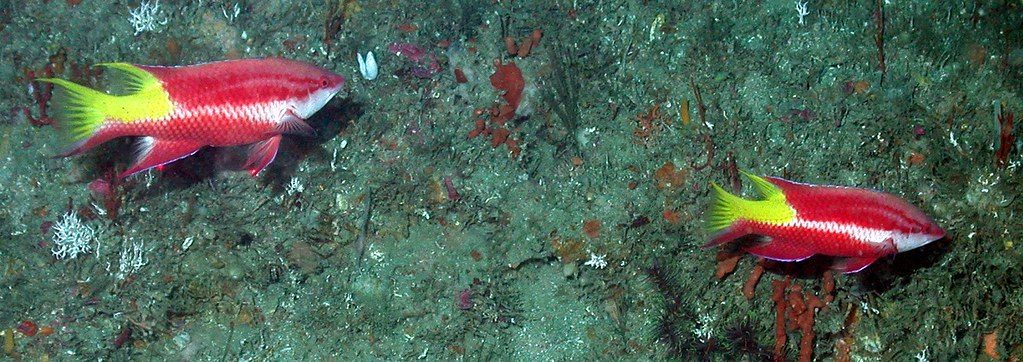
Cuban Hogfish (bodianus Pulchellus)
Cuban Hogfish care is straightforward in larger reef tanks. Learn tank size, diet, compatibility, and reef safety before…
 By
ByWhat to Do During a Power Outage
A reef tank power outage demands fast action. Protect oxygen, temperature, and circulation first to keep fish and…
 By
By[favorite_button]
My Bookmarks:
To see full list click here
[user_favorites user_id="" include_links="true" site_id="" post_types="" include_thumbnails="true" thumbnail_size="thumbnail" include_excerpt="false"]