

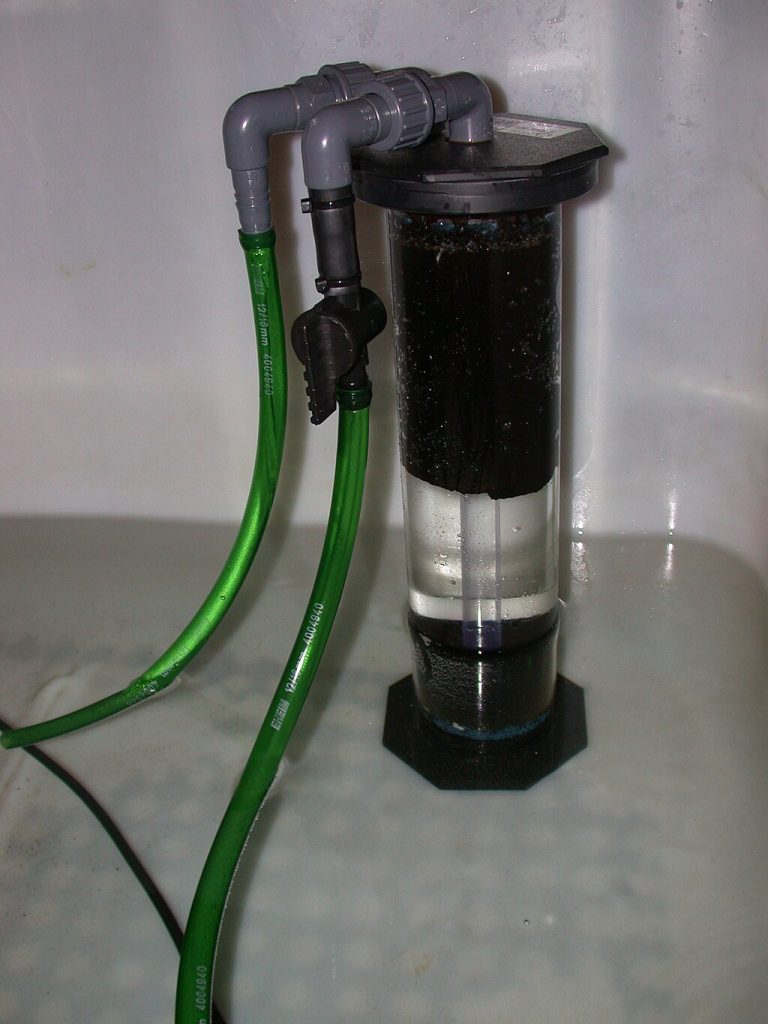
A media reactor improves water quality by pushing aquarium water through filtration media in a controlled way. Reef keepers use reactors for carbon, GFO, biopellets, and specialty resins. When set up correctly, a reactor keeps the tank clearer, lowers nutrients, and makes media work more efficiently than a simple filter bag.
Many reef hobbyists buy a media reactor before they fully understand how to use it. That often leads to common mistakes. Media may tumble too hard. Flow may be too weak. Fine dust may enter the display. Corals can also react badly if nutrient reduction happens too fast. This guide explains what a media reactor does, how to choose the right media, how to set it up, and how to avoid the most common problems. If you want cleaner water and more stable reef conditions, a reactor can become one of the most useful tools on your system.
Media Reactor Quick Reference
| Use | Best Media | Flow Goal | Main Benefit |
| Water clarity | Activated carbon | Gentle to moderate | Removes yellowing compounds and toxins |
| Phosphate control | GFO | Very gentle tumble | Lowers phosphate |
| Nitrate support | Biopellets | Strong tumble | Supports bacterial nutrient export |
| Targeted chemical removal | Resins and specialty media | Media dependent | Removes specific contaminants |
| Best placement | Sump or rear chamber | Stable feed pump | Easy maintenance and safe operation |
Use this table as a starting point. Always check the media manufacturer’s instructions before adding anything to your reef tank.
What a Media Reactor Does
A media reactor is a canister or chamber that holds filtration media. A small pump feeds water into the reactor. The water then passes through the media before returning to the sump or display. This controlled contact improves efficiency. It also prevents channeling, which happens when water bypasses much of the media in a bag.
Reactors are popular because they make chemical filtration more predictable. Carbon removes dissolved organics and coral toxins. GFO binds phosphate. Biopellets provide a surface and carbon source for bacteria. Some reef keepers also run mixed media, though this is not always ideal. Different media often need different flow rates. Running them together can reduce performance. A reactor does not replace water changes, skimming, or good husbandry. It supports them. Think of it as a precision tool for specific water quality goals.
When You Should Use a Media Reactor
You should use a media reactor when you want more control than a filter bag can offer. Carbon is a common first choice. It helps when water looks yellow, smells stale, or contains soft coral toxins. GFO is useful when phosphate stays elevated despite regular maintenance. Biopellets can help tanks with persistent nitrate issues, though they require more care and patience.
Not every tank needs a reactor at all times. A new reef with low nutrients may not need GFO. A mixed reef with stable water may only need carbon part time. Reactors work best when used for a clear purpose. Test your water first. Then choose media based on the problem you want to solve. Avoid adding a reactor just because other hobbyists use one. In reef keeping, unnecessary equipment can create instability as easily as it solves problems.
Choosing the Right Media for Your Goal
Start with one goal. Do not try to fix everything at once. If your water is cloudy or yellow, choose activated carbon. If phosphate is high, choose GFO. If nitrate remains high and you understand bacterial nutrient export, consider biopellets. Specialty resins can target silicates, ammonia, or metals, but these are less common in established reefs.
Activated carbon usually needs a gentle to moderate flow. Too much flow can grind it down. GFO needs a very light tumble. The top layer should barely move. If it churns hard, it can turn to dust and irritate corals. Biopellets need more aggressive motion. The pellets should tumble enough to avoid clumping. Always rinse media before use unless the instructions say otherwise. Start with less than the full dose on sensitive reefs. Sudden changes in water chemistry can stress fish and corals.
Aquarium Setup and Reactor Placement
Most reef keepers place a media reactor in the sump. This is the easiest and safest option. If the reactor leaks or overflows, the sump catches the water. Nano reef keepers often place small reactors in the rear chamber of an all-in-one tank. Either method works if access is easy and flow is stable.
Feed the reactor with a small pump or a manifold from your return line. A dedicated pump is simpler for beginners. It gives independent flow control and easier troubleshooting. Place the reactor where you can remove the canister without disassembling half the sump. That matters during maintenance. Keep tubing runs short when possible. Long tubing reduces flow and adds clutter. Secure all fittings tightly. Use valves to fine-tune flow. If the reactor returns water near the skimmer intake, that can improve export when using carbon or biopellets.
How to Set Up a Media Reactor Step by Step
- Choose the media based on a tested water quality issue.
- Read the reactor manual and the media instructions.
- Disassemble the reactor and rinse all parts.
- Add the correct sponges, screens, or plates.
- Measure the media. Start with a partial dose if needed.
- Rinse the media with RO/DI water or saltwater.
- Load the media into the chamber evenly.
- Reconnect the reactor and tubing.
- Place the output line into a bucket at first.
- Start the pump and slowly adjust flow.
- Flush cloudy water until it runs clear.
- Move the output line back to the sump.
- Recheck flow after ten minutes.
- Test phosphate or nitrate over the next several days.
This slow setup process prevents many problems. Never rush the first startup. Fine media dust can irritate fish gills and coral tissue. A quick flush protects the whole tank. Also label the installation date. That makes replacement schedules much easier to track.
Flow Rate: The Most Important Adjustment
Flow rate determines whether a media reactor works well or causes trouble. Carbon should have enough flow to move water through the media bed without violent tumbling. GFO should only shimmer at the surface. Biopellets should tumble continuously to prevent bacterial slime and dead spots.
If flow is too strong, media breaks down faster. Dust enters the system. Nutrients may fall too quickly. If flow is too weak, water channels around the media. That wastes reactor capacity. Use a valve on the feed line if possible. Make small adjustments. Then wait a few minutes before changing it again. Many hobbyists set flow once and never check it again. That is a mistake. Pumps clog over time. Media compacts. Sponges collect detritus. Recheck reactor movement during weekly maintenance.
Feeding, Nutrients, and Reactor Balance
A media reactor should support your nutrient strategy, not fight it. Reef tanks need balance. Corals do not thrive in dirty water, but they also struggle in water stripped too clean. If you run GFO aggressively while feeding lightly, phosphate can bottom out. That may lead to pale corals, slow growth, and instability. The same risk exists with carbon dosing or biopellets.
Feed fish consistently. Test nitrate and phosphate regularly. Then adjust reactor media slowly. In many mixed reefs, moderate nutrients are safer than ultra-low nutrients. If your corals have good color and algae is controlled, avoid chasing perfect numbers. Let the tank tell you what it needs. A reactor is a fine-tuning tool. It is not a substitute for proper feeding, export, and regular maintenance.
Compatibility With Reef Systems
Media reactors are compatible with most reef aquariums. They work well on soft coral tanks, LPS systems, SPS reefs, fish-only marine tanks, and nano aquariums. The key is matching the media to the livestock and current water chemistry. Carbon is especially useful in mixed reefs with leathers and other chemical warfare corals. It helps reduce dissolved toxins that can irritate nearby stony corals.
Be more cautious with aggressive phosphate removers in SPS tanks that already run lean. Sensitive Acropora may react poorly to rapid nutrient drops. Biopellets also need strong skimming and good oxygenation. They are less forgiving in small tanks. Invertebrates generally tolerate reactors well if media is rinsed properly and dust is kept out of the display. Always make changes gradually when the tank contains delicate corals, clams, or ornamental shrimp.
Common Problems
Why is my reactor media tumbling too much?
The feed pump is usually too strong. The valve may also be too open. Reduce flow until the media moves correctly. GFO should barely tumble. Carbon often should not tumble much at all. Too much motion grinds media into dust and shortens its life.
Why did my corals look worse after adding GFO?
Phosphate likely dropped too fast. Corals can react to sudden nutrient changes. Remove some media and test phosphate again. Next time, start with half the recommended amount. Increase slowly over one to two weeks.
Why is brown sludge building inside the reactor?
This often happens with weak flow, dirty sponges, or bacterial buildup. Clean the reactor body, tubing, and sponges. Check for clumped media. Increase flow only if the media type allows it.
Why is my reactor not lowering phosphate?
The media may be exhausted, the flow may be wrong, or phosphate input may be too high. Test your source water. Review feeding. Check frozen food rinsing habits. Replace old GFO and verify that water is actually moving through the full media bed.
Why is fine dust entering the display tank?
The media was not rinsed enough, or the internal sponges are seated poorly. Shut the reactor down. Rinse the media again. Reassemble carefully. Flush reactor output into a bucket before reconnecting it to the system.
Maintenance and Media Replacement
Maintenance keeps a reactor effective. Carbon is often replaced every two to four weeks. GFO replacement depends on phosphate load and test results. Biopellets are topped off as they dissolve. Sponges and screens should be cleaned during every media change. Dirty sponges reduce flow and trap detritus.
Do not wait until the reactor is badly clogged. A neglected reactor becomes a nutrient trap. It can also become hard to restart correctly. Keep a simple schedule. Write down the media type, amount, and replacement date. This helps you spot trends. If phosphate rises sooner than expected, your feeding or import rate may have changed. Good records turn reef keeping into a much more predictable process.
Frequently Asked Questions
Can I run carbon and GFO in the same reactor?
You can, but it is not ideal. Carbon and GFO often need different flow rates. Separate reactors usually perform better. If you combine them, use a gentle flow and monitor results closely.
Do I need a reactor for a nano reef?
Not always. Small tanks can do well with filter bags and water changes. A small reactor helps when you need precise phosphate control or better carbon performance.
How often should I test after adding a reactor?
Test within a few days for carbon clarity changes and within two to four days for GFO or nitrate media effects. Test more often when making major adjustments.
Can a media reactor replace a protein skimmer?
No. A reactor and a skimmer do different jobs. A skimmer removes waste before it breaks down. A reactor targets specific dissolved compounds or nutrients.
Is a reactor safe for beginner reef keepers?
Yes, if used simply. Start with carbon. Follow the instructions. Make slow changes. Test your water. Avoid aggressive media use until you understand your tank’s nutrient trends.
Final Tips for Success
The best way to use a media reactor is to keep it simple. Pick one goal. Use one media type. Set the correct flow. Rinse everything well. Then test and observe the tank. Most reactor problems come from using too much media or making changes too fast. Reef tanks reward patience. A properly tuned reactor can give you clearer water, lower nutrients, and healthier corals without adding much daily work.
For more reef filtration help, see how to lower phosphate in a reef tank, activated carbon for reef tanks, reef tank water parameters, and protein skimmer setup guide.
Was this helpful?
Related Posts
Setting Up A Reef Tank
Setting up a reef tank is easier when you focus on stability, smart equipment, and slow stocking. This…
 By
By
Powerhead Placement for Reef Tanks
Dial in reef tank flow with smart powerhead placement. Learn proven layouts, targets, and troubleshooting for cleaner sand…
[favorite_button]
My Bookmarks:
To see full list click here
[user_favorites user_id="" include_links="true" site_id="" post_types="" include_thumbnails="true" thumbnail_size="thumbnail" include_excerpt="false"]