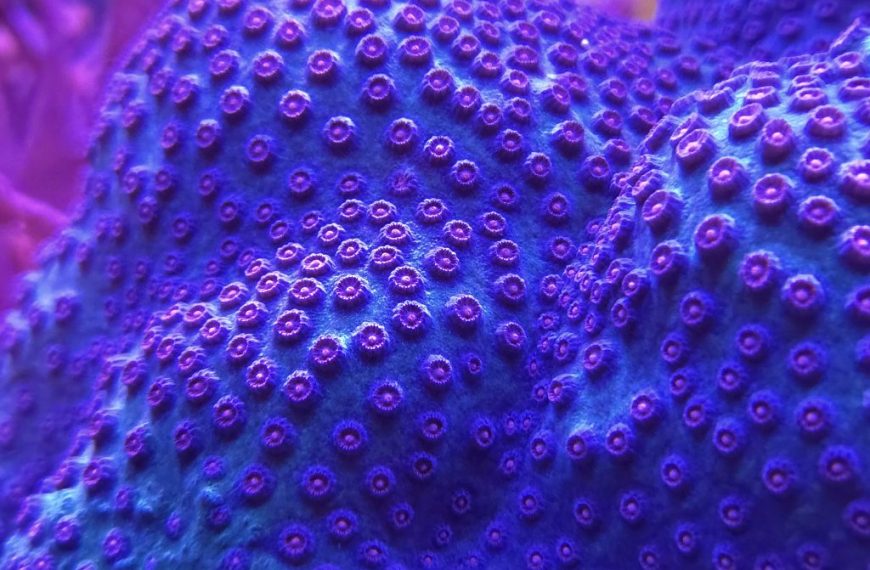
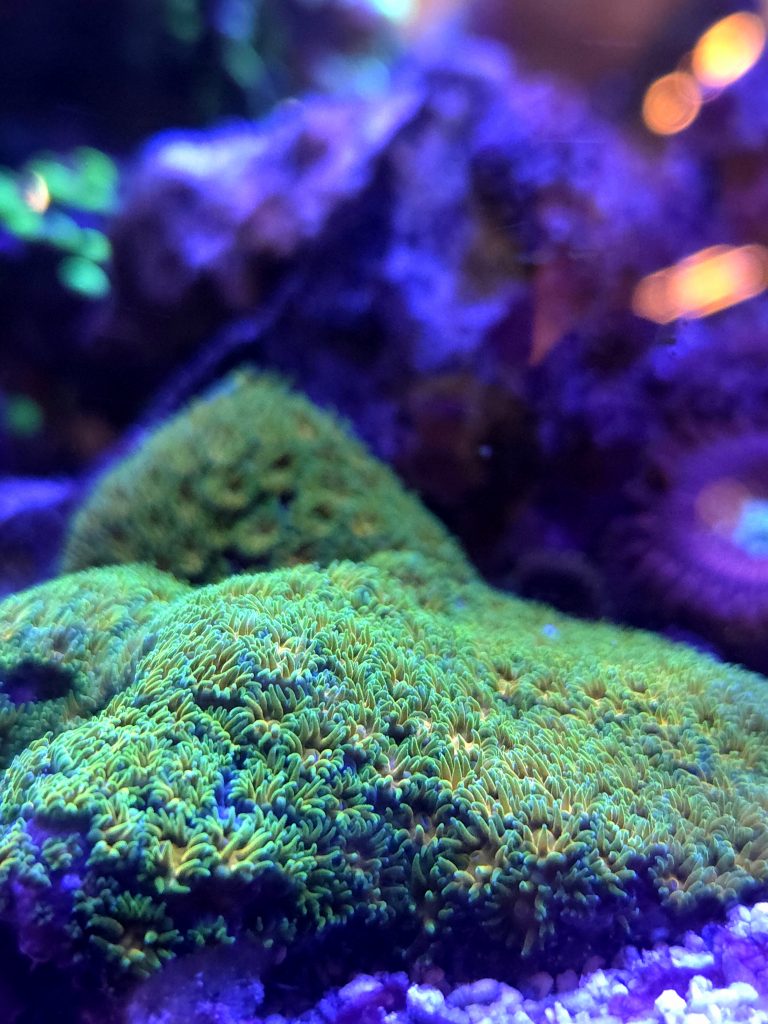
Leptastrea corals are tough, colorful, and often underrated. They can thrive in mixed reefs when you match their needs and keep conditions stable.
These encrusting LPS corals reward patience. With steady light, moderate flow, and consistent alkalinity, they spread across rock like living paint.
Placement, lighting, and flow for steady growth
Start Leptastrea low to mid in the tank. Many frags come from shaded areas. Sudden high PAR can bleach them. Aim for 50–150 PAR at first. Increase slowly over two to three weeks.
Use moderate, indirect flow. You want the polyps to sway, not flatten. Too little flow traps film algae on the surface. Too much flow can keep the coral closed. Try a random pattern from two pumps.
Give it a stable mounting spot. Leptastrea encrusts fast once settled. Avoid placing it where you will move rocks later. Leave space from aggressive neighbors. Some LPS can sting at night.
Color shifts are normal during acclimation. Browns often turn to greens, reds, or oranges. Stability matters more than chasing perfect numbers. If you run a mixed reef, read our reef tank lighting guide for PAR mapping tips.
- Target PAR: 50–150 for most frags
- Flow: moderate and varied, no direct jet
- Acclimate light: raise intensity 5–10% per week
Water parameters and feeding that actually help
Leptastrea reacts strongly to alkalinity swings. Keep alkalinity at 8.0–9.0 dKH. Hold calcium at 420–460 ppm. Keep magnesium at 1300–1400 ppm. Stability beats chasing a single “perfect” value.
Keep nutrients present but controlled. Aim for nitrate 5–15 ppm and phosphate 0.03–0.10 ppm. Ultra-low nutrients can pale the coral. High phosphate can slow skeleton growth. Test weekly until the tank is predictable.
Leptastrea can live on light and dissolved nutrients. It still benefits from occasional feeding. Feed once or twice per week after lights dim. Use fine foods like reef roids, powdered plankton, or blended mysis. Turn off pumps for 10–15 minutes.
Watch for tissue recession along edges. This often follows low alkalinity, pests, or shading. If your tank uses dosing, review our alkalinity stability tips and adjust slowly. A 0.3 dKH daily change is a safe limit for most systems.
- Salinity: 1.025–1.026 specific gravity
- Temperature: 25–26.5°C (77–80°F)
- pH: 8.1–8.4 with good gas exchange
- Alkalinity change: keep under 0.3 dKH per day
Common problems, quick diagnosis, and fixes
Bleaching usually points to too much light or rapid change. Move the coral lower and reduce intensity. Add a mesh screen for one to two weeks. Keep nutrients in range during recovery. Expect color to return over several weeks.
Algae growing on the coral often means low flow or high nutrients. Increase random flow and reduce feeding to the tank for a week. Manually brush nearby rock with a soft toothbrush. Avoid scraping living tissue. A small trochus snail can help keep edges clean.
Recession at the base often comes from pests or stings. Check at night with a flashlight. Look for vermetid snails, flatworms, or nudibranchs. Dip new frags before they enter the display. Our coral dip protocol covers safe timing and rinsing.
Slow growth can be normal in young tanks. It can also signal low alkalinity, low calcium, or unstable salinity. Verify your refractometer with calibration fluid. Confirm test kits with a known reference. Then adjust one parameter at a time.
- If polyps stay closed: check flow direction and alkalinity stability
- If edges recede: inspect for stings, pests, and shading
- If color dulls: raise nutrients slightly and avoid big light jumps
Leptastrea corals are ideal for reef keepers who value resilience. Give them stable chemistry, moderate light, and clean surfaces. In time, they will encrust and brighten your rockwork.
Track changes weekly and adjust slowly. Small corrections protect tissue and keep color strong. Sources: Borneman, “Aquarium Corals” (2001); Delbeek & Sprung, “The Reef Aquarium” Vol. 1–3; Veron, “Corals of the World” (2000).
Was this helpful?
Related Posts
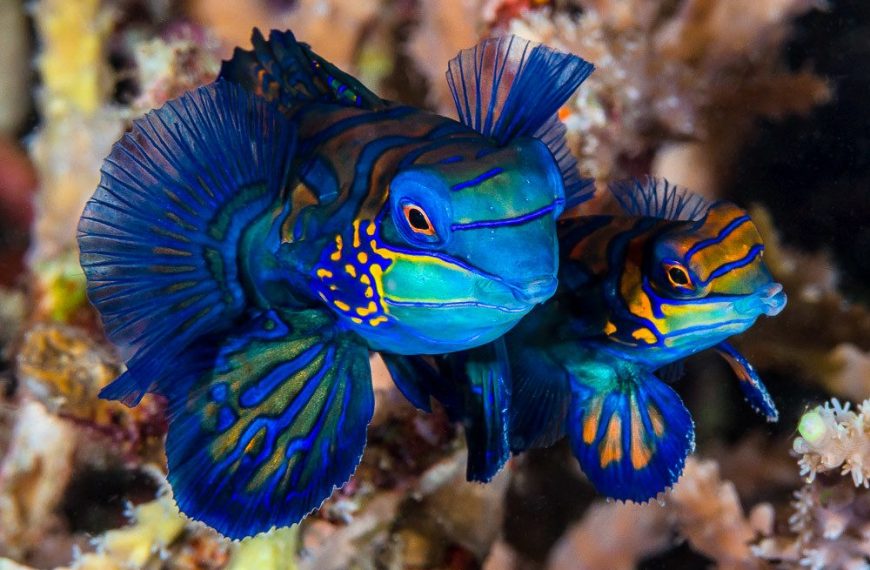
Dragonets Fish Care
Dragonets are beautiful reef fish, but they need mature tanks and steady food sources. Learn how to keep…
 By
By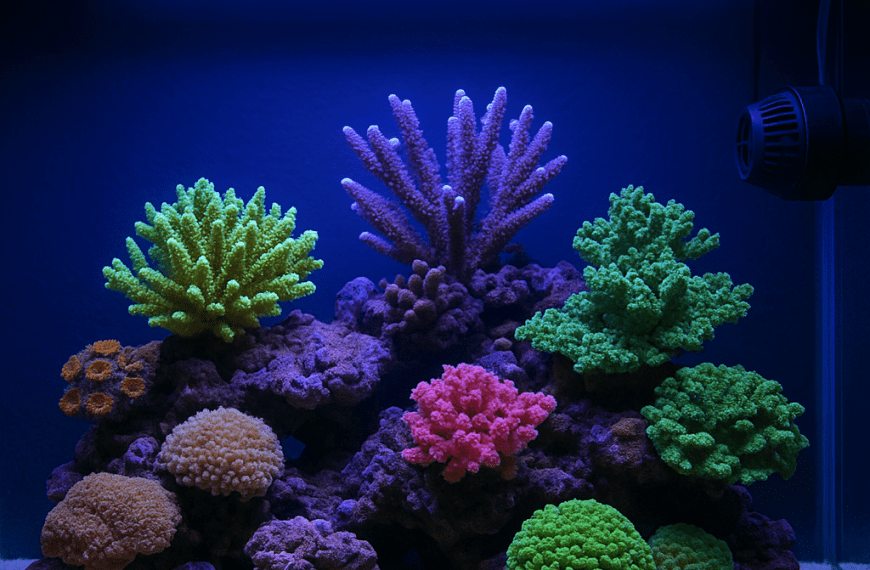
Lighting For Aquarium
Lighting for Aquarium: Getting Saltwater Illumination Right Lighting for a saltwater aquarium is about much more than simply…