Why Live Foods Matter for Saltwater Fish
Live foods for saltwater fish can transform a good reef tank into a thriving ecosystem. Many marine species are natural hunters, and offering live prey triggers their instincts, improves coloration, and helps picky eaters start feeding. Whether you keep clownfish, wrasses, mandarins, or delicate anthias, adding the right live foods can boost health, activity, and long-term success.
If you’re just starting out with feeding strategies, you may also want to review our guide on best beginner saltwater fish to match your livestock choices with the foods you can realistically provide.
Best Types of Live Foods for Marine Fish
Copepods and Amphipods
Copepods and amphipods are tiny crustaceans that naturally live on live rock and in refugiums. They are essential for fish like mandarins, scooter blennies, and many wrasses.
- Benefits: Constant grazing food source, excellent for finicky micro-predators.
- How to use: Seed your tank or refugium with pods, turn off mechanical filtration for 30–60 minutes, and add them in low-flow areas so they can settle.
- Pro tip: Dose pods at night when lights are off to reduce predation and help them colonize rockwork.
Brine Shrimp (Artemia)
Newly hatched brine shrimp are a classic live food that almost every marine fish will chase. While adult brine shrimp are low in nutrition, freshly hatched nauplii can be very useful.
- Benefits: Ideal for getting new or stressed fish to eat, great for small-mouthed species.
- How to use: Hatch at home with a simple air pump and saltwater, then rinse before feeding.
- Enrichment tip: Soak live brine in vitamin or HUFA supplements before feeding to boost nutrition.
Live Blackworms and Marine Worms
Live worms are irresistible to many carnivorous and omnivorous fish. While not strictly marine, blackworms are commonly used and accepted by saltwater fish.
- Benefits: High-protein, great for conditioning breeders and helping thin or recovering fish gain weight.
- How to use: Rinse well in clean water and feed small portions to avoid excess waste.
- Caution: Source from reputable suppliers and quarantine when possible to reduce pathogen risk.
Live Phytoplankton and Rotifers
While not a direct food for most adult fish, live phytoplankton and rotifers support the base of the food web in your reef.
- Phytoplankton: Feeds filter feeders and boosts pod populations.
- Rotifers: Critical first food for many marine fish larvae in breeding projects.
For more detail on building a natural food web, see our article on setting up a refugium for your reef tank.
How to Use Live Foods Safely and Effectively
Balance Live and Prepared Foods
Live foods are powerful tools, but they shouldn’t be the only thing you feed. Aim for a mix of:
- High-quality frozen foods (mysis, krill, blended reef foods)
- Marine pellets and flakes for staple nutrition
- Targeted live foods for enrichment and picky eaters
Gradually transition fish from live to frozen or prepared foods by mixing them in the same feeding session.
Prevent Overfeeding and Water Quality Issues
Live foods can quickly foul water if overused. To keep your reef stable:
- Feed small amounts and observe how quickly fish consume everything.
- Turn off skimmers and strong pumps briefly to keep food in the display.
- Siphon uneaten food after 10–15 minutes, especially worms and brine shrimp.
Healthy feeding goes hand in hand with stable parameters; review our reef tank maintenance schedule to keep nutrients in check.
Quarantine and Source Quality
Live foods can introduce parasites or contaminants if they’re poorly handled. Whenever possible:
- Buy from trusted marine-focused suppliers.
- Rinse live foods in clean saltwater before feeding.
- Culture your own pods, brine shrimp, or phytoplankton to maintain control and save money.
Tip: Start with hardy fish that readily accept prepared foods, then add live foods as enrichment rather than a necessity. This gives you flexibility if live cultures crash or shipments are delayed.
Live foods for saltwater fish are more than a treat—they’re a powerful tool for health, behavior, and long-term success. By choosing the right types, using them in moderation, and balancing them with quality prepared foods, you can create a vibrant, natural-feeling reef where your fish thrive.
Sources
- Fenner, R. (2008). The Conscientious Marine Aquarist. TFH Publications.
- Sprung, J. & Delbeek, J. (1994–2005). The Reef Aquarium Vol. 1–3. Ricordea Publishing.
- Wilkerson, J. (2001). Clownfishes. Microcosm.
Was this helpful?
Related Posts
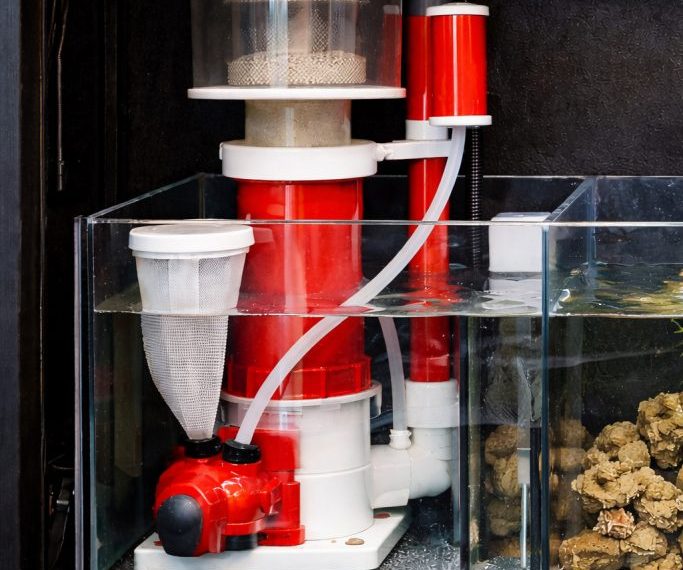
Protein Skimmer Reef Tank Guide
Learn how a protein skimmer works, how to size one, and how to tune it for a cleaner,…
 By
By
Reef Aquarium Water Parameters
Learn the ideal reef aquarium water parameters, safe ranges, and how to keep salinity, alkalinity, nutrients, and pH…