
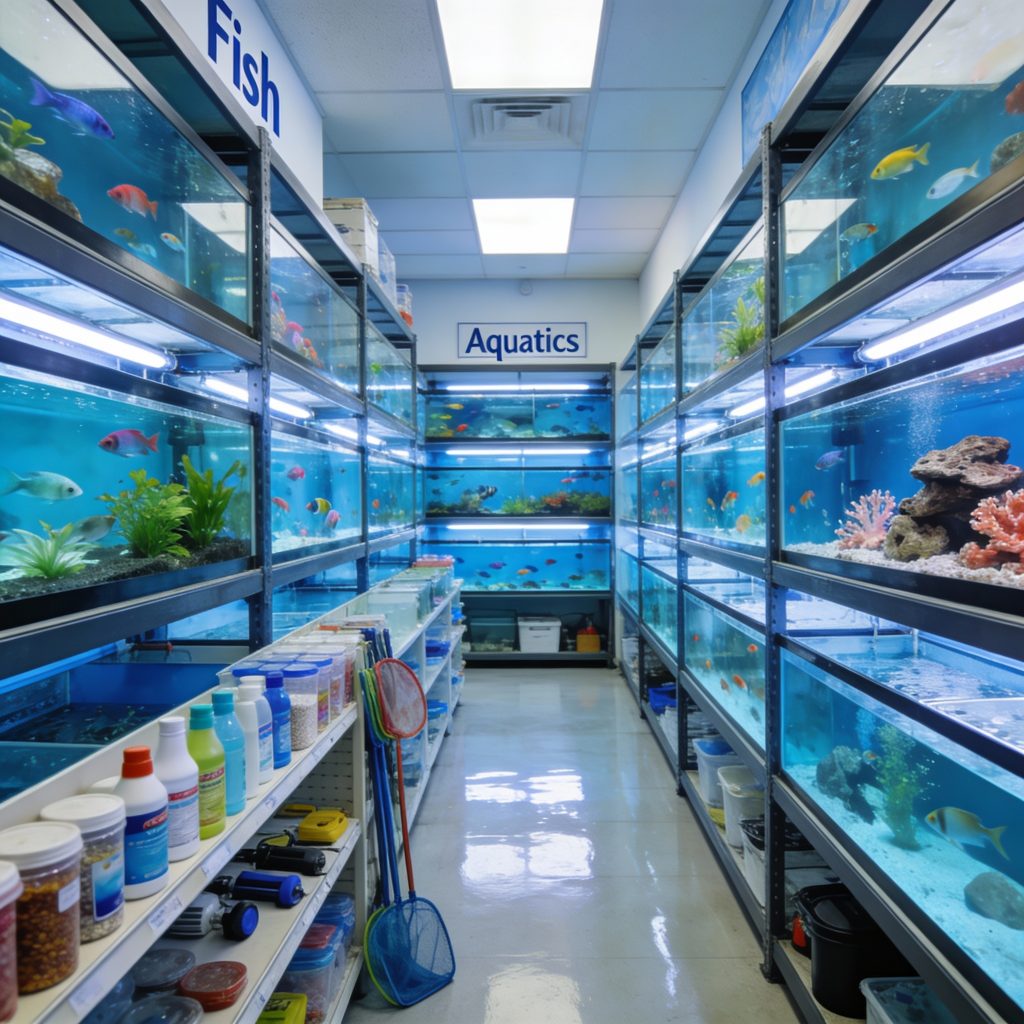
A good local fish store can make reef keeping much easier. The right shop helps you buy healthy livestock, avoid bad equipment, and solve problems before they become expensive mistakes.
Many reef hobbyists start online. That is useful. Still, a strong relationship with a local fish store, often called an LFS, offers benefits that websites cannot fully replace. You can inspect fish in person. You can compare coral color under real lighting. You can ask urgent questions when your tank looks wrong. You can also build trust with staff who know your system goals. In this guide, you will learn how to choose a good local fish store, what to look for when buying fish and corals, which red flags to avoid, and how to use your LFS as a long-term reef resource.
Quick Reference: What Makes a Good Local Fish Store
| Area | What to Look For | Why It Matters |
|---|---|---|
| Livestock Health | Clear eyes, full fins, normal breathing, active behavior | Reduces risk of disease and losses |
| Coral Systems | Good polyp extension, clean plugs, low algae, labeled frags | Shows stable husbandry and honest sales |
| Water Quality | Clean tanks, no strong odor, clear water, maintained filtration | Reflects routine care and system stability |
| Staff Knowledge | Answers are specific, practical, and not pushy | Helps beginners avoid poor choices |
| Quarantine Practices | Separate systems, observation, disease awareness | Lowers pest and pathogen transfer |
| Equipment Selection | Reliable brands and realistic recommendations | Prevents overspending and poor performance |
| Pricing | Fair, transparent, and consistent | Builds trust over time |
Why a Local Fish Store Still Matters
Online reef shopping is convenient. Your local fish store offers something different. It gives you direct observation. That matters with marine livestock. Photos can hide thin fish, tissue recession, or pests. In person, you can watch breathing rate, feeding response, and overall behavior. You can also see if a coral is freshly cut or fully healed.
An LFS also helps with timing. Need salt, RO tubing, carbon, or a heater today? A nearby store can save a tank emergency. Good shops also know local water issues. They may know if your area has high silicate, seasonal chloramine changes, or common pest outbreaks. That local knowledge is valuable.
For beginners, a trusted LFS can shorten the learning curve. Staff can explain cycling, stocking order, and coral placement in simple terms. For intermediate reef keepers, a strong store becomes a source for specialty frags, test kits, and troubleshooting support.
How to Evaluate a Local Fish Store Before You Buy
Start with the overall condition of the store. Tanks should look maintained. Glass may have some algae. That is normal. Heavy neglect is not. Water should be clear. Floors should be reasonably dry and safe. Systems should not smell foul. A mild saltwater smell is normal. A rotten odor suggests poor maintenance.
Next, watch the livestock. Fish should swim normally. They should not gasp at the surface. Fins should look intact. Eyes should be clear. Bellies should not look pinched. Corals should show decent tissue coverage. Some species stay retracted in stores. That can be normal. Still, avoid pieces with obvious recession, jelly-like tissue, bleaching, or nuisance algae growing over the base.
Then, ask questions. Good staff explain why a fish fits your tank. They ask about tank size, age, and current stock. They do not rush a sale. If every answer ends with the most expensive item, be cautious. A strong local fish store wants repeat customers, not one-time purchases.
Signs of Healthy Fish at an LFS
Buying healthy fish is one of the biggest reasons to visit an LFS. Observe each fish for several minutes. Fast breathing is a warning sign. Flashing against objects can suggest irritation or parasites. White spots may indicate ich. Dusty coating may suggest velvet. Frayed fins can mean aggression or infection.
Ask to see the fish eat. This is one of the best tests. A fish that eats aggressively often adapts better at home. This is especially useful for wrasses, angelfish, butterflies, and mandarins. If the store cannot feed immediately, ask what foods the fish accepts. Specific answers are better than vague ones.
Also inspect the tankmates. One sick fish can expose the entire system. Avoid buying from a system with obvious disease signs. Even if your chosen fish looks fine, exposure may have already happened. Quarantine at home is still the safest practice. You can learn more in our anchor text and anchor text resources.
Signs of Healthy Corals at an LFS
Corals need a different evaluation. Start by checking tissue. It should fully cover the skeleton. Receding edges are a warning sign. For SPS, look for color at the base and tips. For LPS, inspect for tears, exposed skeleton, or brown jelly. For soft corals, avoid melting tissue or obvious pest damage.
Ask how long the coral has been in the store. A fresh import can look colorful but may still be unstable. A frag that has healed for weeks is often safer. Check the plug and underside for pests. Look for aiptasia, bubble algae, vermetid snails, flatworms, or nudibranch eggs. Use a flashlight if needed.
Lighting matters too. Corals can look very different under blue-heavy LEDs. Ask to view the coral under whiter light if possible. This gives a more realistic sense of color. It also helps you avoid buying a coral based only on fluorescence. Before adding any coral, review anchor text and anchor text for proper placement and acclimation.
Questions to Ask Before Buying Livestock
Good questions protect your tank. Ask where the animal came from. Was it wild collected, aquacultured, or tank raised? Ask how long it has been in the store. Ask what it eats. Ask whether it has shown aggression. Ask what salinity the system runs. Some stores keep fish at lower salinity. Sudden transfer to reef salinity can stress them.
For corals, ask about light intensity and flow in the store system. Ask if the piece was recently cut. Ask if it has been dipped. For invertebrates, ask if they are reef safe and whether they need a mature tank. Some animals, like sand-sifting stars or certain nudibranchs, often fail in young systems.
You should also ask about guarantees. A fair policy shows confidence. It does not guarantee quality, but it helps. Read the terms. Many stores require water test results or quick reporting. Keep receipts and take photos if needed.
Step-by-Step: How to Shop at a Local Fish Store
First, make a list before you go. Know your tank size, age, and current livestock. Bring photos if needed. This prevents impulse purchases. It also helps staff give better advice.
Second, inspect the store before asking for help. Walk the systems slowly. Note any dead animals, cloudy tanks, or disease signs. If several systems look poor, leave.
Third, ask targeted questions. Mention your parameters, including salinity, nitrate, phosphate, and alkalinity if you keep corals. This shows you are prepared. It also leads to better recommendations.
Fourth, avoid buying on excitement alone. If a fish seems difficult, research it first. If a coral looks stressed, wait. A good deal is not good if it dies.
Fifth, transport livestock carefully. Ask for insulated packing in extreme weather. Go straight home. Acclimate with care. Dip corals. Quarantine fish when possible. For stable reef chemistry after new additions, see anchor text.
Common Problems With Local Fish Stores
The store pushes unsuitable livestock
This happens often with beginners. A small tank gets sold a tang. A new tank gets sold an anemone. A mixed reef gets sold a coral-eating fish. The fix is simple. Research before buying. Use the store as a resource, not your only source.
Livestock looks fine in store but crashes at home
Stress from transport, salinity mismatch, or hidden disease may be the cause. Test your salinity first. Match temperature carefully. Quarantine fish. Dip and inspect corals. Avoid adding stressed animals to unstable tanks.
Corals bring in pests
Even good stores can have pests. Coral dips help, but they do not kill every egg. Inspect plugs, cut away problem areas, and quarantine frags when possible. Prevention is easier than eradication.
Advice from different staff does not match
This is common. Experience levels vary. Compare answers with trusted reef sources. Over time, you will learn which staff members give practical, consistent guidance.
Building a Long-Term Relationship With Your LFS
The best local fish store relationships benefit both sides. Be honest about your tank and budget. Do not ask for help, then buy everything elsewhere. Support good stores when you can. In return, many shops will notify you about new arrivals, hold livestock, or give better guidance based on your goals.
Share updates. If a recommended fish thrives, let them know. If something fails, explain your setup and parameters. Good stores value feedback. It helps them improve recommendations. It also makes future advice more accurate.
A trusted LFS can become your first stop for emergency supplies, replacement equipment, and healthy frags. That relationship is hard to replace once you find the right shop.
Frequently Asked Questions
What does LFS mean in reef keeping?
LFS stands for local fish store. In the aquarium hobby, it usually means a nearby shop that sells fish, corals, equipment, and supplies.
Is it better to buy reef livestock from an LFS or online?
Both can work well. An LFS lets you inspect livestock in person. Online vendors may offer wider selection. The best choice depends on the seller’s husbandry and your ability to quarantine.
Should I trust water tests from a local fish store?
Use them as a second opinion. They can be helpful. Still, every reef keeper should own quality test kits and verify important parameters at home.
How do I know if a fish store has disease in its systems?
Look for white spots, rapid breathing, flashing, clamped fins, or unexplained deaths. Ask how long fish are observed before sale. Avoid systems with obvious active outbreaks.
Can a good LFS replace quarantine?
No. Even excellent stores can have hidden pathogens or pests. Home quarantine remains the safest way to protect a reef tank.
A great local fish store does more than sell livestock. It helps you make better reef decisions. Choose carefully, ask smart questions, and combine store advice with solid reef research. That approach leads to healthier fish, better coral survival, and fewer expensive mistakes.
Was this helpful?
Related Posts
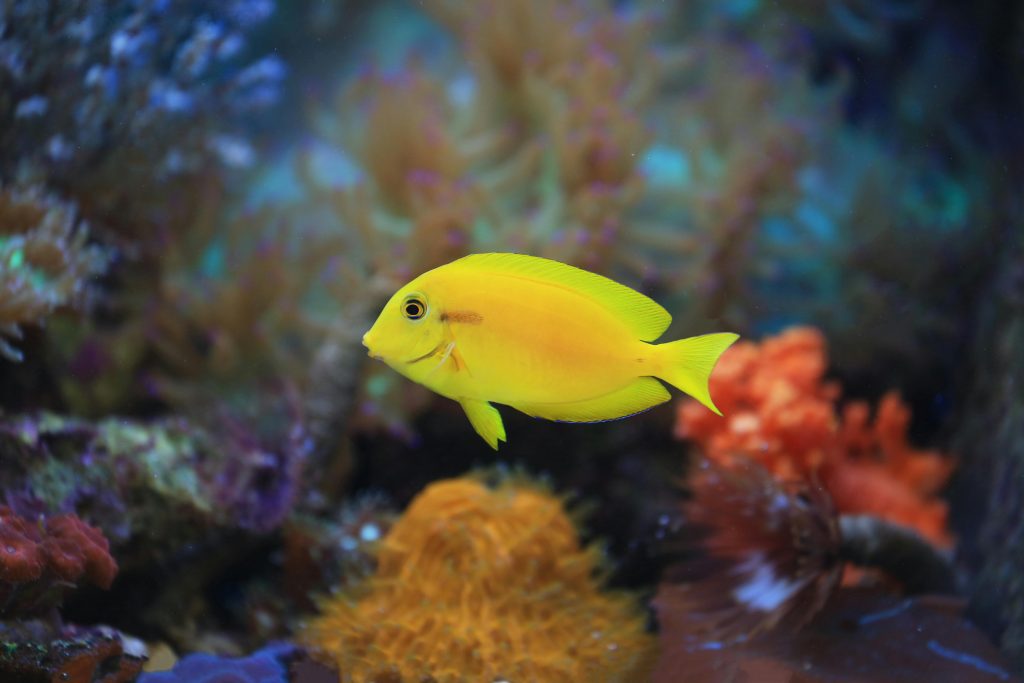
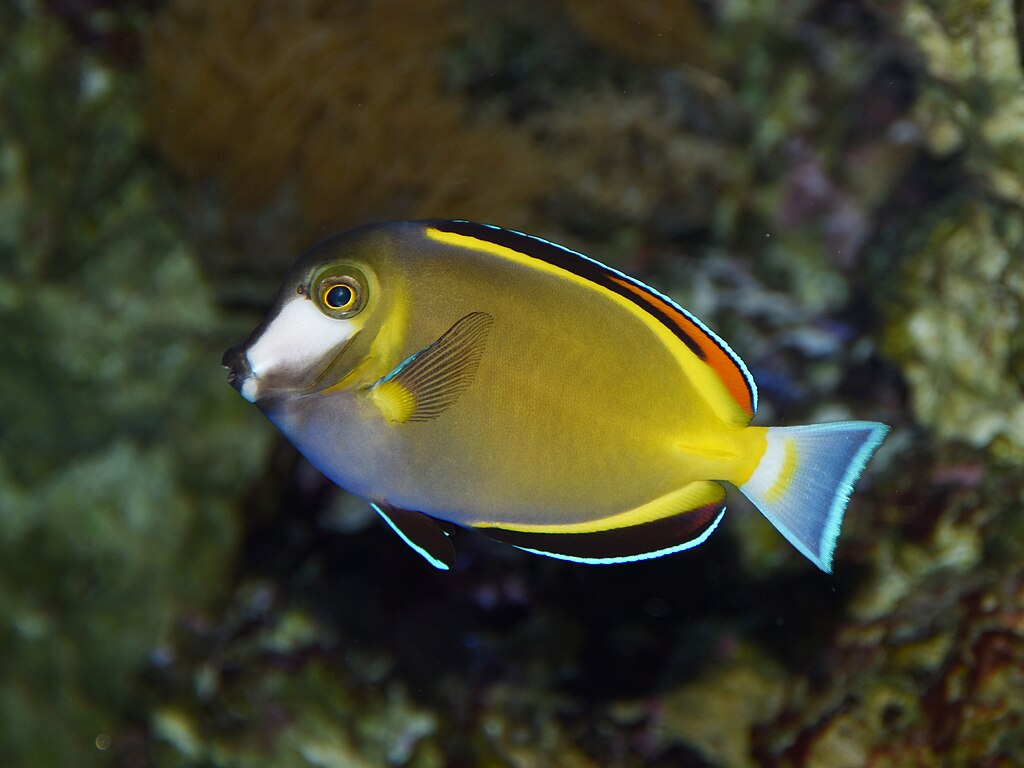
Juvenile Orange Shoulder (acanthurus Olivaceus)
Juvenile orange shoulder tangs are bright, hardy, and reef safe, but they grow large and need a spacious…
 By
By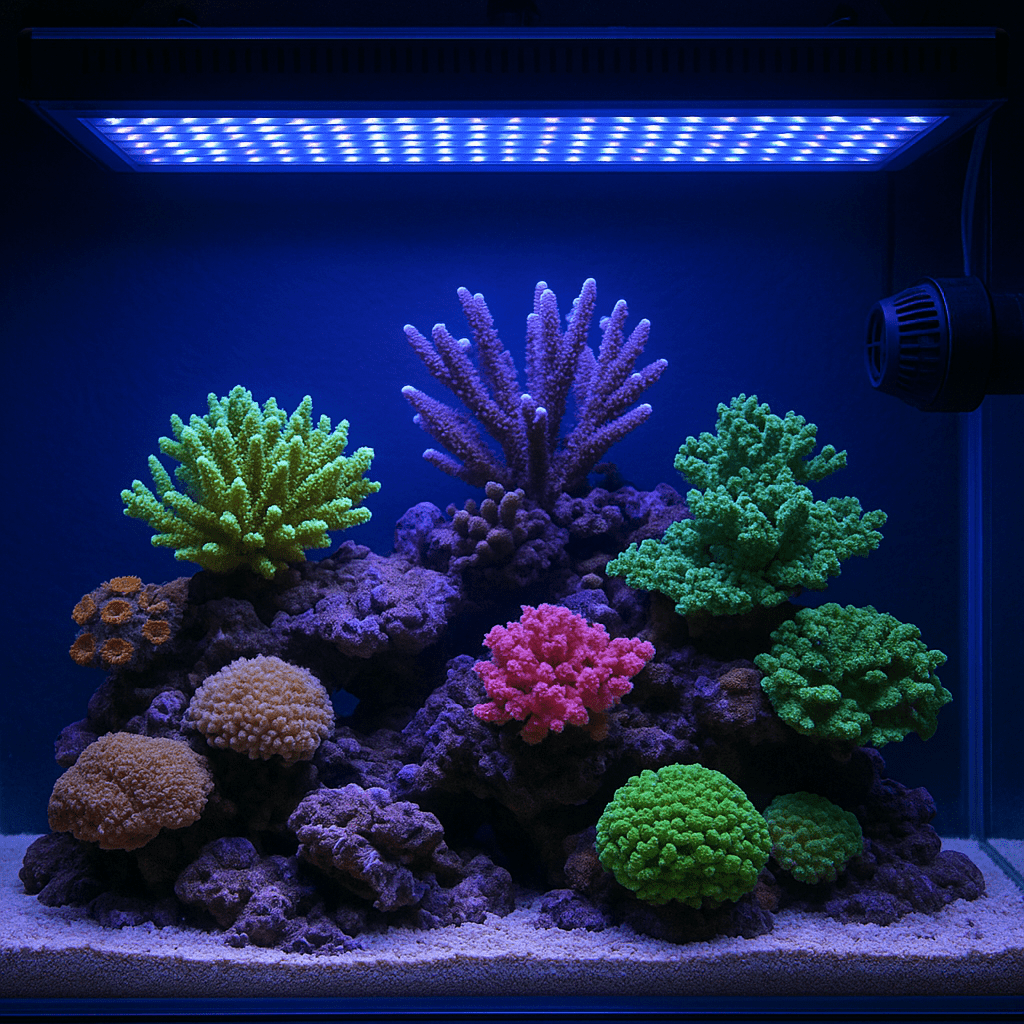
Best Filtration Systems
Best Filtration Systems for a Healthy Saltwater Aquarium Choosing the best filtration system for your saltwater aquarium is…
[favorite_button]
My Bookmarks:
To see full list click here
[user_favorites user_id="" include_links="true" site_id="" post_types="" include_thumbnails="true" thumbnail_size="thumbnail" include_excerpt="false"]