

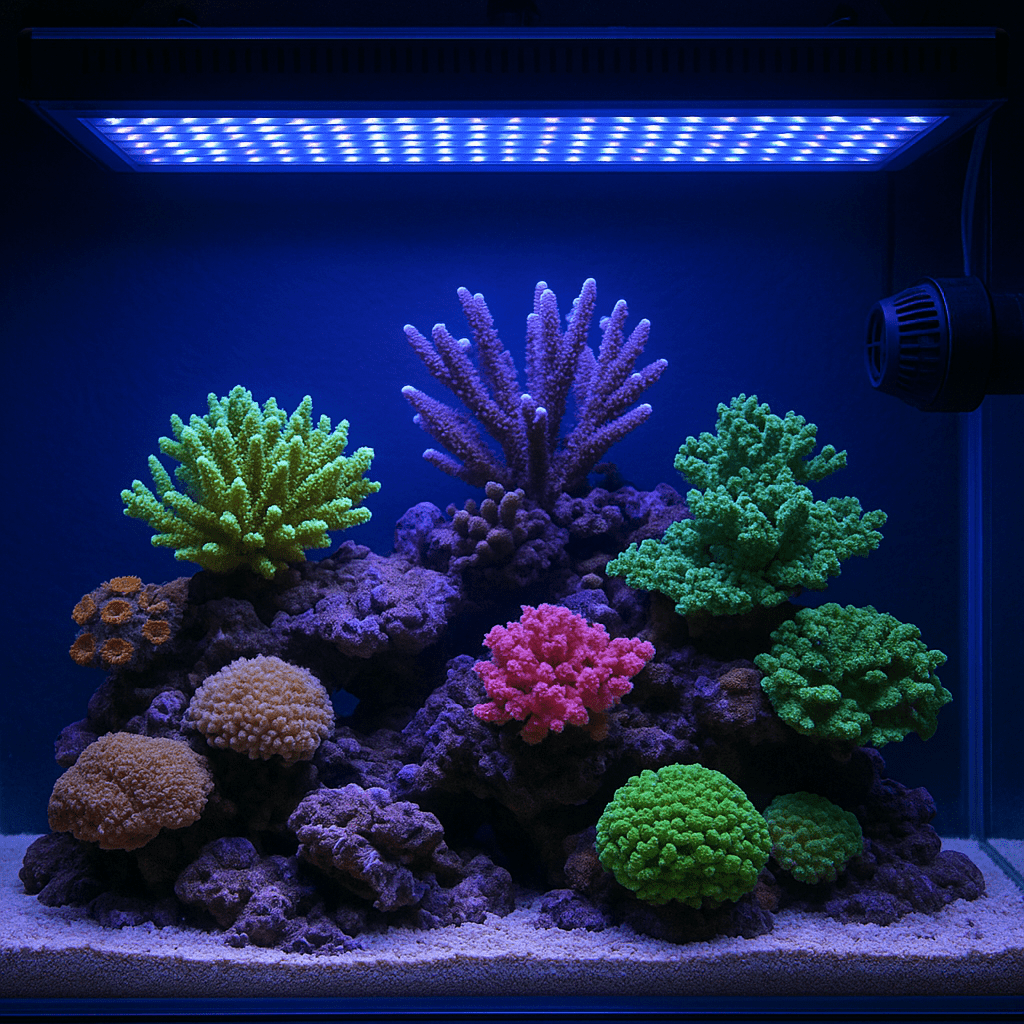
The Long Tentacle Anemone (Macrodactyla doreensis) is one of the most recognizable hosting anemones in the hobby, famous for its flowing tentacles and its tendency to settle into sandy lagoons. It can be a hardy, long-lived centerpiece, but it is not a “drop it in and hope” animal. LTAs fail most often due to unstable salinity, insufficient mature biology, poor substrate setup, and rough handling during acclimation.
This FancyReef guide walks you through tank requirements, ideal water parameters, lighting and flow, feeding, clownfish compatibility, and troubleshooting common problems like deflation cycles, gaping mouths, wandering, and loss of stickiness.
Quick Care Summary
| Scientific name | Macrodactyla doreensis |
| Common name | Long Tentacle Anemone (LTA) |
| Difficulty | Intermediate |
| Tank maturity | 6+ months (preferably 9–12+) |
| Minimum tank size | 40–50 gallons (more stable is better) |
| Placement | Sand bed, foot anchored under/against rock |
| Substrate | 2–4 in fine sand (0.5–2 mm) |
| Lighting | Moderate (target ~100–200 PAR at oral disc) |
| Flow | Low to moderate, indirect, random |
| Feeding | 1–2x weekly meaty marine foods |
| Reef safety | Can sting corals; needs space |
| Best indicator of health | Sticky tentacles, closed mouth, stable location |
Natural Habitat and Behavior
Macrodactyla doreensis is found in the Indo-Pacific, typically in shallow sandy lagoons and protected reef flats where the anemone can bury its column (foot) in sand and anchor to rubble or rock underneath. In the wild, the oral disc and tentacles extend above the sand to capture plankton and small prey, while the foot stays protected below.
This natural history explains two key husbandry points:
- LTAs want sand. They are not “rock anemones” like many Bubble Tip Anemones.
- They want a secure anchor. A bare-bottom tank or shallow sand often leads to wandering and stress.
Tank Requirements (Setup That Works)
Long Tentacle Anemones do best in stable, mature reef aquariums with consistent salinity and temperature, a healthy microfauna population, and predictable nutrient levels. While they can survive in smaller systems, stability improves dramatically as water volume increases.
Recommended Tank Size
Minimum: 40–50 gallons for a single LTA with careful maintenance. Preferred: 75 gallons or larger for easier stability and more room to keep distance from corals.
Aquascape and Placement Strategy
The goal is to provide a sandy “pocket” where the anemone can bury its foot and wedge against something solid.
- Create a 2–4 inch sand bed in at least one area of the tank.
- Place a flat rock or rubble under or at the edge of the sand pocket so the foot can attach.
- Keep 6–12 inches of clearance from prized corals. LTAs can expand significantly and will sting neighbors.
- Cover or guard pump intakes and overflow teeth. A wandering anemone can be shredded by equipment.
Tip: If you introduce an LTA and it immediately climbs the rockwork, it is often telling you the sand bed is not deep enough, the flow is too strong on the sand, or lighting is unsuitable where you tried to place it.
Water Parameters for Long-Term Success
LTAs respond poorly to swings. Aim for reef-stable parameters with special attention to salinity, temperature, and alkalinity stability. Avoid chasing numbers daily. Instead, correct trends slowly and keep conditions consistent.
| Parameter | Recommended Range | Notes |
|---|---|---|
| Temperature | 77–79°F (25–26°C) | Stability matters more than exact value |
| Salinity | 1.025–1.026 SG | Keep steady; avoid top-off failures |
| pH | 8.1–8.4 | Good gas exchange helps |
| Alkalinity | 8–9.5 dKH | Keep swings under ~0.3–0.5 dKH/day |
| Calcium | 400–450 ppm | Not as critical as stability, but keep in range |
| Magnesium | 1250–1400 ppm | Supports overall ionic balance |
| Ammonia/Nitrite | 0 | Any detectable level is a red flag |
| Nitrate | 2–15 ppm | Ultra-low nutrients can cause pale, weak anemones |
| Phosphate | 0.03–0.10 ppm | Avoid both 0.00 and chronic high levels |
Testing note: Many anemone issues blamed on “light” are actually salinity instability (ATO problems), rapid alkalinity corrections, or temperature swings.
Lighting Requirements
Long Tentacle Anemones host symbiotic zooxanthellae and benefit from moderate reef lighting. They do not require extreme SPS-level intensity, but they do need enough light to maintain color and energy between feedings.
- Target PAR: roughly 100–200 PAR at the oral disc is a reliable starting point.
- Spectrum: a reef-typical blue-heavy spectrum works well.
- Photoperiod: 8–10 hours of strong light plus ramping if you use it.
Acclimation: If the anemone came from lower light, use a light acclimation mode or raise the fixture for 1–2 weeks. Sudden jumps in intensity can trigger shrinking, wandering, or repeated deflation.
Water Flow (The Most Common Setup Mistake)
LTAs prefer low to moderate, indirect, and random flow. Too much direct flow causes the anemone to stay retracted, lose its grip, or wander. Too little flow can allow detritus to settle and irritate the oral disc and tentacles.
- Aim for gentle tentacle movement, not a constant “wind tunnel.”
- Avoid pointing powerheads directly at the anemone’s oral disc.
- Use guards or foam covers on intakes, especially during the first week.
Practical tip: If your sand bed is constantly blowing away where you want the LTA, the flow pattern is too aggressive for this species in that location.
Feeding Long Tentacle Anemones
Even under good lighting, LTAs benefit from regular feeding. Feeding helps them recover from shipping, grow, and maintain energy reserves. That said, overfeeding or feeding oversized chunks is a common cause of regurgitation and water quality problems.
Best Foods
- Chopped raw shrimp (marine), scallop, clam
- Mysis shrimp (large portions clumped together)
- Krill (sparingly, and chopped for smaller LTAs)
- High-quality frozen marine blends
How Often to Feed
Typical schedule: 1–2 times per week. Newly imported or pale specimens can be fed small portions 2 times weekly while they regain strength, as long as nutrients stay controlled.
Portion Size and Technique
- Feed pieces about the size of the anemone’s mouth opening, often pea to thumbnail-sized depending on specimen size.
- Turn off or reduce flow for 10–15 minutes so the food is not stolen.
- Use feeding tongs and place food gently on the tentacles, not shoved into the mouth.
If clownfish are hosting: they may bring food to the anemone, but do not assume this replaces intentional feeding, especially during the first month.
Compatibility: Clownfish, Corals, and Inverts
Clownfish Hosting
LTAs are natural hosts for several clownfish species in the wild (depending on region). In aquariums, many common clowns may accept them, but hosting is never guaranteed.
- Clownfish can stress a newly introduced LTA by over-aggressive “wiggling.”
- If the anemone is small or recently shipped, consider using an acclimation box for the clownfish for a few days, or temporarily separate them until the LTA is firmly planted and sticky.
Coral Compatibility
Long Tentacle Anemones can sting and damage corals. Give them a wide buffer zone and expect them to expand larger at night or after feeding.
- Keep distance from LPS with long sweepers (torch, galaxea) to prevent mutual stinging.
- Do not place directly next to soft corals or zoanthids you want to keep pristine.
Invertebrates and Fish
- Cleaner shrimp may steal food during feeding.
- Crabs (especially larger hermits) can irritate the anemone and cause it to retract.
- Most reef fish are fine, but small, weak, or sleeping fish can be captured if they blunder into the tentacles.
Avoid: anemone-eating species (some butterflies), and be cautious with persistent pickers that harass tentacles.
Common Problems and Troubleshooting
Why is my Long Tentacle Anemone deflating?
Periodic deflation is normal. Anemones inflate and deflate to exchange water and expel waste. Concern starts when deflation is prolonged (hours to a full day repeatedly) or paired with other warning signs.
- Normal: short deflation cycles, then reinflation with a closed mouth.
- Concerning: repeated deflation plus gaping mouth, loss of stickiness, or rapid wandering.
Most common causes: salinity swings (ATO), sudden lighting changes, direct flow, ammonia exposure, or recent rough shipping. Verify salinity with a calibrated refractometer, check temperature stability, and ensure ammonia is truly zero.
My LTA is wandering around the tank
Wandering is the anemone “voting with its feet.” It is usually searching for a better combination of light, flow, and footing.
- Confirm you have deep enough sand (2–4 inches).
- Provide rock or rubble under the sand for the foot to attach.
- Reduce direct flow blasting the sand bed.
- Check for stinging neighbors or aggressive crabs.
Safety move: If it is wandering, protect pumps and overflows immediately. Many anemone losses happen overnight when a roaming specimen meets an intake.
Gaping mouth or “inside-out” look
A slightly open mouth during feeding or waste expulsion can be normal. A persistently gaping mouth, tissue breakdown, or a foul smell is an emergency.
- Test ammonia immediately.
- Increase aeration and surface agitation.
- Run fresh activated carbon.
- If the anemone is melting, remove it to prevent a tank crash.
Important: Do not attempt freshwater dips or harsh “treatments” for an LTA that is already failing. Focus on water quality, oxygenation, and stability.
Not sticky tentacles (won’t hold food)
Loss of stickiness is a common sign of stress. It can come from shipping, low salinity, poor oxygenation, or insufficient light and nutrition over time.
- Verify salinity and temperature stability.
- Check nitrate and phosphate are not bottomed out at zero.
- Offer smaller, easier foods (mysis or finely chopped seafood) 1–2x weekly.
- Ensure moderate light and gentle flow.
Bleaching or fading color
Bleaching usually means the anemone has lost some zooxanthellae due to stress (often shipping, light shock, or parameter swings). A bleached LTA can recover, but it needs time and consistent conditions.
- Do not blast with maximum light immediately. Use acclimation.
- Feed small meals consistently.
- Keep nutrients in a reasonable range (avoid ultra-low nutrient systems).
Clownfish are beating up my new anemone
This happens, especially with larger or very eager clownfish. If the LTA stays retracted and cannot stay inflated, intervene.
- Temporarily separate the clownfish (acclimation box works well).
- Wait until the LTA is firmly planted, sticky, and feeding before allowing full-time hosting.
Acclimation and Handling Tips (Avoid Foot Damage)
The LTA’s foot is easily damaged, and foot injury is one of the fastest paths to infection and decline. Handle gently and never pull an attached anemone off a surface.
- Use a slow drip acclimation (30–60 minutes is typical) and match salinity carefully.
- When moving, support the column and foot. Avoid squeezing the oral disc.
- To encourage release, gently massage the foot edge underwater or direct a mild stream of water at the attachment point. Patience beats force.
Propagation or Splitting
Unlike some Bubble Tip Anemones, Long Tentacle Anemones are not commonly or reliably propagated in home aquariums. They can reproduce sexually in the wild, but hobbyist splitting is not recommended. Cutting an LTA carries a high risk of infection and loss.
For most reef keepers, the practical approach is to focus on stable care and long-term health rather than attempting propagation.
FAQ: Long Tentacle Anemone (Macrodactyla doreensis)
How big does a Long Tentacle Anemone get?
In aquariums, many LTAs reach 10–16 inches across when fully expanded, sometimes larger in very stable systems. Plan space accordingly.
Does an LTA need sand, or can it live on rock?
LTAs strongly prefer a sand bed where they can bury their foot and anchor to rock beneath. Without sand, they often wander and remain stressed.
How often should I feed my Long Tentacle Anemone?
Feed small meaty marine foods 1–2 times per week. Avoid large chunks that can be regurgitated and foul water.
Why is my anemone shrinking at night?
Some size change is normal as anemones adjust internal water pressure. If it fully collapses nightly or stays deflated for long periods, check flow, salinity stability, and overall water quality.
Can I keep a Long Tentacle Anemone in a mixed reef?
Yes, but give it space and protect pumps. LTAs can sting nearby corals and may move if conditions are not ideal. Many hobbyists dedicate a sand “island” area for it.
Was this helpful?
Related Posts
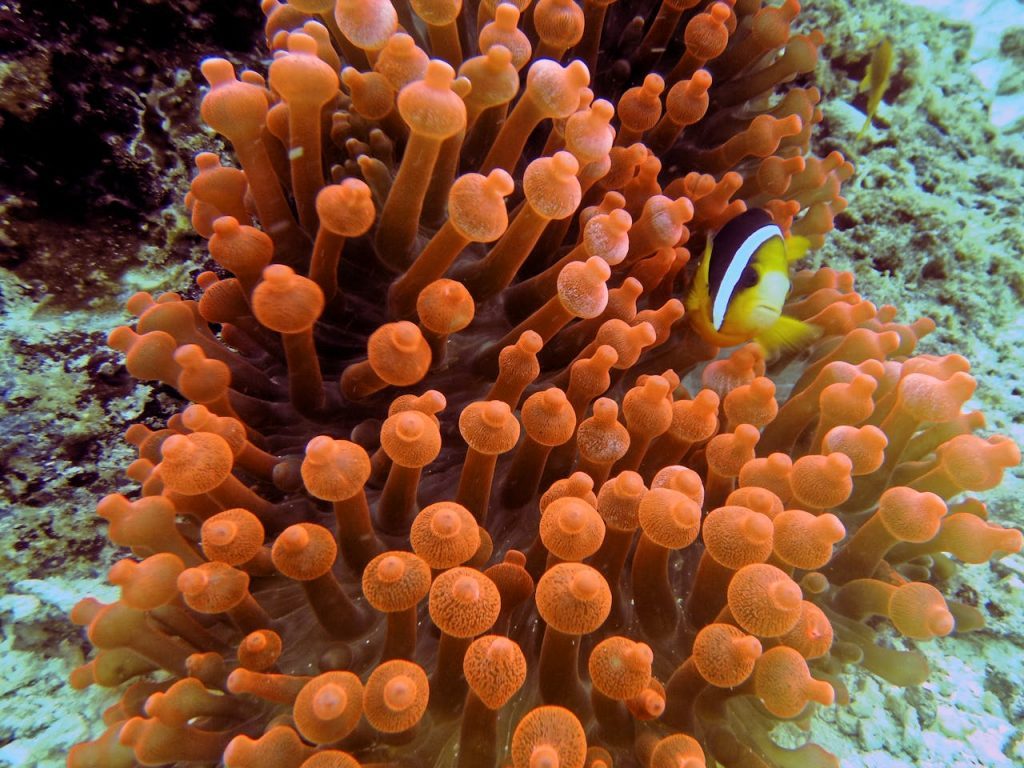
Bubble Tip Anemone (Entacmaea Quadricolor)
Bubble Tip Anemone care made simple: stable parameters, moderate-high light, guarded pumps, and smart placement to prevent wandering…
 By
By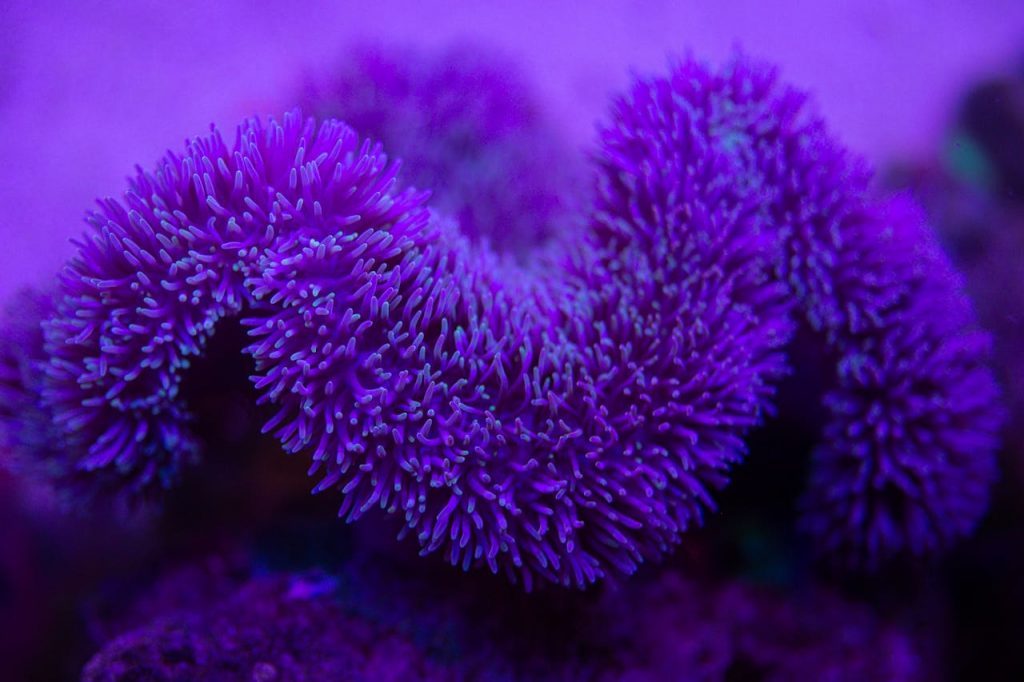
Carpet Anemone (Stichodactyla Haddoni)
Carpet Anemone (Stichodactyla haddoni) care guide covering tank setup, sand placement, lighting, flow, feeding, compatibility, and troubleshooting.
[favorite_button]
My Bookmarks:
To see full list click here
[user_favorites user_id="" include_links="true" site_id="" post_types="" include_thumbnails="true" thumbnail_size="thumbnail" include_excerpt="false"]