Longnose Hawkfish (Oxycirrhites typus): A Perching Personality for Your Reef
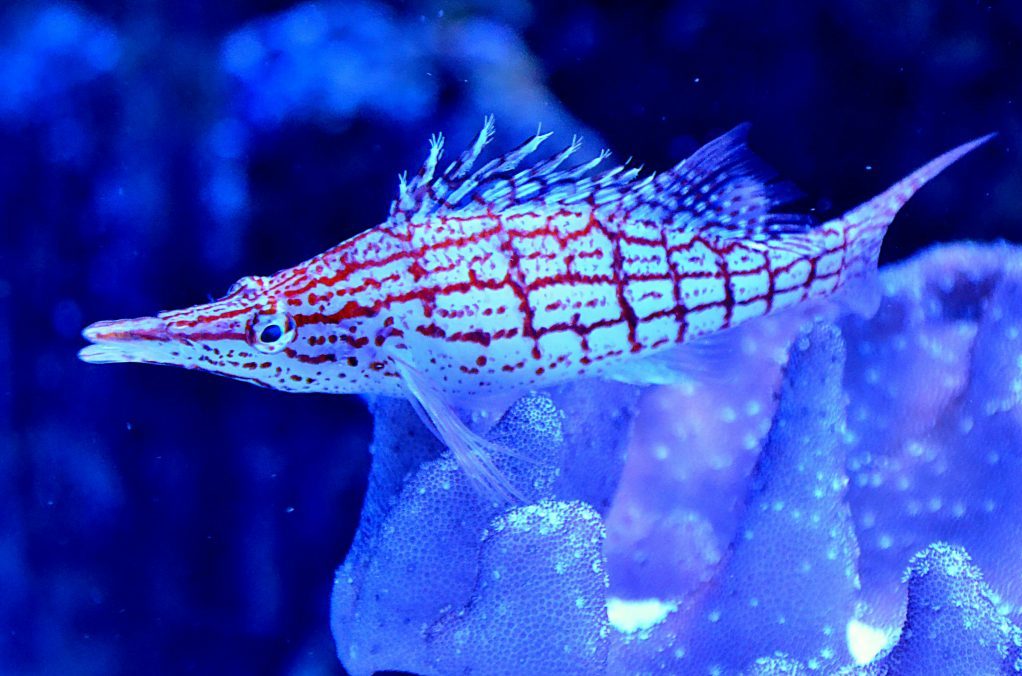
The Longnose Hawkfish (Oxycirrhites typus) is a favorite among saltwater aquarium keepers thanks to its bold pattern, quirky perching behavior, and curious personality. Perched on a coral branch or rock ledge, this fish seems to watch everything going on in your tank, making it a true “character fish” for many reef and fish-only setups.
Natural Behavior, Tank Size, and Aquascape
In the wild, Longnose Hawkfish are often found perched in gorgonians and branching corals on steep reef slopes. Re-creating some of this structure in your aquarium will help them feel at home.
For a single Longnose Hawkfish, a minimum tank size of 30 gallons is recommended, though 40 gallons or larger is ideal, especially if you keep other semi-aggressive species. They are active perchers rather than long-distance swimmers, so focus more on vertical and branching rockwork than open swimming space.
- Provide multiple ledges and branching rock structures.
- Use secure rockwork; hawkfish can launch themselves quickly when startled.
- Keep a tight-fitting lid—this species can jump.
If you’re still planning your system, you might also want to read about setting up a beginner saltwater tank setup to make sure your filtration and equipment can support an active carnivore like the Longnose Hawkfish.
Diet, Tankmates, and Reef Compatibility
Feeding the Longnose Hawkfish
Longnose Hawkfish are carnivores and natural ambush predators. In the aquarium, they usually adapt quickly to prepared foods.
- Offer frozen mysis shrimp, brine shrimp (enriched), finely chopped krill, and small marine meaty foods.
- Supplement with high-quality marine pellets or flakes designed for carnivores.
- Feed small portions 1–2 times daily; avoid overfeeding to prevent nutrient spikes.
Target feeding with a turkey baster or feeding tube helps ensure your hawkfish gets its share, especially in busy community tanks.
Choosing Compatible Tankmates
Longnose Hawkfish are generally semi-aggressive. They are usually safe with similarly sized or larger fish but may harass very timid species. The biggest concern is with small ornamental invertebrates.
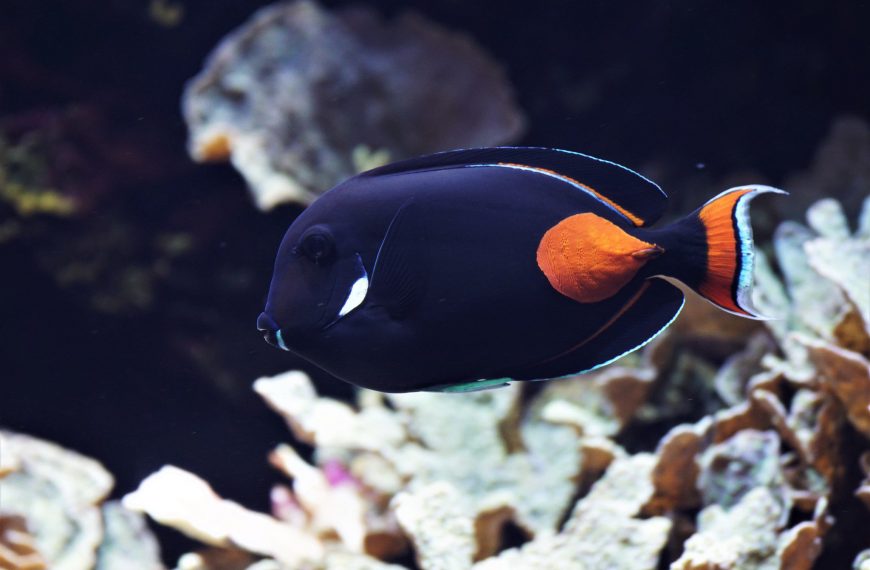
- Usually safe: Larger peaceful fish (tangs, wrasses, clownfish), most dwarf angelfish, and robust gobies.
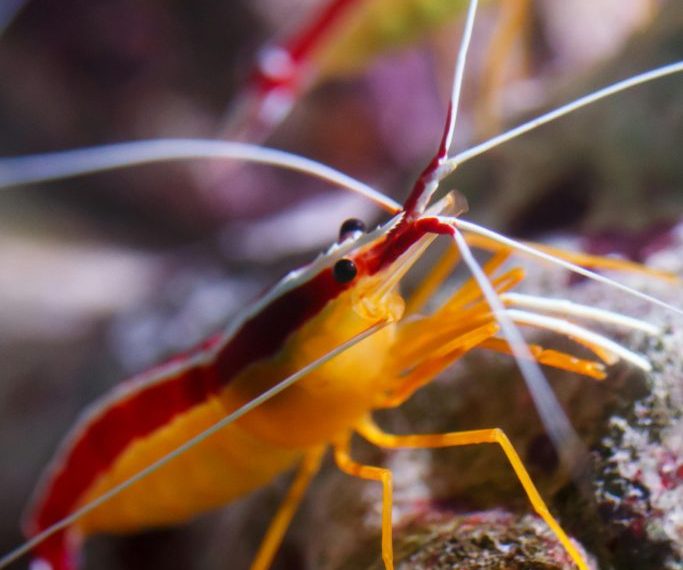
- Use caution: Very small shrimp (sexy shrimp, small cleaners), tiny gobies, and nano-sized fish may be seen as prey.
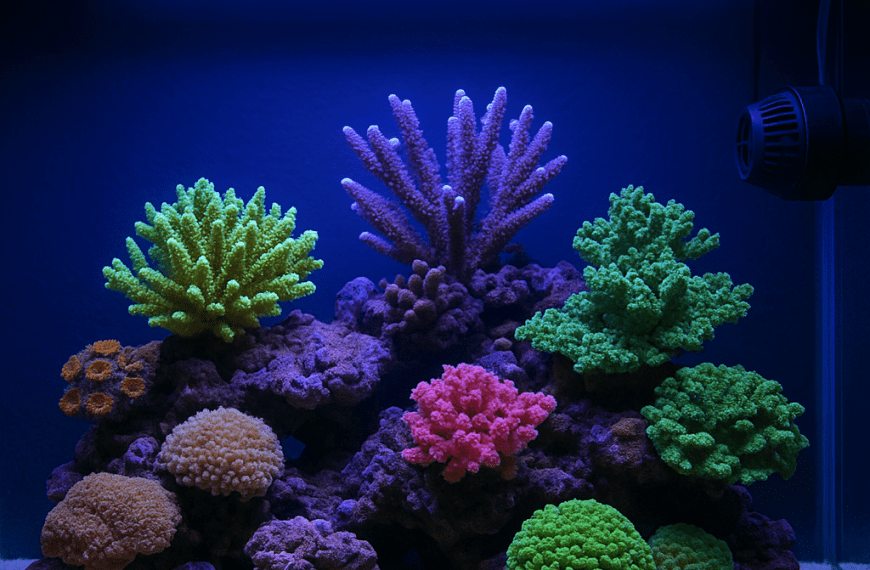
- Corals: Typically considered reef-safe with caution—they rarely nip at corals but may perch on delicate branches.
If you plan a mixed reef with shrimp, start with larger cleaner shrimp and add them before the hawkfish when possible. For more ideas on balancing fish and corals, see our guide to reef-safe fish stocking.
Care Tips, Health, and Final Thoughts
Longnose Hawkfish are hardy once established, making them suitable for intermediate hobbyists. Stable parameters are key:
- Temperature: 76–80°F (24–27°C)
- Salinity: 1.024–1.026 specific gravity
- Ammonia/Nitrite: 0 ppm; Nitrate: < 20 ppm
Always quarantine new arrivals to watch for common marine diseases such as marine ich and to ensure they are eating prepared foods before entering your display. For step-by-step guidance, see our article on saltwater fish quarantine.
Hobbyist tip: Because Longnose Hawkfish are observant and bold, they’re great “front and center” display fish. Give them a prominent perch and you’ll see them often.
With a thoughtfully aquascaped tank, appropriate tankmates, and a varied meaty diet, the Longnose Hawkfish (Oxycirrhites typus) can become one of the most entertaining and interactive residents of your marine aquarium. Their striking red-and-white pattern and constant perching behavior add both movement and personality to any reef or fish-only system.
Sources
- Michael, S. (2001). Marine Fishes: 500+ Essential-To-Know Aquarium Species. Microcosm Ltd.
- Sprung, J. (2005). Invertebrates: A Quick Reference Guide. Ricordea Publishing.
- FishBase: Oxycirrhites typus species summary and habitat notes.
Was this helpful?
Related Posts
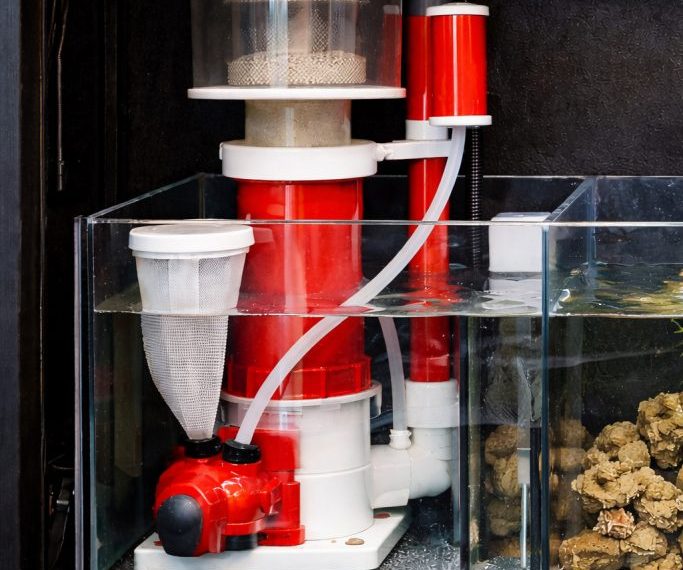
Protein Skimmer Reef Tank Guide
Learn how a protein skimmer works, how to size one, and how to tune it for a cleaner,…
 By
By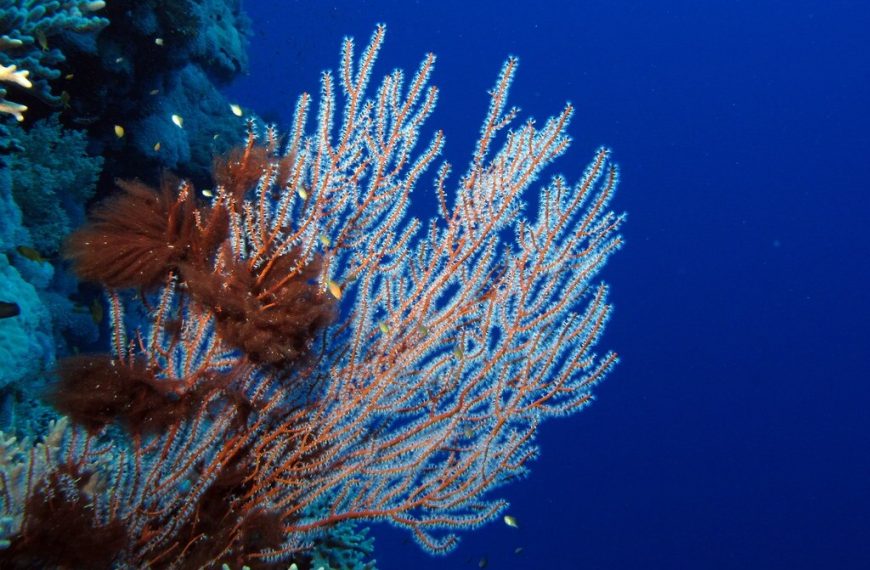
Reef Aquarium Water Parameters
Learn the ideal reef aquarium water parameters, safe ranges, and how to keep salinity, alkalinity, nutrients, and pH…